



There’s life in the old dog yet.
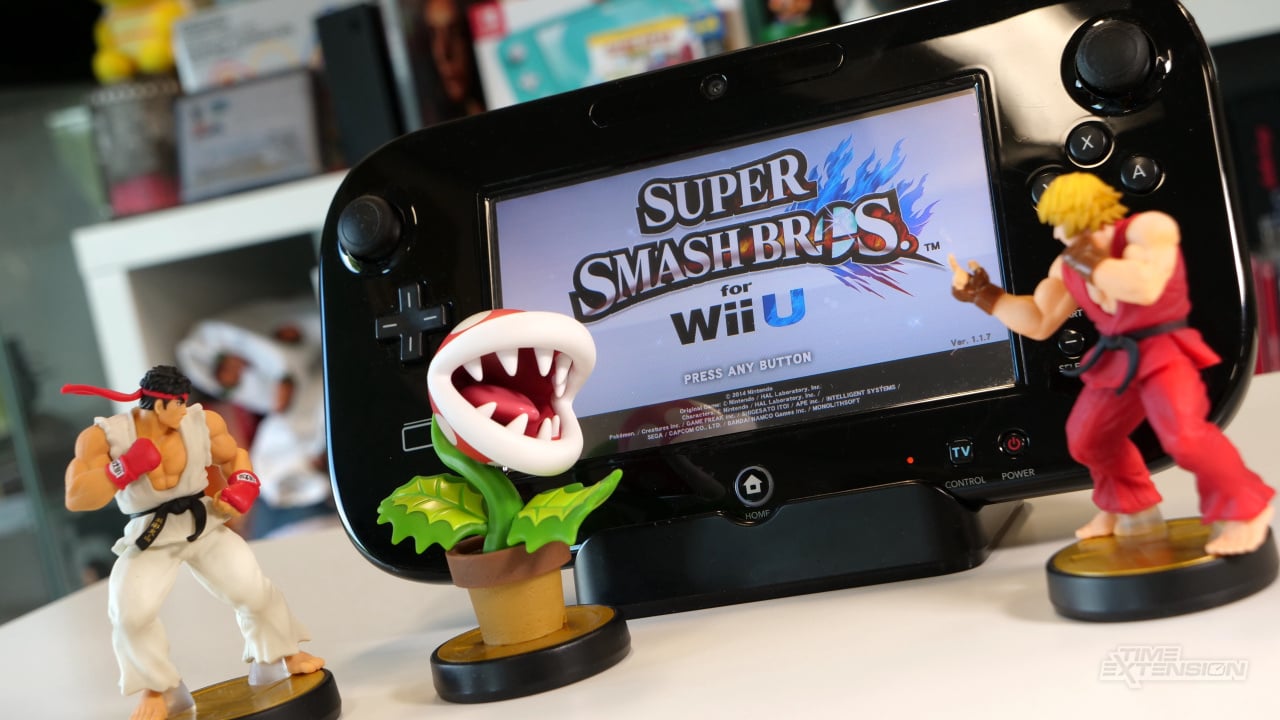
The Wii U GamePad is surely one of Nintendo’s most contentious innovations. On one hand, it offered asymmetric gameplay possibilities that had never been witnessed before, and also allowed you to play games on the controller when the main TV was being used for something else—a feature which, you could argue, directly inspired its successor, the Switch.
On the downside, the Wii U GamePad was criminally underused and, beyond a handful of titles, never really justified itself. It was also hamstrung by the fact that only one player could use it (Nintendo never did follow through on its claim that multiple GamePads could be connected to a single console), and its battery life was disappointing.
Read the full article on timeextension.com
There’s life in the old dog yet.
The Wii U GamePad is surely one of Nintendo’s most contentious innovations. On one hand, it offered asymmetric gameplay possibilities that had never been witnessed before, and also allowed you to play games on the controller when the main TV was being used for something else—a feature which, you could argue, directly inspired its successor, the Switch.
On the downside, the Wii U GamePad was criminally underused and, beyond a handful of titles, never really justified itself. It was also hamstrung by the fact that only one player could use it (Nintendo never did follow through on its claim that multiple GamePads could be connected to a single console), and its battery life was disappointing.
Read the full article on timeextension.com