




From Pixels to Pop Culture: Why Icons Stick
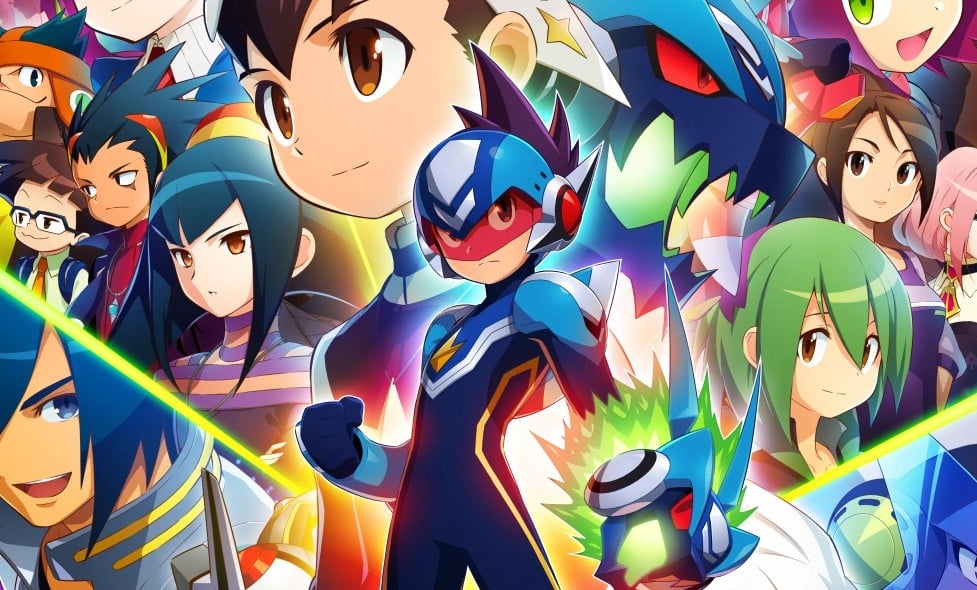
Some video game characters are recognized in seconds, even by people who rarely play today. When that recognition happens, a character can travel far beyond the original game.
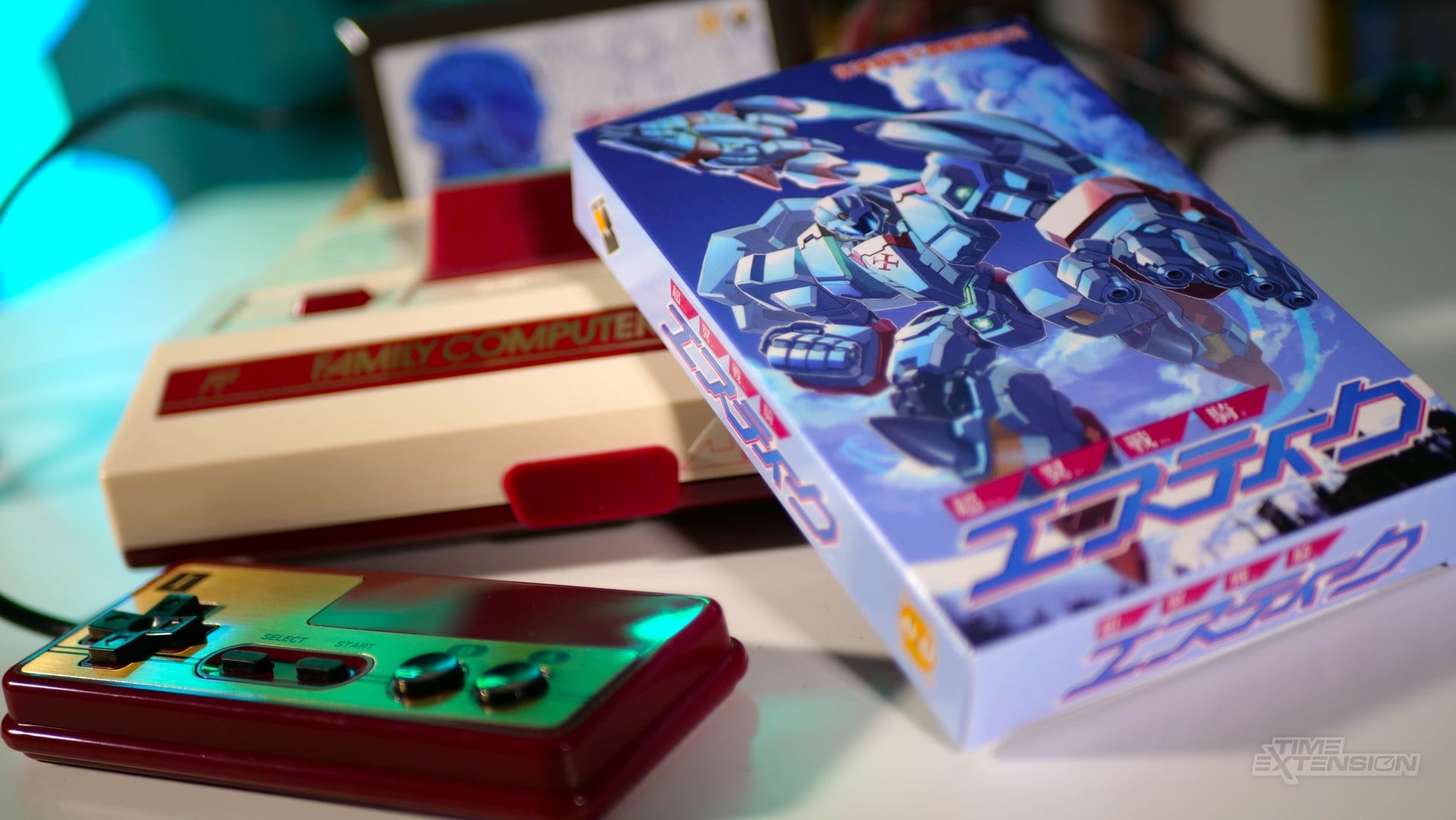
Icons show up in memes, costumes, street art, fan art, and movie adaptations. They also shape how new games are packaged and advertised, from box art to app thumbnails.
Mascots, Catchphrases, and Instant Recognition
The best-known characters are built around a fast “read”: a silhouette, a color palette, and one signature action. That clarity makes them easy to parody, remix, and quote.
That same “instant read” shows up in character-driven slot-style games, where a mascot has to be understood quickly. A recent example is the Fortune Llama slot, which uses cheerful visuals and a simple theme to feel approachable. When an icon is easy to describe, it is easier to share.
In Short: Simple designs plus repeatable moments help characters spread.
What Makes a Character Last: Design, Voice, and Story
Long-lasting characters combine strong visuals with a personality that fits the world around them. They also leave room for updates as technology changes.
Design That Reads at a Glance
Bold shapes stay readable in motion and at small sizes. Details may change, but the core outline stays familiar.
A Voice Fans Can Quote
Some icons are remembered for a sound as much as a look, from a catchphrase to a musical cue. If fans can imitate a character in one line, it becomes easy to reference.
A Role That Signals Values
Heroes, rivals, and villains often stand for simple ideas like courage, speed, or defiance. When those values are clear, fans can attach personal meaning.
These ingredients support reinvention without losing identity. A character can move from 8-bit to 3D, or from game to film, and still feel consistent.
Five Ways Characters Shape Everyday Culture
Icons influence pop culture because they are flexible across settings and moods. The same character can be serious in a story scene and silly in a meme.
- Visual Shorthand: A face or symbol can represent an entire franchise.
- Shared Jokes: Catchphrases and gestures become quick references.
- Merch and Fashion: Character art moves onto everyday items.
- Cross-Media Stories: Shows and films extend a character’s world.
- Community Identity: Fans use icons in avatars and team logos.
When a Character Becomes a Brand
Once a character is widely recognized, it starts to function like a brand mark. A single face can signal “cute,” “edgy,” or “heroic” before any plot is explained.
Familiar icons also help new players choose what to try in crowded storefronts. They reduce uncertainty by suggesting what the experience will feel like.
Over time, creators protect a character’s “rules” so it stays recognizable anywhere it appears. Those rules keep the design consistent on posters, toys, and thumbnails.
New Icons Keep Emerging Through Streaming and Esports
Modern icons can rise fast because gameplay is shared instantly through clips and reactions. Esports also pushes characters into the spotlight through tournaments and rivalries.
Familiar fantasy creatures keep returning in new forms, which helps audiences connect quickly. The Golden Dragon online sweepstakes game works because the dragon image already carries cultural meaning from decades of games and mythology.
In Practice: Shareable moments turn characters into templates.
Why These Characters Still Matter
Iconic characters shape what audiences expect from games, from hero types to world design. They also create a common reference point across age groups.
As technology changes, the strongest icons stay relevant by staying consistent in the ways that matter most. When a character can be recognized, quoted, and reimagined, pop culture keeps using it.
The post Iconic Video Game Characters: Pop Culture Influence appeared first on Old School Gamer Magazine.