

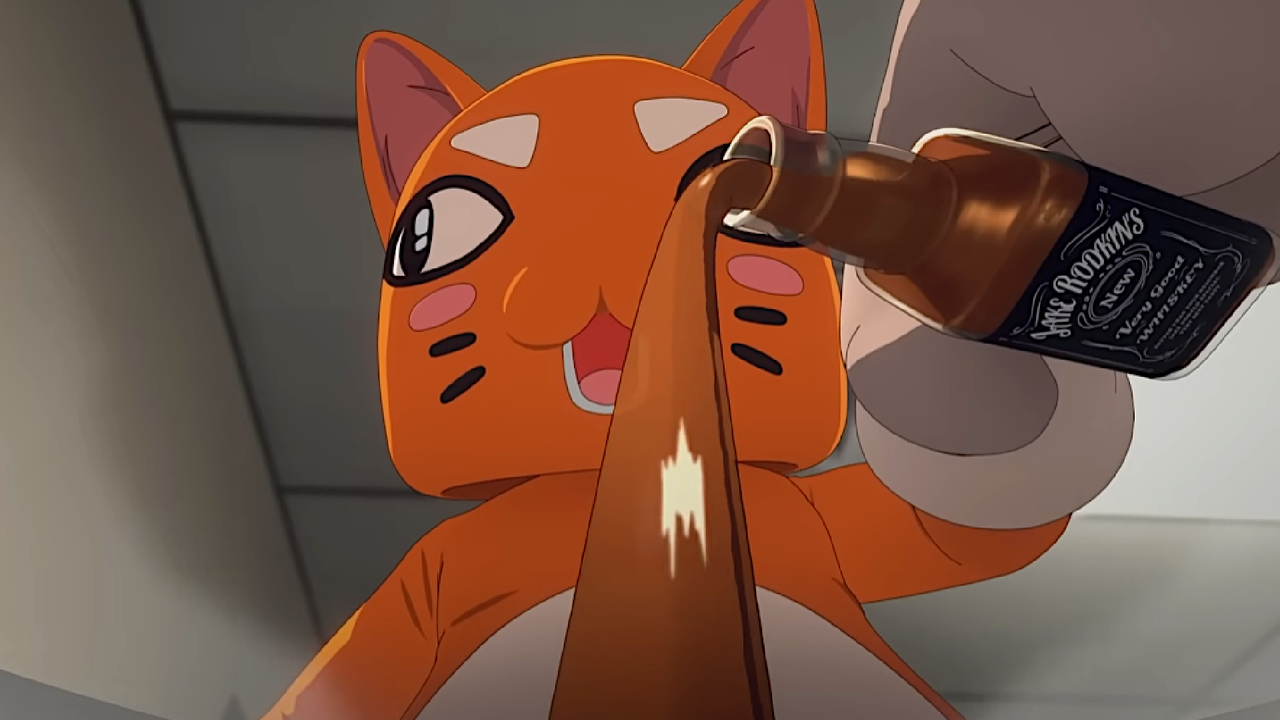
With the games we used to make [at Telltale], we were so conditioned to gameplay being a thing you had to do to check a box.
Nick Herman
I’ll admit, I didn’t expect much from Dispatch’s gameplay before I played it. After all, it’s more or less a Telltale game, which were always more concerned with dialogue choices and story sequences than they ever were with gameplay. But, somehow, AdHoc managed to make Dispatch more fun to play than it is to watch.
There’s the incredible dispatching minigame that sees you managing your team of heroes (well, ex-villains), a surprisingly challenging hacking puzzle, and quick time events. The mere thought of QTEs, which were all the rage back in the 2010s, makes me shudder today, but Dispatch is one of the very few games to do them well.
In a GDC talk with Dispatch creative directors and AdHoc Studio cofounders Nick Herman and Dennis Lenart, they discussed how the game’s puzzle mechanics developed. And most notably, how they managed to make QTEs actually fun.
Early in development, the team wanted to focus on light puzzling minigames that would directly tie into Robert’s job at SDN—dispatching. This didn’t begin with a dispatching minigame, but one thing was for certain in Lenart’s eyes: “We are definitely not doing QTEs.”
Herman used an example of helping Invisigal through a security camera feed (an early version of the robbery section, I assume), where you’d switch cameras to navigate the space, interact with objects, and call things out to her.
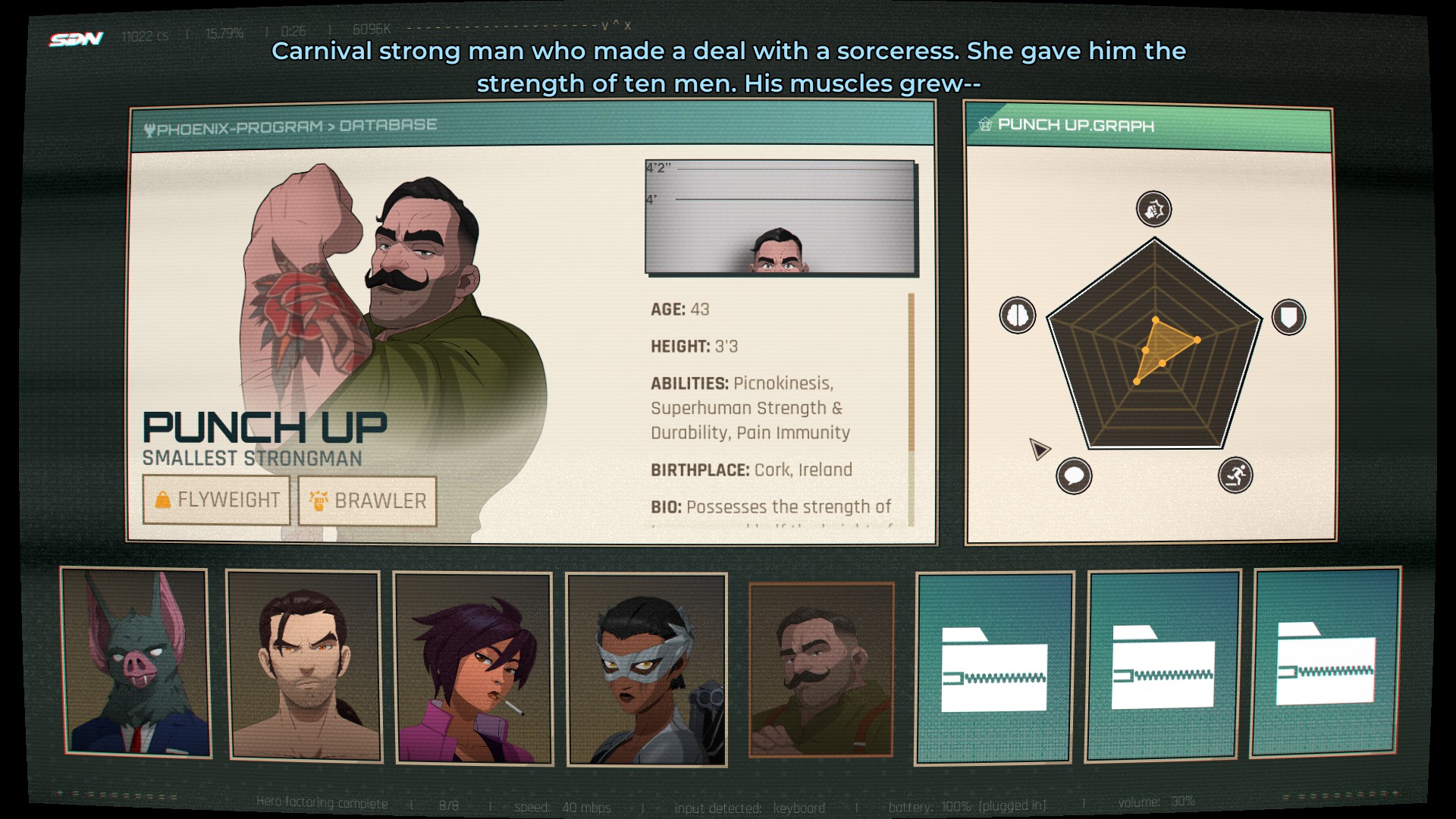
“We weren’t really sure it was actually fun. It was kind of cool and different. But was it fun? With the games we used to make [at Telltale], we were so conditioned to gameplay being a thing you had to do to check a box… We just needed it to not suck,” Herman said, describing the concepts for Dispatch’s gameplay.
Returning to the drawing board with these thoughts in mind, Lenart recalls a game called This is the Police, which ended up having a big influence on the direction AdHoc would take. In This is the Police, you manage a team of police officers; in Dispatch, those are superheroes. It’s a management sim, in many ways, and it’s fun.
The Z Team was then created to give you a team to manage, as it was just a story of mentorship with Invisigal up until this point, and the dispatching minigame was born.
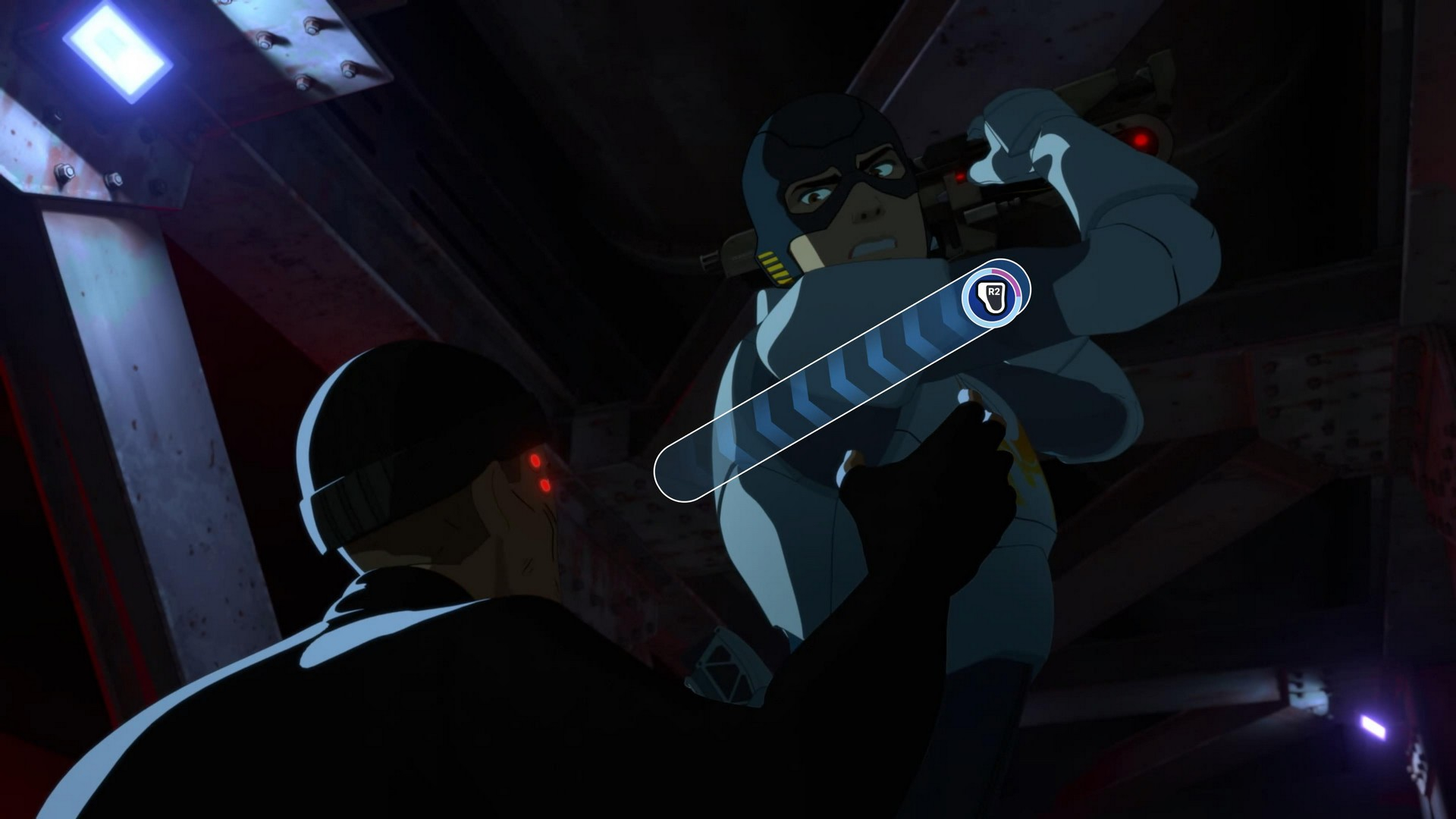
So where did the QTEs come from? Feeling it would be weird to have cinematic action but not an interaction, AdHoc decided to “just embrace QTEs and set the very low bar of trying to not make them suck,” as Lenart described. The team came to the realisation that people don’t hate QTEs, just bad ones.
And there were a few rules they settled on to avoid the curse:
- No jumpscaring with prompts
- Don’t make players feel like missing them was unfair if it was unexpected
- Limit QTEs to two types: a timed prompt and a directional swipe
“We learned that as long as people hit 80% or more of the prompts, they reported back that it actually felt good,” Lenart explained. “So to make our lives easier, we made it so that you could just mash any button you wanted and weren’t penalised for pressing it multiple times or too early.”
Anticipating that some players would hate QTEs, no exceptions (the team did at first, remember), AdHoc decided to make them entirely optional: “This was not a hill we wanted to die on”, said Herman.
I never thought I’d say it, but you know what, QTEs can be fun, at least when they’re not annoying or invasive. Dispatch certainly hit the right balance for me. Ironically, it was the hacking minigame that wore on me the most (mainly because it’s actually quite hard).

2026 games: All the upcoming games
Best PC games: Our all-time favorites
Free PC games: Freebie fest
Best FPS games: Finest gunplay
Best RPGs: Grand adventures
Best co-op games: Better together