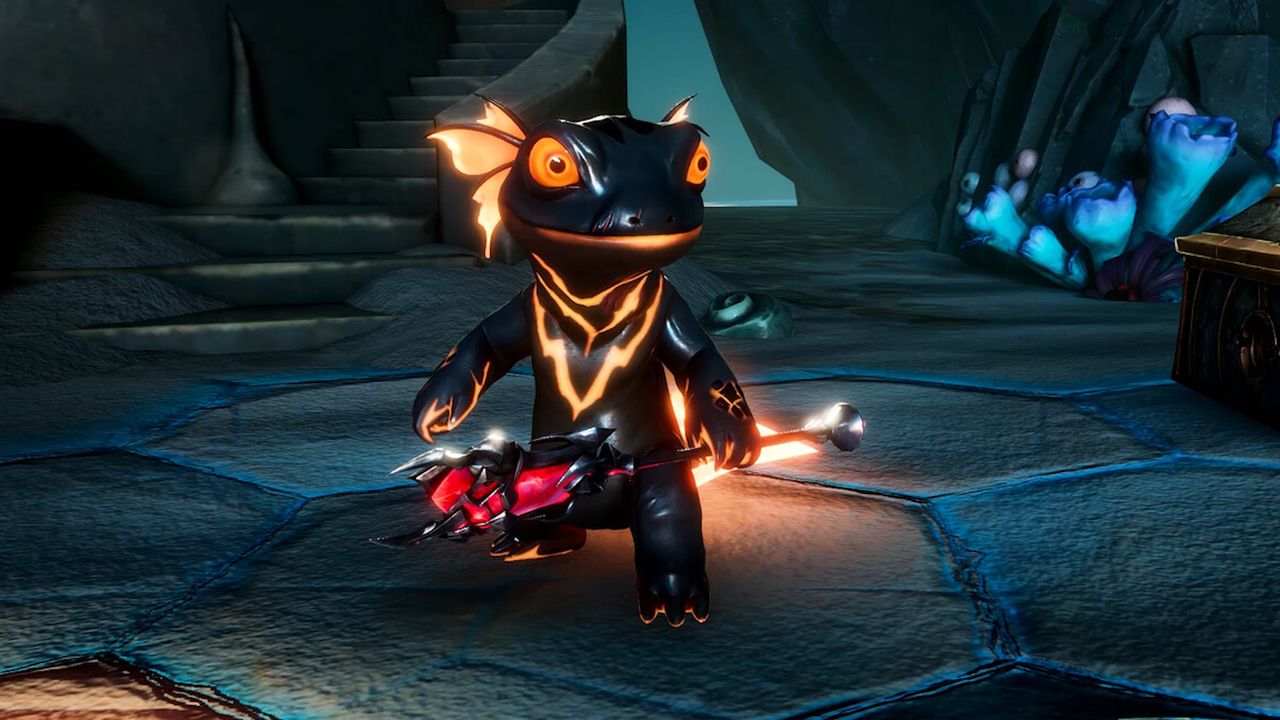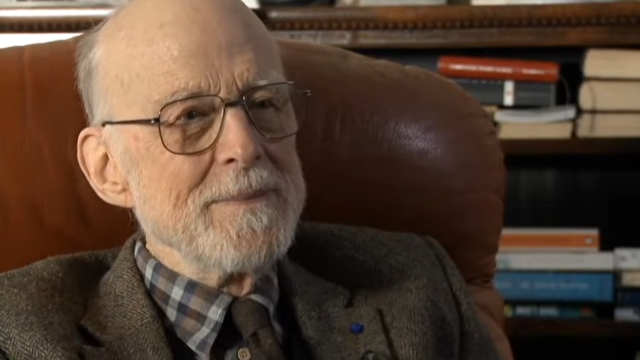



Today at GDC, San Francisco’s annual summit of games industry professionals, former Blizzard chief creative officer Rob Pardo delivered this year’s keynote address, sharing a lessons learned from a game development career spanning from his days as lead designer on Starcraft: Brood War and Warcraft 3 to founding his own studio at Bonfire, developers of the recently revealed Arkheron.
Throughout his hour-long keynote, Pardo reiterated that—despite the fact that he worked on some of history’s most celebrated, enduring games—even he can’t say with certainty what makes a hit. But as he closed his address, he directed a message at industry executives: If your developers have already delivered a success, the best way to repeat it is by keeping those developers on the payroll.
That wisdom might seem self-evident, but this is the business that recently laid off Battlefield 6 developers after they had delivered a game that sold 7 million copies in three days and was one of the most-played releases of 2025. That’s only the latest in a long line of demonstrations that the games industry is all too happy to reward massive success with loss of employment.
“To those of you who are executives or business leaders, I will leave you with one final thought: If you create a game that truly endures, it’s incredibly difficult. And if you’re fortunate enough to launch one of those games, the rewards can be extraordinary,” Pardo said. “But in my experience, if you built a game like that, you also built an incredible team. And personally, I think the game team is more valuable than the game itself.”
That value, Pardo had earlier explained, comes from the fact that behind every successful game, there was a development cycle with its own series of unforeseeable setbacks, well-intentioned missteps, and necessity-driven solutions, and we only see the results of that work: “All of the mistakes, the learning, and the north stars that led the team to the final product are long buried,” he said.
As an example, Pardo said that Blizzard’s initial concept for Warcraft 3 was even more focused on heroes and smaller-scale conflict, something that the team eventually had to admit to itself wasn’t working. But while that original concept was abandoned, its successful elements—an emphasis on heroes, leveling, and items—became some of Warcraft 3’s defining features.
Over time, Pardo said he had to accept that “these blowups, the struggles, the pivots” are an inevitability of game development. A team that achieves success with a game project, then, isn’t just composed of capable professionals: They’re a team that proved it can translate the inherent unpredictability of game development into quality. And if they’re laid off, there’s no guarantee that their replacements—if there are any—will be able to do the same.
“So treasure that team, nurture that team, give them the autonomy to keep taking care of the players,” Pardo said. “Because the thing that made the game special in the first place is the people who built it.”
2026 games: All the upcoming games
Best PC games: Our all-time favorites
Free PC games: Freebie fest
Best FPS games: Finest gunplay
Best RPGs: Grand adventures
Best co-op games: Better together