



Every Friday morning, I cast an eye over the land of SSD deals…only to find it unnervingly quiet as of late. RAM prices aren’t looking so hot either, but if you’ve been keeping track of the raging memory supply crisis, you likely didn’t need me to tell you that. Well, here I am anyway with a groan-worthy update: the memory supply shortage is unlikely to end before the last half of 2027.
Market research firm Counterpoint Research shared a number of ill tidings from its findings. These include that, during the period following China’s Lunar New Year, 64GB DDR5 DRAM modules designed for servers jumped up in price by 150%, quarter-over-quarter (via The Korea Herald).
Given the AI industry’s hunger for all things memory, that’s perhaps unsurprising. However, as you’ve probably already guessed, more consumer-geared RAM offerings weren’t safe from price spikes either.
According to Counterpoint, the price for 12GB of mobile LPDDR5X rose 130%, while the cost of 8GB of SO-DIMM DDR4, often used in lightweight notebook laptops, rose by 180% during the same period. NAND product pricing also spiked between 130–150%.
Counterpoint Research analyst Min-sung Hwang attempted to offer some hope, saying “DRAM output from Samsung, SK Hynix, Micron, CXMT, and Nanya is forecast to grow 26% this year, with NAND up 24%.”
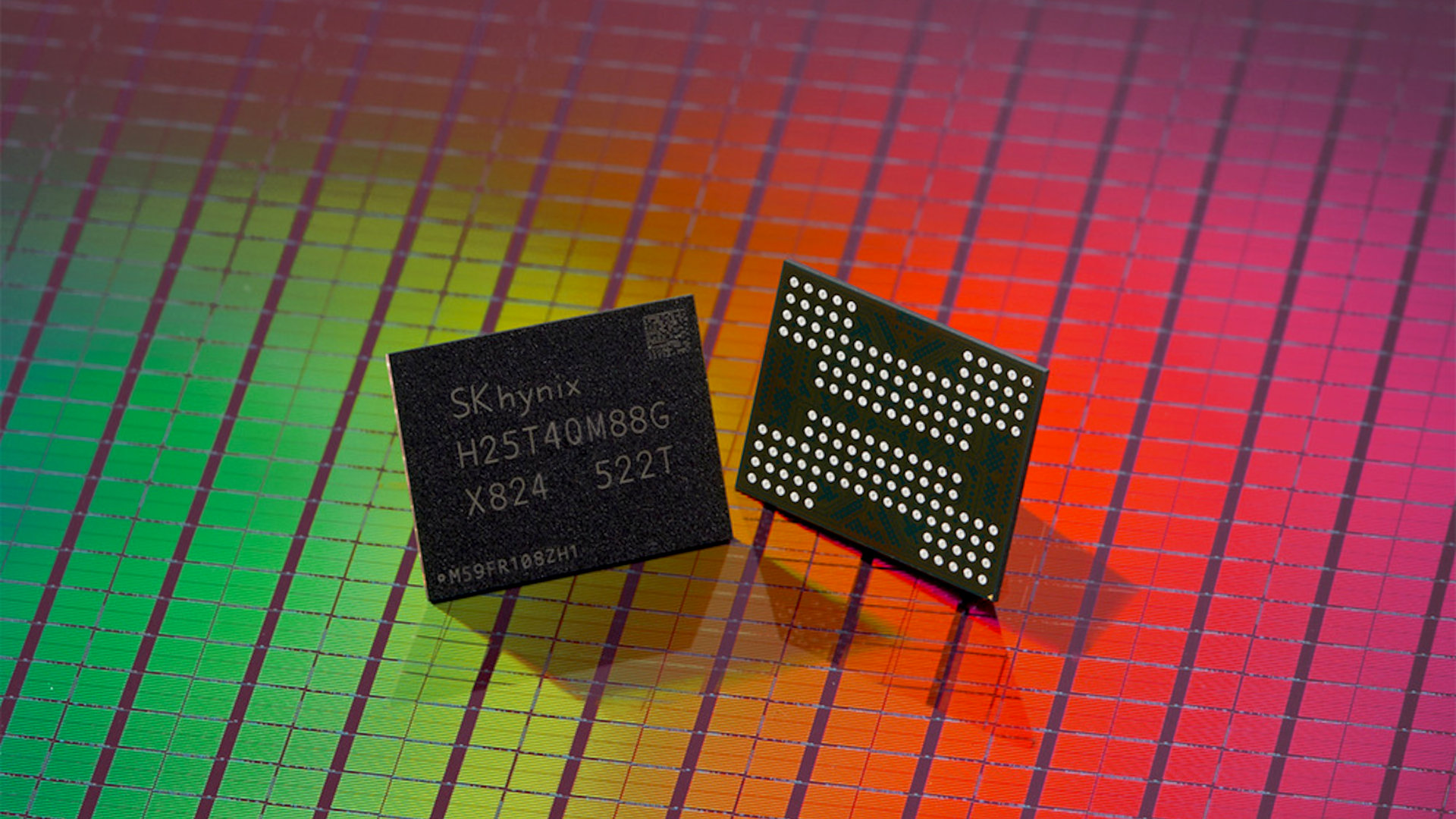
Unfortunately, that’s still not really enough to affect a meaningful reversal of fortunes for the current state of supply in the near future, with the analyst going on to explain that “these volumes won’t be meaningful before the second half of 2027” (translation via Jukan). Therefore, consumers are unlikely to begin to see an improvement in supply or, even more importantly, pricing, until around late 2027.
But even that projection may prove a smidge optimistic. According to Counterpoint, memory suppliers are moving away from custom High Bandwidth Memory and AI chip production, but only in favour of maximising both production and profits of commodity memory products. Hwang comments, “There is no scenario where memory prices correct in the second half, given that hyperscaler purchasing intent remains unbroken.”