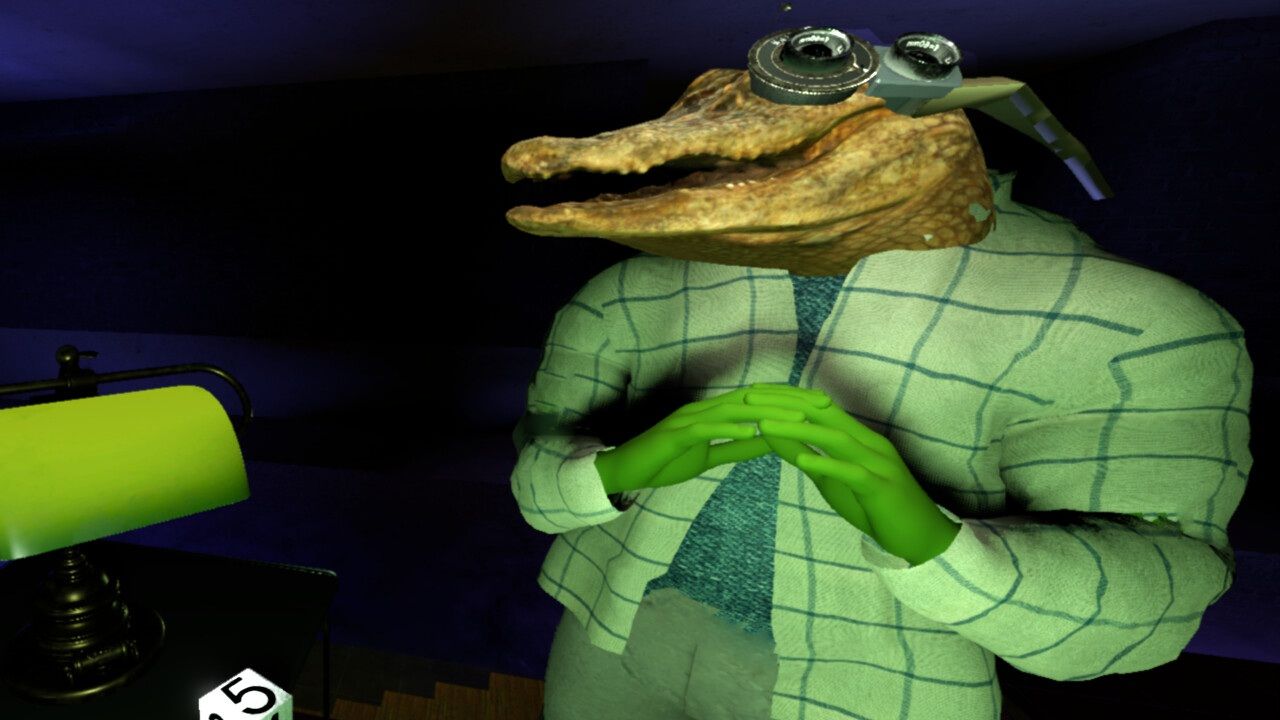




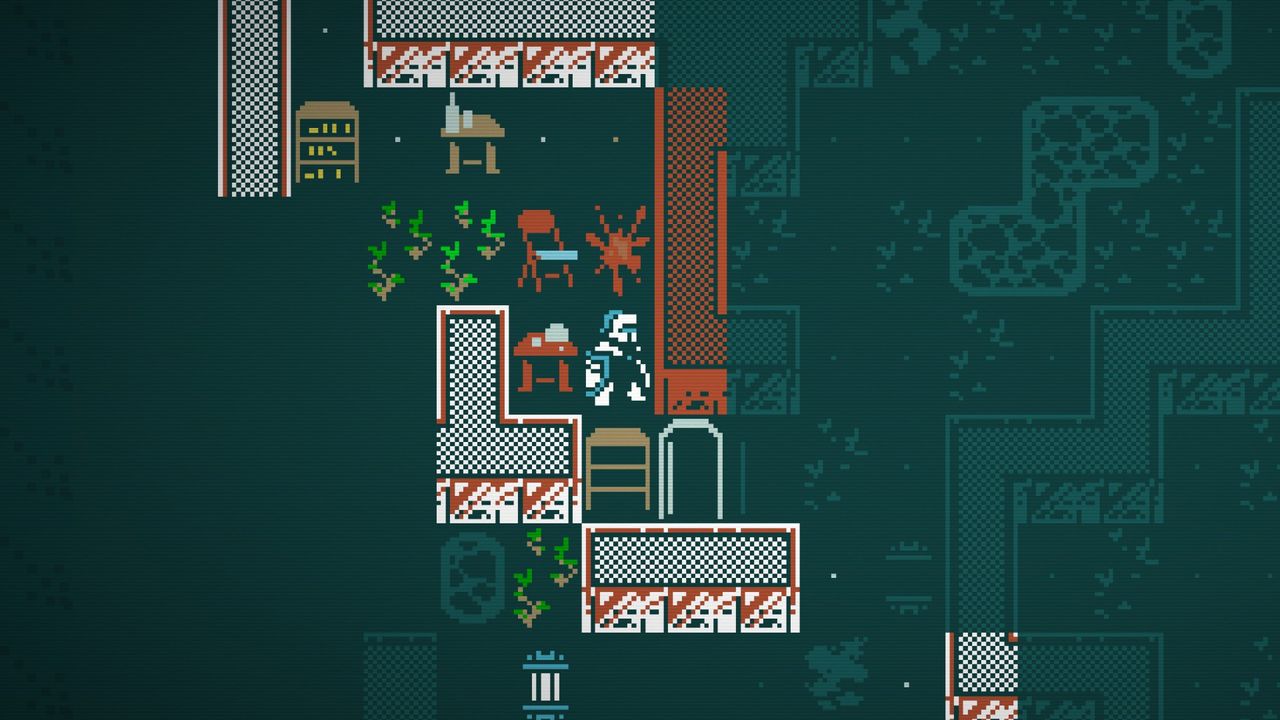
Caves of Qud is famously complex, simulating a surreal science-future where your player character can sprout new limbs at a moment’s notice, apes and crabs have shifting reputational dynamics with one another, and a concrete wall can gain full personhood through items that grants sentience.
But in an interview with PC Gamer, Qud co-creator Brian Bucklew said even Freehold Games’ systems-heavy procgen roguelike is only scratching the surface of the processing and networking capability of today’s computer hardware. As Freehold starts looking forward to future projects, Bucklew’s programming fascinations are focused on exploring what gameplay systems would look like if they made full usage of the abundant computing power that, so far, has largely gone unutilized.
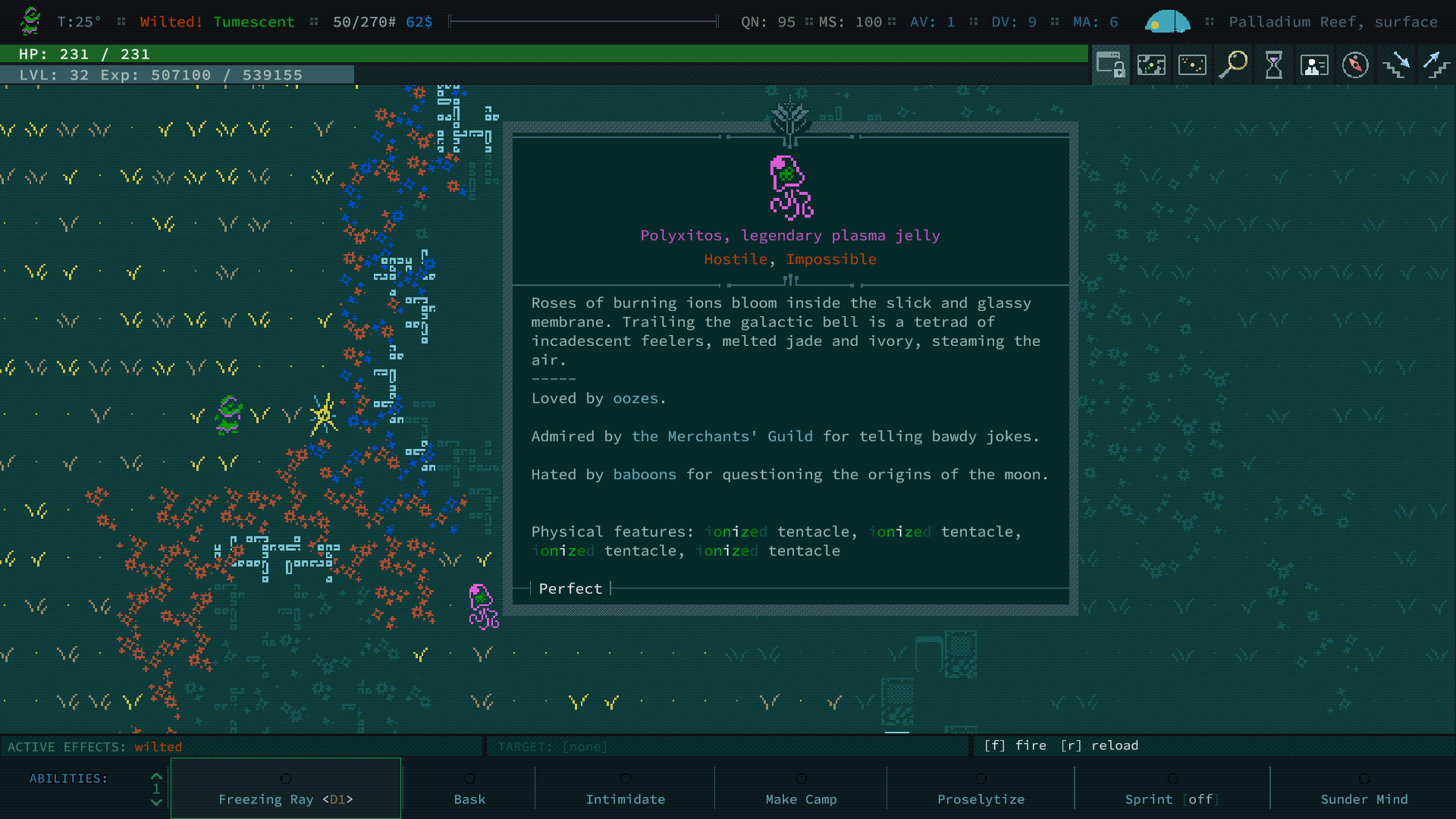
“I think games haven’t really—at least in the triple-A space—caught up with how powerful both compute and network have gotten. A lot of games are still one megabit games as far as your network down, but everybody’s got a 25 megabit downstream at least—a lot of people have one gigabit down, right?” Bucklew said. “What happens if you saturate that with gameplay?”
And it’s not just networking bandwidth that’s going underutilized. In an impromptu dissertation, Bucklew laid out how games often try to squeeze as much processing power as possible out of our GPUs, but generally leave our “huge CPUs that can do 32 hyperthreaded threads or whatever” with a lot of untapped potential.
That’s because most games—while it might be demanding for our GPUs to render them—are generally simulating fairly simple world states. However pretty the newest Call of Duty looks, your CPU doesn’t have to handle much more than where people are moving and whether a bullet will hit them before they arrive.
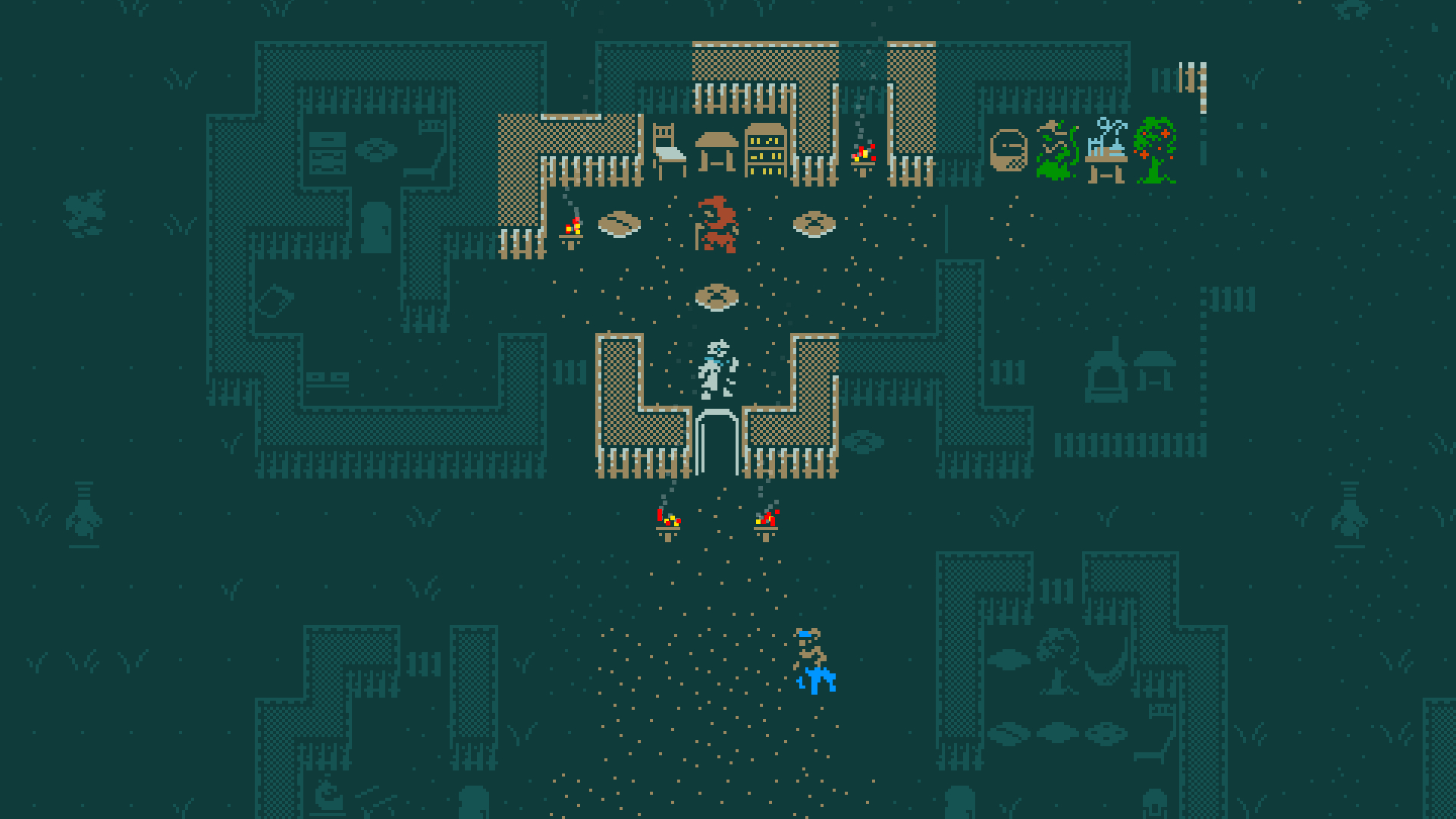
“A lot of the work is pre-calculated. They’ve done a lot of processing [in advance] to render the beautiful background, right? Actually presenting it is very lightweight,” Bucklew said. “The complexity is during the design process, and it’s baked out into the game.”
Meanwhile, games that make more heavy use of procedural generation and elaborate systems-heavy simulation—from Minecraft to Dwarf Fortress to Caves of Qud—are more intensive for the CPU because fewer of the outcomes of their programming are predetermined. They’re asking the CPU to solve problems to simulate worlds that can change in more meaningful ways.
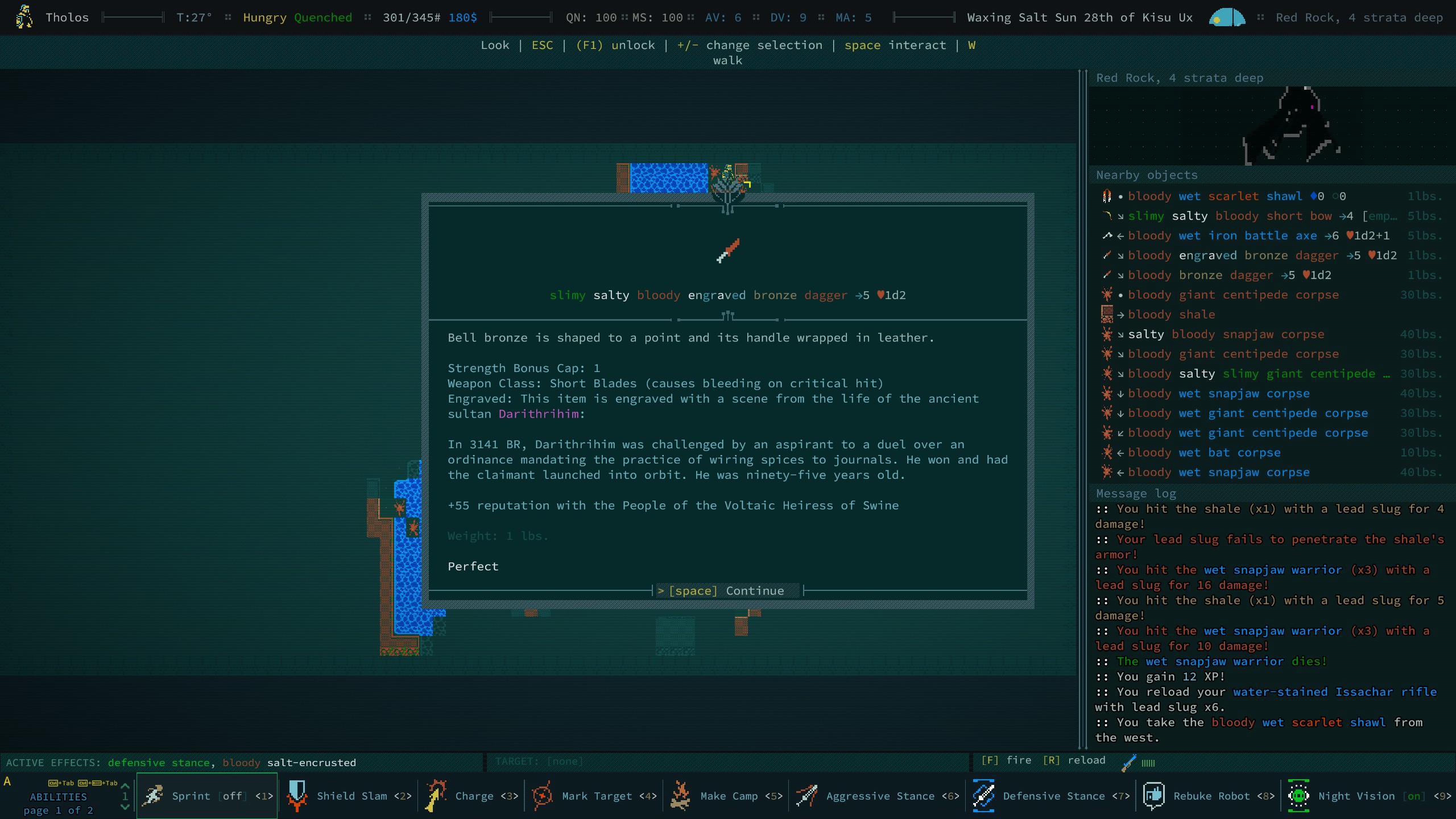
In Caves of Qud, that could look like “this Snapjaw is going to have webbed feet, and it’s going to be on fire, and there’s a bear over there,” Bucklew said. As all those variables ripple out through Qud’s material interactions, temperature calculations, and behavioral simulations, it produces “a situation that’s never occurred before on anyone’s computer. We can’t bake that, and so the computer has to figure it out. That’s CPU-heavy work.”
But Bucklew said even games like Qud are leaving a lot of compute sitting on the table.
“No games are really saturating that compute for systemic purposes. The kinds of systems that I’m thinking about for stuff outside of Qud are systems that saturate these resources that are mostly just sitting there, because we’re playing game designs from 2005 still,” Bucklew said. “We’re still playing sub-100 player FPSes right? We’re still playing games running on a single core—maybe spreading their rendering out across cores, but certainly not spreading their simulation out across 24 cores. So the next games we’re looking at inside of Freehold are doing things like, what if you made a strategy game or simulation game that really said ‘Let’s use these modern computers’?”
Bucklew admits that, if a game materializes out of that exploration, it’ll likely be something that “maybe not everyone can play.” But that was the case 20 years ago during the early development of Caves of Qud, which—despite its tile-based graphics—was modeling systemic interactions of enough complexity that beefier rigs of the era struggled to play it. Bucklew predicted compute power would catch up.
“25 years later, we’re putting it on phones and the Switch. So that paid off,” Bucklew said. “And I think we’re going to do the same thing here. I don’t think I’m interested in building systems that run great on the Switch. Now I want to start building systems that in five or 10 years are just starting to run on handheld devices, and that’s stuff that’s going to saturate a 14900 and 5090 Ti today.”
Given the absurd depth of possibility Freehold’s work has already produced, I’m eager to see what its current experiments yield. Considering my hardware budget, however, it might not be the worst thing if it takes another 20 years.

2026 games: All the upcoming games
Best PC games: Our all-time favorites
Free PC games: Freebie fest
Best FPS games: Finest gunplay
Best RPGs: Grand adventures
Best co-op games: Better together