
More Branches, More Choice: A Before‑and‑After Look at Diablo IV’s Skill Trees
Summary
- The reworked Skill Tree in Diablo IV offers deeper branching choices, giving you more ways to customize your builds and playstyles like never before.
- Skill upgrades are more impactful and visually noticeable, transforming abilities into diverse and distinctive options.
- The expanded Skill Tree system arrives on April 28, and encourages experimentation across every class, whether you’re a newcomer or a veteran adventurer.
Since its launch, Diablo IV’s Skill Tree system has done its job. Pick a skill and choose an upgrade to get a little stronger. It worked just fine, but for seasoned adventurers, it often had a tendency to feel like more of the same sap on the same branch. With Lord of Hatred arriving next week, we wanted to ensure that the skill tree has evolved to support more player choice, and is more user-friendly than ever.
The new Skill Tree has nurtured the previous “skill twig” into a fully branching system built around choice, experimentation, and playstyle expression—where the upgrades you choose change the way you play. The difference is clearest when you look at it side by side.
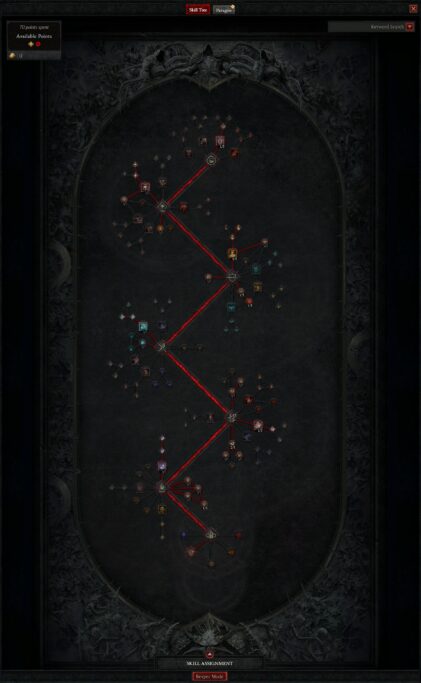
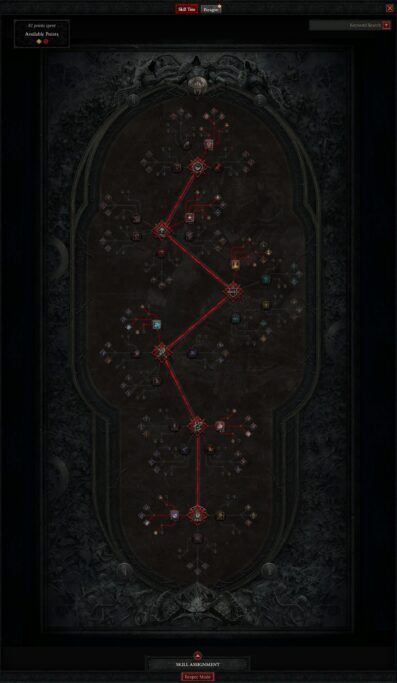
At a glance, the old system trimmed skills down to tidy, predictable paths. In most cases, you were looking at a short limb with a couple of leaves and a clear best choice at the end. With the new system, Skills have many more options for growth
Every skill has been developed and expanded, offering more nodes and branching paths than before. Where abilities once had just a few follow-up options, now they unfold with layered decisions that build on one another. Instead of a straight trunk with a simple fork, you’re navigating a canopy of choices to customize Skills to suit your needs. Zoom in, and the depth becomes immediately clear.
More importantly, these branches don’t just make skills stronger—they make them different.
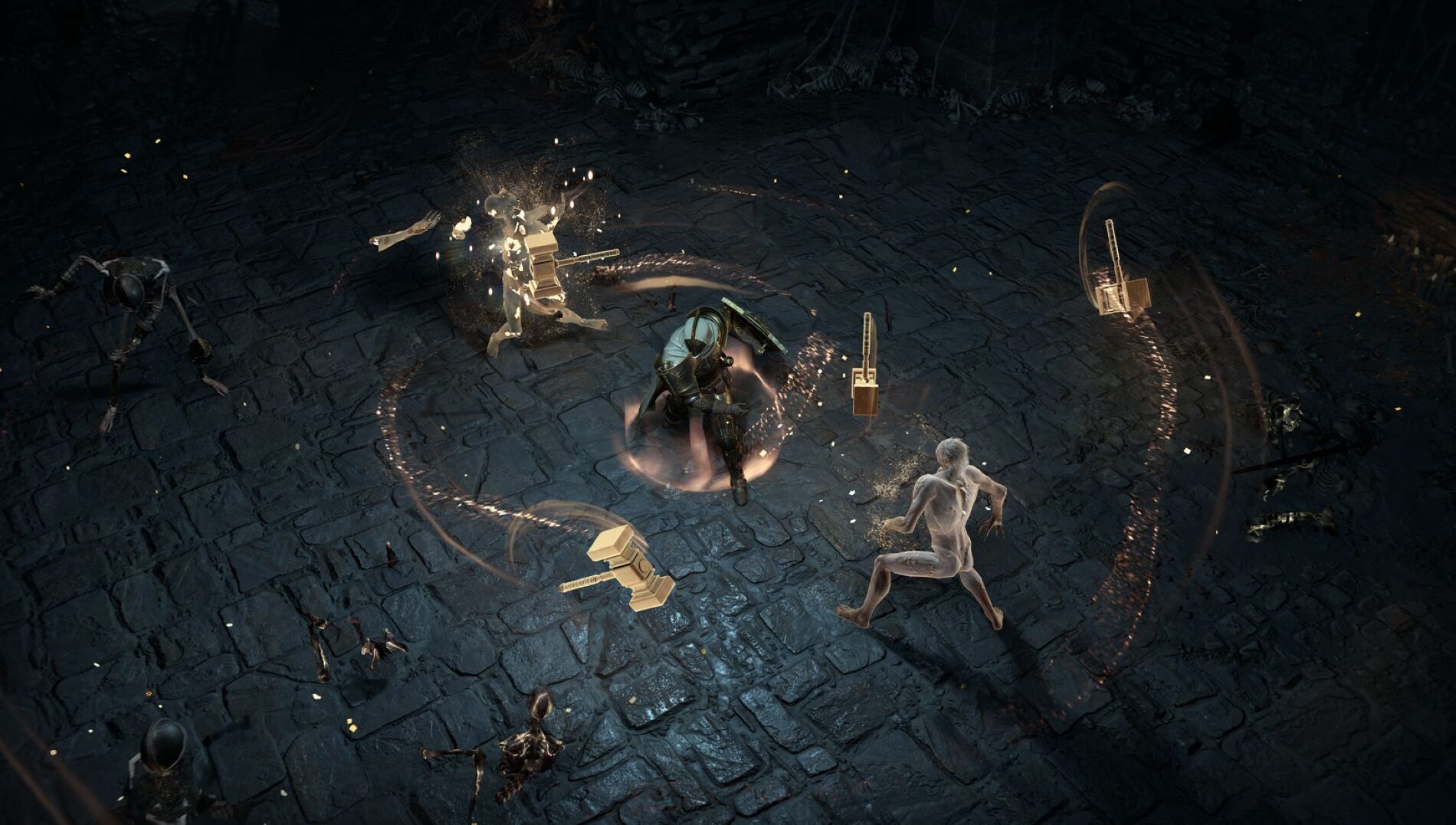
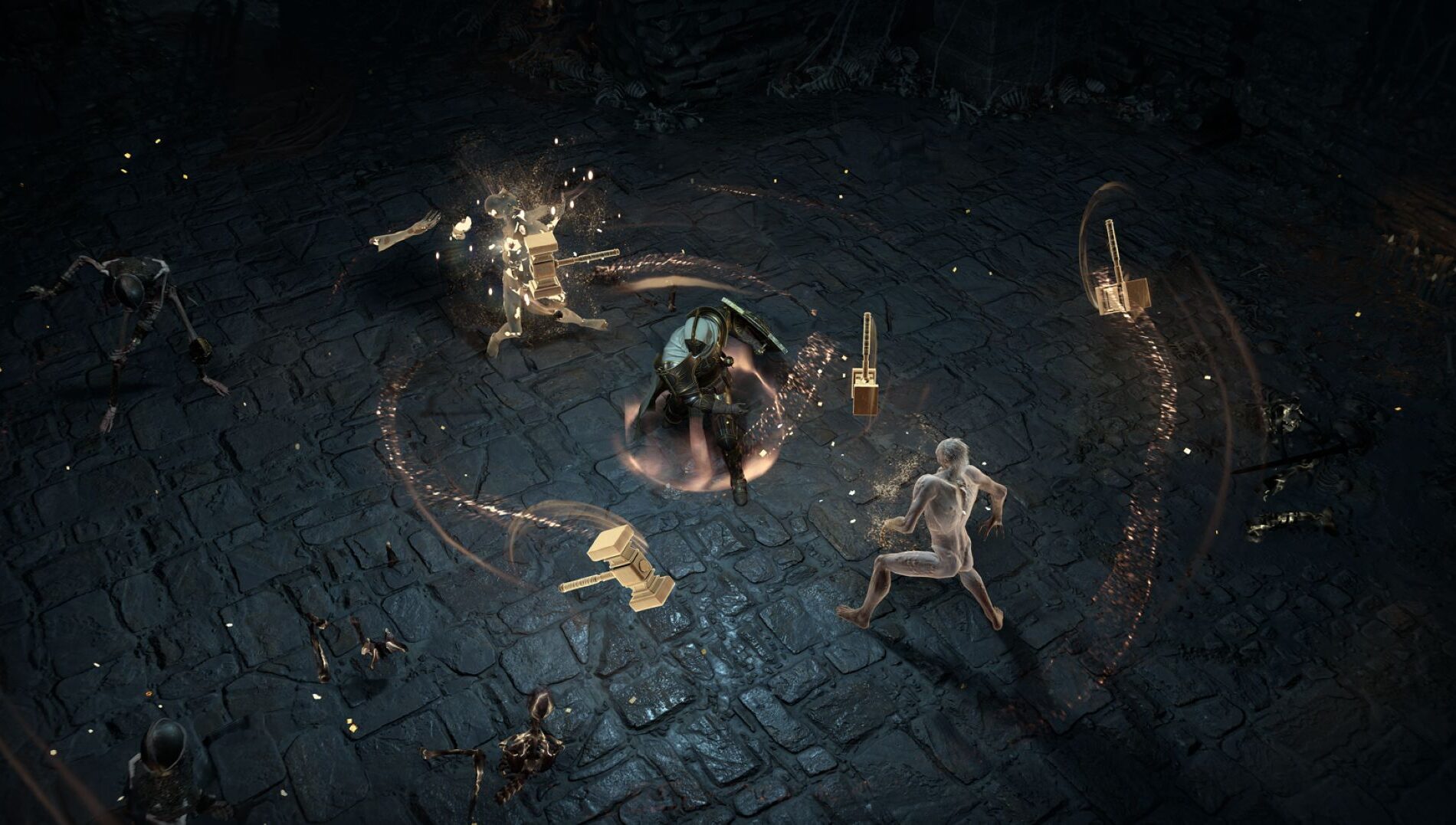
A good example is the Barbarian’s Rend. Previously, Rend was a straightforward, close‑range attack that applied bleed damage. Solid, reliable, and firmly rooted in one playstyle.
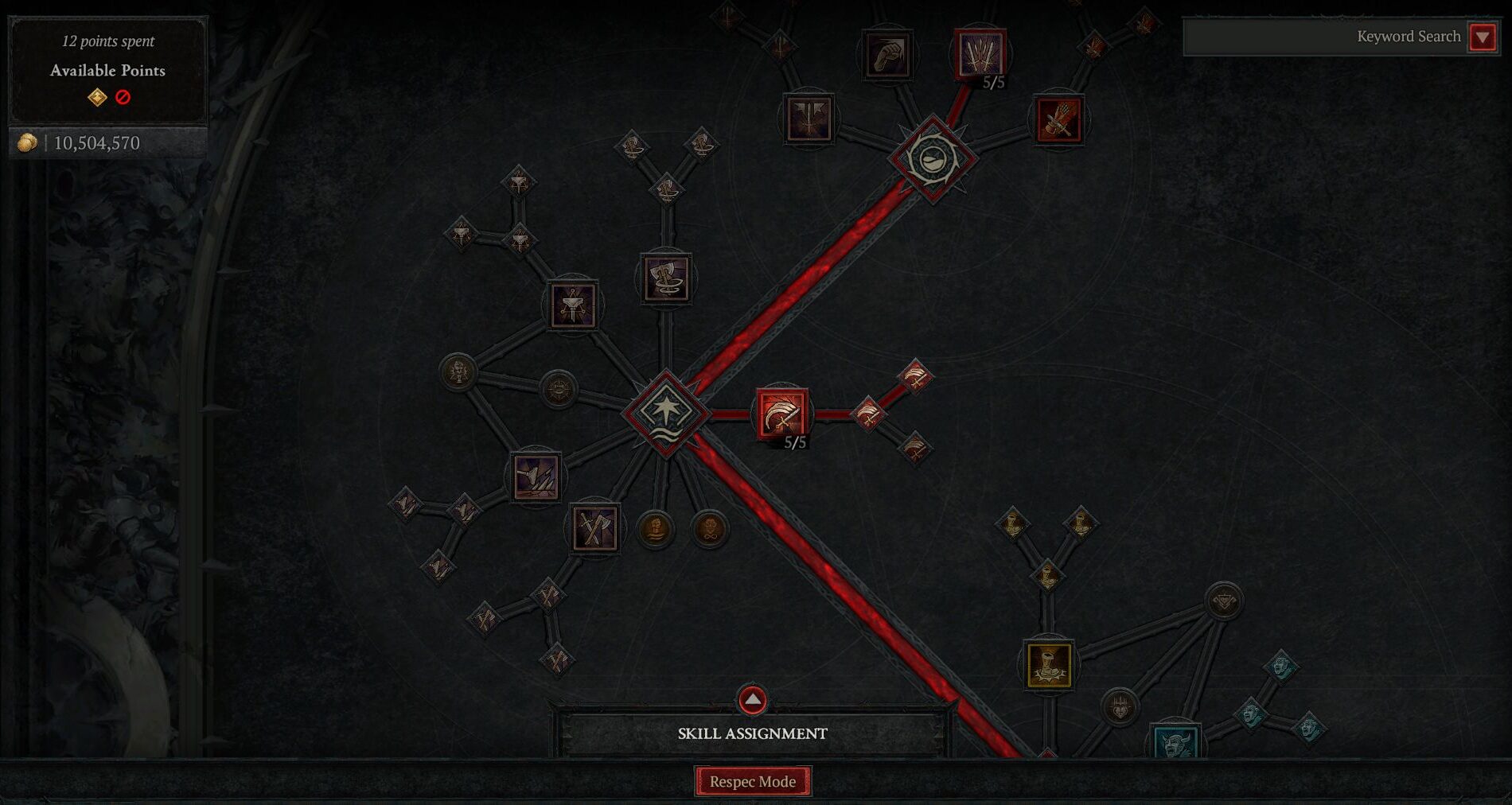
In the new system, that same skill can grow in entirely new directions. Depending on the nodes you choose, Rend can deal Fire damage, send waves rippling across the battlefield, or reach enemies well beyond melee range.

Same trunk, completely different branches—with entirely new gameplay fantasies hanging from them. As a result, builds feel more personal than ever. You’re no longer just playing “Furious Rend” or “Bloodsworn Rend,” you’re playing your version of it—shaped by the paths you chose and supported by complementary decisions elsewhere in your loadout. You may start at the same root as someone else, but you likely won’t end up in the same place.
That transformation is intentional. The team wanted upgrades to feel immediately tangible, not buried in fine print. When you invest in a node and use the skill, the change should be obvious right away—you can see it, feel it, and start playing around with it. And the rework applies to every class in Diablo IV, ensuring you can explore these new branching options regardless of your chosen hero.
If you’re newer to Diablo IV, the system is more approachable than it looks. Click a node, try it out, and see how it grows. For the more veteran adventurers, theorycrafting just got deeper. Rebuild your favorite character with the expanded Skill Tree, or experiment with the new Warlock class in the Lord of Hatred expansion, both available April 28.

Diablo® IV: Lord of Hatred – Standard Edition
Blizzard Entertainment
The post More Branches, More Choice: A Before‑and‑After Look at Diablo IV’s Skill Trees appeared first on Xbox Wire.