
When even a mid-tier pre-built gaming rig costs further above a grand than anyone would like, there’s no ignoring it: PC gaming is an extremely expensive hobby. Thankfully, Intel may be moving to make high-tier performance just a little more accessible for those on a budget.
Robert Hallock, the VP & GM of Intel’s enthusiast channel business, recently hinted that the company would offer more overclockable CPUs at lower price points. “What you will see is more and more unlocked SKUs over time. That is the goal,” Hallock said during an interview with PC Games Hardware.
“[Overclocking] should not be a feature that is exclusively reserved for the people paying the most amount of money,” Hallock explains. “Not everyone can afford the most amount of money […] and that doesn’t make them any less of an enthusiast than the person who can spend $500 on a CPU. They are still PC enthusiasts, and they deserve the same level of features, and that is what we intend to deliver in our roadmap.”
In other words, although affordable Intel CPUs with overclocking haven’t traditionally been available for those on a budget, Intel is looking to change that in the future. In current and previous hardware generations, overclocking has only been possible for CPUs with a ‘K’ designator, which are usually higher-end, and more expensive chips than their non-K designator counterparts.
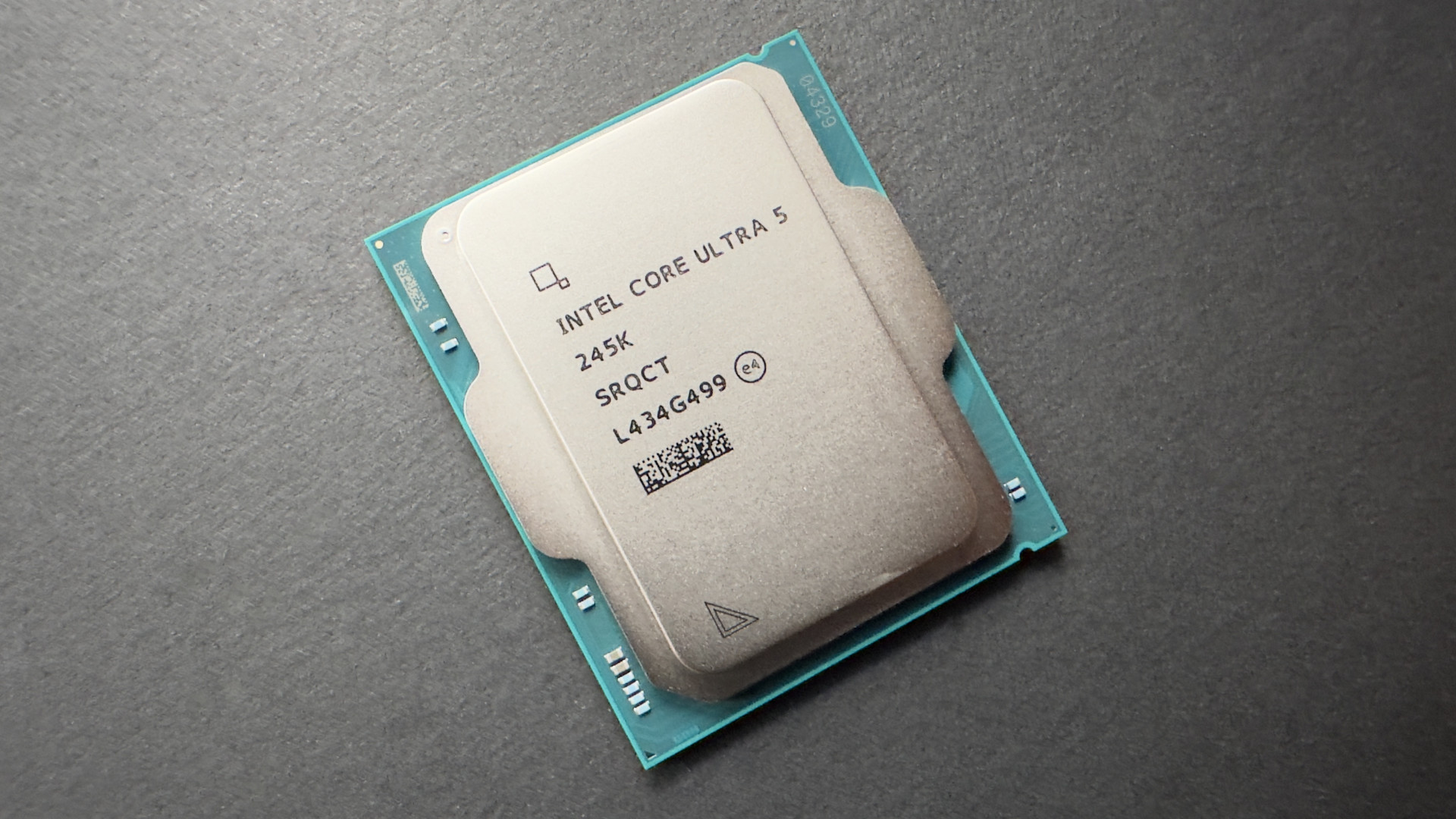
That said, it’s worth noting the Intel Core Ultra 5 245K is definitely not the tippy top of the CPU tier list, but it can also be overclocked. Perhaps Intel plans on K chips even lower down than the Core Ultra 5 ones being part of its future hardware line-ups.
Now, whether you’d even want to overclock low-end chips will be another question entirely. Eking out the most performance only makes sense if power and thermals permit it (and, obviously, if there’s a big enough gain to make it worth it).
In the not so distant past, Intel was the king of the budget overclocking chip. You could pick up an affordable processor and, even if it had locked down multipliers for whatever reason, you could tweak the front side bus and mess around with it to your heart’s content; you could almost guarantee an extra 1 GHz on a ton of old Intel processors. It’s great to see at least some folk at Intel talking about loosening the artificial restrictions on its chips, and maybe going back to those good ol’ days of CPU overclocking.
We’ll have to wait and see what actually pans out in upcoming Intel generations—Nova Lake is what’s next, and it’s expected to launch later this year, though Robert Hallock has not yet specified whether this particular generation will get lower-end chips capable of OCing.
I know that plenty of PC gamers are still having a grand old time with almost decade old hardware (to the GPU crowd still rocking a GTX 1080 Ti: honestly, I’m so happy for you). But it’s fair to say that most gamers don’t feel like they’re getting sufficient bang for their buck these days.
The memory supply crisis isn’t just causing RAM and SSD prices to increase, it’s having a knock-on effect on an array of components. After all, recent reports claim that the global CPU shortage is ‘more acute for processors than memory’. While we wait for Intel’s 18A chips to plug that gap, product shortages often mean higher prices on available stock. Higher prices mean fewer consumer purchases, and that could spell trouble for more than just Intel over the longest term.
While a commitment to making key components more affordable in the future should be music to my ears, obviously any PC is more than just its processors; a cheaper CPU is one thing, but if you can’t find a decently priced, suitable motherboard to mount it into, what’s the point? With component prices reaching for the sky, it’s no wonder this is a longer term goal for Intel.