
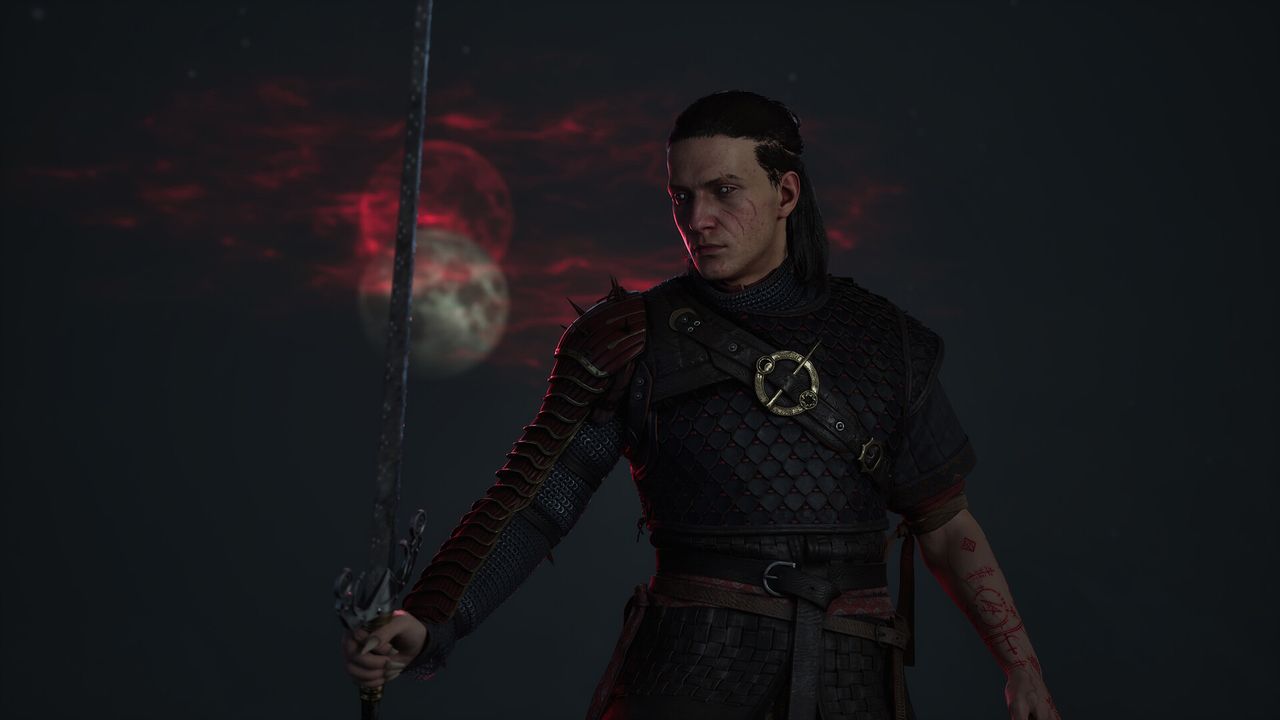
Visiting developer Rebel Wolves in Warsaw earlier this month, one of the first things that greeted me was its slogan, painted in big letters on the wall: “A studio born out of love for RPGs.”
Its first game, The Blood of Dawnwalker, certainly fits the bill—a hugely ambitious sandbox in which half-human, half-vampire Coen must fight to rescue his family and overthrow an authoritarian, supernatural regime.
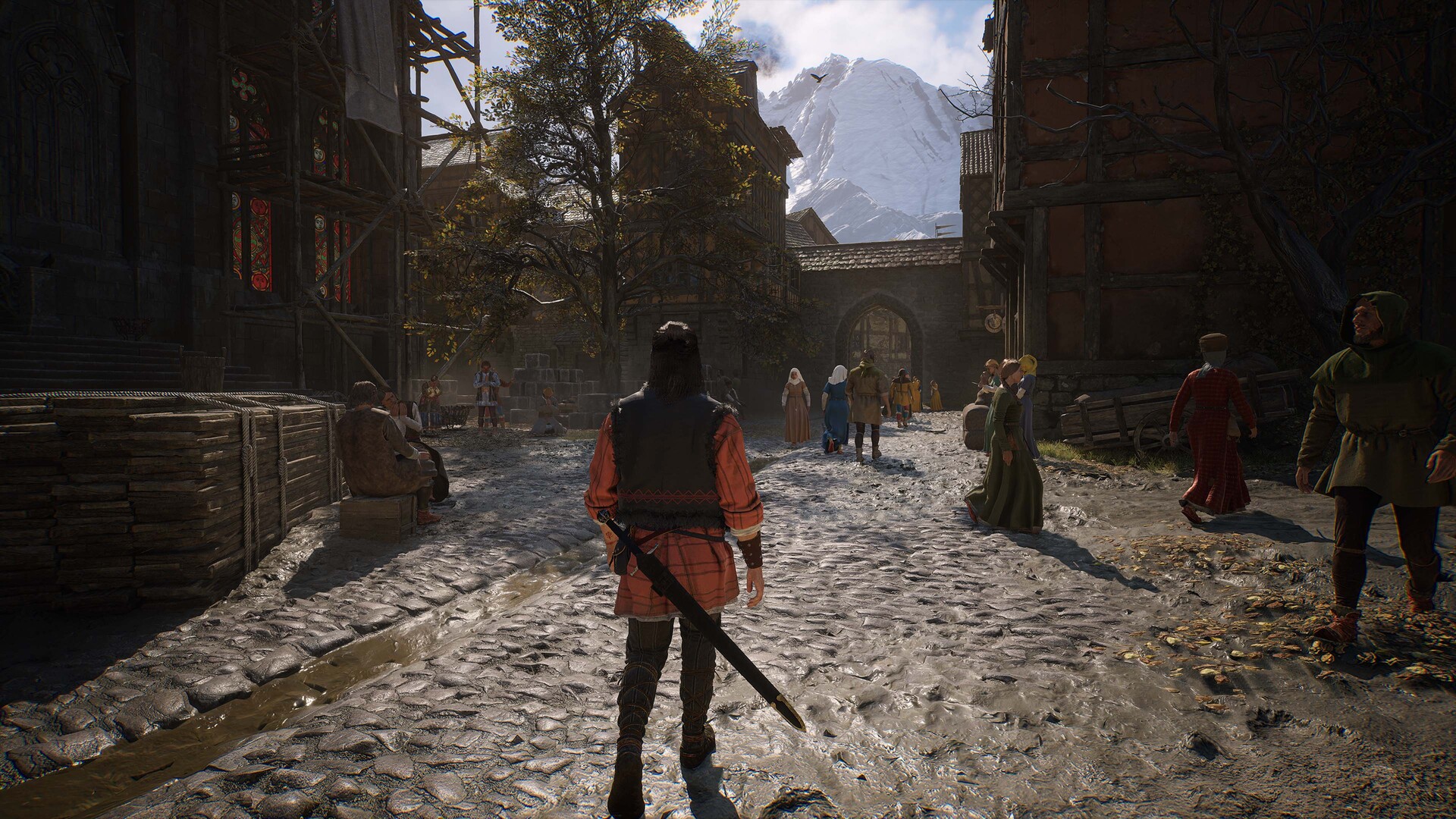
But with RPGs enjoying a huge modern renaissance, I was curious to discover where studio founder Konrad Tomaszkiewicz sees the game fitting into the genre—or moving it forward.
“We are in a really interesting moment,” says Tomaszkiewicz. “Because of the tech and the possibilities of doing immersive stuff which looks great and sounds great. Making the story and creating emotions is in some points harder, because you need to do all this stuff, but the effect is better because you believe what you are seeing on the screen.
“But I also feel that what we need is some fresh ideas and approaches, to boost the immersion and emotions even more. And I think that what we are doing here is not only doing the next RPG, but we’re trying to [expand] how the interactive sandbox will work.”
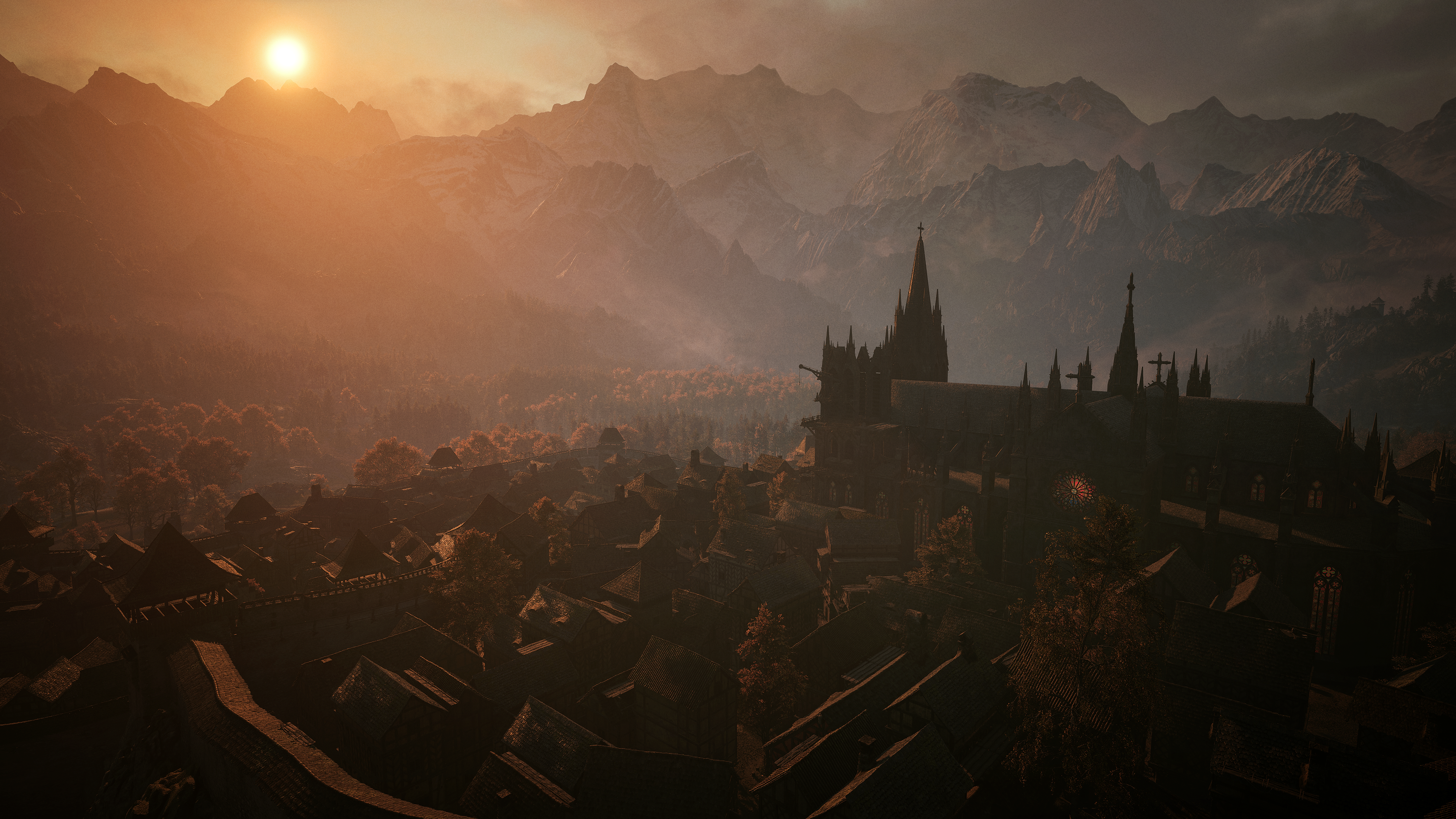
During hands-off demos for The Blood of Dawnwalker, I’ve seen the promise of absurd levels of player agency. The divide between approaching a situation during the day, with more social options and magical abilities, and approaching it at night, with vampiric powers and supernatural traversal, creates what seems to be a dizzying number of possibilities for even relatively small areas. But according to Tomaszkiewicz, that’s only a taste.
“We’re giving even more freedom to players,” he says, referring to “story elements” as well as gameplay and exploration. “Like the main quest, which allows you to complete your goal in many, many ways which you will design.”
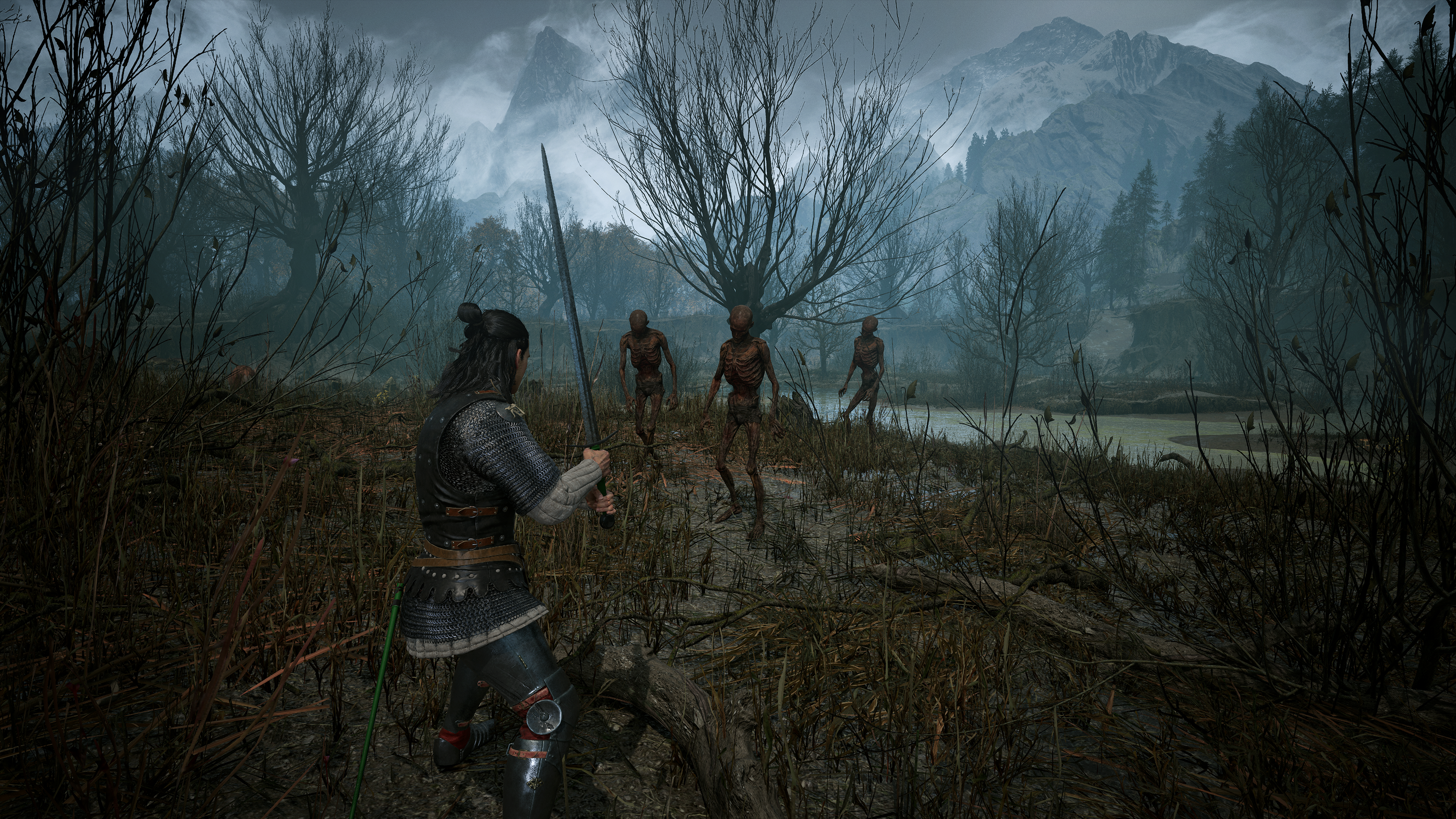
Speaking later in the day to the game’s creative director (and Konrad’s brother) Mateusz Tomaszkiewicz, I get a stronger sense of what this means in practice.
“We’ve structured the game in a way where, after the prologue, you can do basically whatever you want,” says Mateusz. “You have your main goal… but then the other stuff is just quests. We even dropped the naming, like sidequest, main quest, and so on. It’s all basically activities that you can do or not do based on what you prefer.”
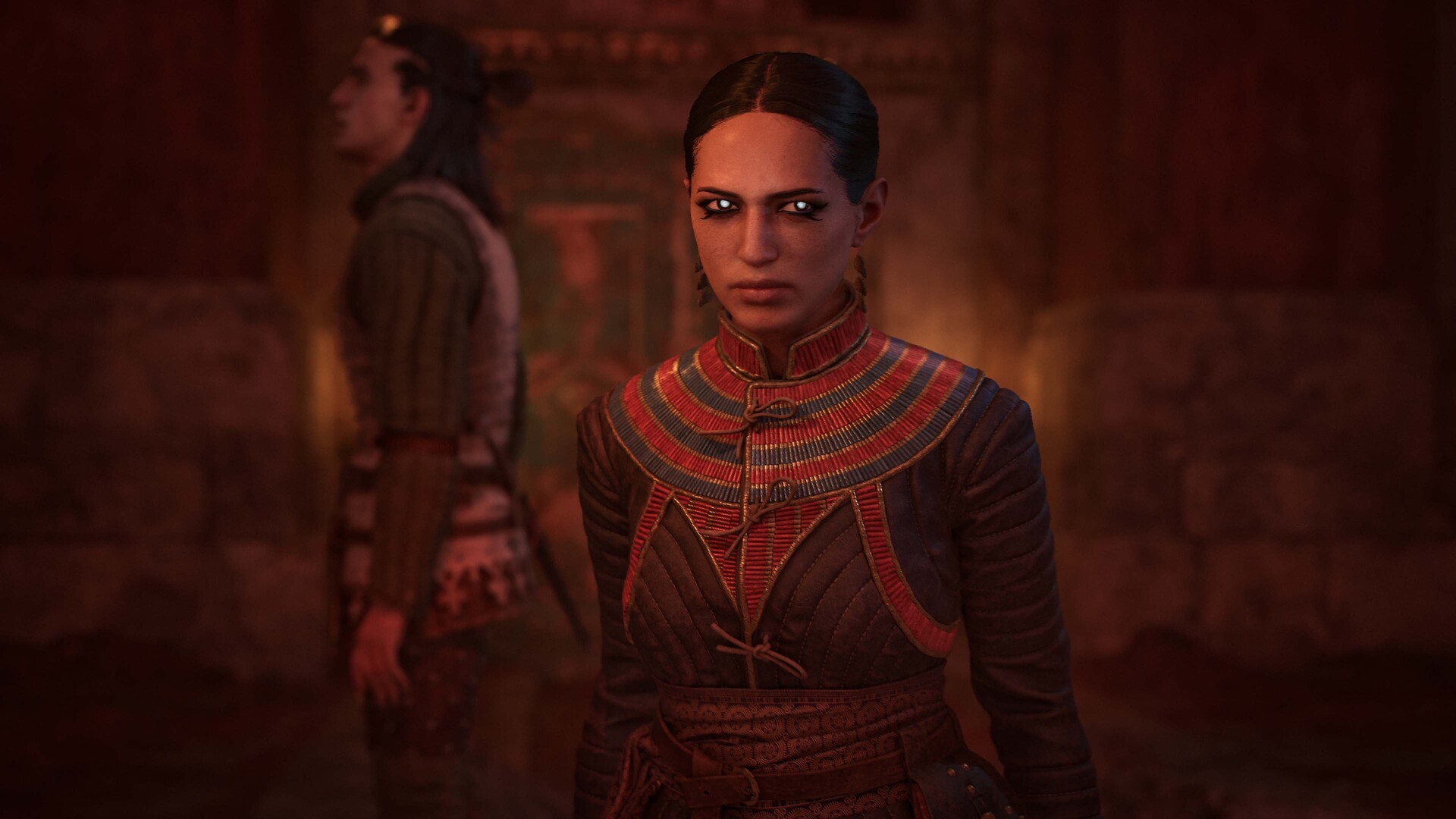
That’s partly a consequence of the game’s time system. You’re adventuring to a deadline: you have to reach the vampire king’s castle and save your family within 30 days. That doesn’t mean your days are always ticking away as you explore, however—instead, time is tied to your choices. Advancing a quest to the next stage makes time move forward a segment, and that can mean losing out on other quests or opportunities. A missing man in the woods, for example, might be dead by the time you reach him if you decide to pursue other leads first.
Not only that, but it’s possible to kill almost any NPC in the game, derailing their quests. It can even happen involuntarily—when Coen’s health is low, he can lose control of his bloodlust and kill a victim against his will.
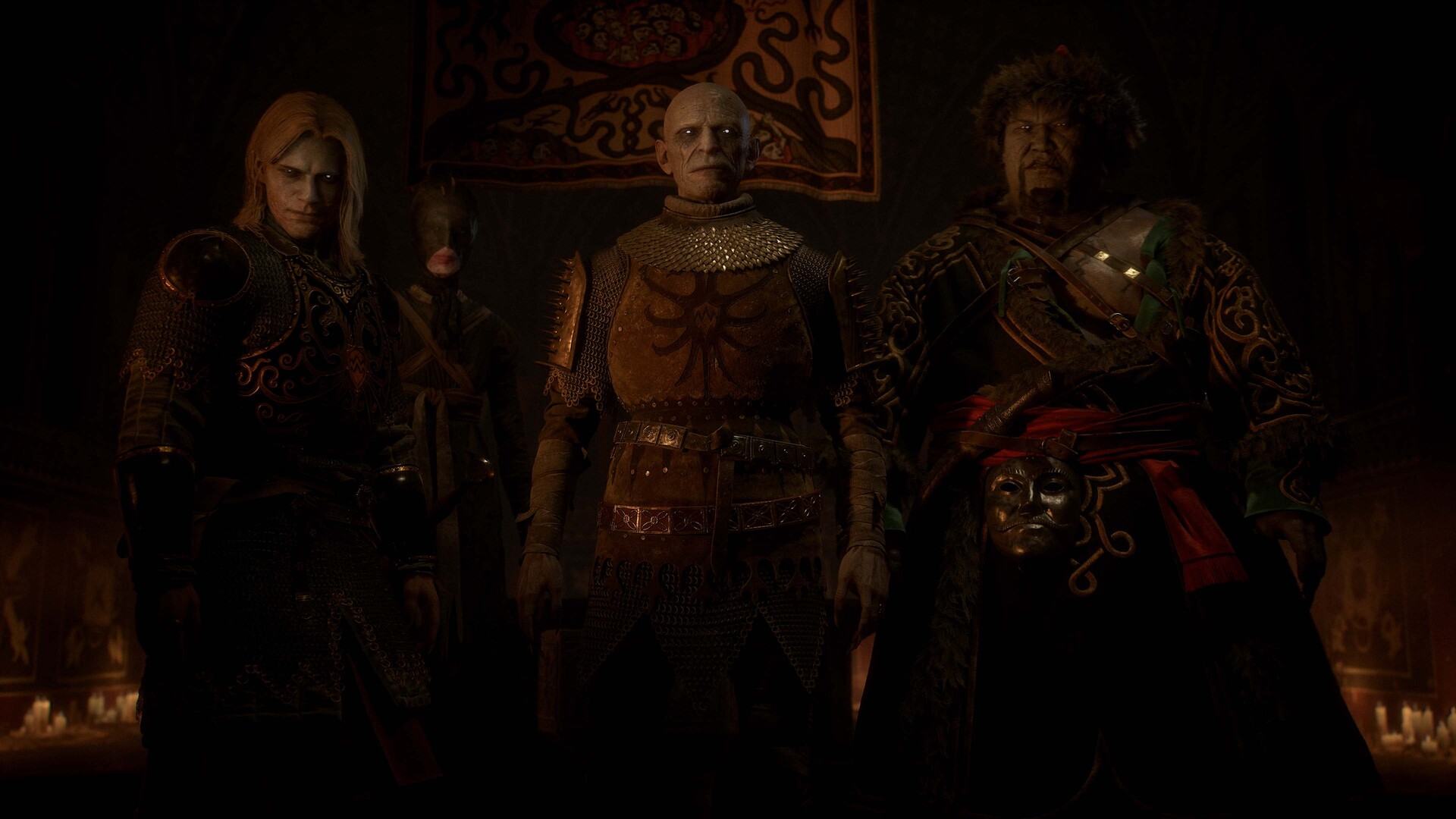
Despite all this, the game is essentially unbreakable, according to Mateusz. You’ll never put yourself in a position where you can’t progress.
“You can abandon plot lines, or cut them short by draining the blood of an important NPC, or just deciding not to engage with these things,” says Mateusz. “If you do all of this, the main goal always works. You can still continue and finish the game. It does not cause a game over screen or whatever, the game doesn’t fall apart.”
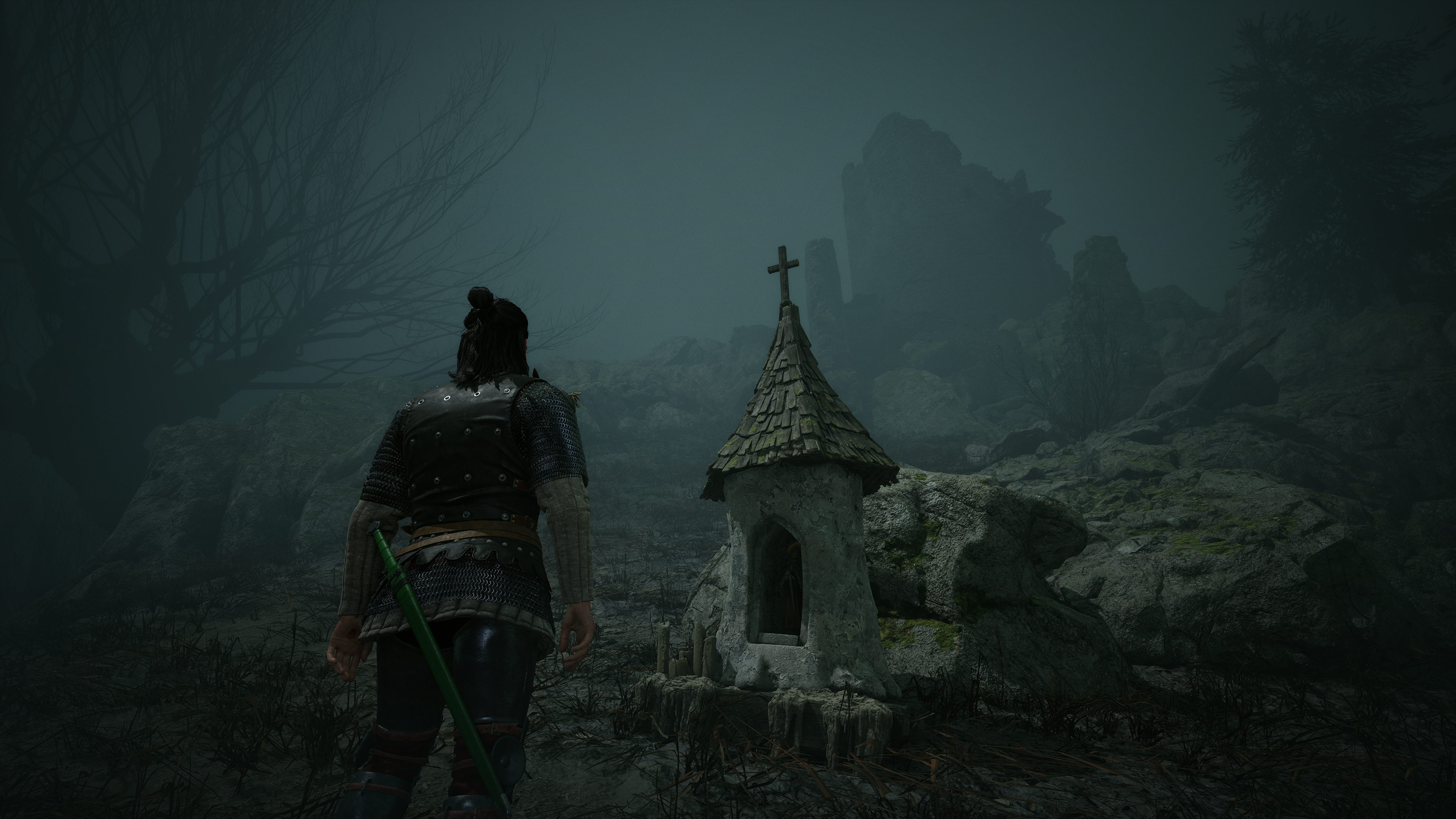
It’s a structure, Mateusz explains, that is partly inspired by the original two Fallout games. (“If you knew where to go, you could ignore all of the quest and everything, and you could go right for the Enclave and finish the game.”) And though Konrad keeps keenly up to date with modern RPGs, noting for example that Crimson Desert’s “approach to freedom and systems” is “really interesting,” when pressed on his foundational inspirations, he reaches back even further into the past, to games like Eye of the Beholder, Stonekeep, and Betrayal at Krondor.
Ultimately, though, one of the project’s guiding lights steps even further back than that, to the medium that preceded all this digital adventuring in the first place.
“It’s like it’s moved closer, the videogame, to pen and paper RPGs,” says Konrad. “And I think that this is the Holy Grail of what we want to achieve. To give you the freedom and give you immersion, which allows you to experience, emotionally, the game in a different way.”
The Blood of Dawnwalker launches September 3, 2026—and we have lots more coverage on the way over the coming days!