
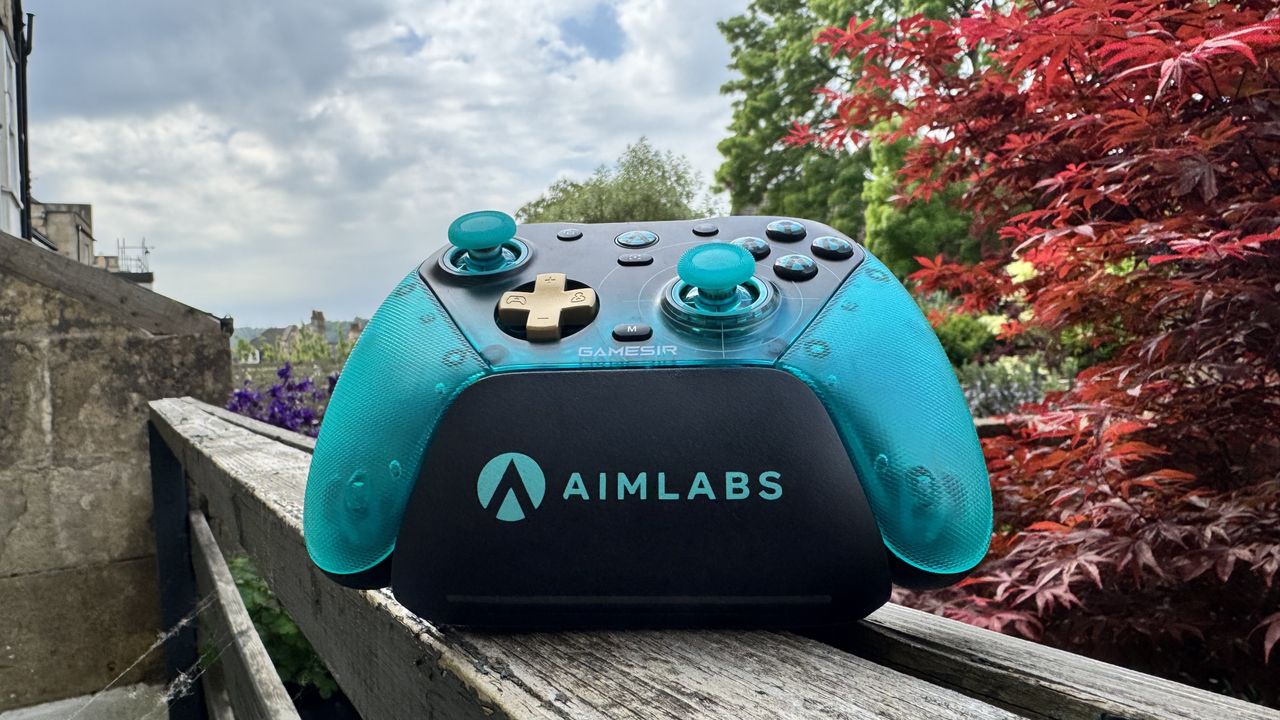
I’ve been a little enamoured with the GameSir G7 Pro ever since our review came out late last year. We’re firmly starting to get pro controllers without pro pricing, with rich feature sets, solid aesthetics, and even charging docks to boot. And, for the average gamer, you no longer have to go north of $150 for a truly luxurious pad.
The GameSir G7 Pro 8K does pretty much everything the G7 Pro does, except, well, it adds 8K polling. I think you could have figured that one out without me. So that’s eight times the polling for just over 10% more cash.
You’re also getting GameSir’s Mag-Res Gen-2 TMR sticks, a handful of connectivity modes, magnetic faceplates and extra joysticks / D-pads. It’s a mighty fine package that impressed me right out of the box. That would mean far less if it didn’t feel good, but after my time with the GameSir G7 Pro 8K, I’m not only happy to make it my day-to-day controller, but I found myself willing to tackle shooters that I would traditionally want my old mouse and keyboard for.
Mouse: PI for Hire is a fast-paced shooter that’s all about throwing you in a room with a bunch of baddies, and only letting you out when you’ve killed them all, yet the G7 Pro 8K’s comfortable sticks, solid grips and precise triggers make it far less tense than you would think. And the game’s length (ie, more than six hours) makes it perfect for controller, as I can get fatigued when I’m hunched over my desk. I feel like I’m not losing as much as I usually do when swapping from the competitive and precise keyboard to the slightly more casual controller.
Compatibility: Windows 10 and 11, Xbox (wired only), Android
Connectivity: 2.4 GHz wireless, Bluetooth, wired
Ports: USB-C, 3.5 mm stereo headset jack
Polling rate: Up to 8,000 Hz
Thumbsticks: TMR
Thumbstick layout: Asymmetric
Weight: 270 grams
Dimensions: 120 x 160 x 64.2 mm
Price: $90
Rocket League fares super well, thanks in part to all the controller’s little extra buttons. The controller has two extra clicky buttons next to the bumpers and two paddles on the back, all of which are programmable. You can swap the trigger from Hall effect analogue ones to micro switch, with just a flick of a toggle, and you can lock the bumpers to stop accidental misclicks too. It’s intuitive, easy to use, and stops me from spamming the back paddles as I wait for the loading screen to finish.
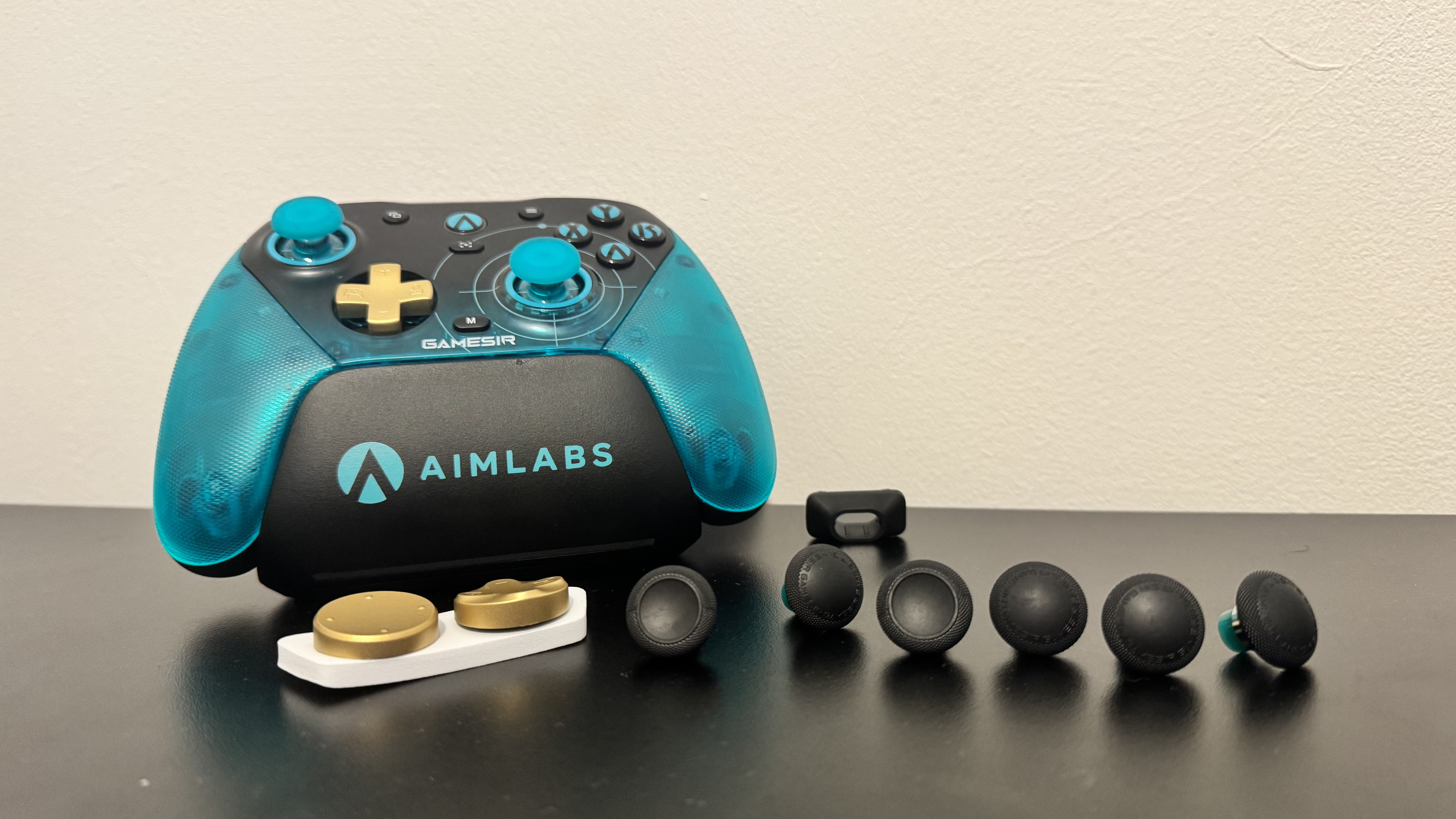
I’m not a fan of the connected D-Pad that comes preattached to the G7 Pro 8K, but I quickly swapped that out for a more traditional one from its box. It’s super clicky, with well-defined buttons. I find the face buttons to give a responsive click, too, but not quite as loud as the D-pad or shoulder buttons. There’s not an inch of the controller’s buttons that I find unappealing, which is a real sight to behold (or hear).
I found myself willing to tackle shooters that I would traditionally want my old mouse and keyboard for.
I also find the G7 Pro 8K to be almost perfect for my hands. It feels fairly light, but certainly comforting to hold, and it’s sturdy enough that I’m not afraid of dropping it. Squeezing it too hard doesn’t cause any flex, and there’s only a slight rattle if you shake it very hard, which I hope you’re unlikely to do while you game. It has asymmetrical sticks, which already makes it rather Xbox-like, but its weight feel and shape also take after Microsoft, and it does it well.
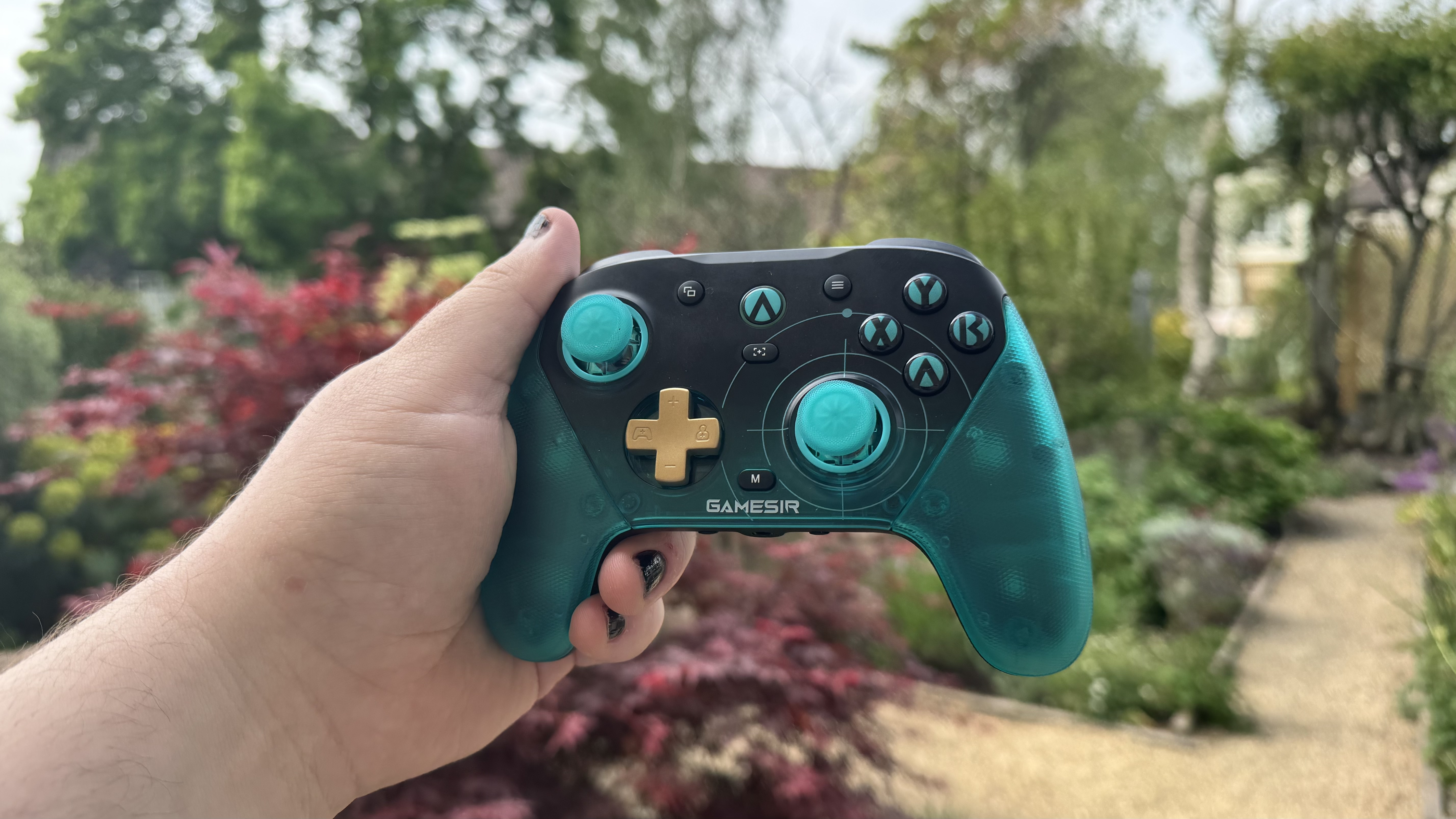
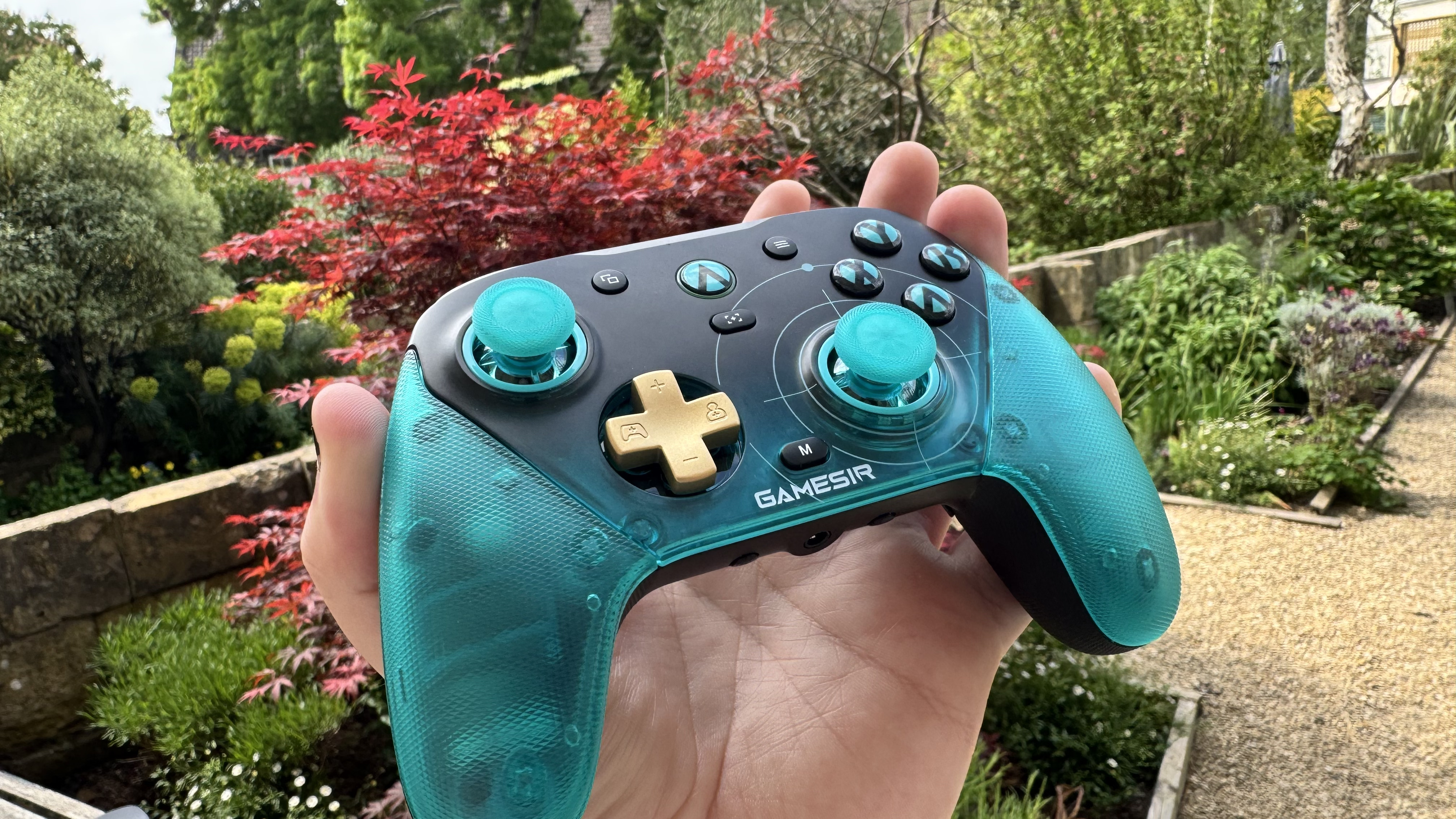
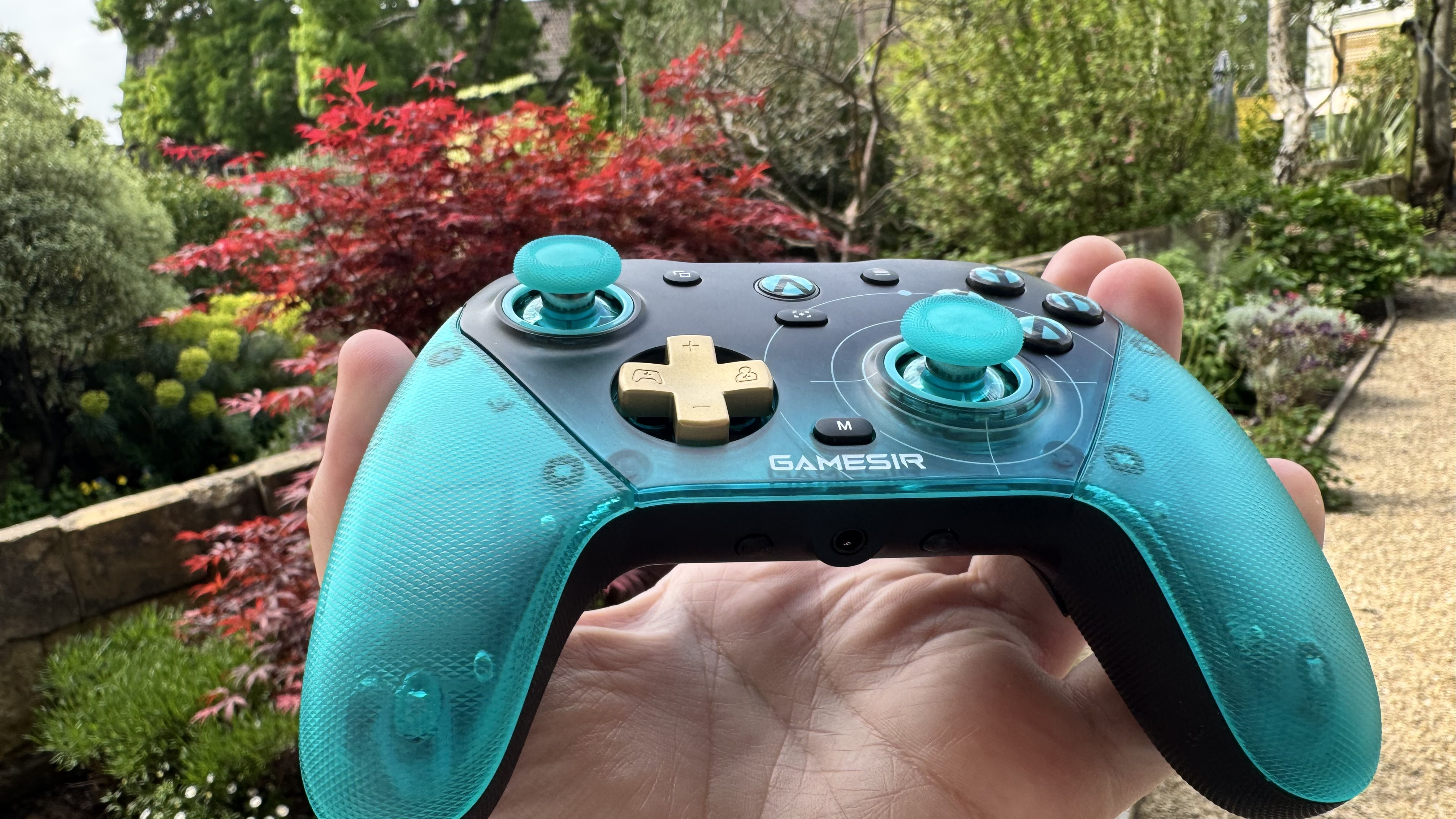
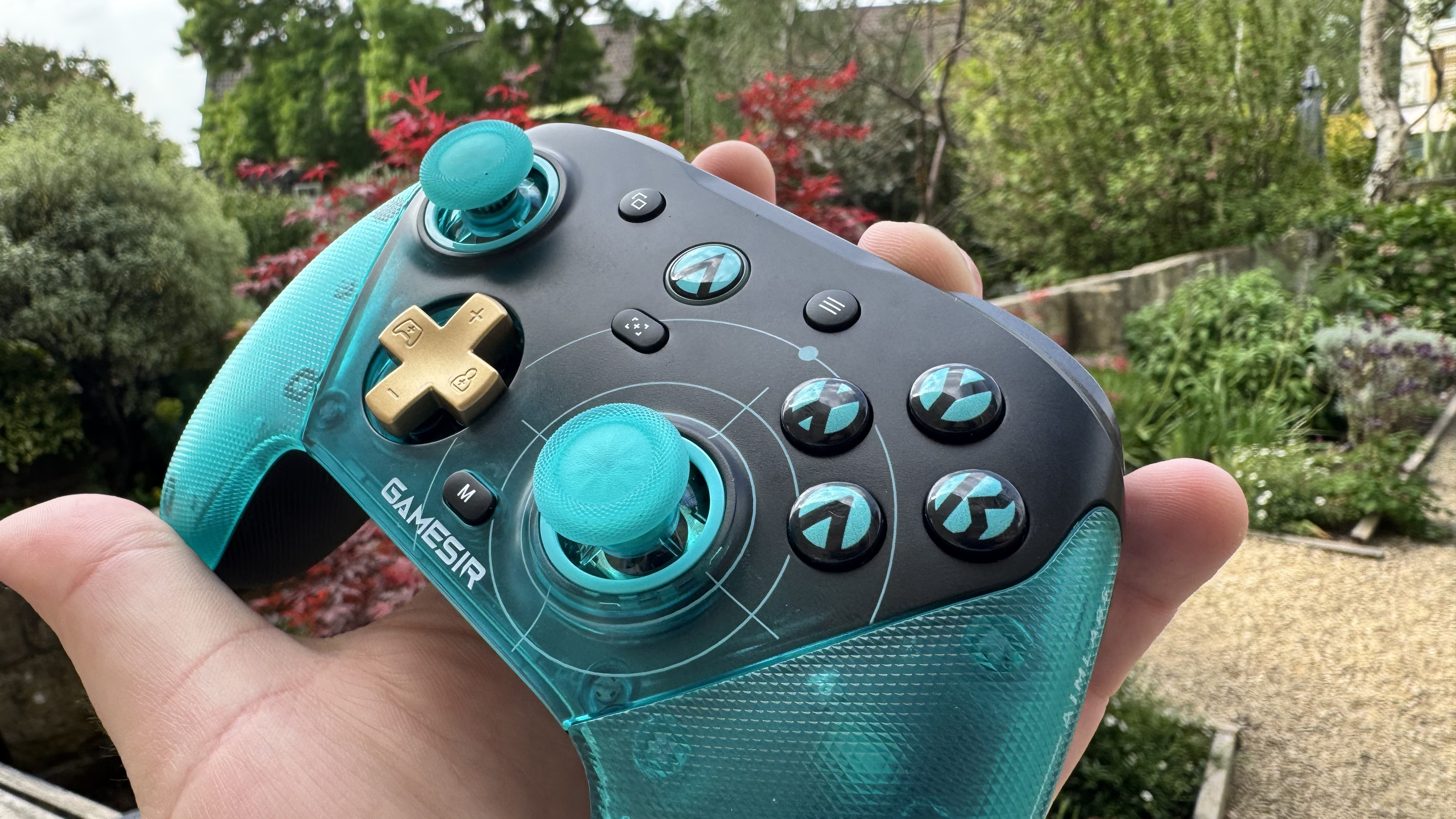
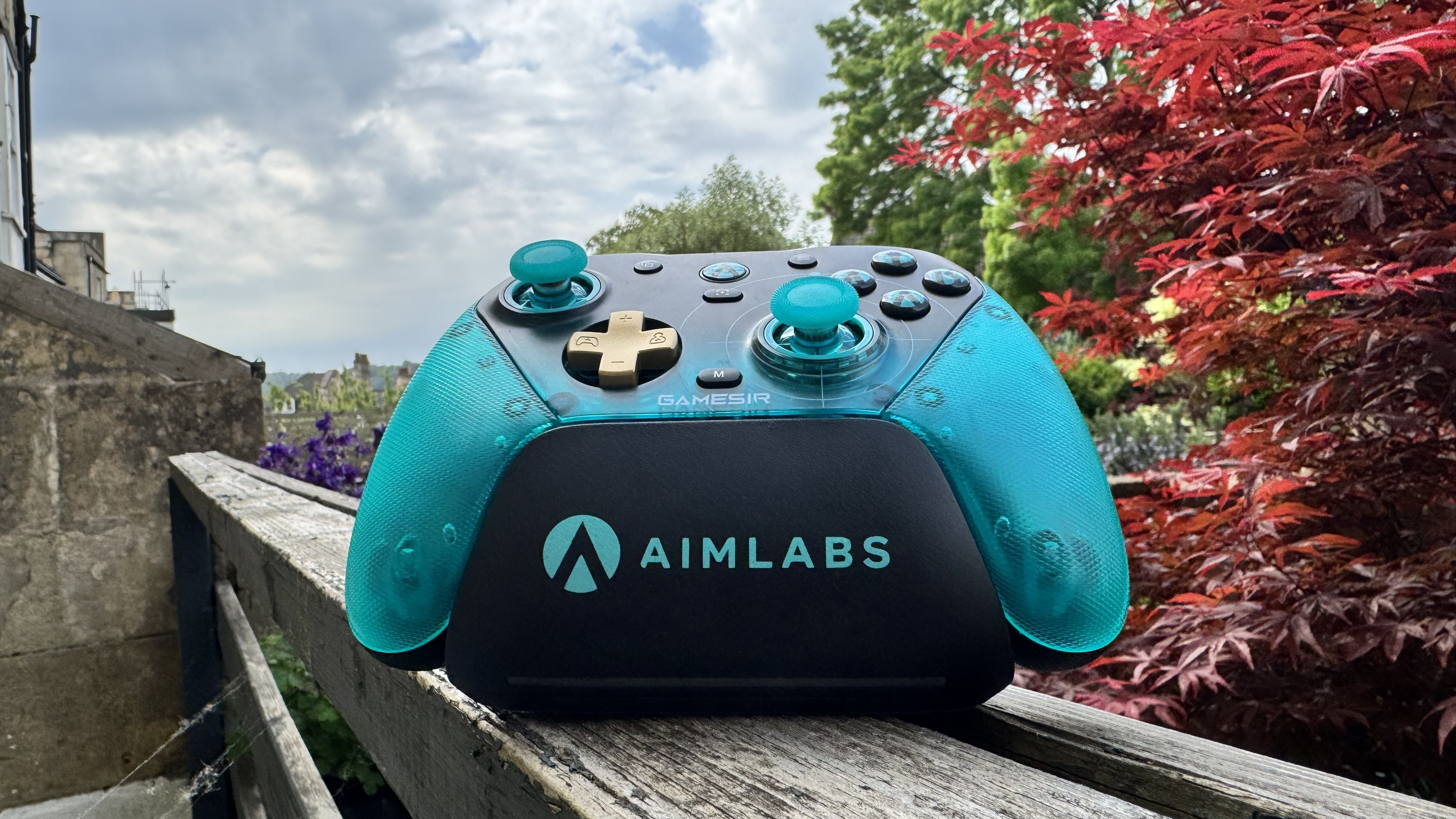
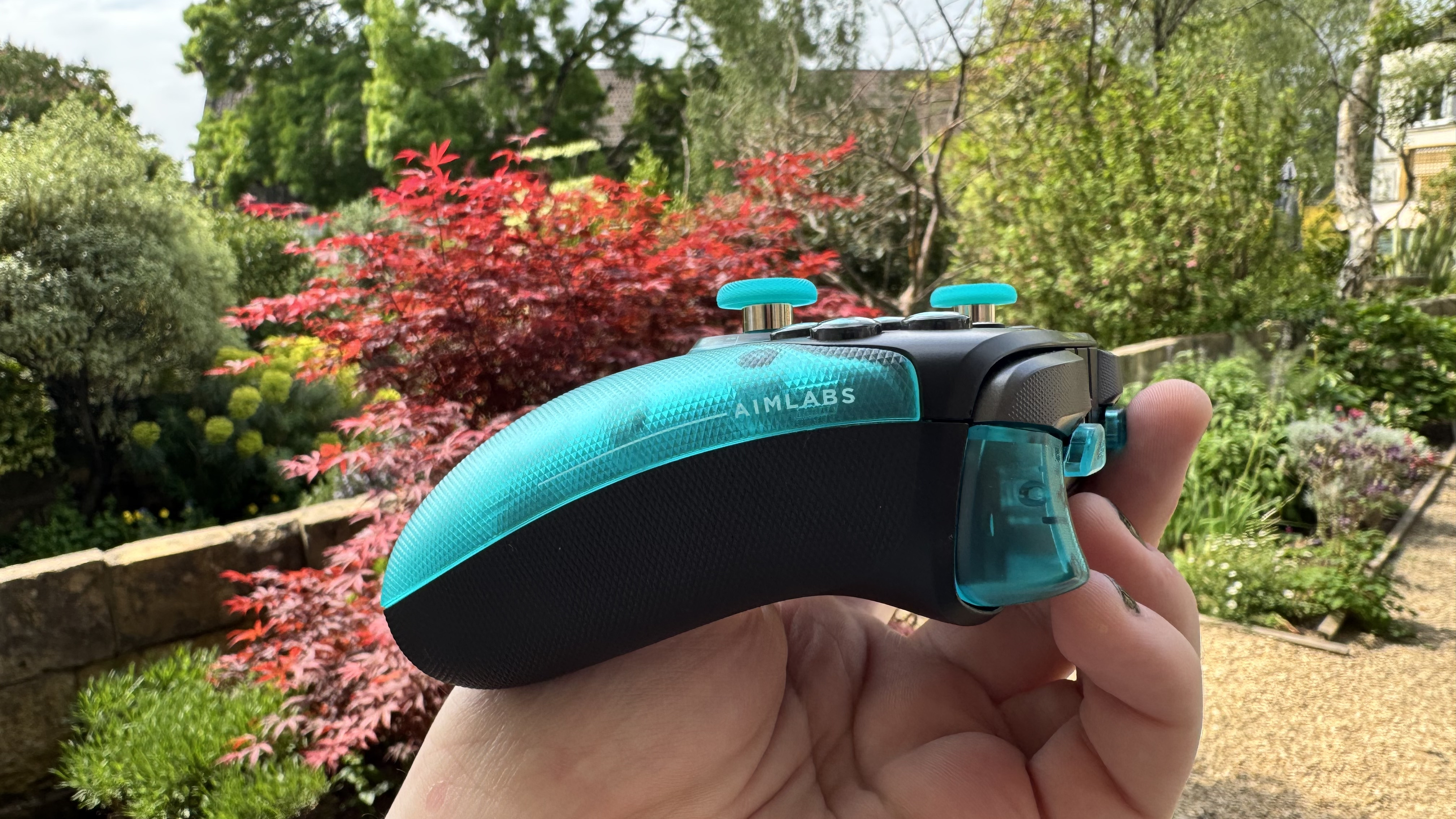
The G7 Pro 8K model I have my hands on is the Aimlabs version. It comes with a flashy mix of blues and blacks, with a golden D-pad. The faceplate comes off, showing the innards underneath, but there are no extra faceplates in the box. I think I prefer the black and red model of the G7 Pro we reviewed, but there’s a golden model and a Nioh 3 model of the 8K on the way in the future. The benefit of the standard red and black model is that its black grips complement other faceplates more than the translucent blue of the Aimlabs model.
For the average gamer, you will not notice the differences between the 8K model and the normal version of this controller. 1,000 Hz polling is more than fast enough, and even if you could pick up the 0.125 ms response time offered by 8K polling, you need a CPU strong enough and fps high enough for that to actually matter.
GameSir says the Gen-2 sticks focus on ‘pro-level performance’ with smoother, more linear control. I personally don’t spot them as being head and shoulders above other TMR sticks, but then again, I’m not a pro. It’s also worth mentioning that, for most, an 8,000 Hz polling rate just isn’t worth taking the battery life hit to use it. At 1,000 Hz, the G7 Pro 8K still performs incredibly well. 8K is a niche, and one I likely won’t even use in a wireless device if given the option. If you’ve got competitive motivations, paying the extra $10 for the polling rate upgrade could be a good shout, but us peasants will be just fine with the normal controller.
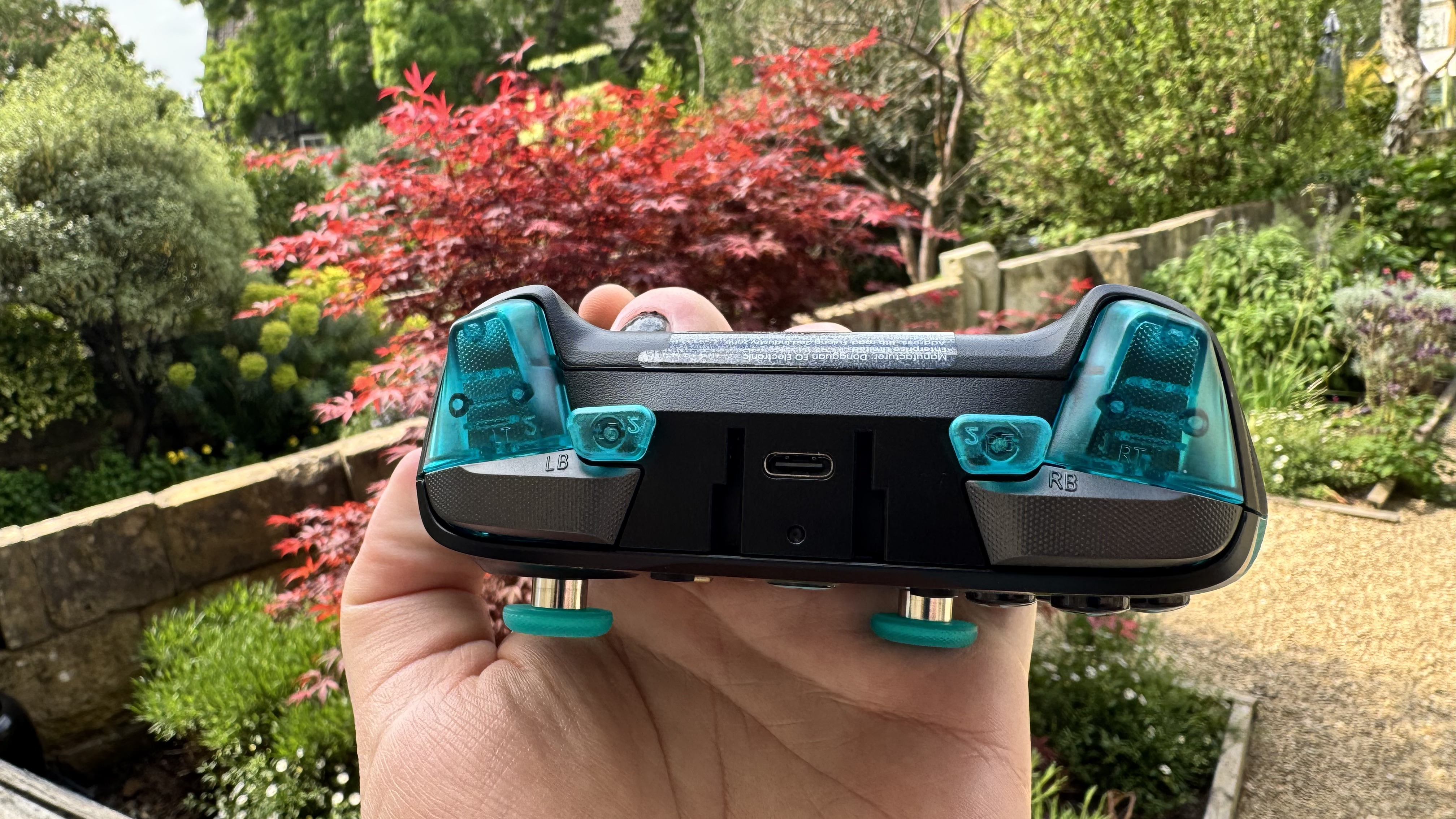
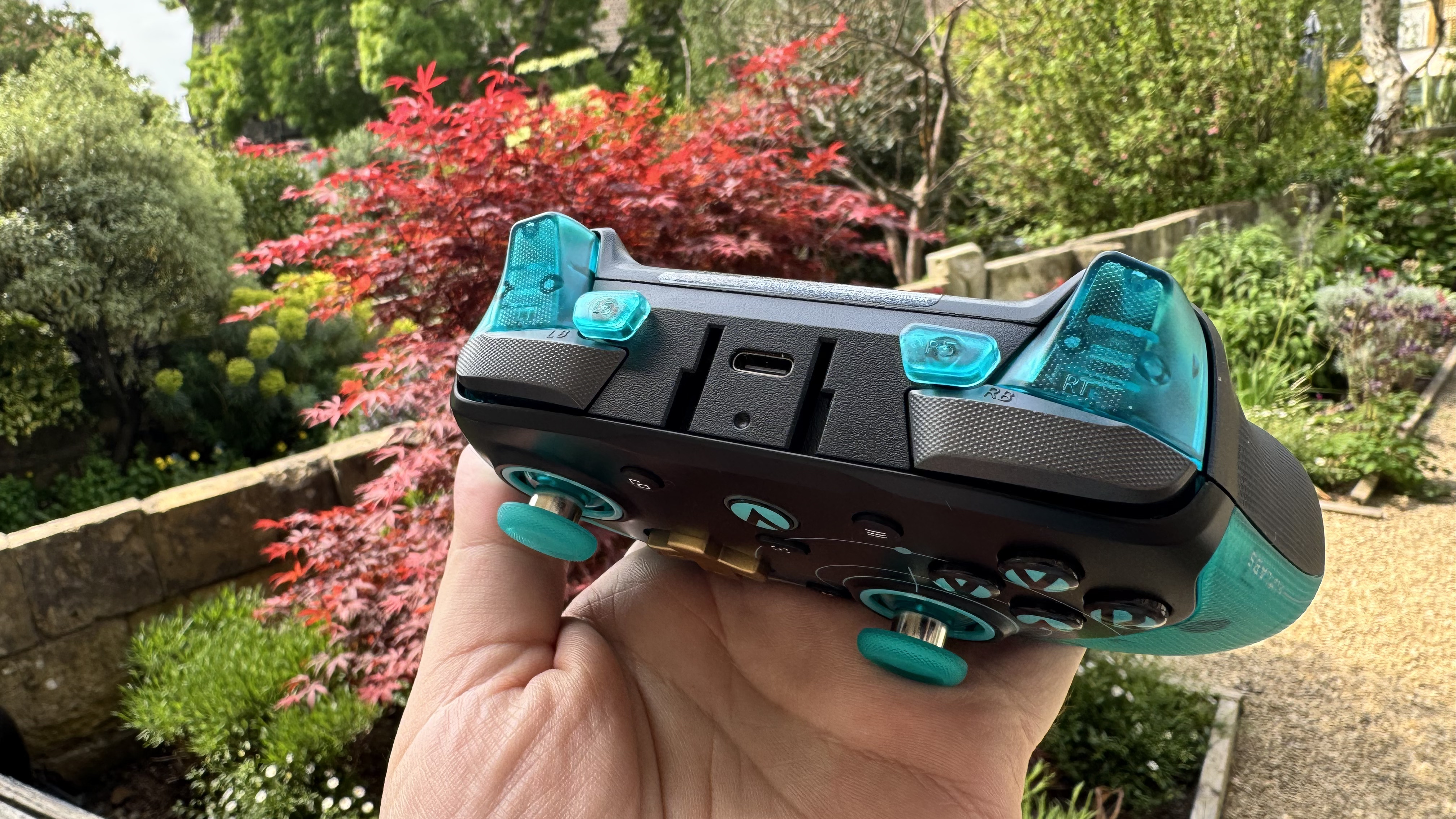
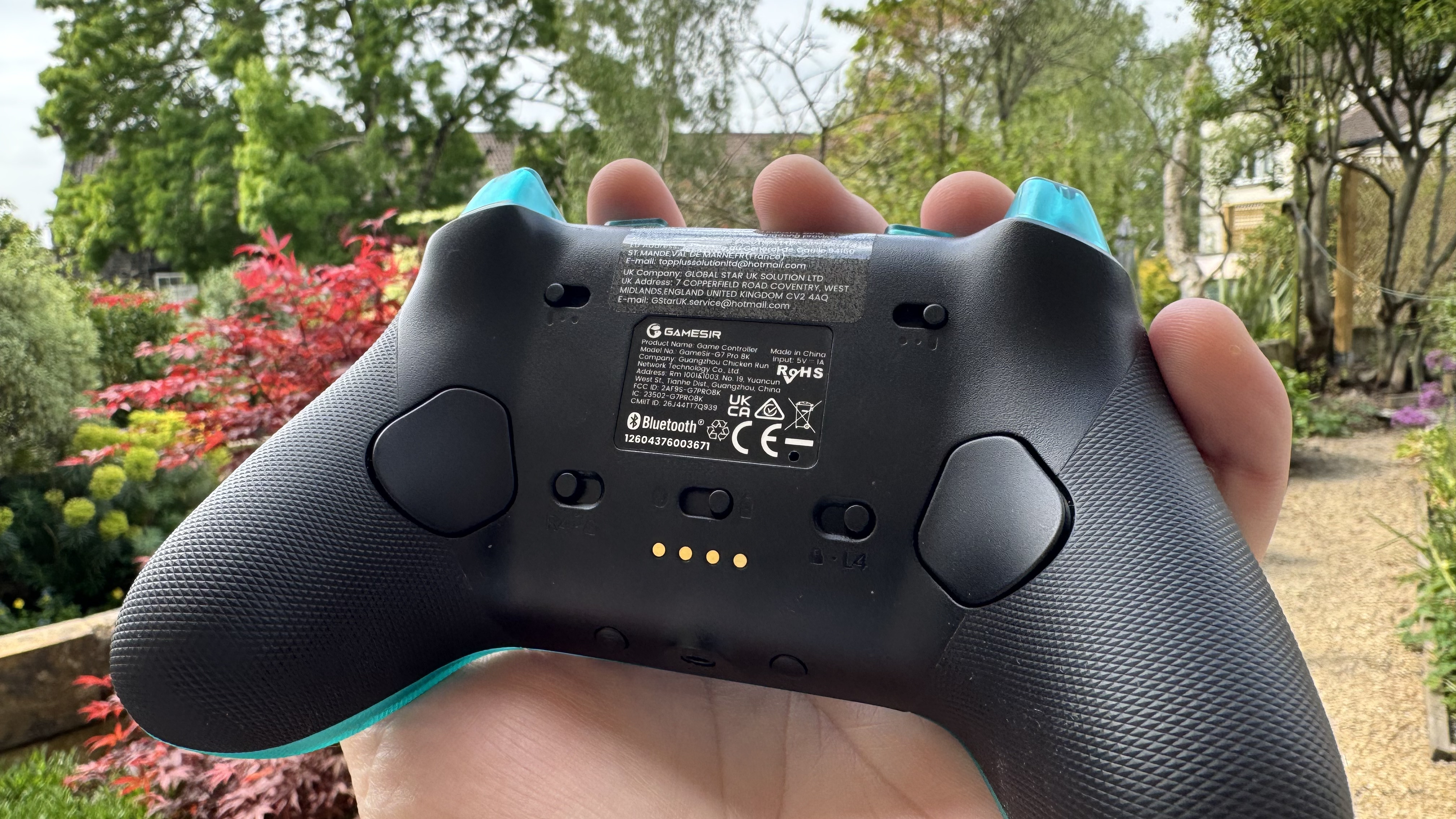
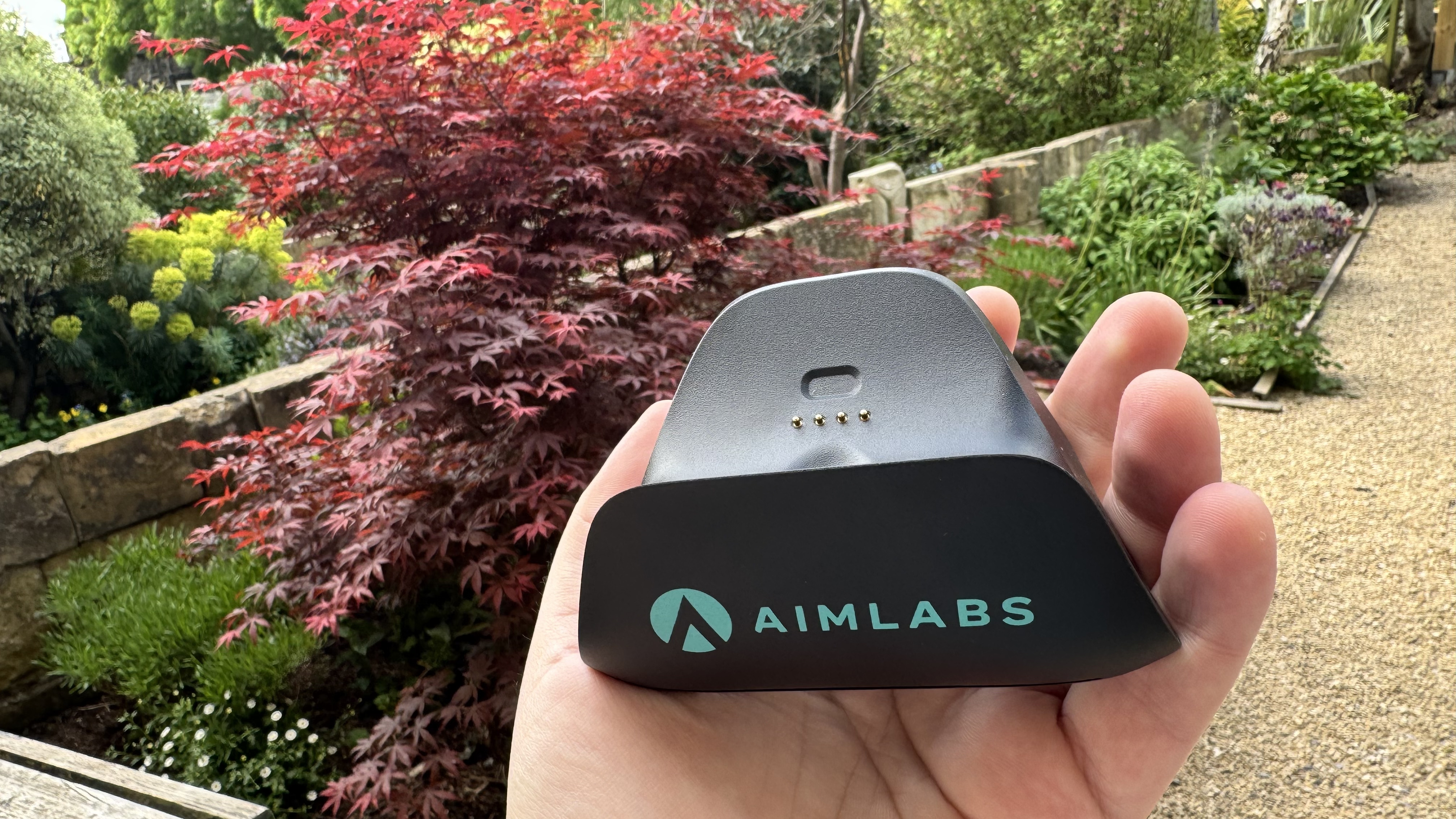
On battery life, it has the same 1200 mAh battery that the G7 Pro has, so expect up to 10 hours at 1,000 Hz and significantly lower at higher polling rates. But it comes with a handy charging dock that also has room for the 2.4 GHz connector, so you can charge and play wirelessly from a single cable. It’s handy, looks tidy, and I’ve managed to avoid the battery ever going dry in my time with it.
One thing worth noting is that the G7 Pro is not the only competition for the G7 Pro 8K. You get TMR sticks, a charging stand, and some flashy RGB in EasySMX’s D10 for $60, though you do only get 1,000 Hz polling.
EasySMX’s D05 bumps the thumbsticks down to Hall effect and offers a different (in my opinion, stronger) aesthetic for just $45. I find the GameSir to be firmer in the hands and more pleasant to use, but the world of controllers is so vast and impressive when you look outside of just what Sony and Microsoft are offering.
Though a tad niche, the G7 Pro 8K also has a 6-axis gyroscope, should you be brave enough to control games like that, and dual motors in the grips for rumble. I did check if using the gyroscope caused any rattle, and I couldn’t cause any through normal play.
It is one of a lucky few to support the controlling method, like the recent Steam Controller, and I could see the market for it getting a bit bigger as a result. The rumble is nothing special, though it contributes to the feel of games, and you are given three different strengths of rumble, should it be a bit too much for you out of the box.
✅ You want the best specs under $100: With tonnes of extra accessories, a super high polling rate, and second-generation GameSir TMR sticks, the G7 Pro 8K is a mighty fine beast.
✅ You like the aesthetic: $10 more than the G7 Pro is just light enough that it could be worth the extra cash for the aesthetic alone. And the extra thumbsticks.
❌ You don’t care about 8K polling: Though the 8K model has better TMR sticks than the standard G7 Pro, is that and 8K polling really worth an extra $10 to you?
❌ You just want TMR sticks and a charging dock: The EasySMX D10 does all that for $30 less. I prefer the feel of GameSir’s offering, but you can get most of its features on a tighter budget.
The GameSir software is fine, which in the hardware world, actually means pretty good. If it’s unobtrusive and makes sense, it’s already at least above average, and I’d say that’s true of GameSir Connect. I do dislike GameSir’s naming convention for software, though, with Nexus and Connect being two different bits of software for different controllers.
I love the GameSir G7 Pro 8k, but I also find myself a tad conflicted over it. It takes what makes the G7 Pro our pick for the best controller and just cranks it up another level, but I’m left asking “how much did it actually need improving?” and “is it worth $10 more?”
Ultimately, the G7 Pro is almost perfectly priced, being just a little more than the likes of the Xbox controller but offering a more appealing package. And GameSir is arguably competing with itself here.
Unfortunately for GameSir, and fortunately for GameSir, the 8K doesn’t beat out the standard Pro in my summation for the majority of gamers. Congrats, GameSir, you played yourself.
It has everything that makes the G7 Pro notable, so it is undeniably a strong and comfortable controller, yet its older sibling offers all that but for cheaper.