
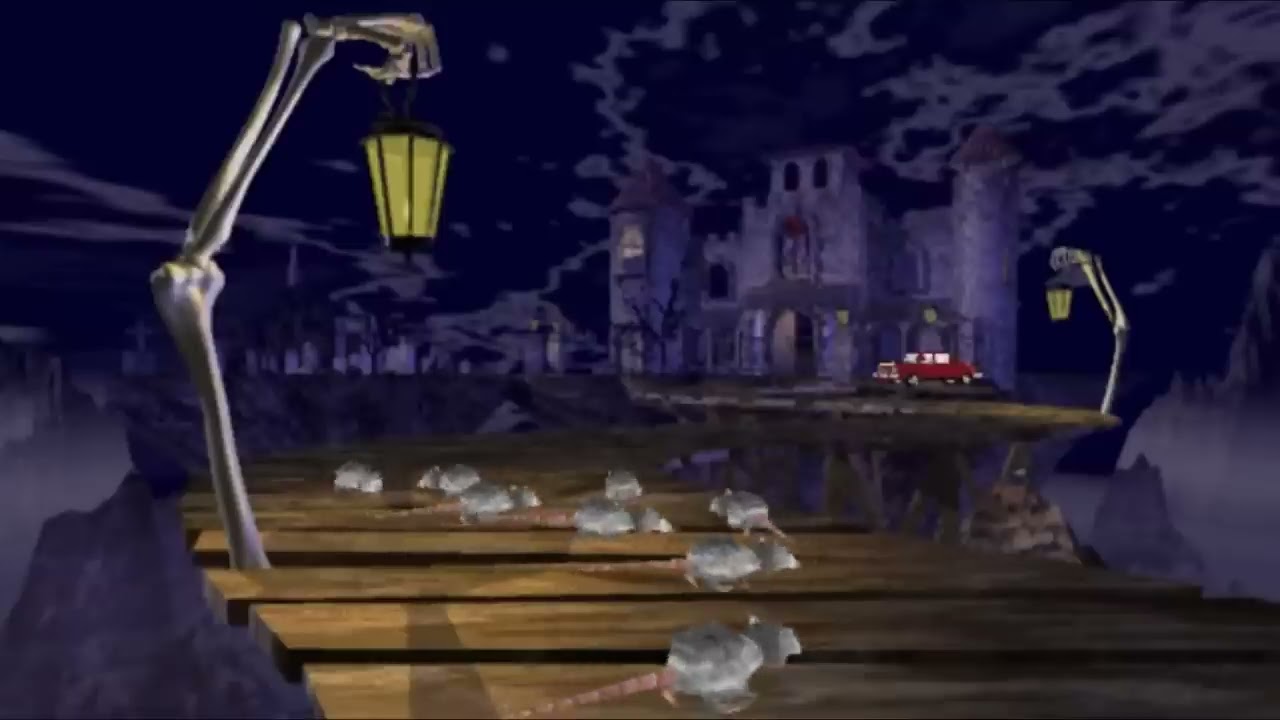
I’m dating myself here, but the operating systems I remember most clearly banging my head against in my youth were Windows 95 and Windows XP. Obviously, plenty of computer interface history predates the panel-style design we’re so familiar with now, and Microsoft has announced fresh efforts to preserve this.
Microsoft has shared the source code for 86-DOS 1.00, a precursor to MS-DOS, via GitHub. Uploaded on the vintage operating system’s 45th birthday, a recent blog post explains that this preservation effort was a more serious undertaking than simply unearthing a bunch of ancient floppy disks and lifting the data. It turns out that the source code for this early version of 86-DOS was not stored digitally.
Instead Tim Paterson, the original author of DOS, had held onto print-outs of code for a variety of things, including source listings for assemblers and “some well-known utilities such as CHKDSK”. In order to present this code as downloadable files on GitHub, someone had to transcribe or scan this material, and then reconstruct the code from the printouts.
Per the blog post, “A dedicated team of historians and preservationists led by Yufeng Gao and Rich Cini has worked to locate, scan, and transcribe the stack of DOS-era source listings from Tim Paterson, the author of DOS.”
For those that don’t know, 86-DOS was originally created by Tim Paterson for an Intel 8086-based computer kit sold by Seattle Computer Products. The Internet Archive hosts even older source code, preserving 86 DOS Version 0.1 alongside a scan of a floppy disk sporting a Seattle Computer Products sticker (via Ars Technica). Even earlier in development, the OS was called QDOS, which was short for “quick and dirty operating system” and leads me to forevermore read ‘DOS’ as ‘Dirty Operating System.’
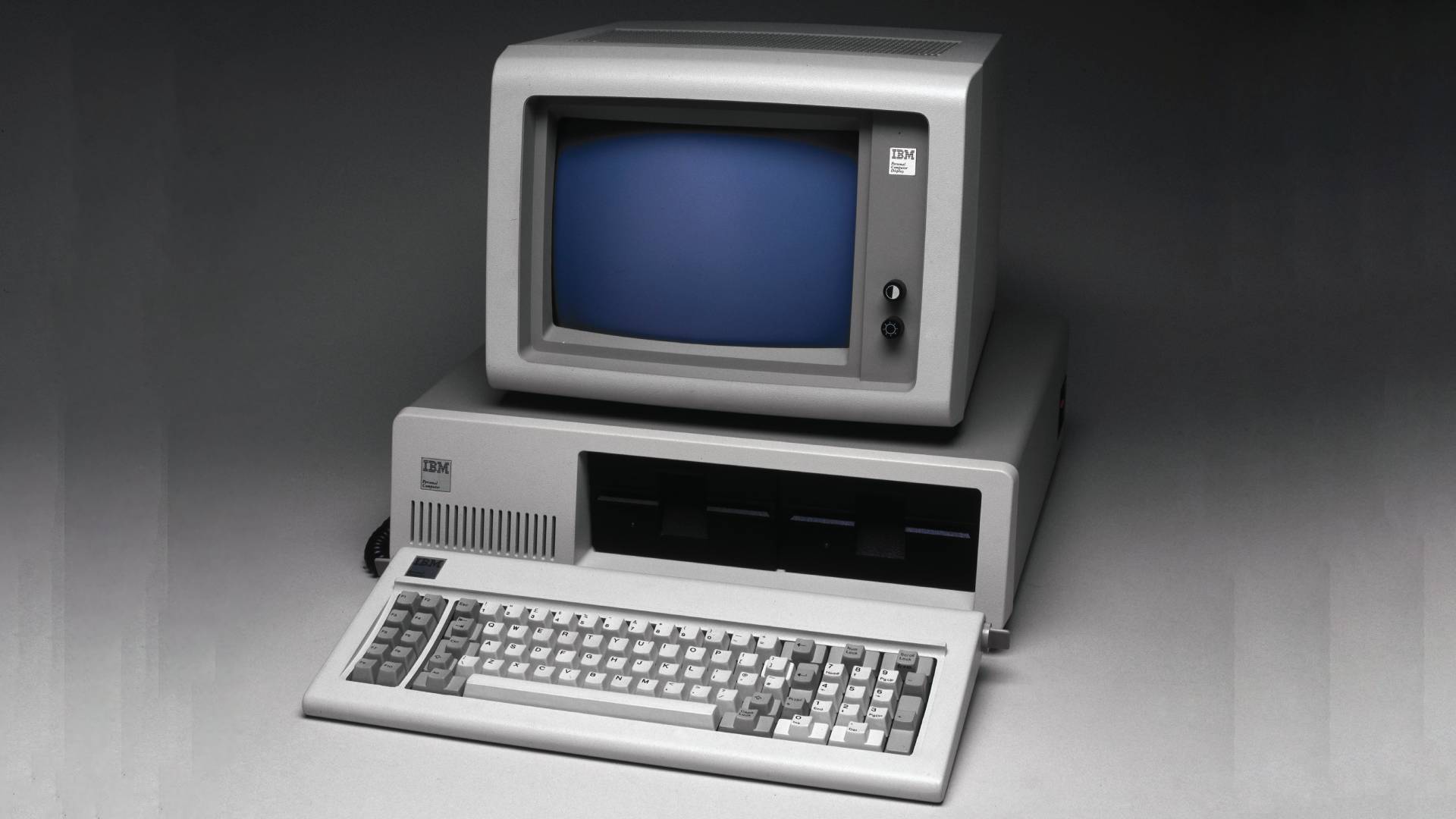
Microsoft licensed 86-DOS for the IBM PC 5150, and hired Tim Paterson to keep developing the OS in 1981. The operating system was renamed MS-DOS in 1982, though it carried on with 86-DOS’ version numbers.
For the computer science history buffs, Microsoft has previously made MS‑DOS 1.25 and 2.0 open source, alongside MS-DOS 4.0. You can poke around the files via the same DOS History GitHub repo. That’s cool and all, but as a child of the ’90s, I’m most excited to have a nose through the open source code for 1995’s Microsoft 3D Movie Maker. Take me back to being a polygonal rat.