
The biggest draw in Resident Evil 9 was undoubtedly Leon Kennedy, but if I’m honest the zombies came in a close second. With yet another mutated strain of the T-virus, these infected are freaky in a whole new way, with many retaining their original memories and habits.
“It’s creepier to see that they’re slightly more human in the sense that they’re repeating certain actions,” director Koshi Nakanishi says during an interview with Eurogamer. “It almost looks like you could go up to them and talk to them and ask them what’s happening. But of course, they wouldn’t be able to reply. And that unsettlingness of them being almost human, but not quite, is something we wanted to use as the core of making them scary this time around.”
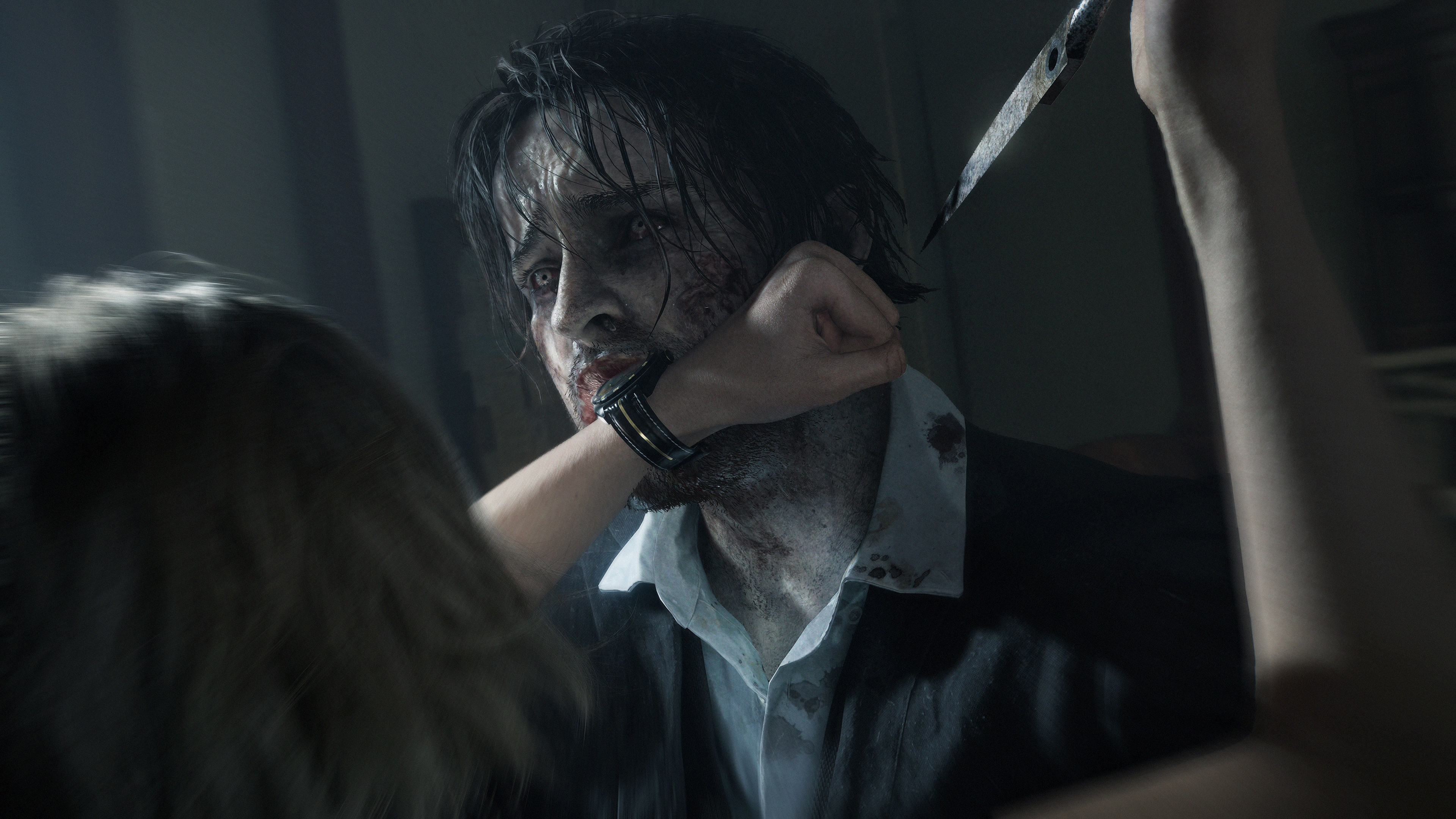
We had cleaning zombies that would scrub furiously at the walls and floors (and your face if you got caught), chungus zombies that couldn’t stop eating, and a couple of BSAA soldiers turned undead that would pepper you with bullets if you got too close.
As Nakanishi explains, the biggest draw of this T-virus strain was really to offer something new for longtime fans who’ve gone through every iteration of the Protenitor virus thus far: “This terrifying idea they were once human, but they’re not anymore. And seeing that reflected back on the person is what makes it scarier than just a monster that was never related to a human being. But we’ve seen so many zombies over the years that if we can’t make them do something a little out of the ordinary or unpredictable, then they start to become more difficult to make consistently scary.”
These new zombies were slightly more unpredictable than previous infected I’d come across—whether that meant taking an IV stand to the face or learning that these infected can not only operate military mortars but are actually pretty accurate with them. I was humbled quite a few times throughout Requiem, but I was better for it—it kept things interesting.
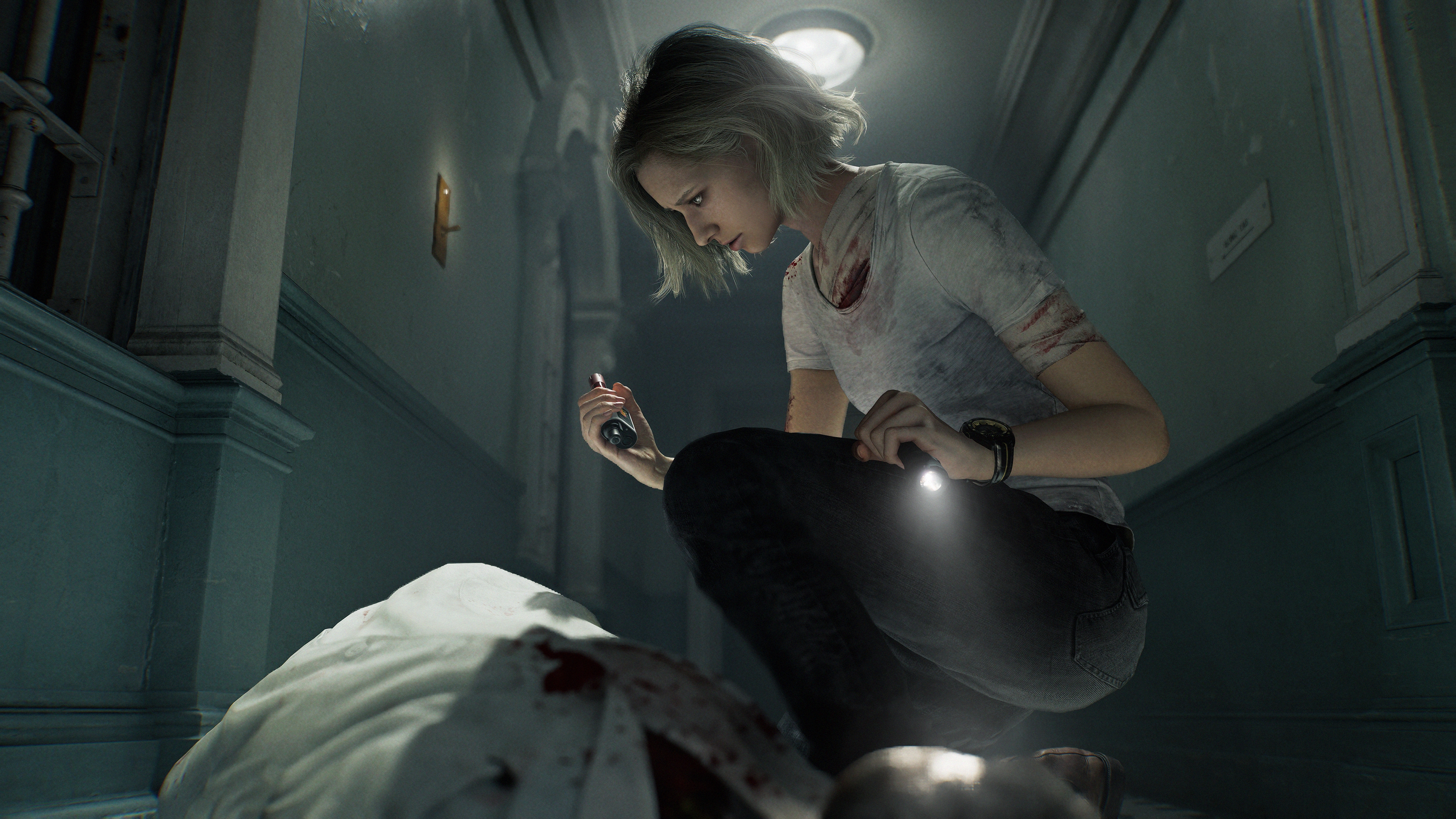
“We want to try and push things in terms of horror and fear,” Nakanishi adds. But there is such a thing of pushing horror too far, and with that in mind finding the balance between these zombies was integral to the flow of Requiem.
“We don’t want it to be so scary and so unbearable that a large swathe of the fan base doesn’t want to play the game or can barely keep going,” Nakanishi says. “So there’s always a sweet spot to try and hit where it’s an addictive kind of fear, where you’re scared, but you want to keep going, to keep having that thrilling experience.”
“It can be scarier in scenes where there aren’t any zombies yet,” producer Masato Kumazawa adds. “Because the tension of not knowing where they’re going to come from, or if they’re going to appear at a particular moment, can be scarier than the specific moment you actually encounter a zombie. So that pacing of when to introduce a zombie into a scene or into a section of the game is really important; I think maintaining that tense fear throughout is what I’d say is scarier to me than just a jump scare or having constant threats.”
Rhodes Hill Hospital was by far the scariest part of Requiem. Everything was still fresh, unknown, and playing as Grace in first-person during these early stages provided some of the worst (and best) scares I’ve encountered in a Resident Evil game. Leon’s sections balanced this out with masses of unapologetic action, and as time went on the zombies became less scary and more predictable, but it was fun while it lasted.
2026 games: All the upcoming games
Best PC games: Our all-time favorites
Free PC games: Freebie fest
Best FPS games: Finest gunplay
Best RPGs: Grand adventures
Best co-op games: Better together