
Prokop Jirsa didn’t plan for any of this.
“There was no 10-year plan to become the lead designer or director,” says the Kingdom Come: Deliverance 2 lead designer and one of two recently-anointed creative directors at the game’s maker, Warhorse Studios. “Never. I just really like making games and playing games… When I joined the studio, I thought that I would go back to a proper job sometime in the future. It never occurred to me that I would be here 12 years later.”
It’s probably to our benefit that Jirsa’s not the type to map out his life trajectory: a man with a 10-year plan would likely have picked a firmer footing for his future than a studio pitching an achingly realistic RPG about Czech history on Kickstarter.
But Jirsa, more or less on a lark, did just that a little over a decade ago in 2014, during his last few months at university. “It would never occur to me that I could work in game development,” he recalls, “but I was always a huge gamer… so when I saw the information that Warhorse was looking for somebody—for quite a lot of people, back then—I immediately said ‘Well, I have time.'”
One minor but immediate issue was that Warhorse seemed mostly to want people who had, well, game dev skills, and Jirsa had spent his time at university working on economics and business administration. “I was going through the professions they needed. I would see ‘Engine programmer’: I don’t know anything about it. ‘Character artist’: what the hell do I know about that?”
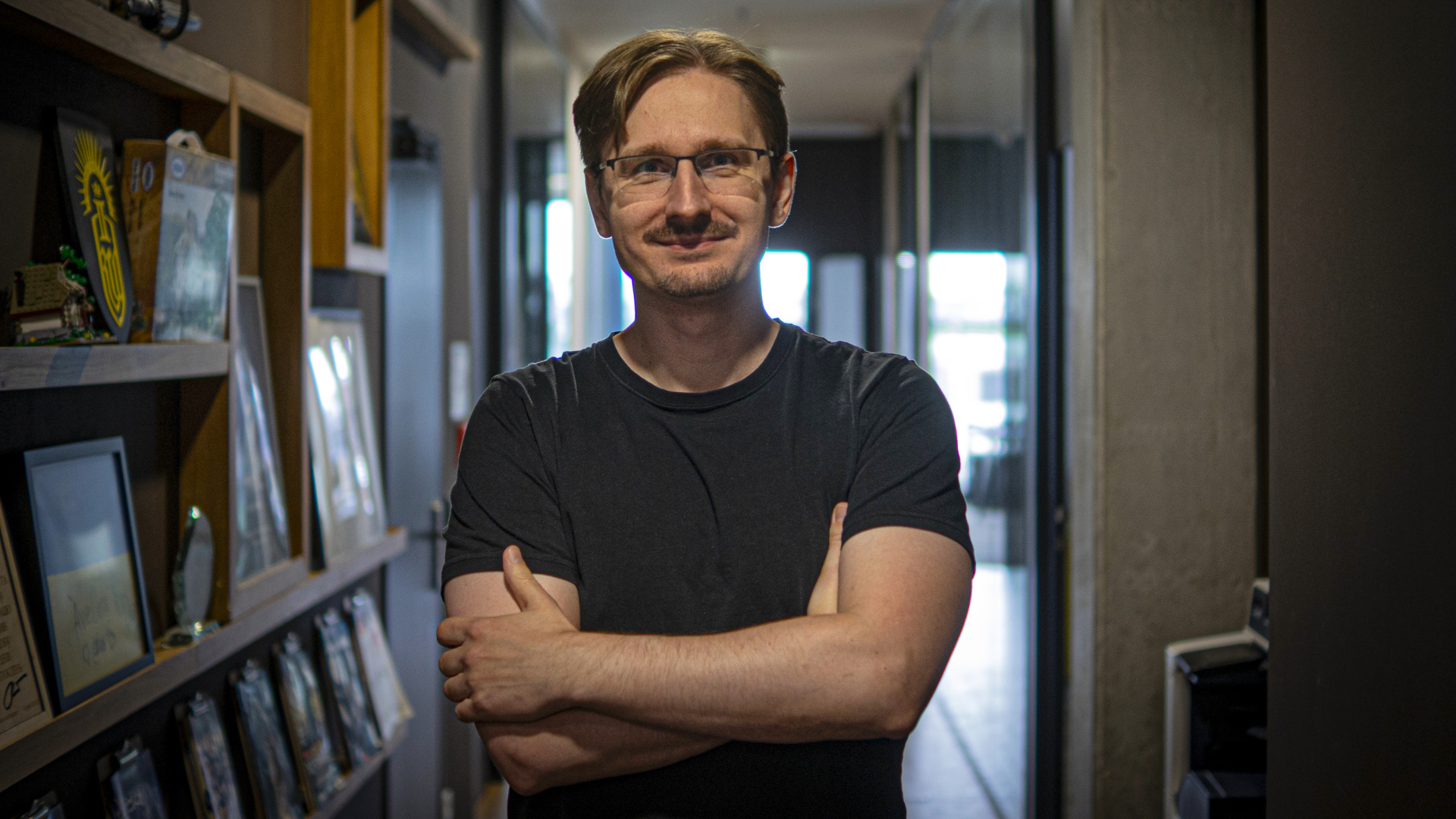
Jirsa’s in at Warhorse was a less specific position: “When I scrolled down to ‘Designer needed’—because back then, we didn’t even have distinctions of narrative designers and systems designers and open-world designers, just a ‘Designer’—I said, ‘Well, I can try.'” Warhorse took him on. Jirsa didn’t shed his ‘along for the ride’ mentality: “I only asked about the pay, like, I don’t know, 14 days after I was hired.”
There is something especially Czech about this sequence of events, says Jirsa. “In the Czech Republic [at the time]… there were not many people that were able to have a proper education in game development. Basically, there are no programs in the Czech Republic.” Jirsa may have been a rank novice, but so was “most of the company,” he says. “It still is! We mostly hire juniors and we train them up. Back then, and even now, we are used to people that join us and don’t know much.”
Of course, in 2014 there was every chance Warhorse wouldn’t last long enough to teach Jirsa all that much. The studio was just three years old at the time, and was preparing to launch its Kickstarter for Kingdom Come: Deliverance. This was not quite the studio bosses’ ideal scenario for getting their game made. “[Kickstarter] was plan D, or F, or G, or something like that,” recalls Jirsa.
Studio bigwigs “were going all around the globe showing this and saying, ‘Listen, we have this great thing potentially. Give us money, we will deliver.'” They even threw together a rather tantalising vertical slice, but no publisher was champing at the bit to fund a deliberately obtuse RPG where your character had to literally learn to read. It was ‘no’ after ‘no.’
Jirsa was joining a studio whose life expectancy might be measured in months. “Basically they really, honestly didn’t have money for more than several months,” he remembers. “So they were hiring me, but if the Kickstarter didn’t go through successfully, it would be, like, a two or three-month job.” But on the bright side, that did give Jirsa’s economics and business admin degree an unexpected workout: “I didn’t design any quests for a few months. I didn’t do any proper design work. I was helping with the Kickstarter in any way I could.
“I honestly think if I’d had all the information [before] the decision to join a gaming studio, I might have been more cautious.”
First time, long time
Fortunately for Jirsa, the first Kingdom Come’s Kickstarter was a phenomenon—a successful part of that early crop of videogame Kickstarters that sought to please an underserved market of old-school sickos. Its relatively humble initial goal of £300,000 turned into an overall take of £1.1 million.
Which is not enough money to make a videogame. But like plenty of Kickstarters, the point of it was to convince the real moneybags that there was genuine interest in Warhorse’s weird game. “Kickstarter was extremely successful, even more than we hoped for,” and the number kept increasing as punters pre-ordered the game after the initial campaign wound up. “So we were able to get enough money to convey that there’s real demand. And the rest of the development of Kingdom Come one was financed mostly by [an] angel investor,” says Jirsa.
With KCD1 funded and Jirsa’s contract at Warhorse looking much more likely to last past his first three months, the design part of his designer role kicked into action. I asked Jirsa what the big challenges were with Warhorse’s—and his—first game. His answer: “Almost everything.
“I honestly think if I’d had all the information [before] the decision to join a gaming studio, I might have been more cautious.”
Prokop Jirsa, reflecting on the blissful ignorance of youth
“I still don’t know how we managed to actually release the game, because we were really such a few people [working] in such a short timeframe.” In addition to the problems posed by raw numbers—staff, time, budget—Jirsa also had to accommodate himself to the snail’s pace of game development: “How slow and how many people have to work on some things to be really nice and polished. It takes months, sometimes years.”
Perhaps also slowing development down was the fact that KCD1 was not the product of a rigid design bible or a set of top-down edicts about what the game should be. It was a gestalt of its makers’ obsessions. “Kingdom Come 1 and then Kingdom Come 2—obviously, because it is a sequel—was really influenced by the people that were hired,” says Jirsa.
“We never had… super-described design pillars, or all of these, let’s say, more professional ways to ensure that the whole company follows or aims for the same goal.” What it did have was a lot of devs who vibrated with enthusiasm for old-school RPGs and a creative lead—Daniel Vávra—whose focus was on a “strong story”.
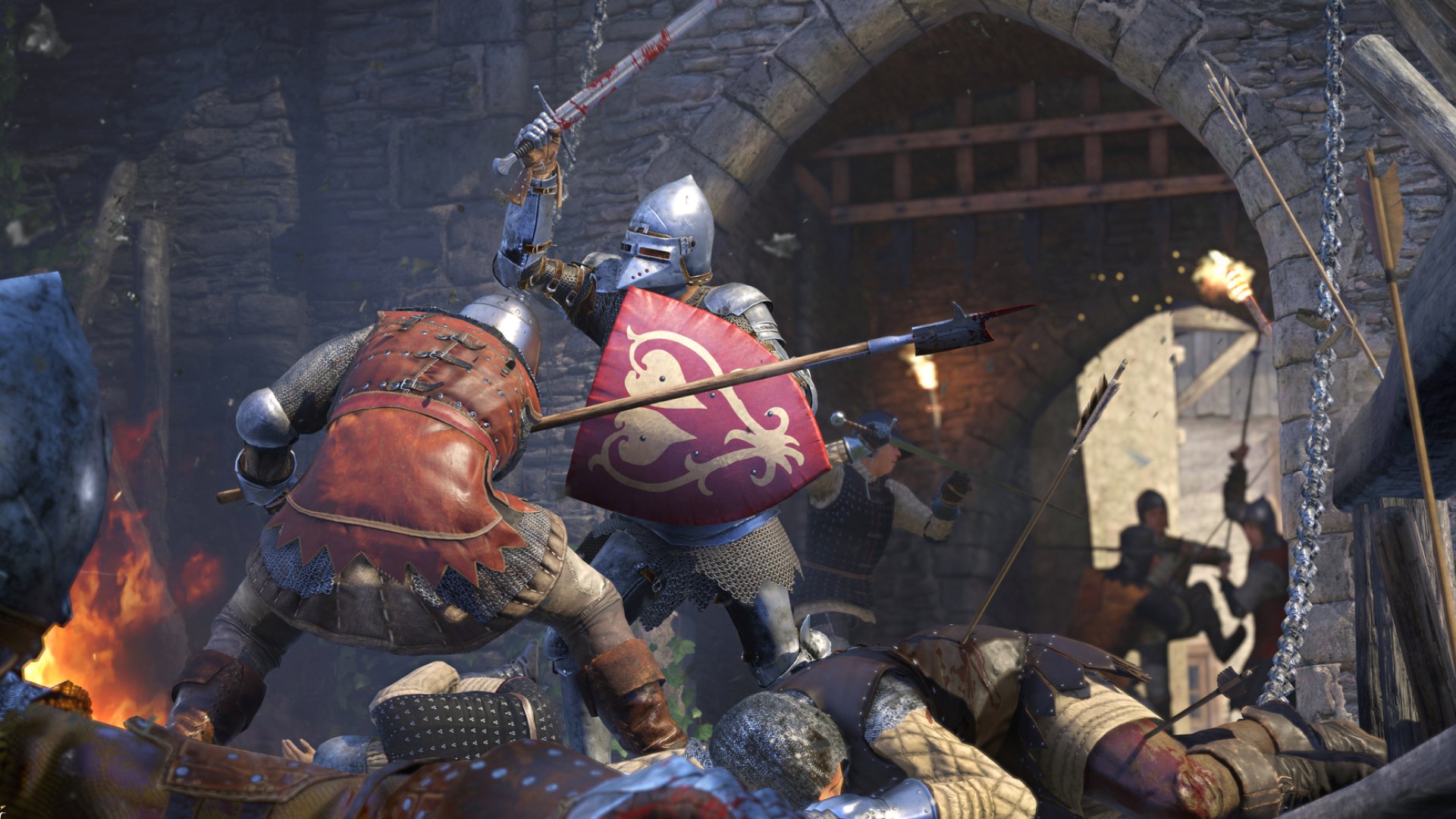
Jirsa also had to adjust to how rough the game looked for most of its time in embryo. “Another surprising thing is how bad the game looks and runs up until very close to the release,” says Jirsa. “People are used to ‘beta versions’, but those are not beta versions. The things that get to the public—and that the public sometimes hates [due to] how horribly it runs and how unfinished it is—that’s still much more polished than what actual internal betas or alphas look like.
“It doesn’t grow linearly. It’s like: shitty, shitty, shitty, shitty, slightly less shitty, and it skyrockets when you’re finishing and polishing.”
On The Grindstone
KCD1 launched to scepticism, bruised in part by a controversy in which Vávra had thrown in with the far-right Gamergate movement in answer to liberal criticisms of the game’s supposed racial homogeneity. But Jirsa recalls struggling more with scrutiny of the game’s technical issues than its political ones. Likely of more immediate concern to the average would-be buyer, KCD1 at launch was shot through with bugs—a toll exacted by its complex, systems-heavy design.
“It took a tremendous amount of work to change the general feeling about the game being ‘Maybe [there’s] something good, but hidden behind a lot of bugs and unpolishedness and unfinished systems… we spent almost 14 months—the whole studio—finishing and improving the game.” It was some time before Warhorse felt content with the game’s critical, technical, and financial performance, but it got there eventually.
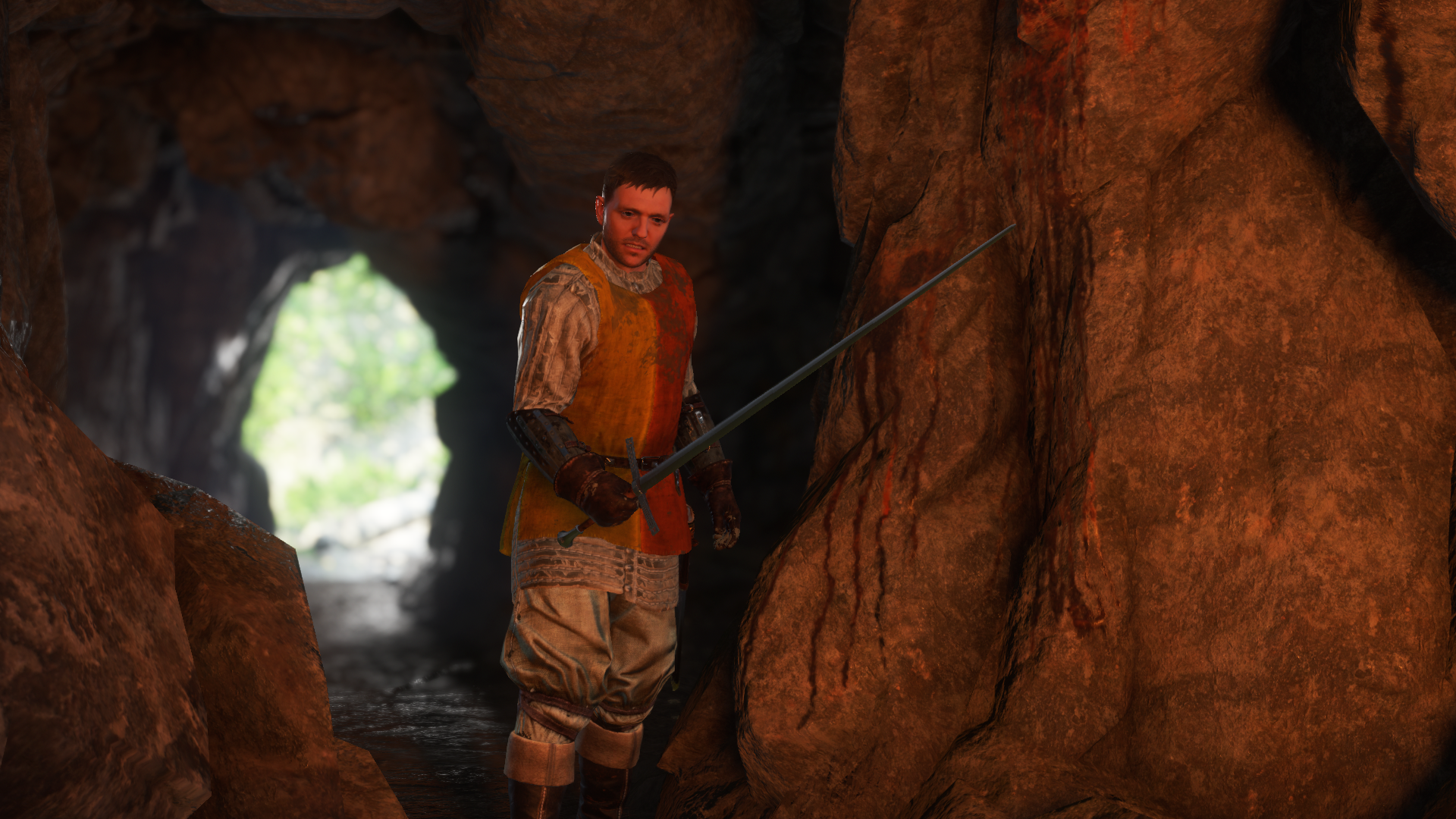
But the core of the game—its fundamental position, its obtuse mechanics and strange, systemic world—was correct from the start, Jirsa knew. And when I asked him what particular moment stood out to him as a validation of the game’s approach—confirmation that players truly got it, he cited PC Gamer’s own Chris Livingston, and that time someone stole his shoes.
“One of you guys thought that somebody had stolen Henry’s shoes while he was in Talmberg,” recalled Jirsa. The thing was, they hadn’t. “We had no system like that in there. The boots just despawned!” But it made Jirsa feel like the world of KCD1 was convincing and natural in precisely the way he and his fellow designers had aimed for.
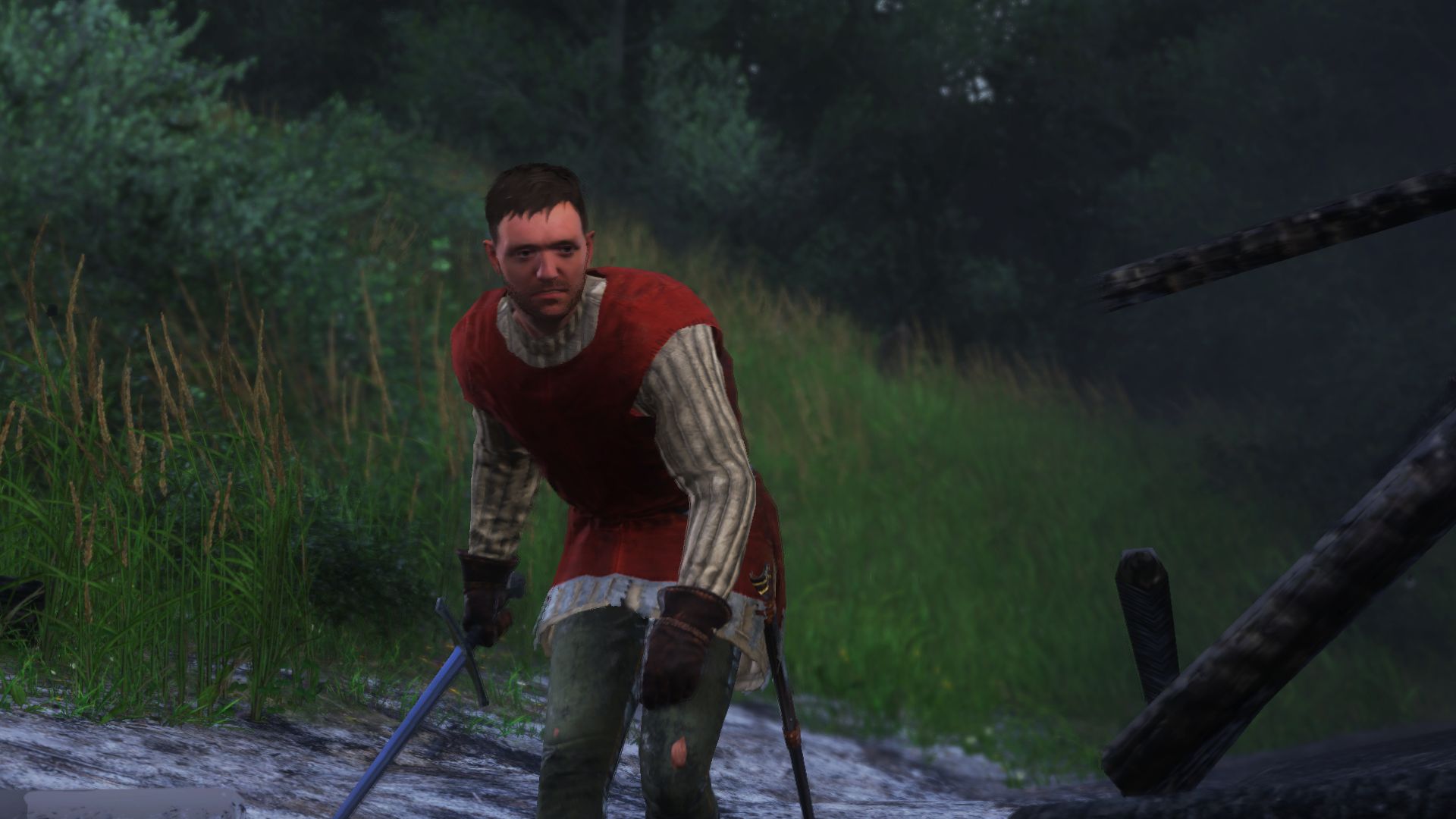
“He was really searching around the castle [to find] who actually stole the boots, and he was looking at the clothing of the NPCs. And this is what we aimed for! We aimed for the world to have enough complex systems that you suddenly believe that the world is real and anything can happen in the game. And that made us feel like, ‘Yeah, okay, that works!'”
Kingdom Come Again?
Whatever its bugs, KCD1 validated Warhorse’s—and Jirsa’s—particular preoccupation with complex systemic weirdness, something he still considers a hallmark of his approach as creative director.
“Dan Vávra is a really, really skilled storyteller,” says Jirsa of his predecessor in that role. “What comes more natural to me is the systems design… it’s more easy to me, designing these complex systems and seeing what they would mean, what kind of other systems it would influence, and how it would be perceived by players.”
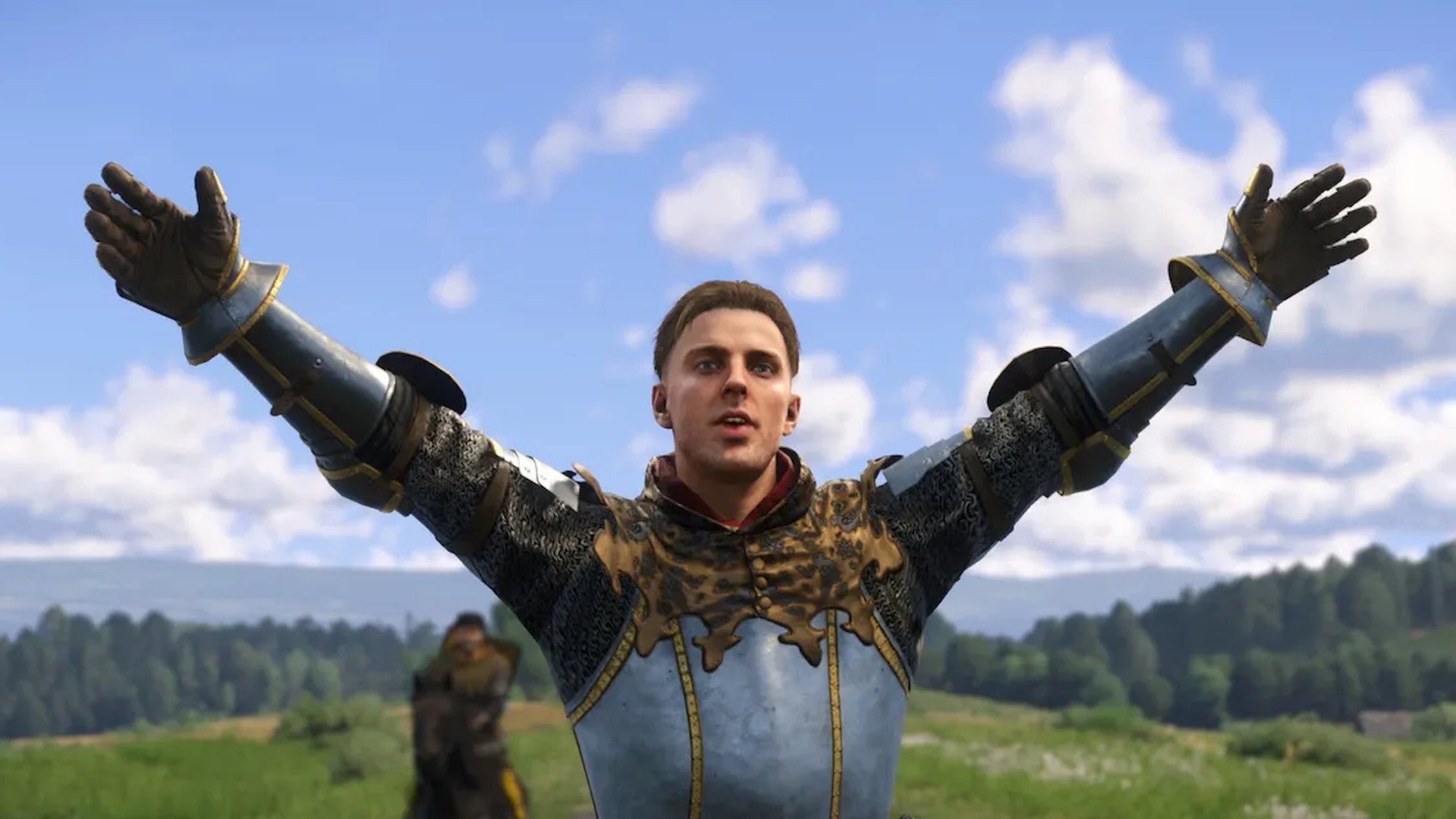
No wonder KCD2, on which Jirsa served as lead designer, felt like it had all the systemic oddness of the first game with a markedly reduced number of bugs. “We kept the recipe of the type of game we are making,” says Jirsa. “I think the fact that Kingdom Come 2 is basically a bigger and better version of KCD1 is what drove the success.” And Jirsa’s hands were all over it: “Even on Kingdom Come 2, a lot of the systems were designed by me. A lot of the quests were heavily influenced by me, not only as a decision maker, but [through] real, actual work.”
That’s not out of megalomania on Jirsa’s part, it’s the fact that, even with the staffing up that KCD1’s sale allowed Warhorse, it was still (and is still) a relatively small studio. “We never had enough people. I know that 240… seems like quite a lot of people—and it is, it is a big production nowadays—but if you compare it to the biggest of the biggest, to how many people work on, I don’t know, Assassin’s Creed, or even other, bigger projects, it’s still two or three times smaller than some other projects.”
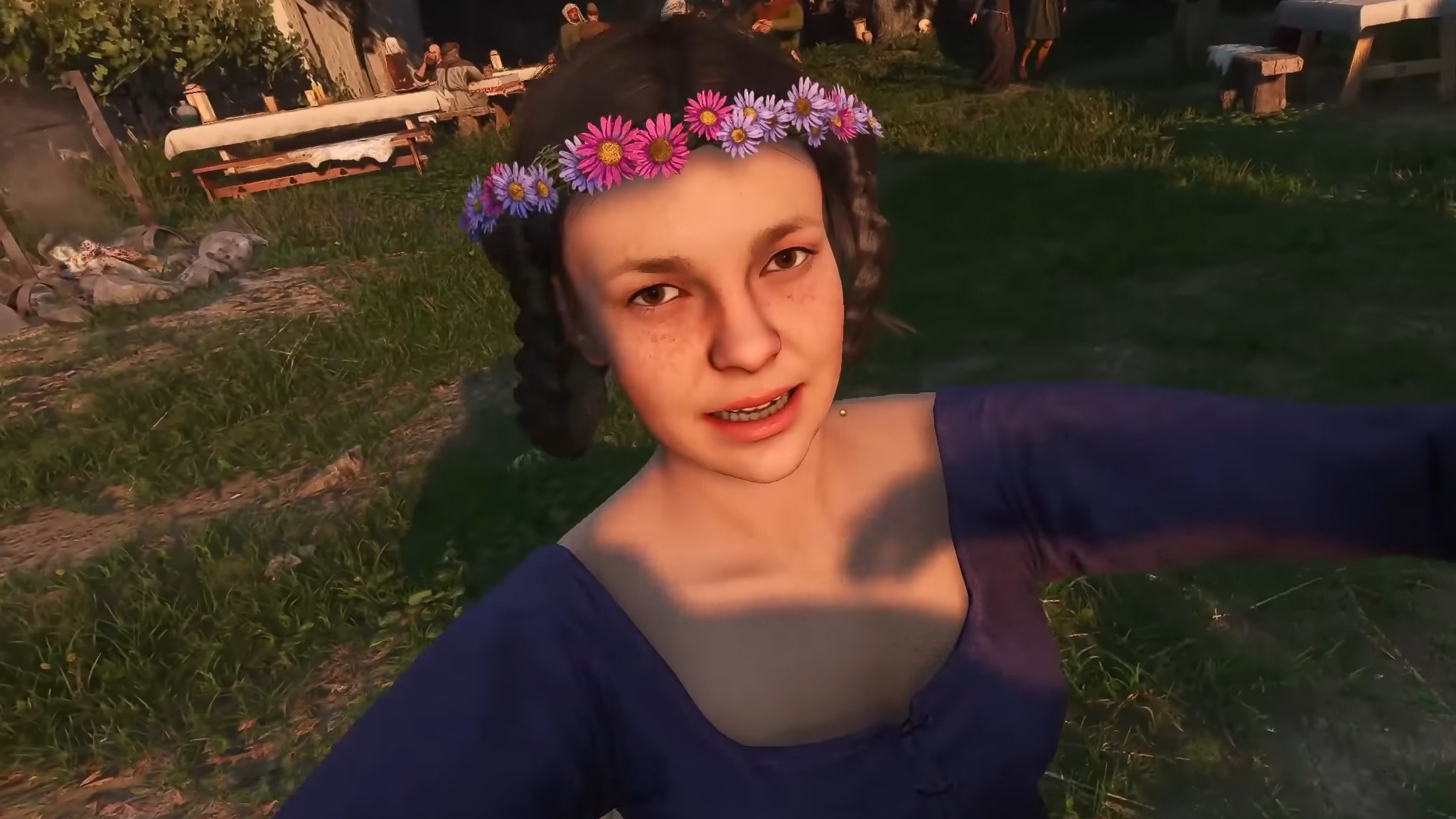
That (relatively) small scale—small enough that the next game Warhorse makes can still, like KCD1, be visibly a product of its devs’ unique obsessions—plus Jirsa’s self-proclaimed focus on emergent, systems-heavy gameplay, are perhaps what gives me the most hope for whatever the studio makes next. What is the studio making next? Great question. Jirsa, of course, would not say.
But he did lay down some philosophical commitments. “Our design approach is a little bit different,” Jirsa said. “For example, if you do playtesting—which you should, everybody! It’s really useful—they especially measure these points of friction.
“They say, ‘Okay, this is the friction point. People are getting confused, they are getting confused, or a little angry, and this percentage of people said they would stop playing the game at this moment.’
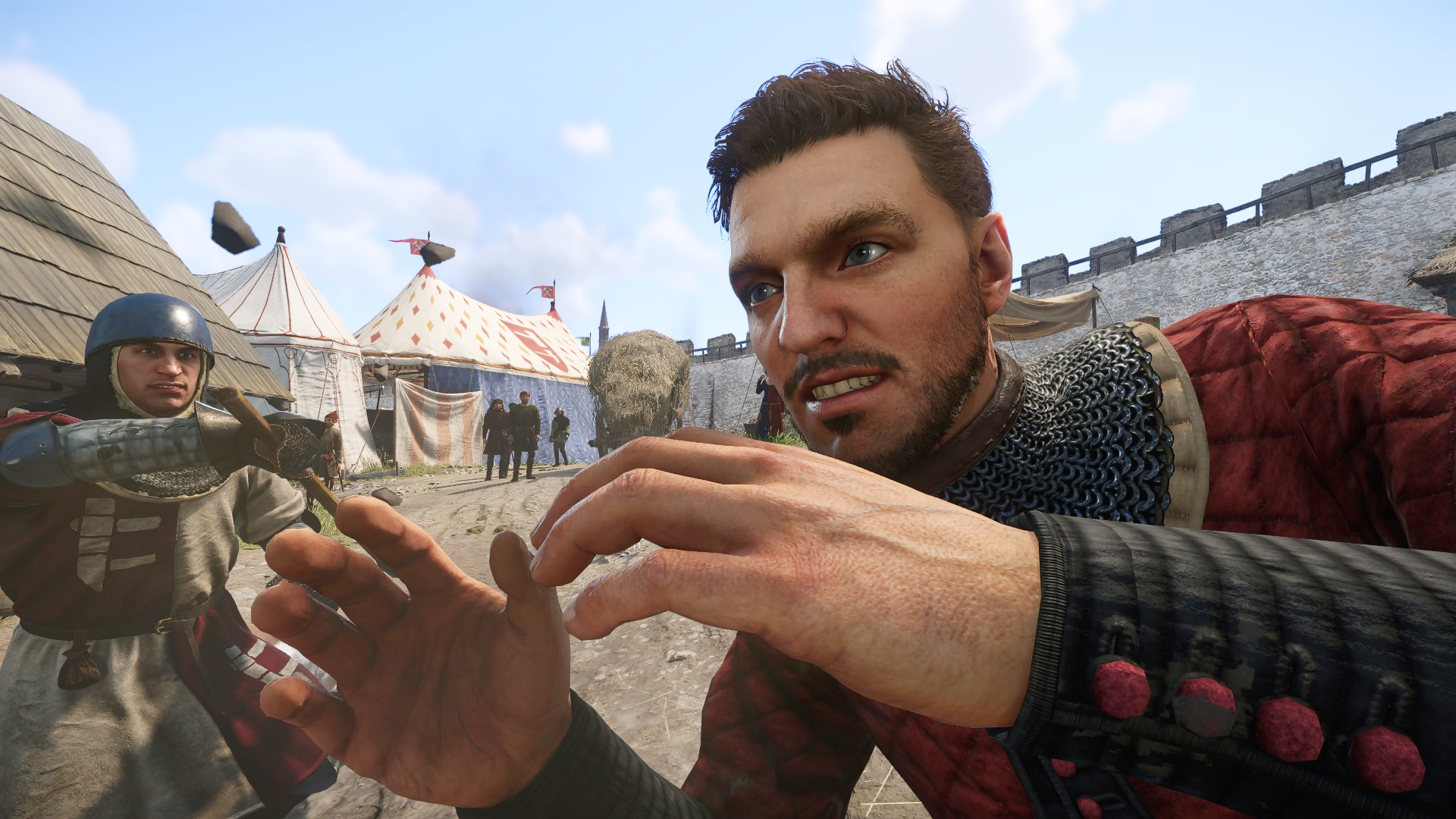
“The usual answer is, ‘Okay, let’s get rid of the friction.’ We don’t work like that. We feel if you overcome the friction, or the friction is intentionally there… then the friction helps you! Because you overcome the friction, you feel better about yourself, you feel that you’ve actually overcome some actual problem or difficulty.”
Jirsa particularly loves how small some of KCD2’s greatest achievements are. “The amount of people that are writing, for example, ‘I finally have my own bed!’ And it’ll be such a small thing, an unnoticeable thing in other games! ‘I finally beat that one bandit,’ or ‘I finally know how to make a sword in blacksmithing, I no longer make only horseshoes.’
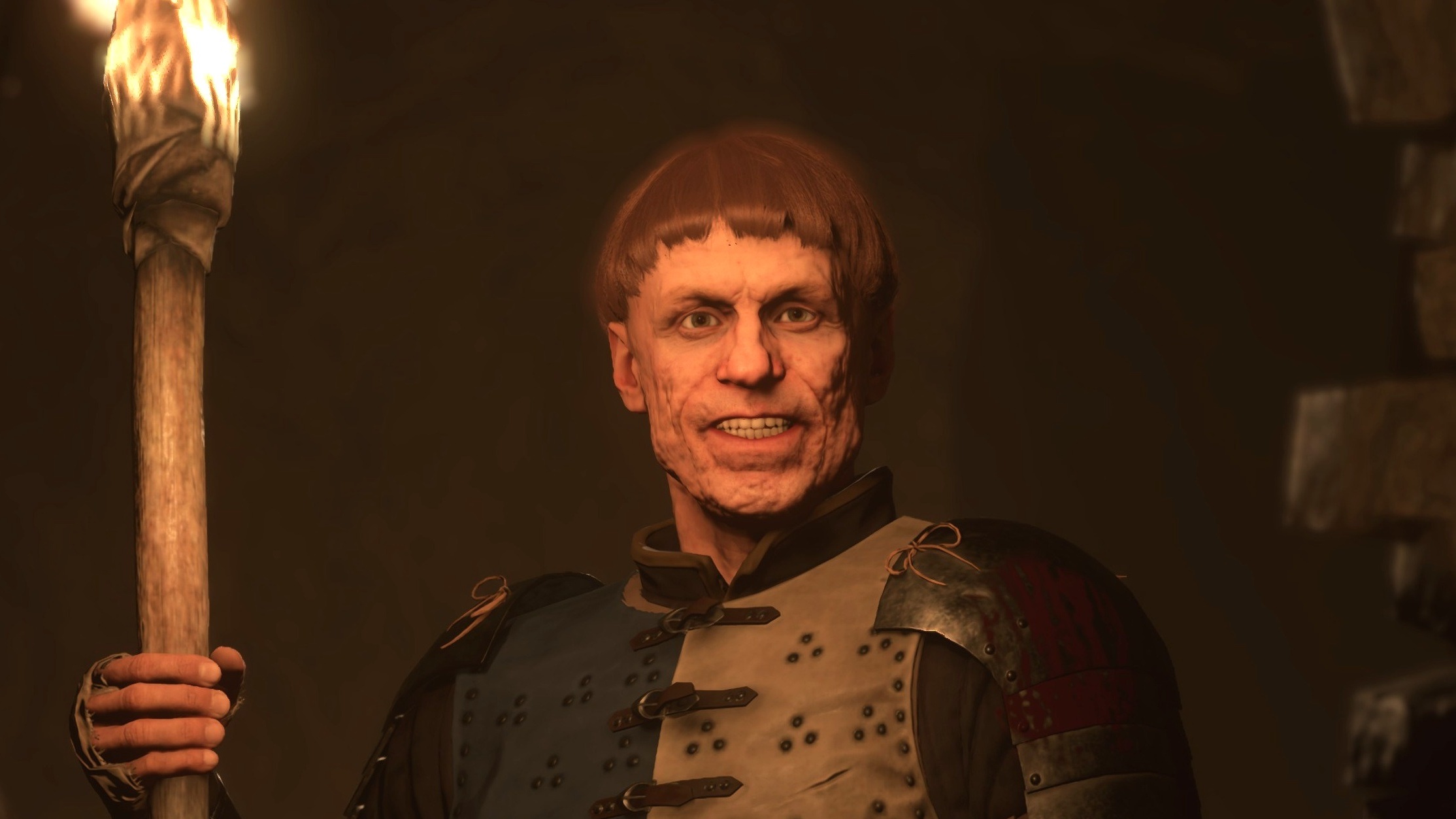
“It would feel almost funny in any other game,” he laughs, where you “start and slay your first dragon in two minutes… This has its place in many games! But the fact those miniscule things [in KCD2] felt like real achievements, it explains our way, and how we design things.”
And if that costs a few players? That’s not so bad. “You will lose some players that are really not there for any friction, they just want to have this smooth experience. And there’s nothing bad about smooth experiences! They have their place… but we are intentionally different. And I think Kingdom Come 2—1 as well, but 2 mostly—works so well in this regard.”
The Life Of The World To Come
Chatting with Jirsa made me feel very positive about the future of Warhorse’s games. Here was a guy who got it, who understood just what it is about the chaotic heart of these games that makes them so good, and seemed determined to carry it forward into the future.
Only one thing gives me pause, though not anything Jirsa said: a KCD2 translator who came out last March and said he had been “fired from Warhorse Studios and replaced with AI.” Do I trust AI to do… well, much of anything? Not really, but I certainly don’t trust it with translation or with games as rare and special as Kingdom Come.
That news broke after I spoke with Jirsa, but I had at least asked him about the place of AI in the company during our chat. “The reception of AI changes a lot based on how you use it,” Jirsa said.
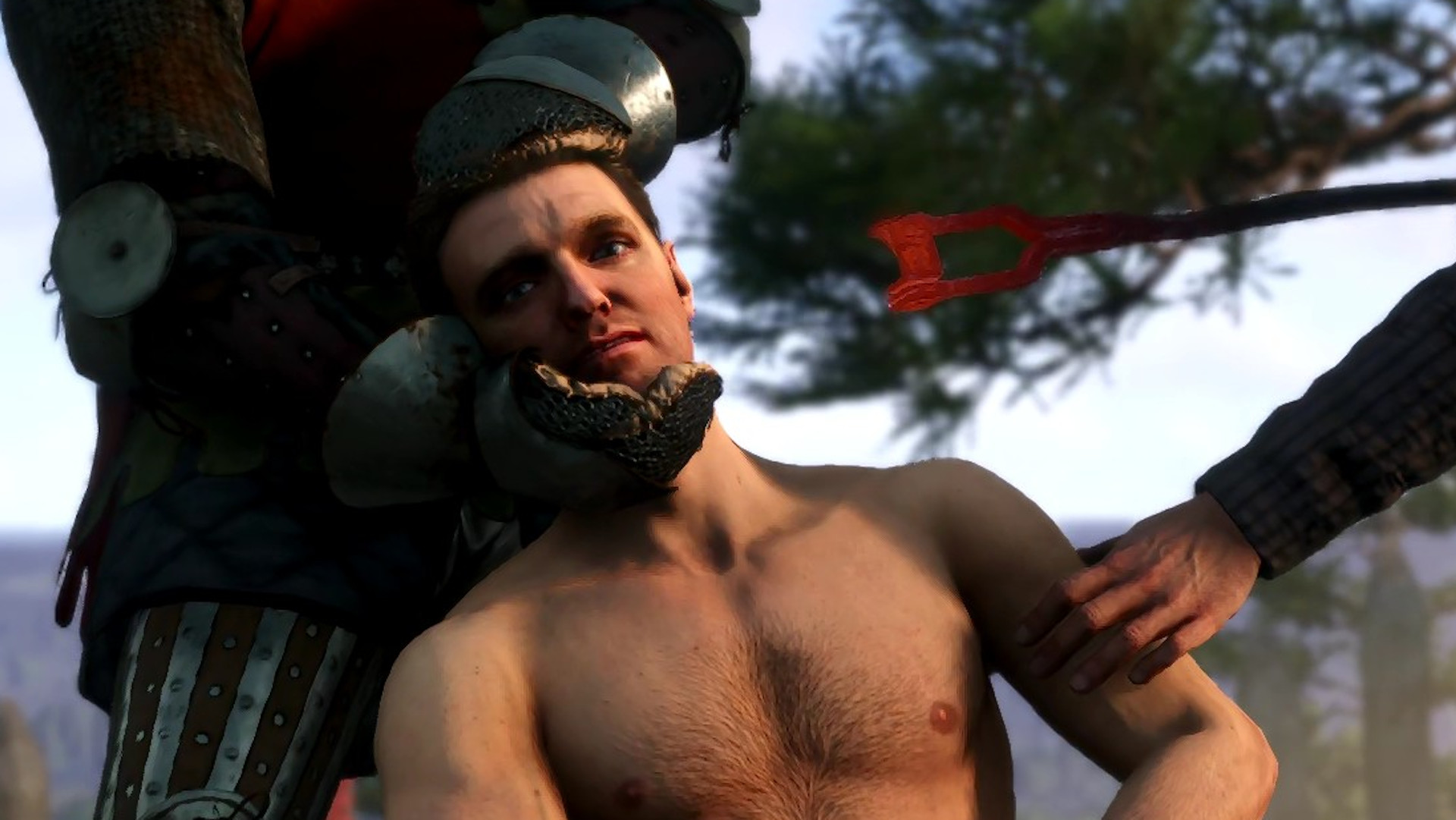
“People, me included, hate when you generate art with AI. But it can be really helpful during development. And it already is… Even if you’re not a programmer, for example, you can code little things that help you. Not necessarily something that will be used in the game, but, for example, you’ll be able to access some information in a more comprehensible way… or, for example, quick generation of some concept art, so you can actually communicate better to concept artists what you need.”
Does Jirsa think it will radically transform the dev process, let alone the world? He does not. “These things used during the development are, I think, something that will be or already is helpful, but I don’t think it is so far reaching as some other people think.
“I still kind of remember the discussions about the World Wide Web. At the beginning, people were thinking, ‘This is some transformative technology!’ And it was, but they felt it would immediately change everything, and it caused the Dot Com Bubble. In the end it transformed mostly everything, but way slower.
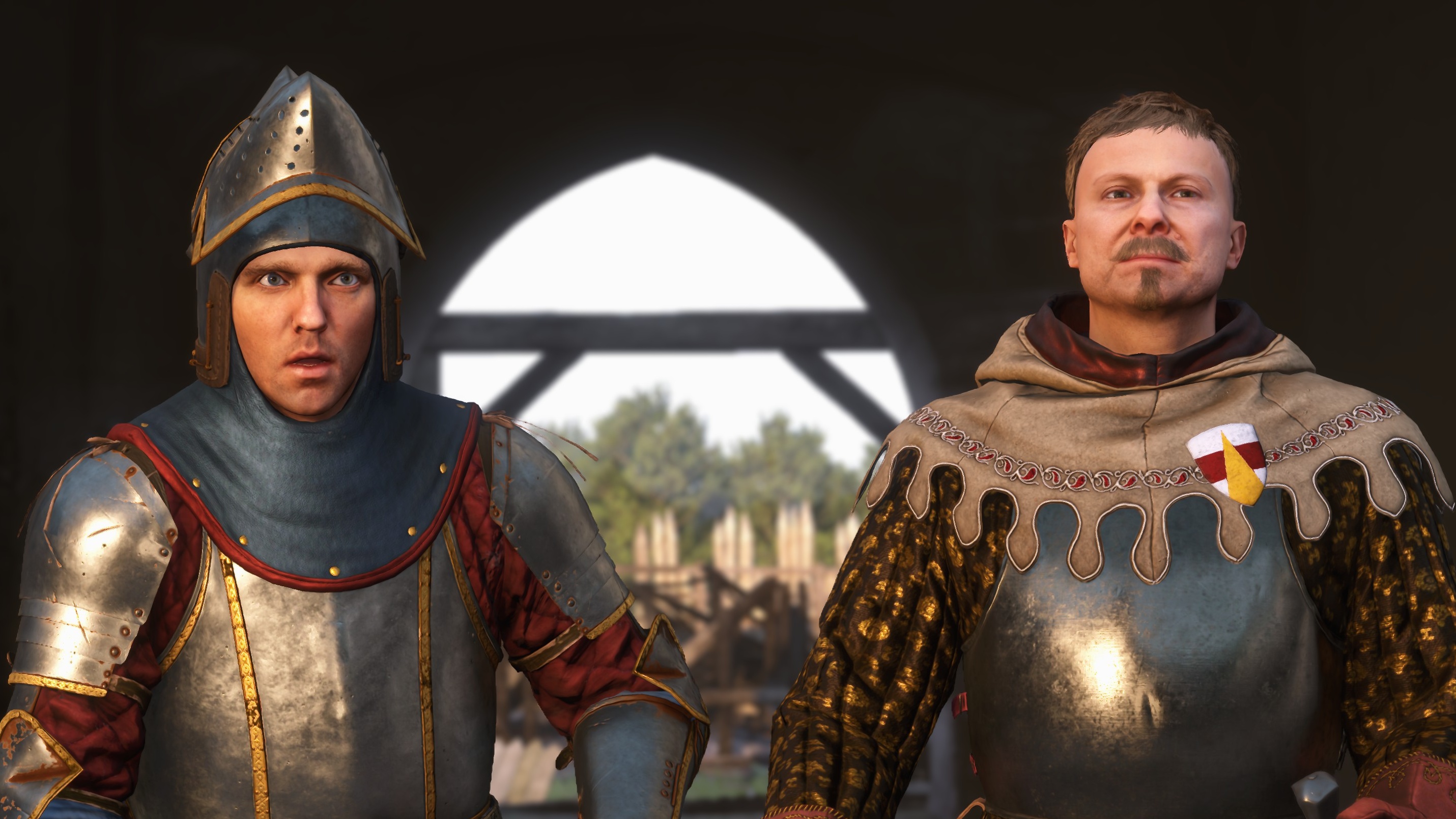
“I think it will be the same with AI. I think nowadays the hype is way too much. I think it will not be as useful as some people think, at least in the short term. I do think it’s transformative technology and a lot of things, but it will be more gradual than people think.”
I hope he’s right. Or, well, I hope that to the extent Warhorse is integrating AI into its workflows, it’s doing it cautiously. If there’s one thing I took away from my chat with Jirsa, it’s that part of what makes the studio’s games special is that you can see the people who make them in the fabric—Jirsa very much included.
2026 games: All the upcoming games
Best PC games: Our all-time favorites
Free PC games: Freebie fest
Best FPS games: Finest gunplay
Best RPGs: Grand adventures
Best co-op games: Better together