
AMD now owns fully 38.1% of overall market revenues for x86 CPUs according to new data from Mercury Research (via HotHardware). That’s up from 35.4% for the previous quarter. But AMD’s desktop CPU market share actually fell.
AMD is doing particularly well in the server market, where it won 46.2% of revenues and 33.2% of unit sales. That means AMD server CPUs, on average, are selling for quite a bit more than Intel CPUs. Those figures are up by around 3-4% on the previous quarter.
AMD is also making up ground in laptops. Mercury’s latest data puts AMD at 28.9% of overall revenues and 28.3% of unit sales. Its figures from the previous quarter are 24.9% of revenues and 26% of unit sales.
Desktop CPUs represent the lone segment where AMD is slipping a little. For the latest quarter, Mercury has AMD pegged at 37.6% of revenues and 33.2% of unit sales. That’s down from 42.5% and 36.4%, respectively, for the previous quarter, which were all time highs for AMD.
Intel is, of course, AMD’s only direct competitor in specifically the x86 CPU market, as opposed to the broader CPU market, which includes the likes of Arm and RISC-V chips. And desktop aside, it all looks like pretty good news for AMD.
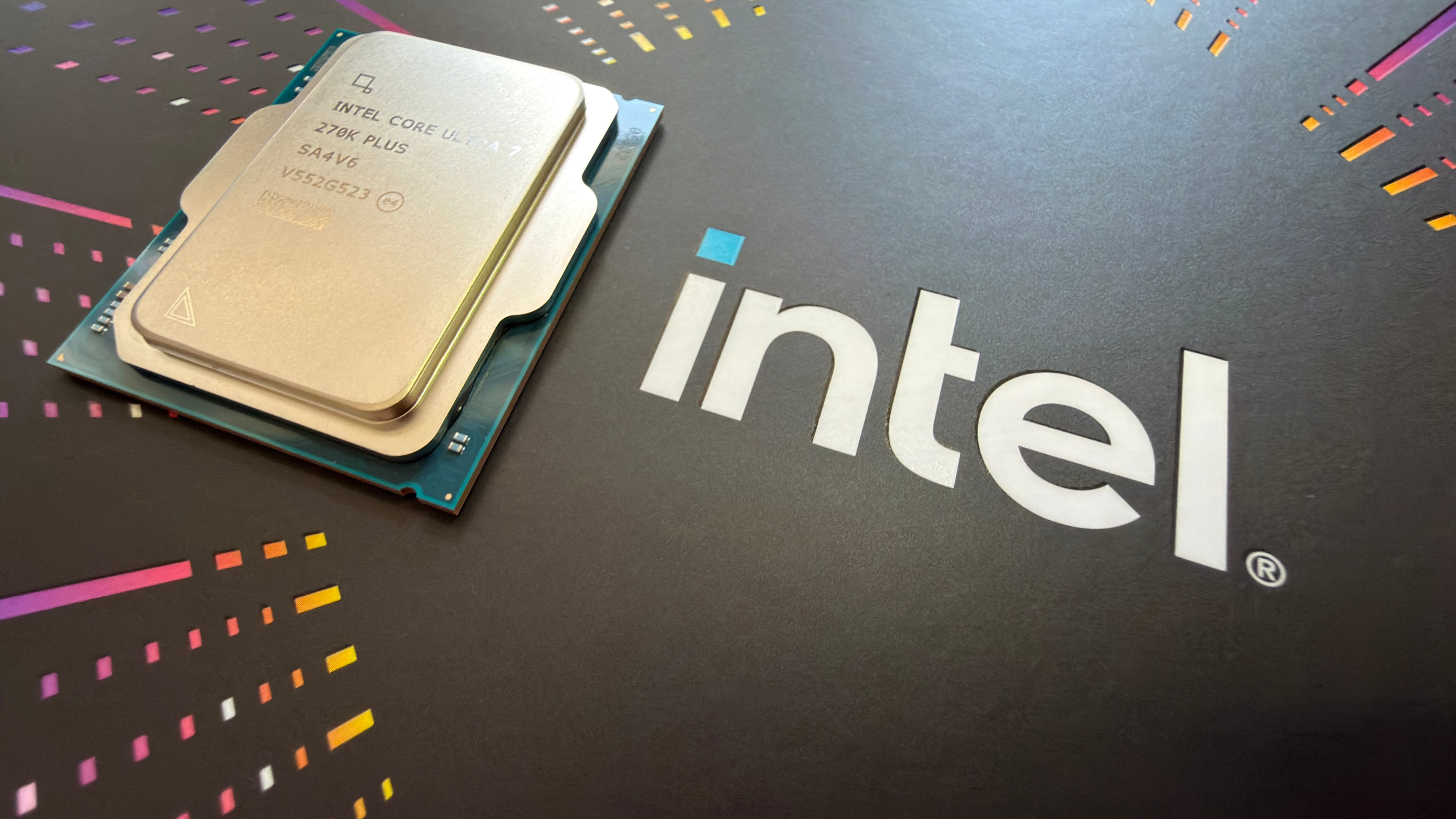
That said, it’s worth noting that Intel remains pretty dominant. It still owns 70% of the overall CPU market by unit sales. If nothing else, that’s interesting in terms of what it says about how much inertia there is in the CPU market. It’s not exactly a pure meritocracy.
After all, AMD has had very competitive CPUs across most market segments, and arguably superior in some, for the better part of a decade now. And yet it’s still outsold more than two times over by Intel.
In some segments, that makes sense. AMD has a relatively limited offering in the mobile CPU market compared to Intel’s sprawling litany of laptop CPU SKUs. But on the desktop, well, if that was purely meritocratic, Intel wouldn’t have over 65% market share, that’s for sure.
You’d think business customers building server farms would be pretty hard nosed about it all and go on pure merit. And AMD has indeed done better in the server market than any other segment.
But AMD’s EPYC server CPUs really are very good and, I would think, most truly independent observers would argue that they deserve to be selling better than Intel’s chips.
Of course, the supply and demand dynamics involved are pretty complex. AMD can’t just make as many chips as it fancies on any give day, month or year. It farms out manufacture, mostly to Taiwanese fab TSMC, and that means signing forward contracts and, to an extent, being limited by TSMC’s capacity.
That said, while Intel still does manufacture many of its own CPUs, it too needs to plan a long way into the future in terms of fab capacity and so on. All of which means, even if AMD suddenly offered unambiguously the best CPUs in every single segment tomorrow, it wouldn’t be straight forward for that to be instantly reflected in sales figures.