
If you aren’t caught up on the situation, US President Donald Trump, alongside representatives from Micron, Qualcomm, and Nvidia, all boarded Air Force One a few days ago to take a trip out to China and nurse the rocky trade relationship between the two countries. From that trip, America was hoping to trade some AI chips with China, but not quite enough for it to take the lead in the AI space race. Either way, it might not have gotten past China’s officials yet.
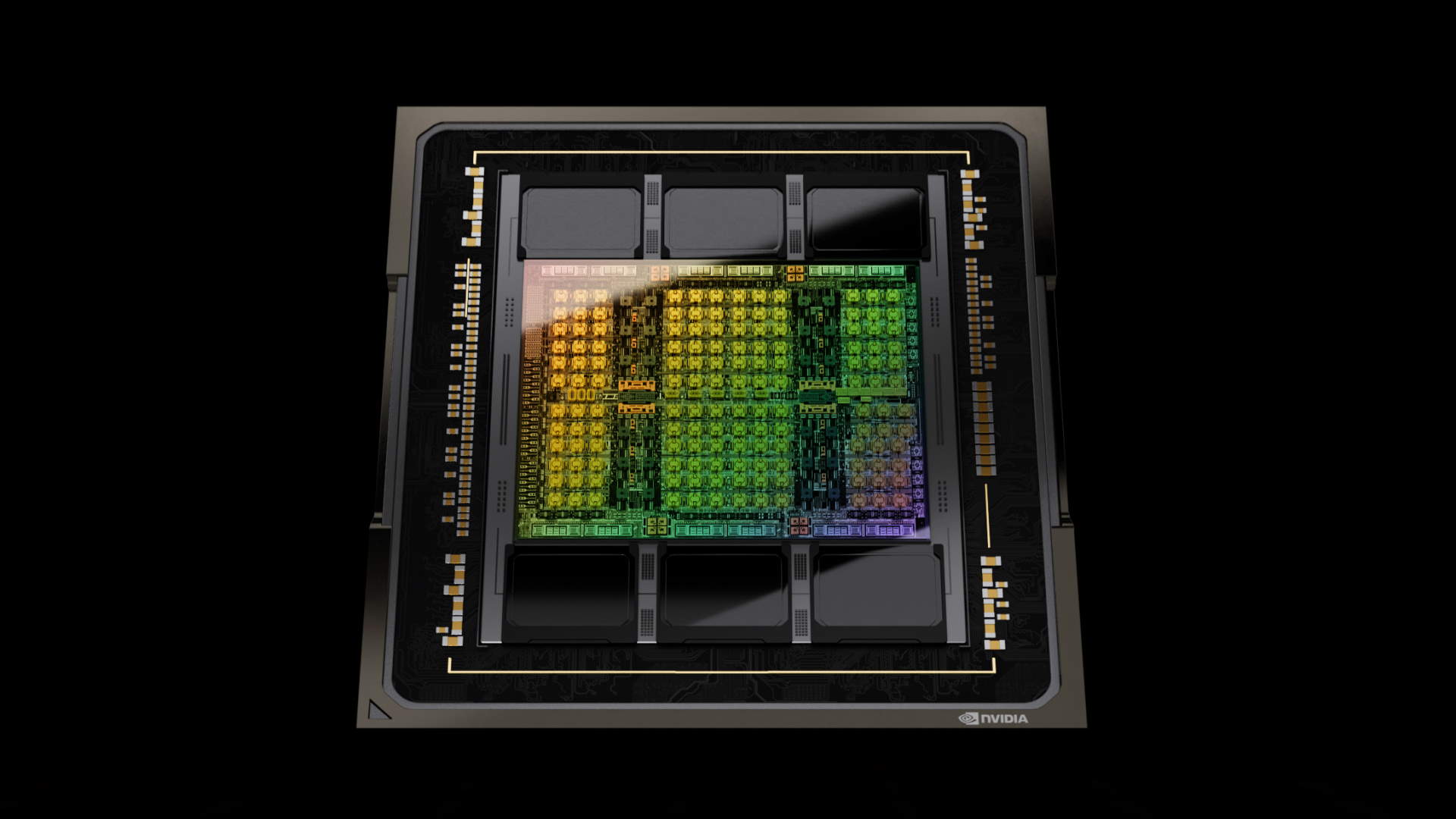
The US approved the sale of Nvidia’s second-best AI chip, the H200 to 10 Chinese firms yesterday. This would total 75,000 units each. As reported by Bloomberg, Trump said on Friday that China has not yet approved this deal from its end, “because they chose not to, they want to develop their own.”
Despite this declaration, Trump does say that the conversation came up and he reckons “something could happen on that.”
Trump has not yet elaborated on what this means, what could happen, or how those talks went. However, Trump has reportedly been chatting to Chinese President Xi Jinping about what guardrails could be implemented on this tech going forward. When asked what kind of guardrails these would be, Trump reportedly said, “Standard guardrails that we talk about all the time.”
Notably, China reportedly approved the import of H200 GPUs just a few months ago, but the US government put caps on how many could be sent to the region. It’s been a rather tumultuous time for the two entities, with both banning, unbanning, taxing, and untaxing the AI chips.
Nvidia’s CEO Jensen Huang has historically been very pro-trade when it comes to AI tech and China. When Nvidia effectively left the Chinese market due to import bans imposed late last year, Huang argued, “it’s important to be mindful that what harms China could oftentimes also harm America”.
Just last month, Huang bemoaned this market drop and argued the US should export AI “like crazy” to China. It’s naturally within the interest of Nvidia to sell its AI tech to whoever will take it, as it owes the growth of AI for it becoming the world’s first $5 trillion company, after all. Though, the company says its share in China is “zero” today.
And, in turn, exporting some AI chips would be beneficial to the US too, as it can claim taxes on that tech. But all parties seem to be aware that China cannot over-rely on American AI technology. Huang said last year that “we don’t have to worry” about the Chinese military using AI chips because “they simply can’t rely on it”.
And so, the US and China (and by extension, Nvidia) seem to be at a stalemate. Whether or not Trump’s big trip will see any returns on American investment is anyone’s guess, but he seems pretty positive about it anyway.