

As a writer of news on the web, there’s a lot I could say about the integration of AI in Google Search. Instead I’ll just say this: I’ve had Bye Bye, Google AI—a Chrome extension that hides Search’s AI Overviews among other things—installed since our Jeremy wrote about it last year. But according to Google itself, my personal disdain for its AI offerings is something of an outlier.
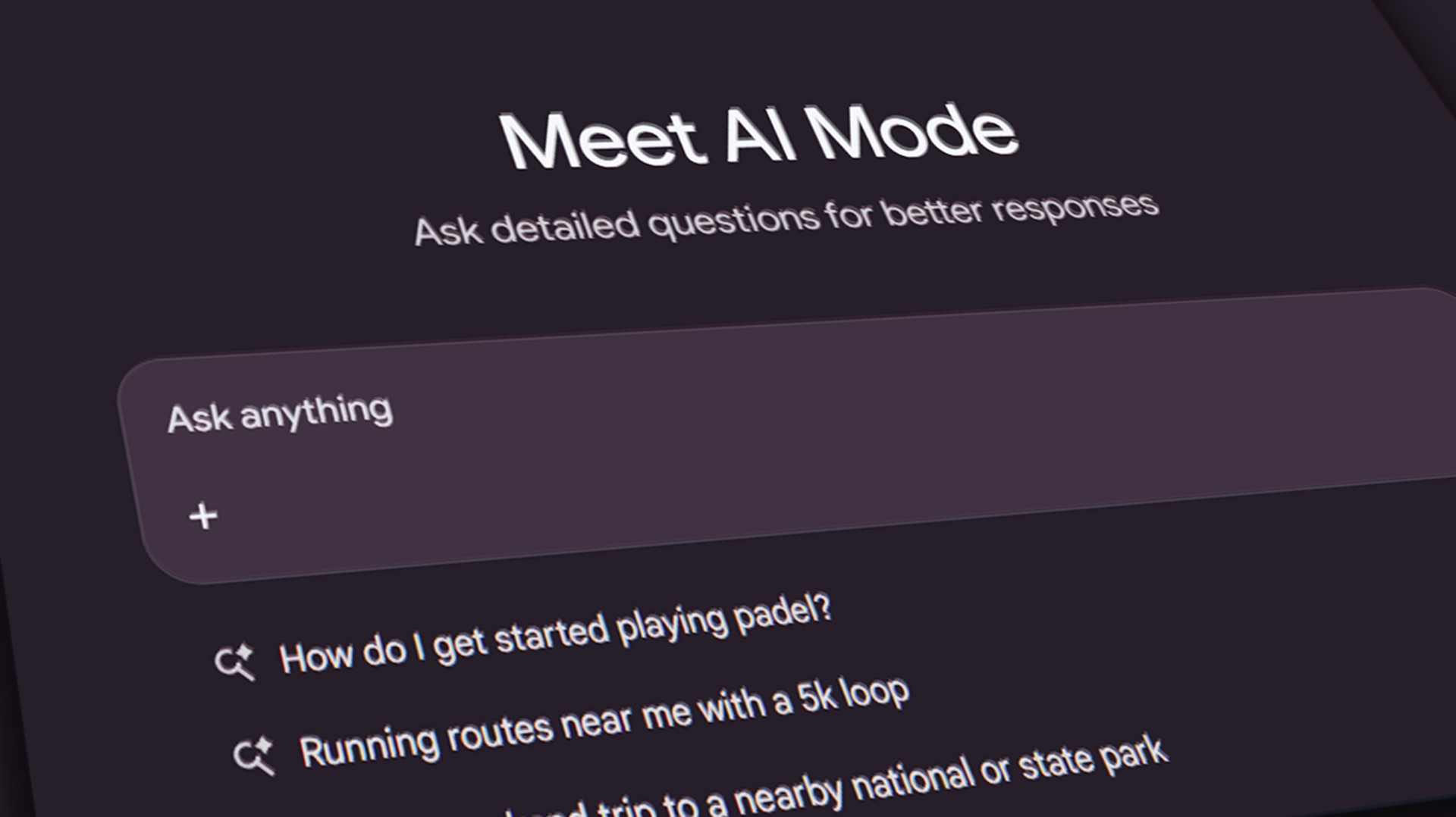
Just for a start, Google CEO Sundar Pichai says, “AI Mode has been a revelation, our biggest upgrade to Search ever. People love it, and in just a year, it’s already surpassed 1 billion monthly active users.”
Those AI Overviews that once annoyed me so much apparently enjoy over 2.5 billion active users every month. Pichai goes on to elaborate, “When people use our AI-powered features in Search, they use Search more. Search has become less about individual queries and feels more like an ongoing conversation, giving you deeper insights and connecting you with the vastness of the web.”
According to Pichai, it’s not just Search’s wider AI functionality seeing success, though. The Gemini App is incredibly popular too, apparently going from “400 million monthly active users” last year, to over 900 million now. It’s worth noting that Gemini saw the introduction of Personal Intelligence around the start of the year. This is an opt-in feature that allows Gemini to sift through your personal data across Google’s apps for “more customized and helpful” responses. Grand.
Gemini leads the charge for ‘natural, conversational AI’ in a range of Google’s products. The model can now field queries via Ask YouTube, and Ask Maps, as well as facilitate ‘brain dumps’ in Google Docs. Pichai elaborates, “To create a doc with Gemini before, you had to type out a precise prompt. With Docs Live, you can just verbally ‘brain dump’ whatever is on your mind, and let Gemini do the rest.”
Across all of Google’s consumer and developer-facing AI products, the company’s models are said to be processing over 3.2 quadrillion tokens every month—and that requires serious infrastructure. To that end, the company expects to spend between “approximately $180 to $190 billion” in capital expenditure. Custom silicon is a big part of that investment, with Pichai specifically highlighting Google’s AI chips TPU 8t and 8i as “more energy efficient, delivering up to two times better performance-per-watt.”
AI is power-intensive, with Google’s own emissions up by 51% last year. But those latest energy efficiency claims are perhaps little comfort in light of one recent report suggesting gas power projects for just 11 US data centres could emit more greenhouse gases than entire countries.
But allow me to set my climate anxiety to the side for the moment—I have mixed feelings about the purported popularity of Google’s AI products. On the one hand, it’s not hard to see the appeal of a conversational interface for a perhaps less tech-literate user base. On the other hand, I’m intrigued by the choice to measure the success of these AI products by metrics such as user count, tokens processed, and capital expenditure rather than, say, profit.
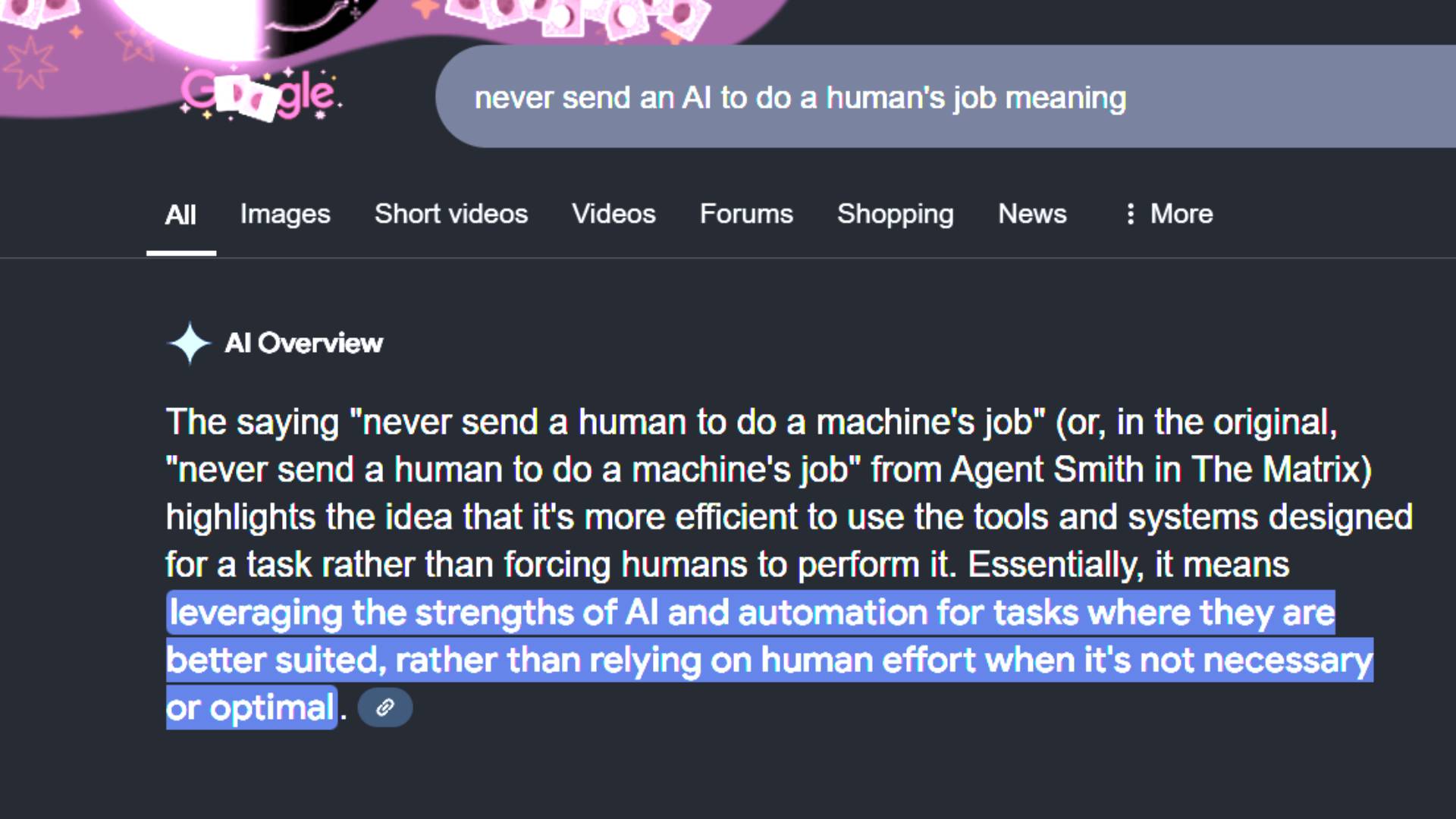
I’m also curious about how Google is defining ‘active users’; how many of those millions genuinely feel like they’re getting the most out of Google Search’s AI Overviews, and how many are simply unclear on how to avoid it? Presently, beyond third-party extensions like Bye Bye, Google AI, there’s no official way to opt-out of those AI Overviews.
Maybe the dollar signs I’m looking for are on the way. Still, one uncharitable way to read much of the above would be as a reassurance to, say, investors that there is enough demand for these free products that a significant enough portion of the user base will convert into sales for paid AI products down the line.
If users aren’t willing to eventually pay for AI products more broadly speaking, the bubble may finally burst. At the risk of paraphrasing recent comments made by US senator Elizabeth Warren, it seems to me that revenues from AI products aren’t necessarily in step with the huge capital expenditure required to fuel them. “I know a bubble when I see one”, she said. Quite.