
AMD has announced that its first 2 nm CPUs are now in production. It’s a server chip, inevitably, but it bodes well for upcoming PC processors. Meanwhile, Intel has mentioned possible future 10A and 7A nodes for the first time. Maybe Moore’s Law ain’t dead, after all.
“AMD today announced that its next-generation AMD EPYC processor, codenamed Venice, is ramping production in Taiwan on TSMC’s advanced 2 nm process technology, with future plans to ramp production at TSMC’s Arizona fabrication facility,” AMD said in a statement.
Venice is based on AMD’s next-gen Zen 6 CPU architecture, which will be shared with AMD’s next-gen desktop CPU family, codenamed Olympic Ridge and possibly branded Ryzen 10000 Series.
Jumping to TSMC’s 2 nm node, branded N2, is an interesting move given that most of AMD’s current CPUs, including the Ryzen 9000 series, are built on silicon derived from TSMC’s N5 node. In other words, AMD has only made limited use of TSMC’s N3 node thus far, and the move to N2 means that the company will skip N3 to a large extent.
It’s worth noting in all this that, right now, there are no commercially available chips built on TSMC’s N2 silicon. It’s likely that Apple will announce products made on that process node in September, mostly the iPhone 18. But AMD is being pretty aggressive with its wholesale move to N2.
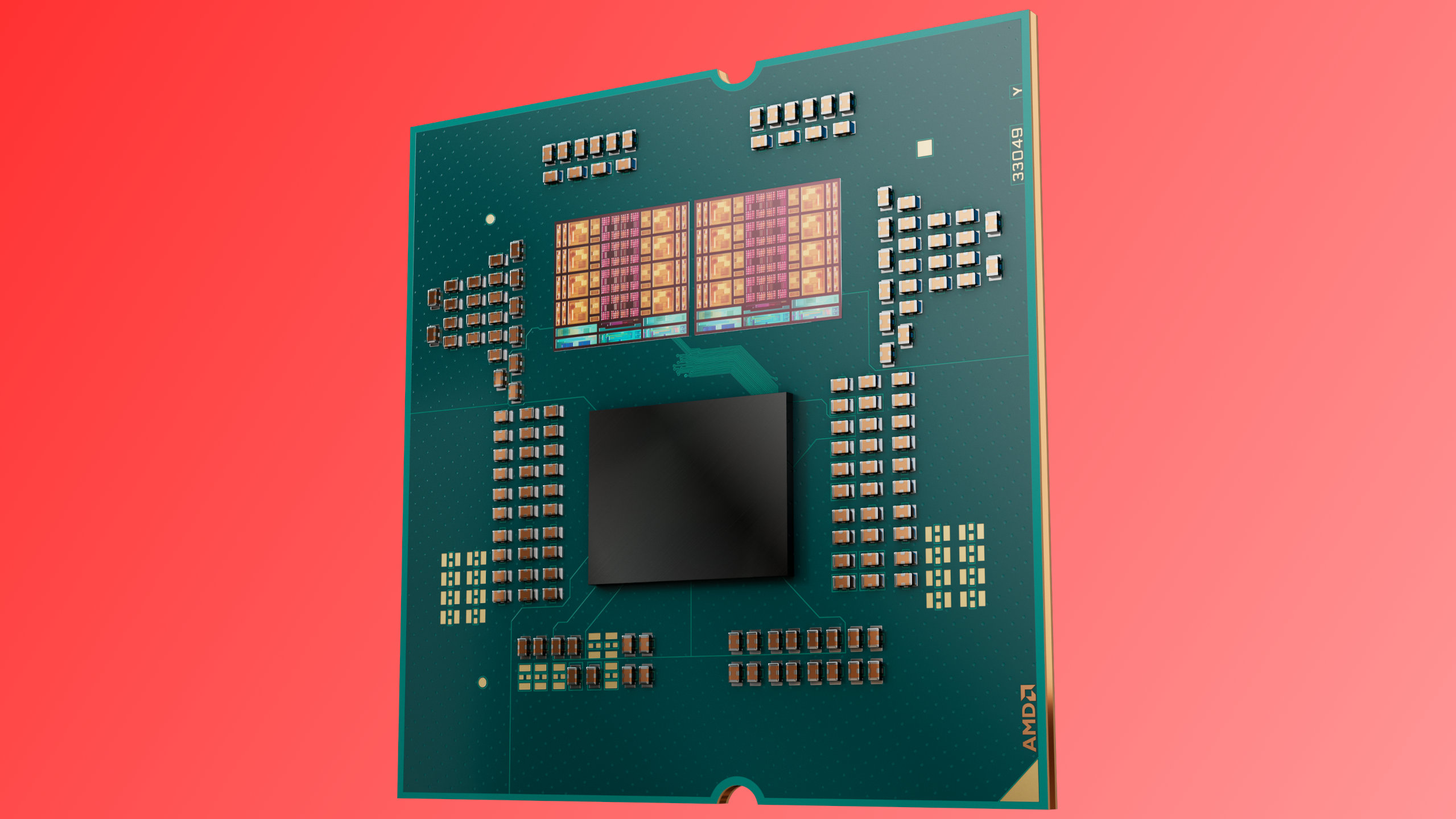
One of the more obvious anticipated benefits of N2 silicon is a move to 12 cores in each CPU chiplet (Core Complex Die or CCD), up from eight in AMD’s current chiplets. That opens up the possibility of both 12-core gaming-optimised CPUs with 3D V-Cache and monster 24-core dual-die models for heavily multithreaded applications.
As for when we’ll actually be able to buy Zen 6 CPUs, AMD has said the architecture will launch in 2026, and at this stage, it’s looking like late 2026. However, the chip giant hasn’t been entirely transparent about which Zen 6 CPUs will be released this year. Our bet is that it will only be EPYC server processors in 2026, with desktop models to follow early next year.
If AMD is moving to ultra-advanced N2 silicon, what about Intel? It is already selling Panther Lake mobile CPUs using its new 18A node, and the company is bigging up its next-gen 14A node.
But somewhat surprisingly, CEO Lip-Bu Tan recently teased even more advanced production nodes. Speaking at the J.P. Morgan annual tech conference earlier this week and in response to questions about Intel’s customer foundry business, Tan said, “I’m starting to look at the 10A, 7A, the roadmap. People don’t go to you for just one node. They’re looking for the roadmap for the future.”
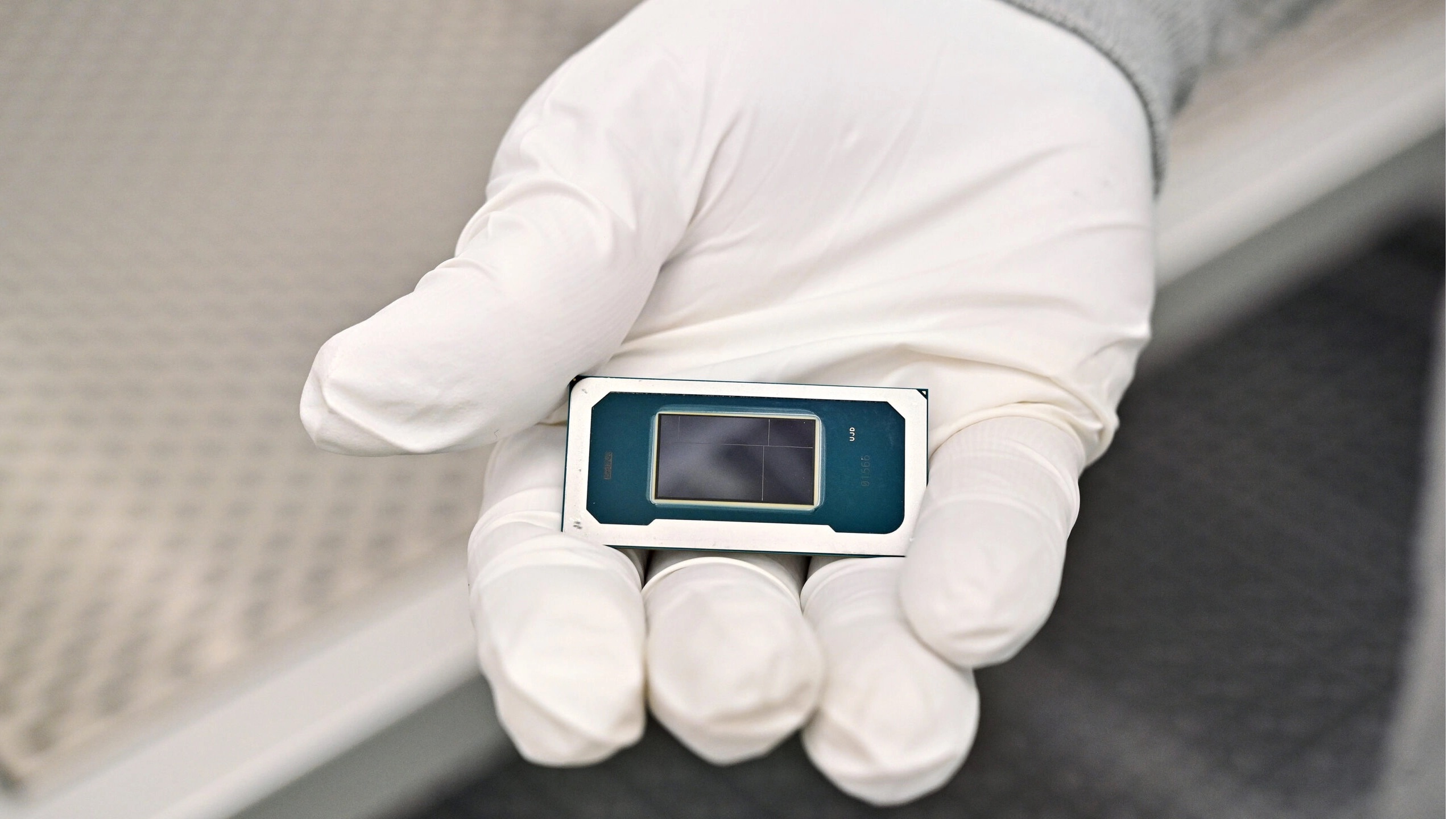
As far as we know, this is the first public mention of possible 10A and 7A nodes from Intel. That said, those nodes may well be largely speculative. After all, Tan confirmed at the conference that Intel’s 14A node won’t be in volume production until 2029.
But the mere fact that Tan is talking about technology that far out is a big turnaround. It wasn’t that long ago that Tan was threatening to cancel 14A with the unsaid implication that Intel might get out of the chip manufacturing game altogether.
Anywho, this all looks pretty positive regarding the broader progress of the PC based on ye olde Moore’s Law or at least something like it. AMD N2 chips are definitely coming, and Intel is plotting a roadmap of more advanced silicon for many years to come.
OK, the traditional cadence of Moore’s Law involving the doubling of transistor density and halving of costs every two years is arguably dead. But there’s still pretty major progress being made.