
What is it?: IO’s origin story for Bond. James Bond.
Expect to pay: $70/£60
Developer: IO Interactive
Publisher: IO Interactive
Reviewed on: Windows 11, AMD Ryzen 7 3700x, 32GB RAM, RTX 4080
Multiplayer?: No
Steam Deck: Unknown
Out: Now
Link: Official site
I played 007 First Light for six hours before I encountered something that felt genuinely novel. I had gone through James Bond’s—ol’ Jimmy B—introductory detour to Iceland, where the SAS chopper he was travelling on found itself shot down by terrorists. I’d gone through his spy A-levels (all three hours of them). I’d been introduced to all the fashionably rumpled denizens of MI6—including head honchess M, whose first action was, relatably, to introduce me to her massive basement gaming rig.
But it was only at the end of the game’s first proper level that it did something I hadn’t seen before, that it felt like it had ideas beyond rote third-person action and stripped-down Hitman mechanics. I was fighting my way through a plane in flight, a handy hack giving me control over its roll and letting me sharply bank it left or right, sending enemies and contents flying as I shot my way to the cabin. It lasted perhaps three minutes.
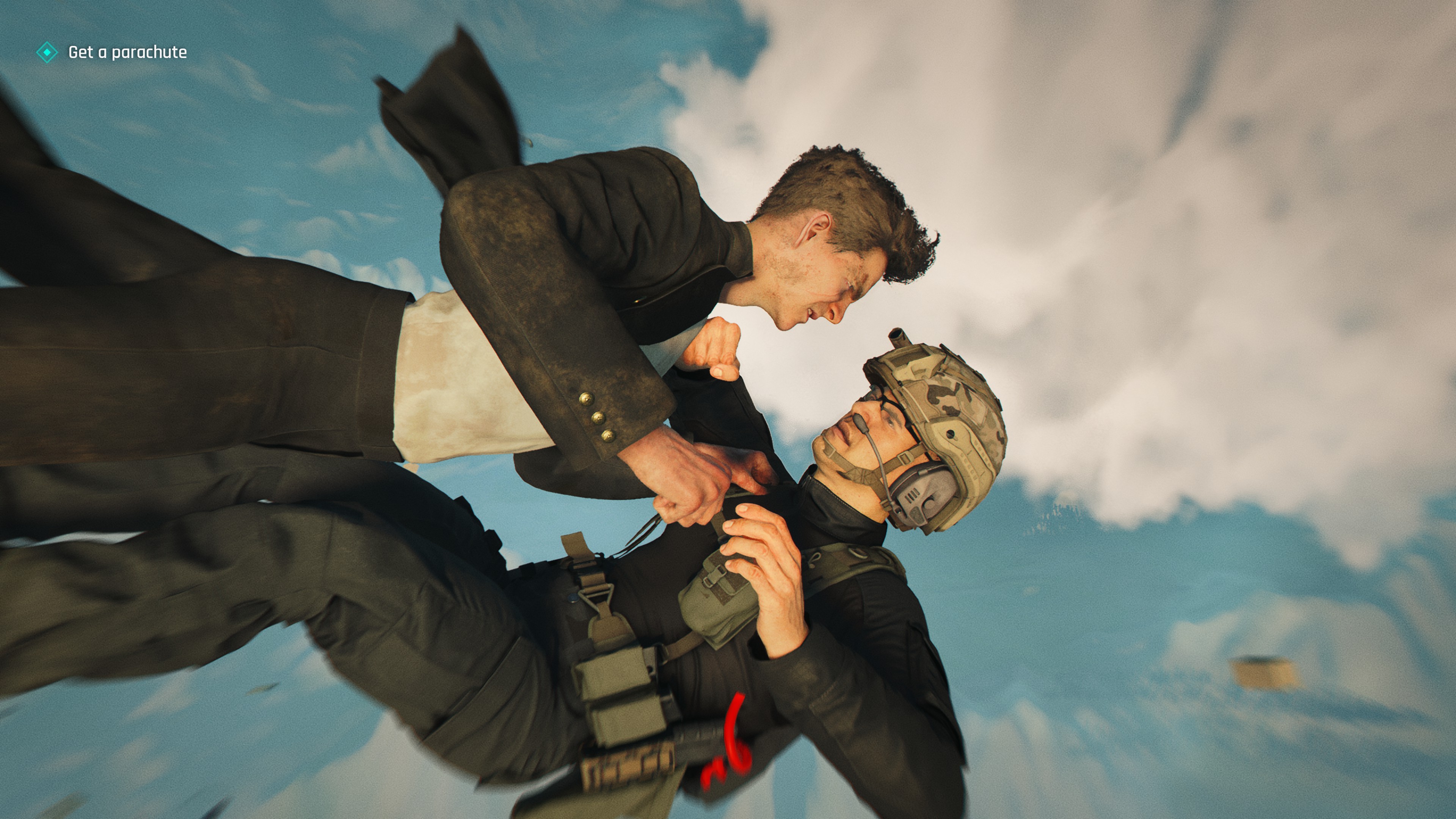
007 First Light is not a bad game. Some parts really do shine, but for the most part it is simply competent. Its Bond narrative is well done, albeit at times drawn-out and repetitive, and clearly created by people with a profound love for the spy’s history, but the wrapper for that story is a great deal of sometimes-clumsy gameplay you’ve seen many times before, interspersed infrequently with the odd neat idea.
Why this is the case does not take 007 to figure out. IO has tried to blend its own sensibilities—those of the finest sandbox minds in the biz today—with the sensibilities of linear third-person action, of a studio like Naughty Dog. Neither part leaves enough room for the other to flower: where IO leans on its own strengths it feels like a diluted version of its previous masterpieces, and where it tries to channel a more linear development philosophy, its inexperience with the form shines through as awkward gameplay. The result is a game that doesn’t live up to either of its design touchstones.
Bonding experience
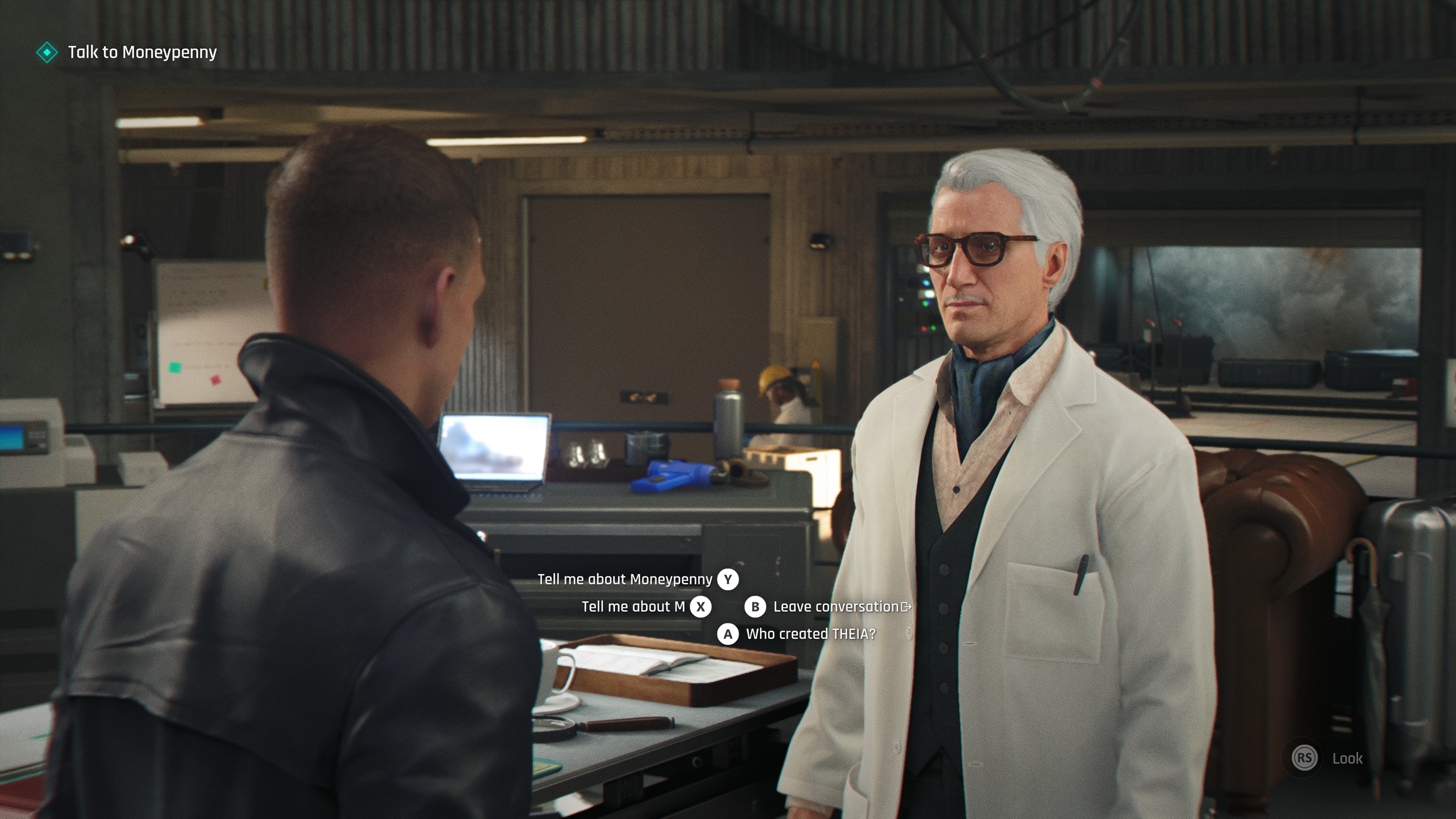
Odds are you already know the thrust of First Light’s narrative: it’s a young James Bond’s intro to spycraft; an origin story for Britain’s most famous snoop. He’s callow, he’s reckless, he’s cocky. But dammit, he gets results, and so off he goes to Vauxhall Cross to be inducted into the world of laser wristwatches and detonating AirPods.
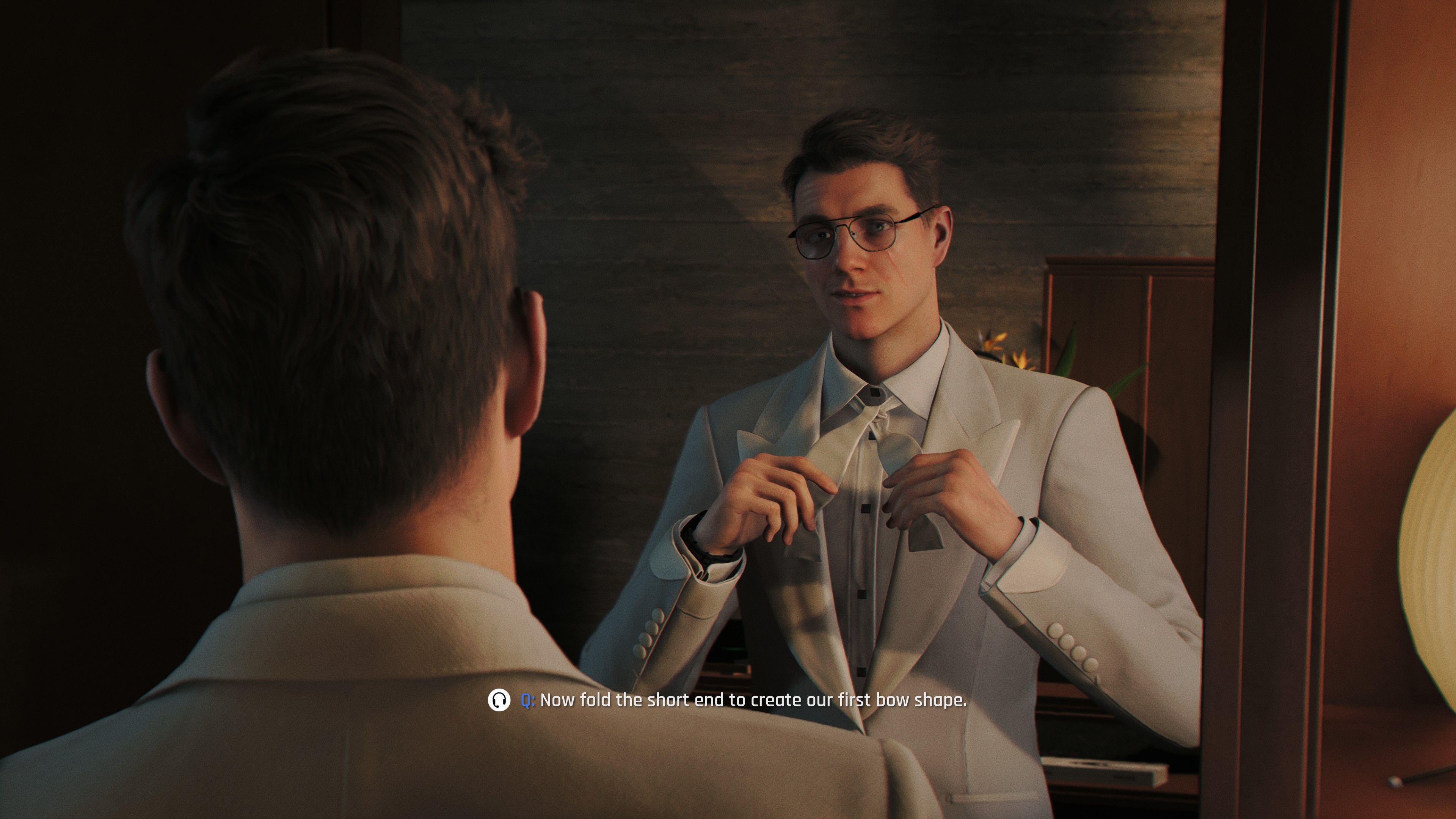
The narrative is, unquestionably, First Light’s best-realised part. It is very Bond, and draws on the franchise’s entire cinematic history to create moments and setpieces that would feel right at home on the silver screen. IO has, smartly, not confined itself to one era or genre of Bond, drawing on all things Connery to Craig to create its take.
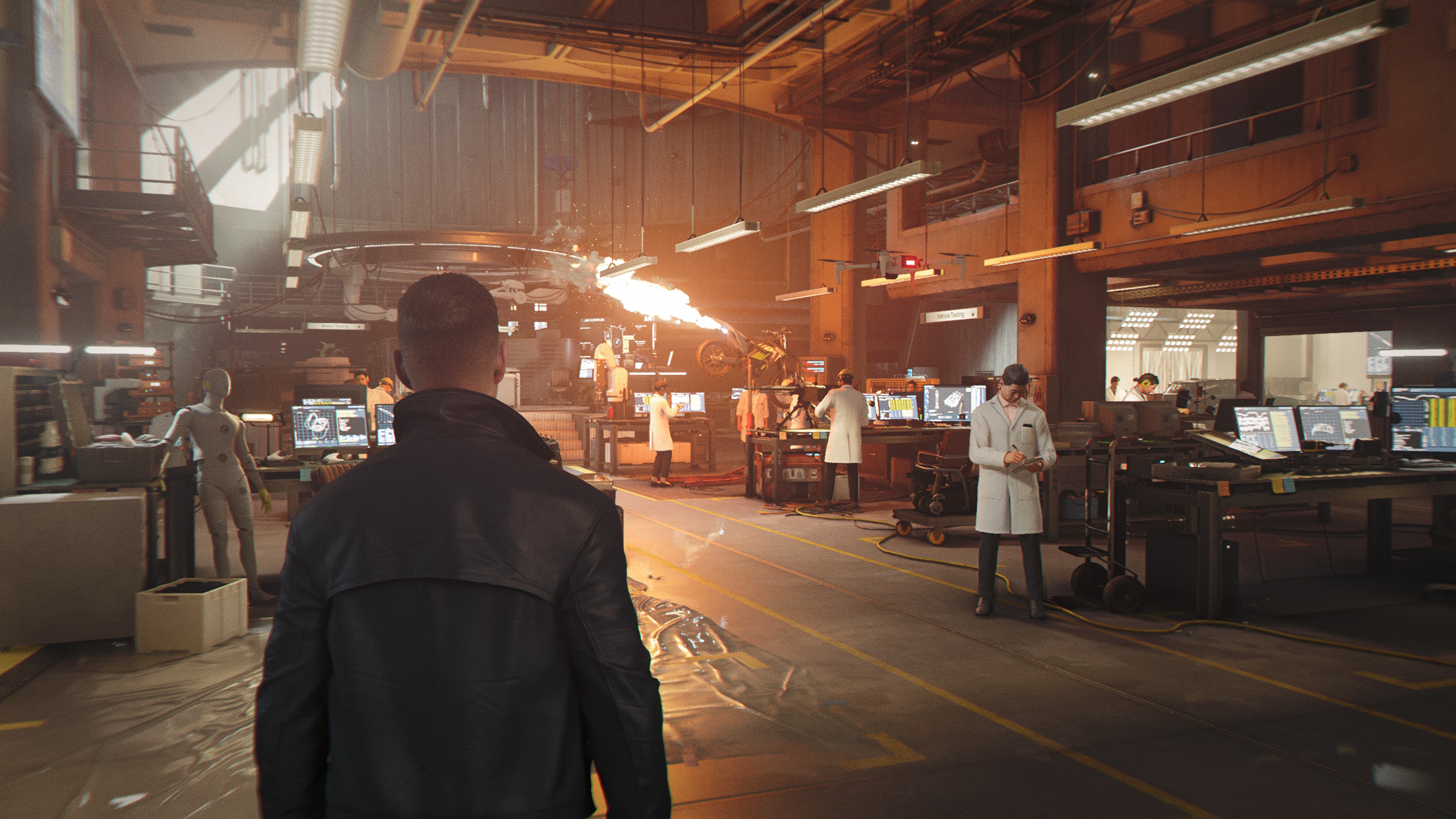
You want the crunchy melee and quiet-spoken villains of the most recent film era? You got ’em. You want Brosnan-esque repartee with Q as 007 wanders about the lab, messing with gadgets? You got that too. Want Bond literally strapped to a rock about to be cut in half by a big chainsaw, like the campiest of ’60s camp? It’s here, it’s very good fun, and it’s wedded to a plot that could hardly feel better timed. No spoilers, but First Light’s central conceit adroitly taps into all our modern anxieties about the onset of AI and AI ‘pioneers,’ even while it’s dangling Bond over a pit of crocodiles like this is 1965.
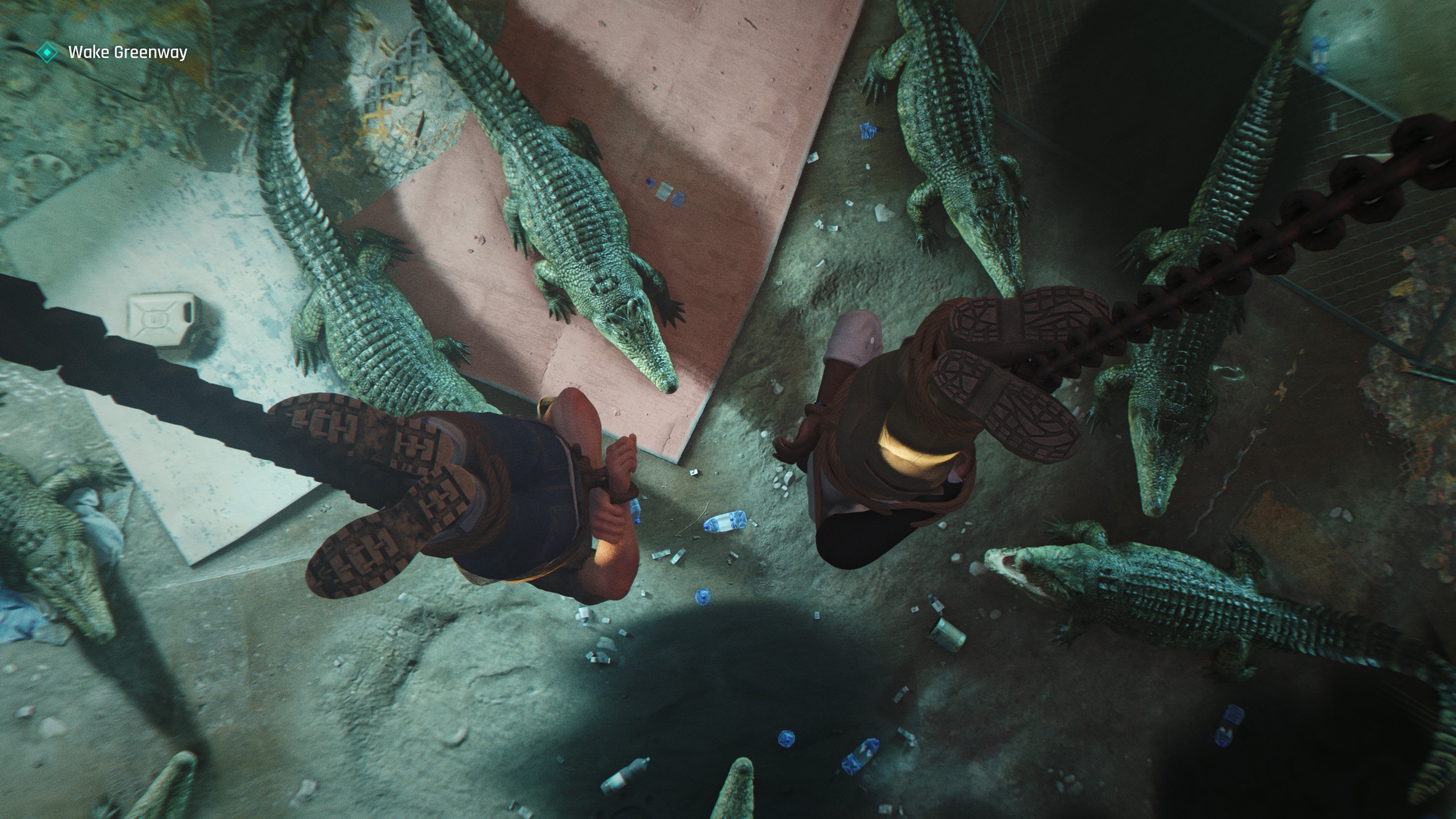
Here’s the part where I say ‘but’. It is also a rickety plot: a 2-hour film spread across a 20(ish)-hour game. There is simply not enough of it to sustain the game for that long, nor is there enough depth to First Light’s characters to keep things feeling fresh for the runtime. It gets repetitive, sometimes literally: the number of times characters would begin a cavalier rejoinder with the phrase “What can I say?” almost drove me mad by the game’s end, and I found myself a little baffled by how the game chooses to spend its time.
For instance, if your big question about 007’s early days is how this young man cultivated the skill, the grace, the dexterity and stamina to undertake the kind of missions he does? First Light will answer that for you. It will answer it at length, via the aforementioned three-hour tutorial that luxuriates in telling you just how James Bond got so good at capturing flags and beating up guards.
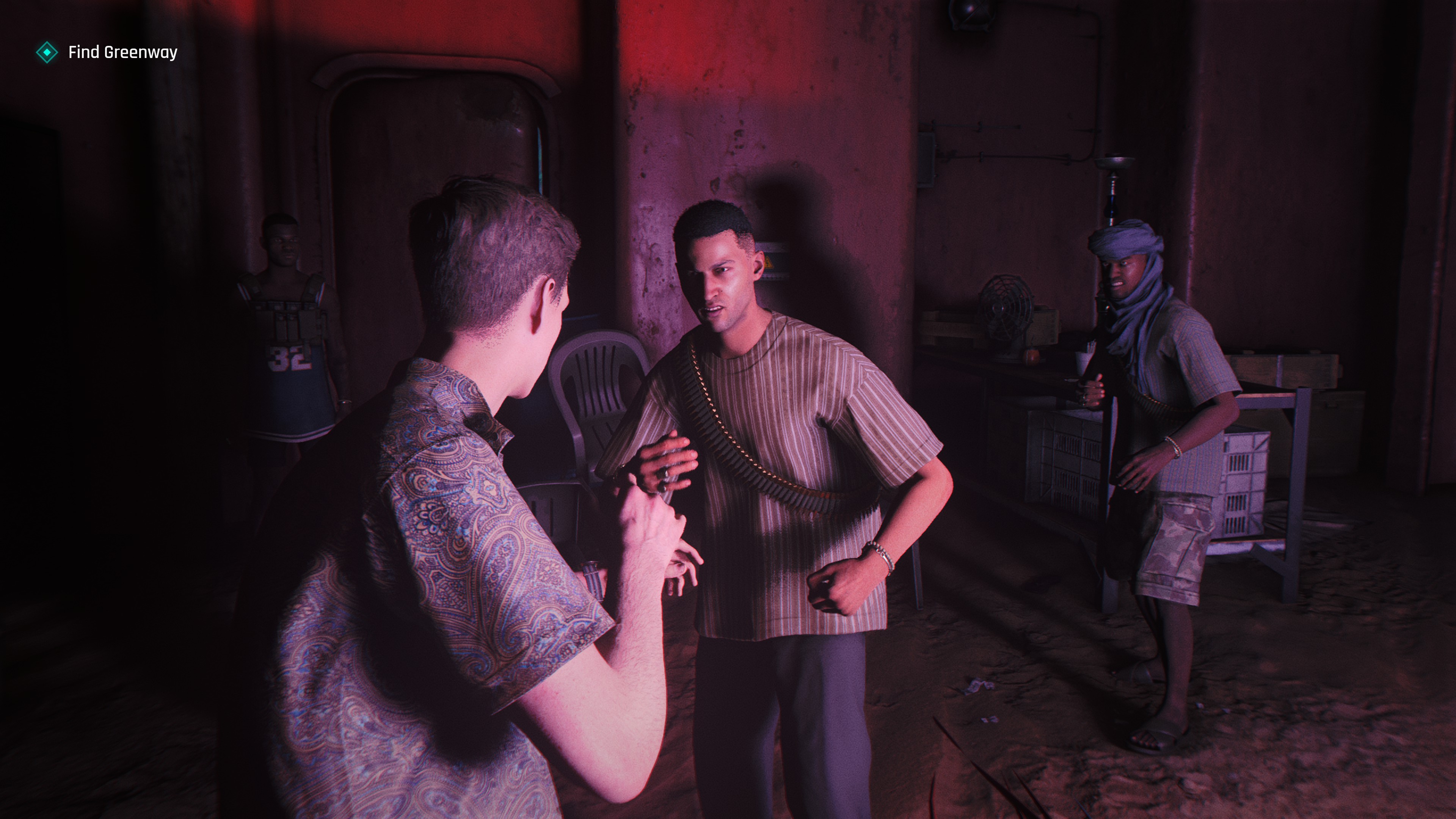
It will also answer the question ‘Can we put Lenny Kravitz in our game for some reason?’ with a resounding ‘Yes!’ without ever really finding anything to do with his character beyond using him as a mouthpiece for the Land Rover brand, upon which he lavishes great praise.
But if you wonder how, for example, a 26-year-old man might respond mentally to the first time he kills a person, or how he reacts to the subsequent 68 trillion people he kills over the course of the game after that? This does not get addressed. It doesn’t even come up. Some narrative wells never get tapped; others get drained bone-dry, to the point of tedium, and it is inexplicable how IO decides which is which.
Some narrative wells never get tapped; others get drained bone-dry, to the point of tedium, and it is inexplicable how IO decides which is which.
And, yes, there’s Bond himself. He’s smug and annoying, and while it is fun when other characters point out to him how smug and annoying he is, you still have to endure him for the length of the game. And despite the studio’s assertions that its immature Bond would wisen up over the course of the game, I can’t say I detected much in the way of character development by the end of his adventures. If anything, everything about him gets reinforced, as 007’s loudest detractors are forced one by one to admit that, goddammit Bond, you’re exactly what the agency needs right now.
The world is not enough
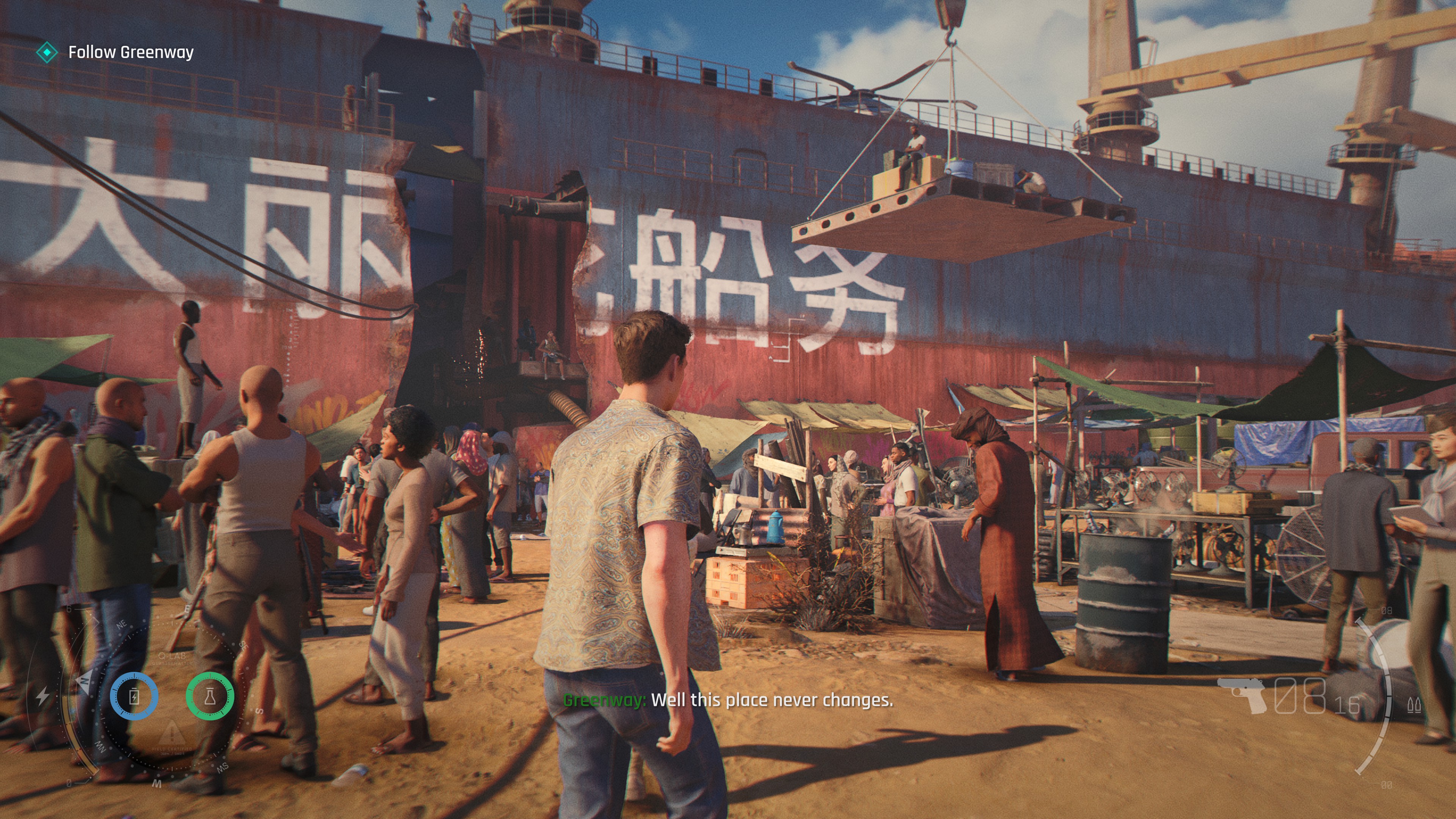
You gotta give IO this: it knows how to globetrot. Bond’s quest takes him all over the world to all manner of disparate and dazzling locations—Mauritania, Vietnam, the Antarctic circle. Like Agent 47 before him, Bond is here, there and everywhere, alternately mixing with the haut monde and hoi polloi in ways that keep the game’s 10 distinct levels feeling relatively fresh and interesting.
As for what you do in those places? There’s the rub.
Bond’s activities in the exotic corners of the world are invariably less interesting than the locations themselves. First Light pitches between two main modes: combat and investigation, linear and slightly less linear, the spirit of a Naughty Dog and the spirit of a Hitman IO.
Let’s start with the first. I am not sure what, or who, it is at IO keeps the studio—the best sandbox minds in the business—so fixated on returning to linear third-person action, but it did not master it in Kane & Lynch or Hitman: Absolution and it has not mastered it here. There are constant reminders that this mode of play is not IO’s natural home, and the studio’s own discomfort with linear action translates into player discomfort in practice.
First Light’s action is awkward and clumsy. Its cover system is strange—Bond neither completely sticks to what you press him against nor does he not stick to it. You will often, in stealth, find yourself nudging the stick to sidle him along, or to attempt to point him at a new bit of cover to lunge towards, and find yourself suddenly poking your head out from behind a waist-high wall like a handsome 21st-century Kilroy.
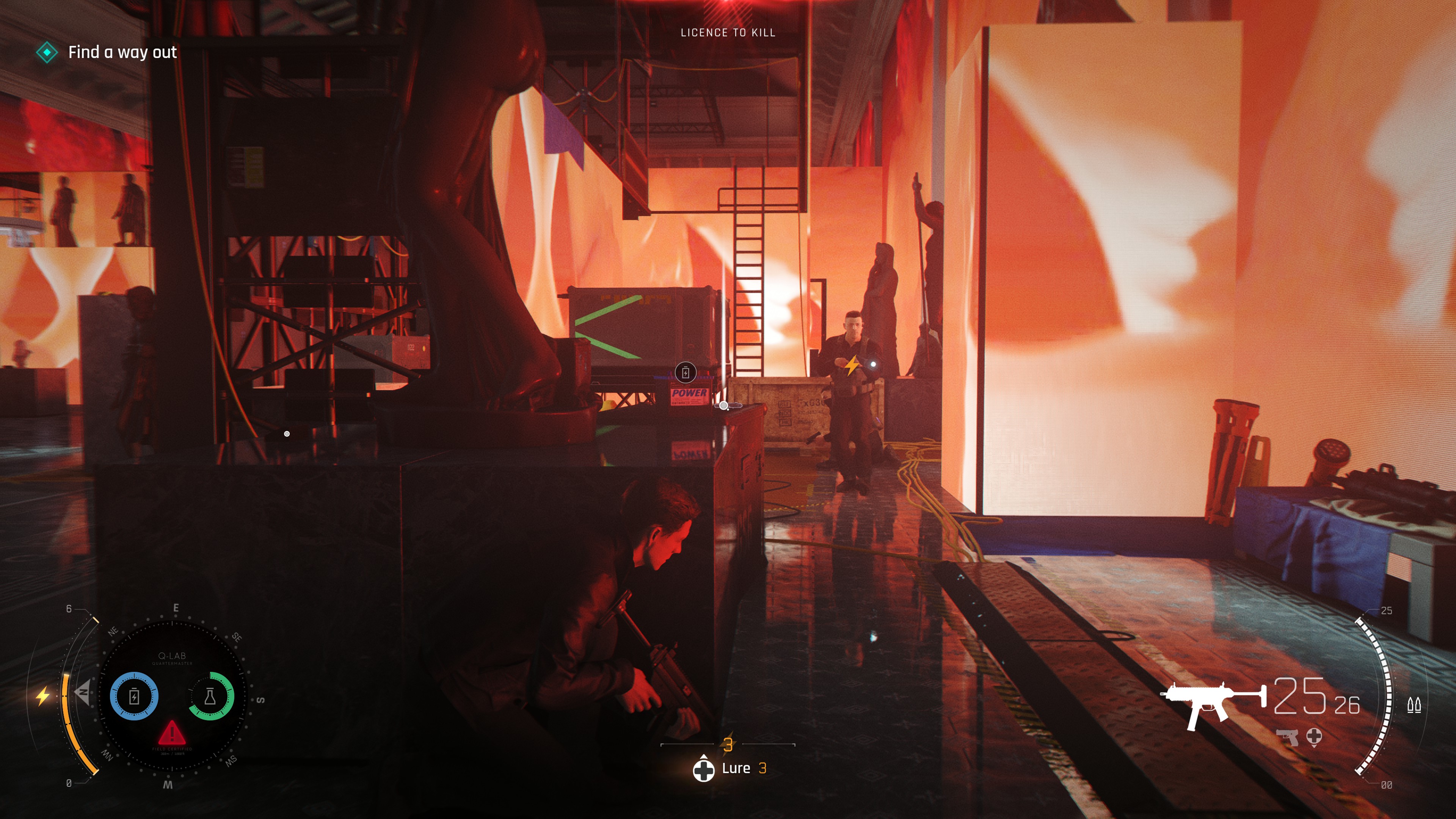
The ‘dash to cover’ button, too, remains as unpredictable as it was when I lamented it in my preview. Sometimes Bond will launch himself at exactly what you intended, at others he will decide that, no, rather than duck behind the wall between you and your enemies, he should instead jam himself up against the wall an inch to his left.
This is perhaps not as devastating to your stealth runs as it could be, as First Light’s enemies are, fortunately, some of the most gormless on Earth. In the interest of letting you transition between combat and stealth with relative ease, your foes have the awareness of moles. You can have entire three-on-one fistfights just metres away from guards at the other end of the room. They won’t mind. They’ve got their detonating AirPods in, maybe.
Those fistfights, by the way, do feel pretty good. I get the impression IO invested more in First Light’s melee combat than its gunplay. The former has more enemy types, more variety, and just feels better—007’s fists of fury feel meaty and impactful where its gunplay feels vapid and perfunctory, and never gets more creative with its foes than ‘Guy’ and ‘Guy in armour’.
But it’s still clumsy. Again, linear action is not IO’s home, and its attempts to weld on a bit of Hitman-style variety end up hurting more than helping when you’re in the thick of a melee. The game’s myriad contextual actions—deactivate an object in the world, sabotage another, throw another, and so on—end up piling on top of one another in the heat of the moment, and you will unavoidably find yourself doing something you had no intention of doing. I lost count of the number of times I attempted to throw an in-world object only to grab a nearby foe, or the times I tried to snatch a gun from the floor only for Bond to calmly flick on a nearby radio.
The game’s saving grace is that it is not difficult, and all these errors are only mild inconveniences rather than run-ending screw-ups, but it’s an omnipresent awkwardness that is utterly fatal to the fantasy of being James Bond, the world’s coolest and most capable man.
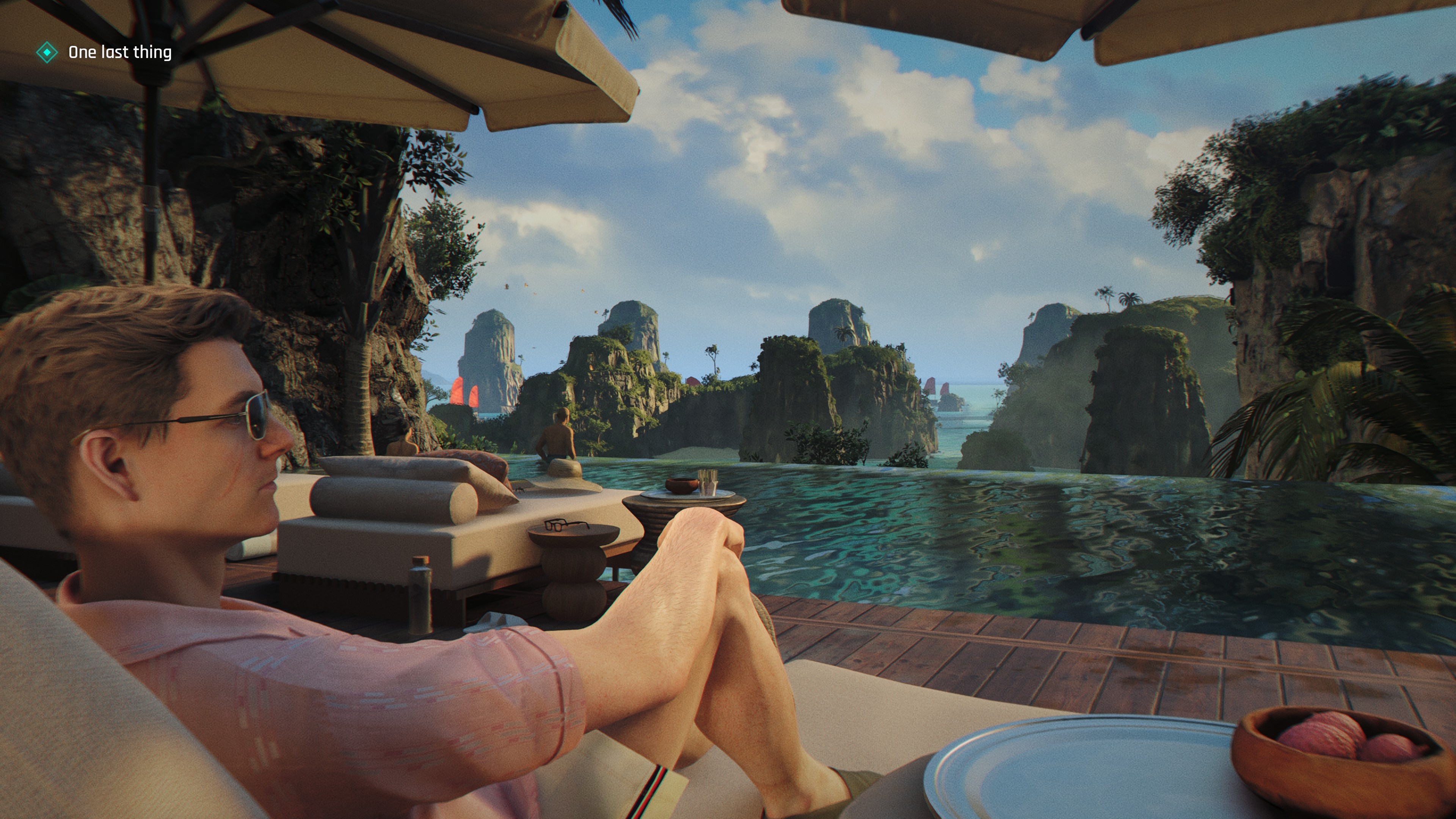
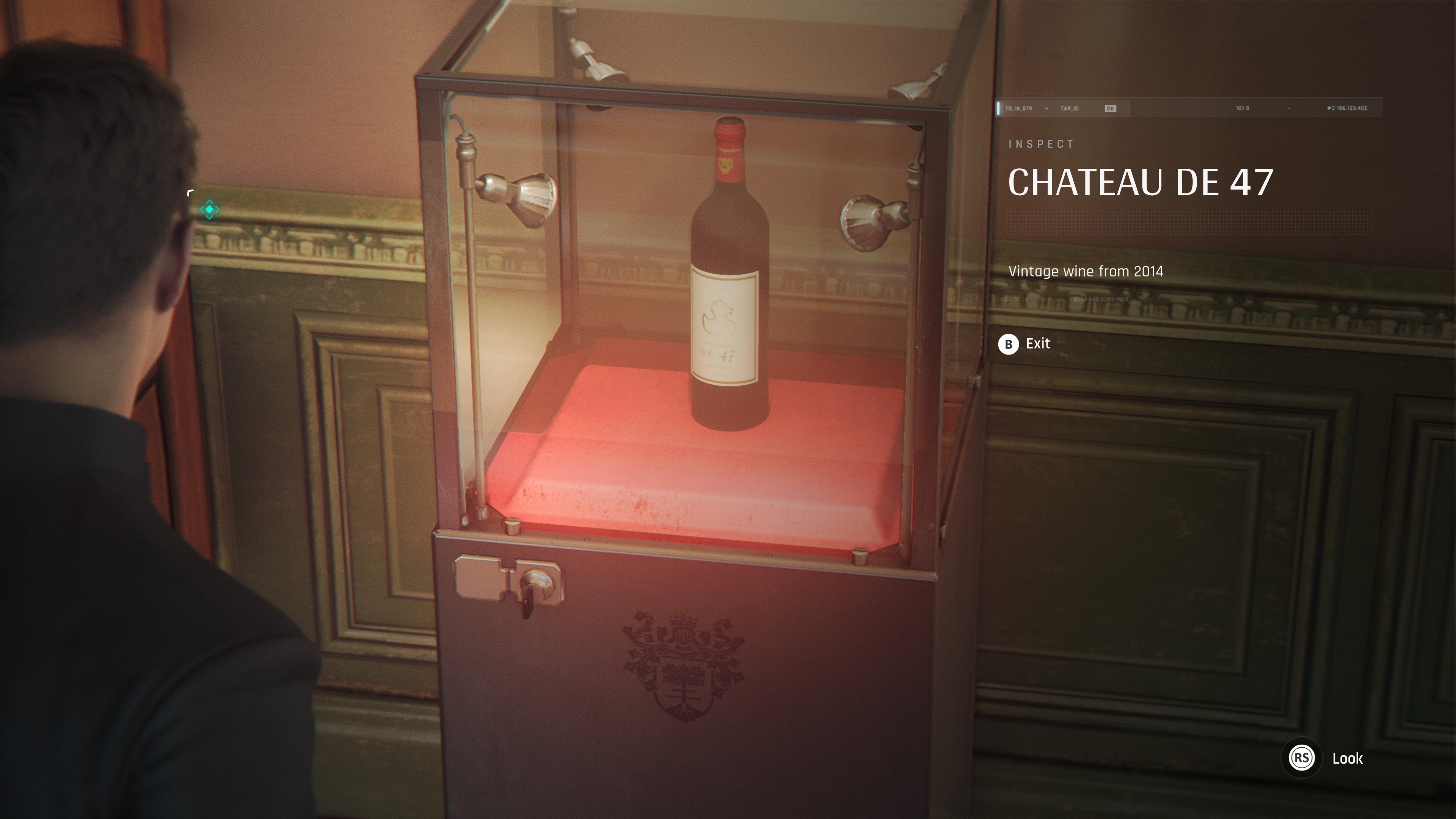
So the linear action leaves something to be desired, which means the investigation areas are 007 First Light’s best part. But make no mistake, they are semi-skimmed Hitman—stripping away a lot of the complexity and scale of IO’s masterpiece without replacing it with much that’s new or innovative.
Consider First Light’s Kensington gala mission, which sparks memories of Hitman’s Paris fashion show. Bond’s goal, like 47’s, is to get upstairs, but where 47 had a vast ocean of a level to play with and explore, Bond is restricted to an area only slightly larger than the Paris catwalk itself.
Where 47 could distract with bombs, disguise himself as a range of characters, set up traps in the environment, and generally tinker with uncountable edges of his environment to engineer an opportunity to slip up the steps, Bond can… eavesdrop on a couple of conversations and follow their Mission Story-esque quest objectives to their inevitable conclusion: being upstairs.
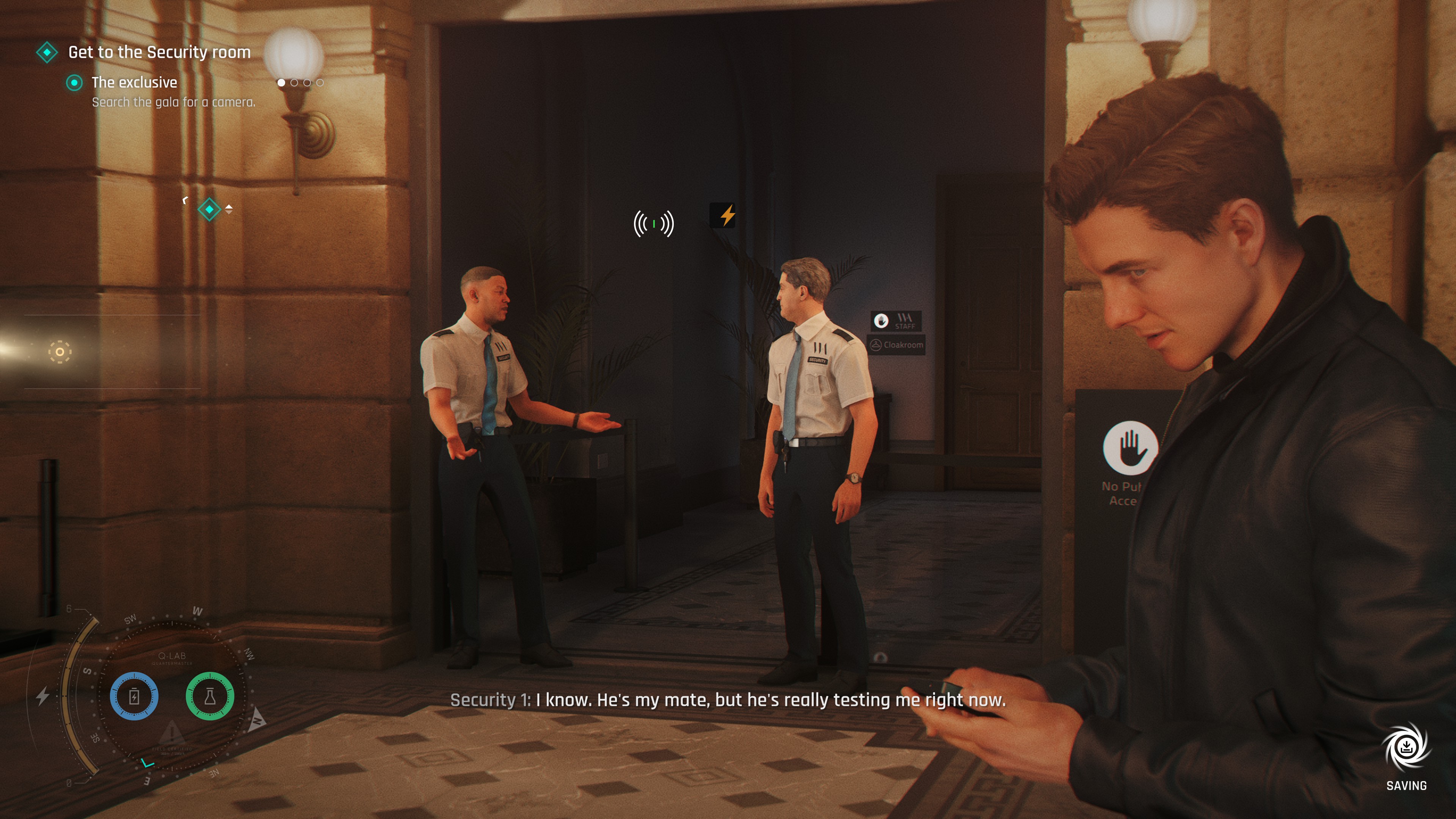
These parts aren’t bad. They’re fun enough palate cleaners in a game whose big setpieces come in its action-heavy sequences, and IO knows how to litter interesting detail across even limited ‘sandboxes’ like these, but they constantly evoke comparisons to Hitman and reveal themselves as anaemic by contrast.
It is the little interstitial bits like the plane-banking section—the one-off gameplay sequences that IO chucks in between the main meat of the game’s investigation and action, that are the most interesting, that convince you that IO still has it, but has been boxed into an anodyne corner by either its own design philosophy for First Light or by the Bond license itself. But these are, by intention, few and far between.
Second light
007 First Light is not a bad game, it’s just an uninspiring one—clumsy and awkward and constantly drawing comparisons between itself and other games that achieve its aims much better. It’s a very good Bond tale wrapped in a game that veers between unexceptional and ungainly, and whose genuine moments of brilliance don’t make up for its long runs of overfamiliarity.
Perhaps, now the studio presumably feels more comfortable with Bond and the process of making a Bond game, a sequel would make leaps where First Light played it safe, and I’d be keen to see one. But as someone who was ravenous to play anything with the IO badge on it after the masterpiece of Hitman: World of Assassination, I can’t help but be disappointed by just how ordinary First Light has turned out to be.
2026 games: All the upcoming games
Best PC games: Our all-time favorites
Free PC games: Freebie fest
Best FPS games: Finest gunplay
Best RPGs: Grand adventures
Best co-op games: Better together