

Idols of Ash looks like another of the droves of low-poly first-person horror games oozing from the 21st century collective consciousness, but it’s actually more of a climbing game. I meet the nameless protagonist at the mouth of a mysterious, fathomless pit. For some reason it’s my objective to reach the bottom of it.
At first I start to drop down from one platform or outcrop to the next like I would in any other first-person game, or like I would down a well, or the inside of a giant tree, in a Dark Souls game. Idols of Ash reminds me a lot of FromSoft’s games, especially of the recurring Miyazaki motif of dropping carefully into an abyss that seems to widen and contort the further I go. The atmosphere here is pure melancholy murk until, with the flip of a dime, it turns skin crawling.
Crucially, I have a grappling hook. This is the trick that Idols of Ash’s two hour runtime orbits around. If I hook into where I’m standing I can descend safely into the pit to my rope’s full extent. Or, more daringly, I can drop without an anchor and hook onto a surface during my fall. I can also swing with this grappling hook, gaining enough momentum to allow me to make leaps of faith towards distant platforms.
I do this extremely slowly at first, all the better to get a handle on a movement system that becomes more flexible and expressive the more I interact with it. Ain’t this nice, I thought: a slowburn exploration game for nyctophiles!
But then a ginormous freaking centipede appeared from the gloom above, snapping me in half with its trunk-sized mandibles. Game over.
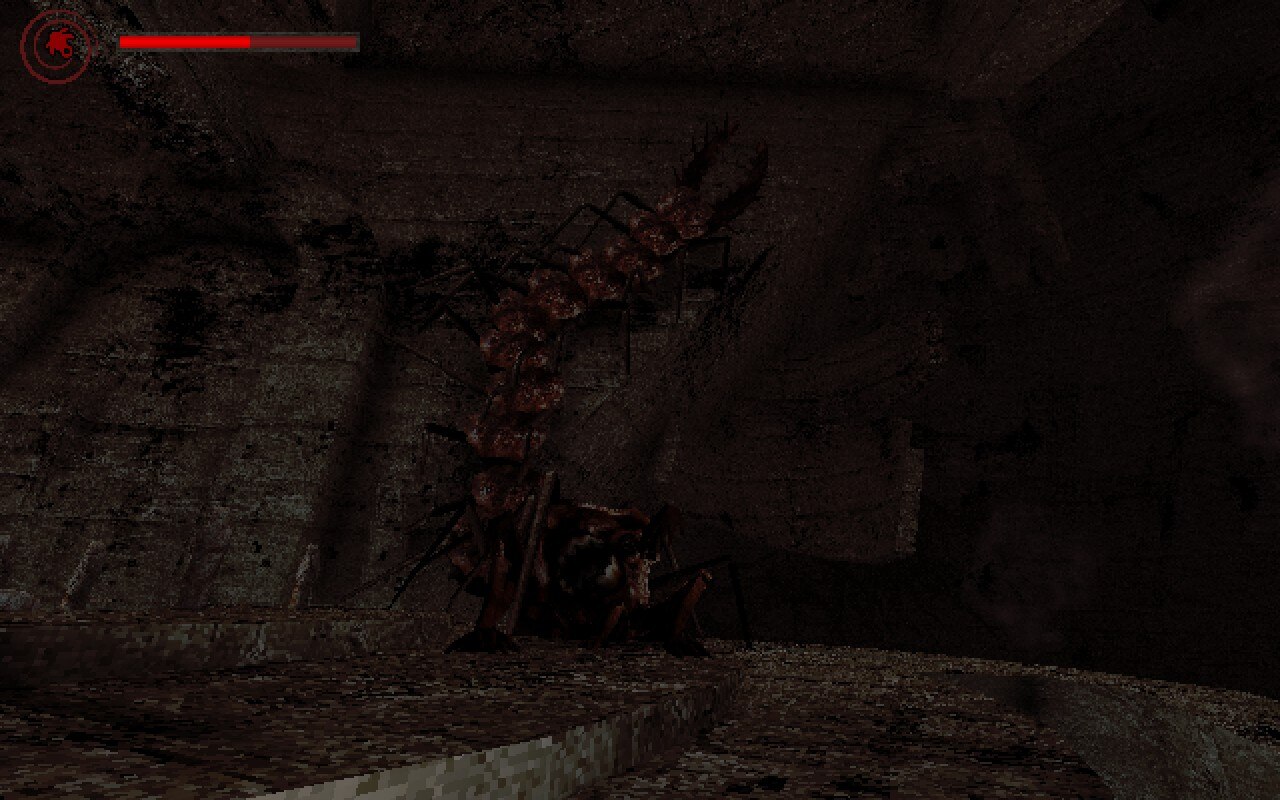
The tonal whiplash made me rage quit, if I’m honest, but the promise of that grappling hook and the eerily cylindrical subterranea brought me sulking back. I learned to go fast. The further downward I charted the less I could dare rely on hooking and descending: I had to jump and catch, swing and leap. A growing understanding of the expanse was useful, yes, but so was better knowledge of what kind of surfaces the grappling hook can grapple to, and how much slack I need to make quick scurrying leaps. Sometimes I’d just have to hope for the best.
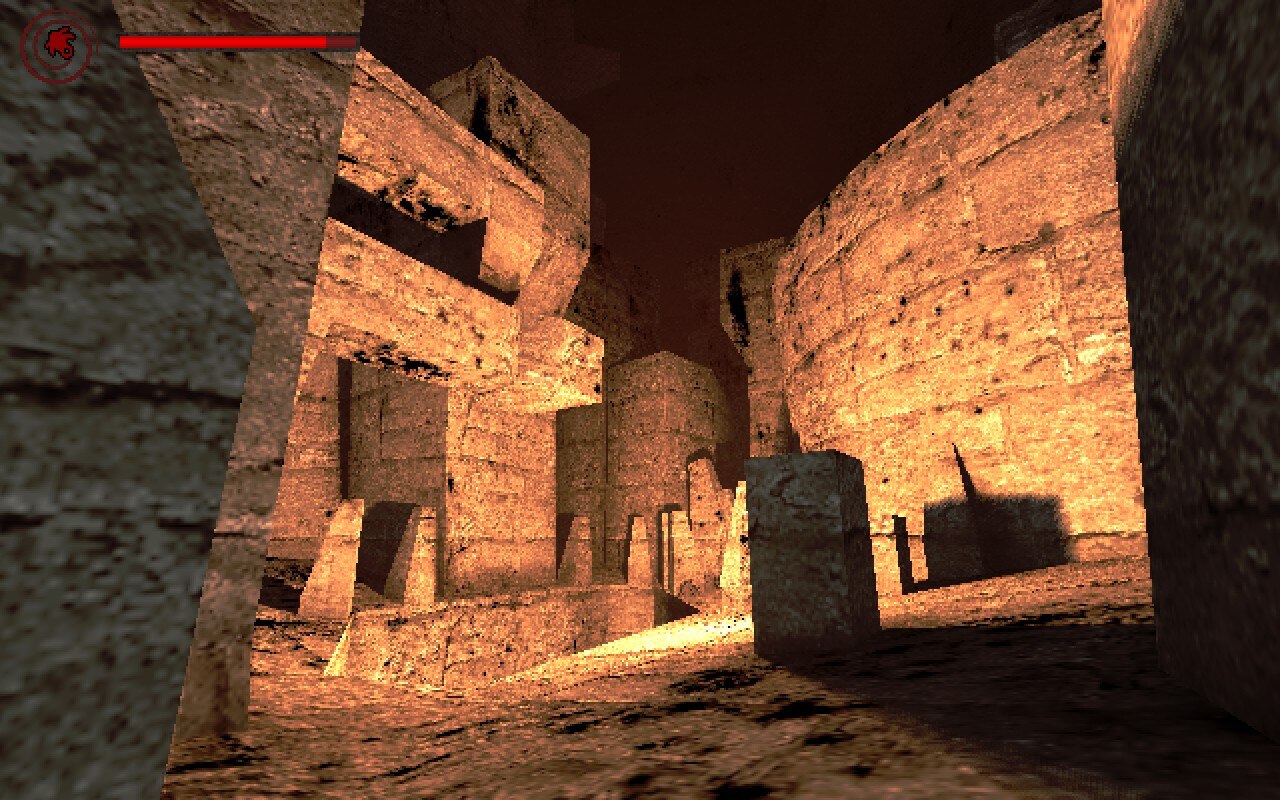
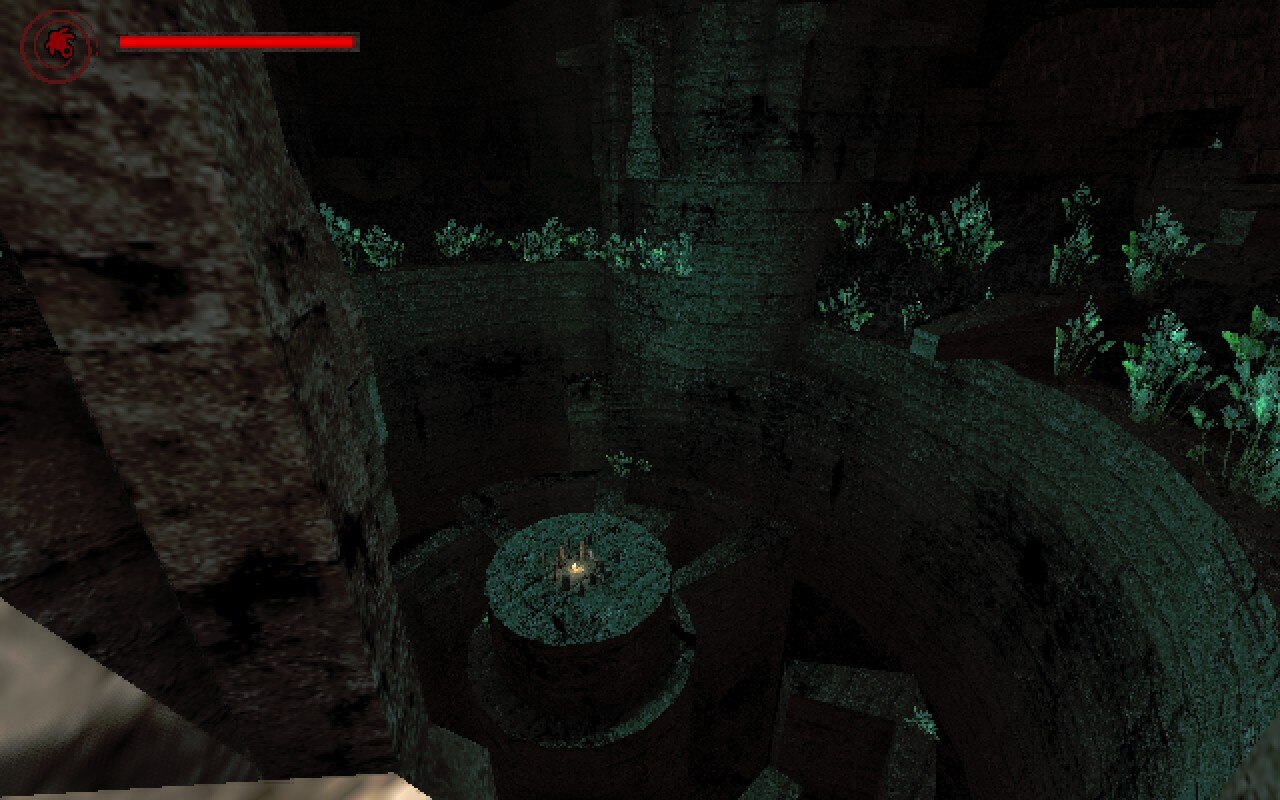
I reckon that giant centipede had my arse at least a dozen times. Dealing with it became easier when I realised that it doesn’t really move much faster than I do, at least on the game’s normal difficulty. The centipede forced me to use my instinct and be dextrous. From a design perspective it’s basically a manifesto: Leafy Games doesn’t want you to descend this hellscape methodically, stopping to take in the depressing sights now and then: It wants you to play this like an arena shooter without a gun.
Like I said, it took me about two hours to complete Idols of Ash, though some people in the Steam forums reckon it took them 20 minutes. Once you’ve finished it you unlock Nightmare mode which removes checkpoints and speeds up the centipede. A lot of people seem to think this is the right way to play it, but I’m not going anywhere near it, thanks. Much more my speed is the sandbox mode, also unlocked post-completion, which lets me explore without the centipede and play around with a bunch of modifiers, like shorter and lengthier ropes, heightened or reduced fall damage, etcetera.
There is a cryptic story threaded through Idols of Ash. The game’s climax is oddly impactful despite the determined vagueness of the exposition up until that moment. I think I’ll need to play it again to make sense of it, but overall I think that climactic moment landed because I genuinely felt like I’d escaped a horrible, high stress scenario. Idols of Ash feels like a feverish nightmare. But don’t worry too much: it’s also an extraordinarily fun first-person platformer. It’s on Steam and Itch.