
Intel and Nvidia are on the record regarding plans to combine graphics chiplets from the latter with CPUs from the former. When this is going to happen, however, now that’s a question.
And the answer, according to a new leak, is early 2028 and maybe just in time for a launch at the CES show that year. Even more exciting, the new chip is set to have stiff competition from both Nvidia itself and AMD, perhaps heralding a new era of high-performance handheld PC gaming.
Tech journalist Erdi Özüağ claims that, “according to Intel’s current roadmap, the targeted date for next-generation processors featuring Nvidia graphics units is the first quarter of 2028, and if plans do not change, the CES 2028 show could serve as the launch event.”
That’s not all that far away and, at the rate things are going in the stand-alone graphics card market, could align with new desktop GPU generations. Indeed, an early 2028 launch would make it very likely that Intel processors with Nvidia chiplets would get the upcoming Rubin graphics architecture.
Nvidia recently revealed that a Rubin-based version of its own new RTX Spark CPU-GPU superchip will be launched in 2028. It’s not known when RTX Rubin desktop graphics cards, perhaps to be branded the RTX 60 Series, will arrive. But the latest rumours point to late 2027 or early 2028, which does indeed line up with this new “leak.”
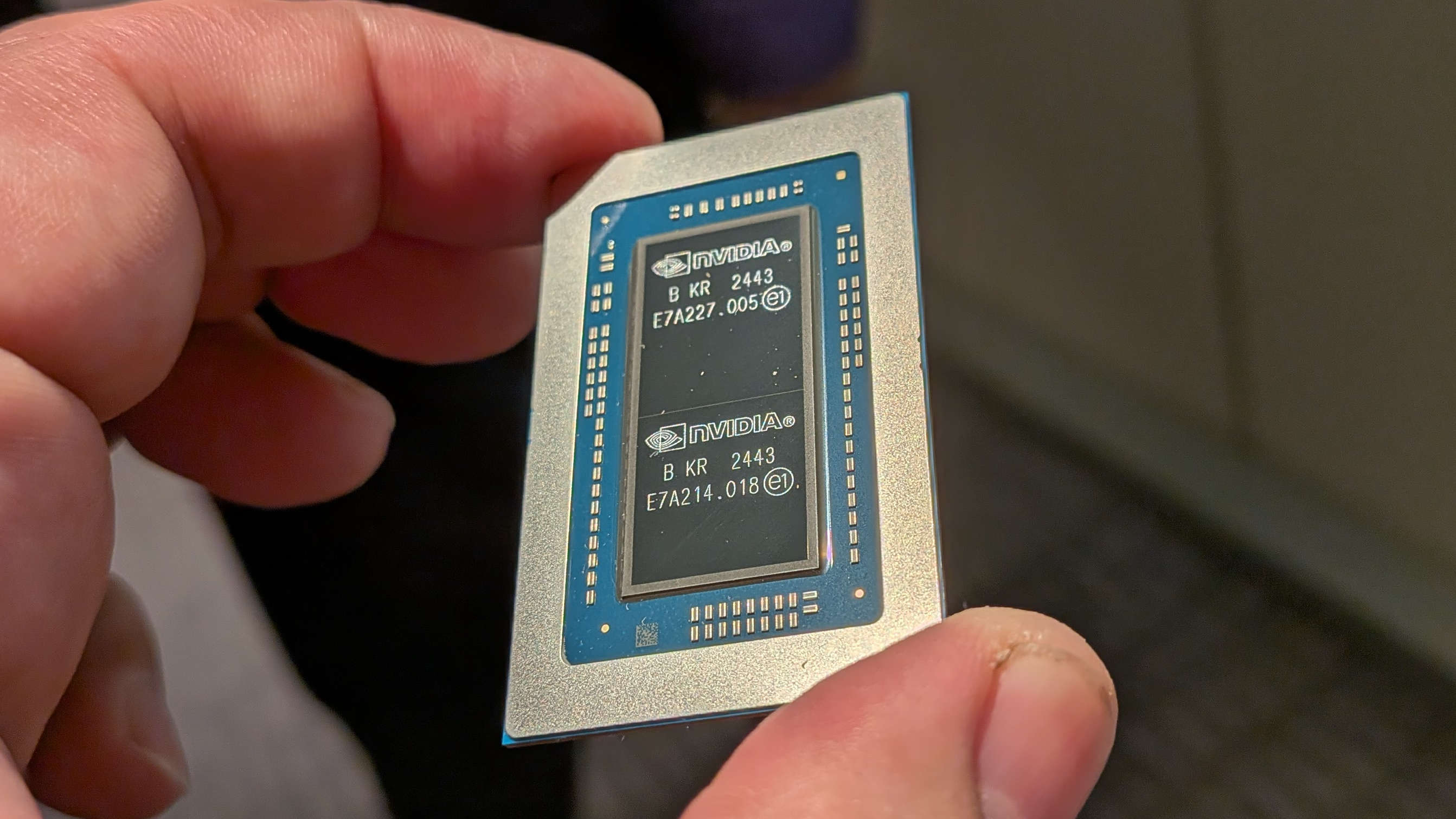
If this information is accurate, 2028 could be the year that APUs or chips combining CPU and GPU in a single package make a really big impact on PC gaming. These APUs are the class of chip used in handheld gaming PCs like the Steam Deck and Asus ROG Ally, of course. Along with these new Intel-Nvidia chips, we’ll have Nvidia’s own second-gen RTX Spark offering in 2028.
It’s possible AMD could also launch new APUs in 2028, codenamed Grimlock Point and Grimlock Halo. Those APUs are not actually next-generation, which are the Medusa Point and Medusa Halo chips due later this year or in 2027, but the generation after that.
There are various rumours around what silicon production nodes all these chips will be using. By 2028, TSMC’s upcoming N2 node will be quite mature and its A14 silicon could even be an option. Meanwhile, Intel’s 14A node will supposedly be in full production by 2028.
Whatever, it seems safe to say that all of these new APUs will at least benefit from significantly more advanced silicon than anything available today. And that should allow both a high transistor budget for more performance and better efficiency.
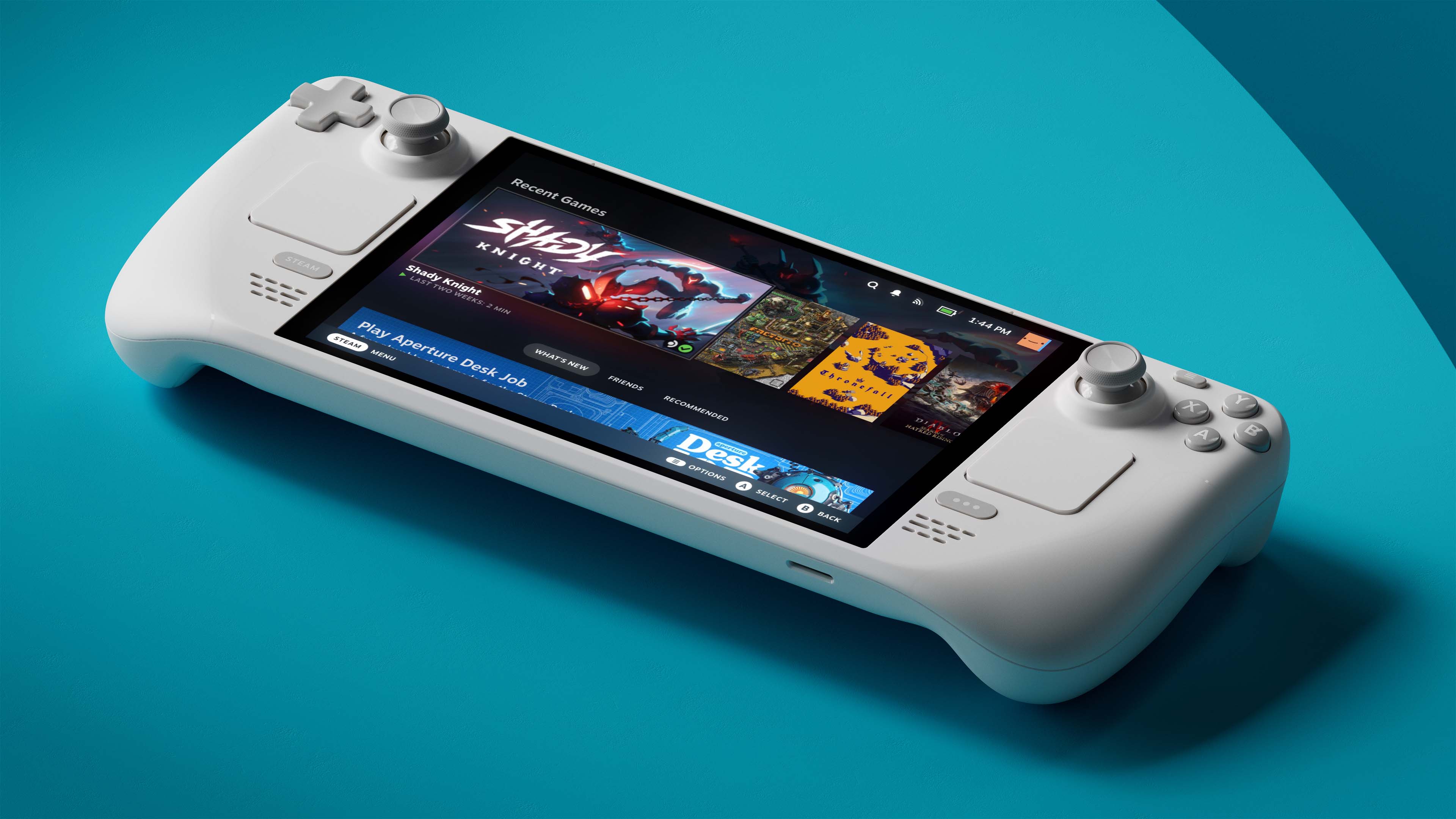
So, it’s pretty exciting to think about the levels of performance and battery life that might be possible in a handheld PC when all these new APUs come online in 2028. Indeed, 2028 is also a plausible launch date for the second coming of Valve’s super-popular Steam Deck handheld.
Just like the OG Deck, Steam Deck 2 is likely to get custom silicon. Valve has spoken repeatedly about wanting, essentially, to wait for a really major advance in both performance and efficiency before releasing a follow up to the Steam Deck. And it very much looks like 2028 could be the year that such technology finally becomes available.
Watch this space, but 2028 could well be the year that handheld gaming makes a big leap forward. Let’s just pray that the memory crisis is more or less over by then, otherwise these fab new devices might be too expensive to really matter.