

Between online video calls, streaming, content creating, and messing with music, I really appreciate a good microphone for my PC setup. Once upon a time I’d be hard pressed to find a high-quality USB mic, but with many gamer brands stepping into the space great PC mics have become more commonplace.
What I haven’t seen before is an exceptional quality PC mic that can also switch over to XLR interface for analogue use like Rode’s NT1 5th generation release.
Rode may not be super familiar to gamers, but for those into music production and other content creation, the brand is a household name. Known for putting out excellent recording options, Rode has often been revered as delivering audiophile quality, often a bit cheaper than some of the other contending brands like Sony. The NT1 5th Generation microphone is yet another example of this, but in a mic that’s so flexible you can use it for basically anything you can dream of.
Unboxing the mic is a neat experience as it’s immediately obvious by the heft that this is a premium product, which you’d want for $259 USD. There’s a lot more metal than I’m used to, including an aluminium body and full mesh over the actual mic portion.
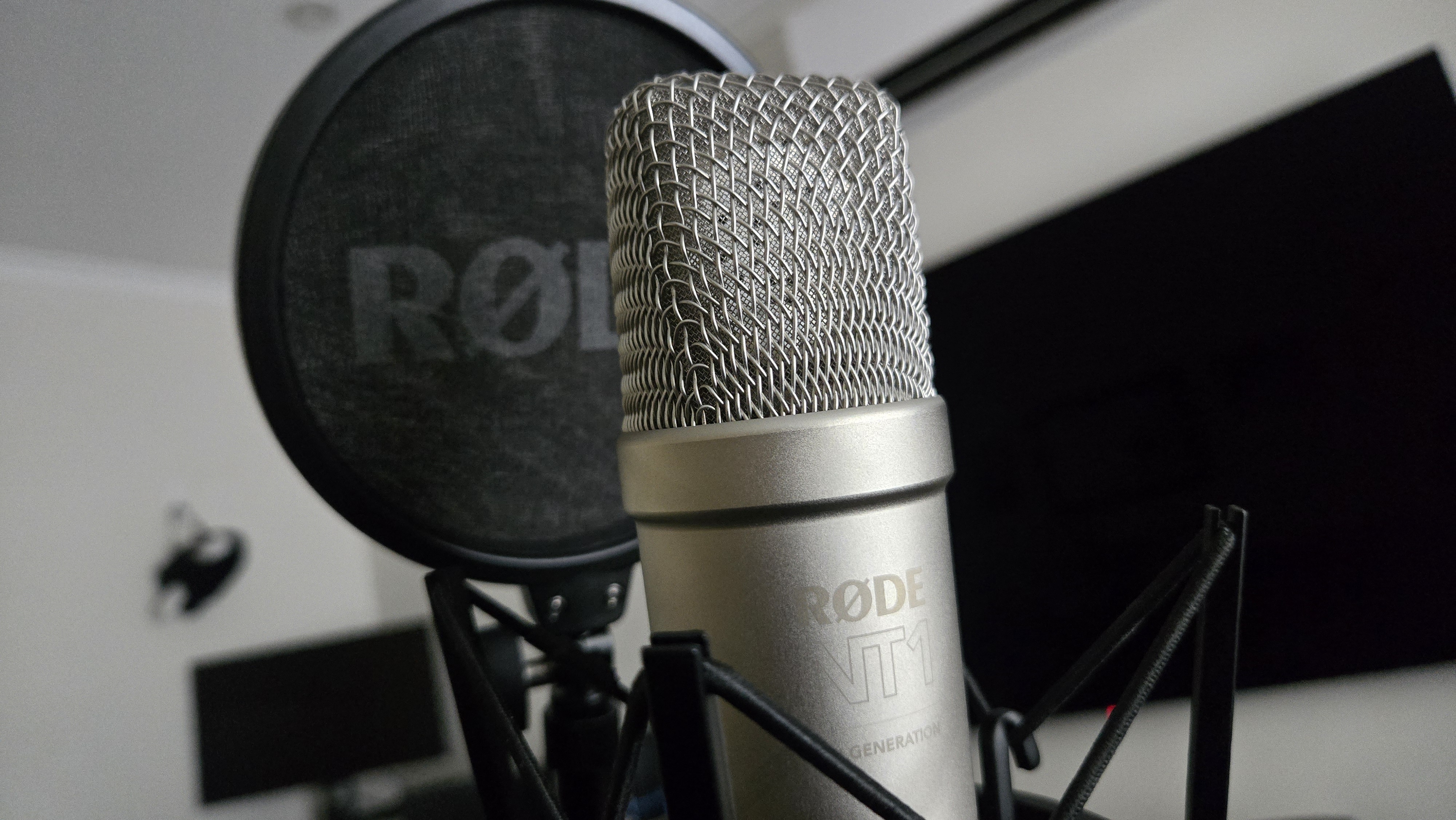
Type: large-diaphragm cardioid condenser
Connectivity: USB Type-C and XLR
Recording Sample Rate: 48 / 96 / 192
Frequency response: 20 Hz to 20,000 Hz
Features: Rode software, pop filter and mount
Price: $250 USD | $420 AUD
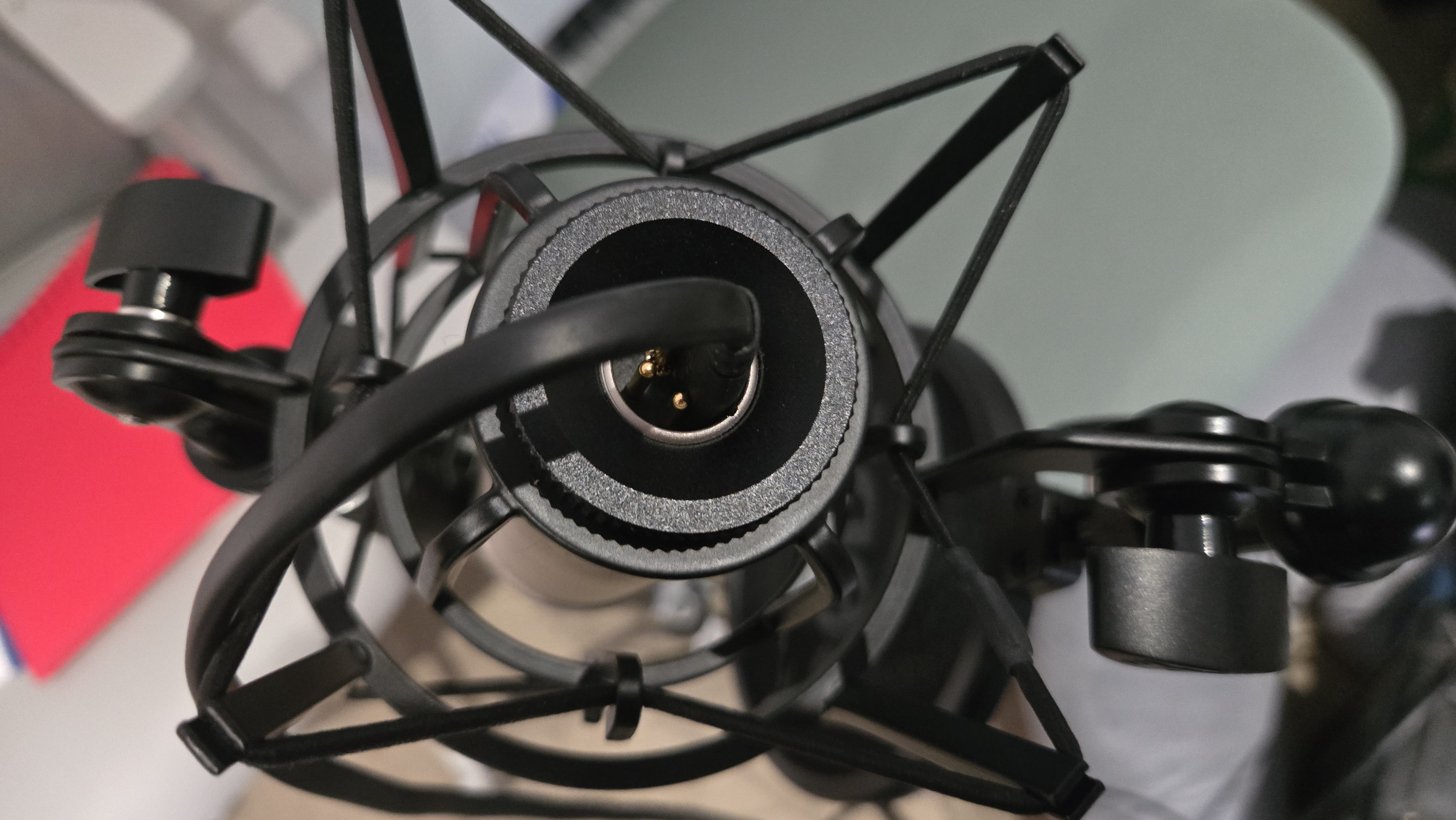
The box also includes a shock mount, pop filter, and USB C and XLR cables that are thicker than the oceans (seven Cs) so it’s usable straight out of the box. There’s no stand, but it’ll work with the standard threading for anything you already own. I’ve also had success on a box with a hole cut out for the cable and simply holding the mic.
The first thing I noticed when recording is how low the sound floor is on this microphone. Being a large-diaphragm cardioid condenser microphone, it is designed to pick up every little noise, but I also realised that my voice wasn’t coming across as much louder than many ambient noises around me. Still I was impressed with the plug and playability across every device I tried it with. This noise gate issue isn’t ideal for things like streaming but that’s where Rode’s free software comes in.
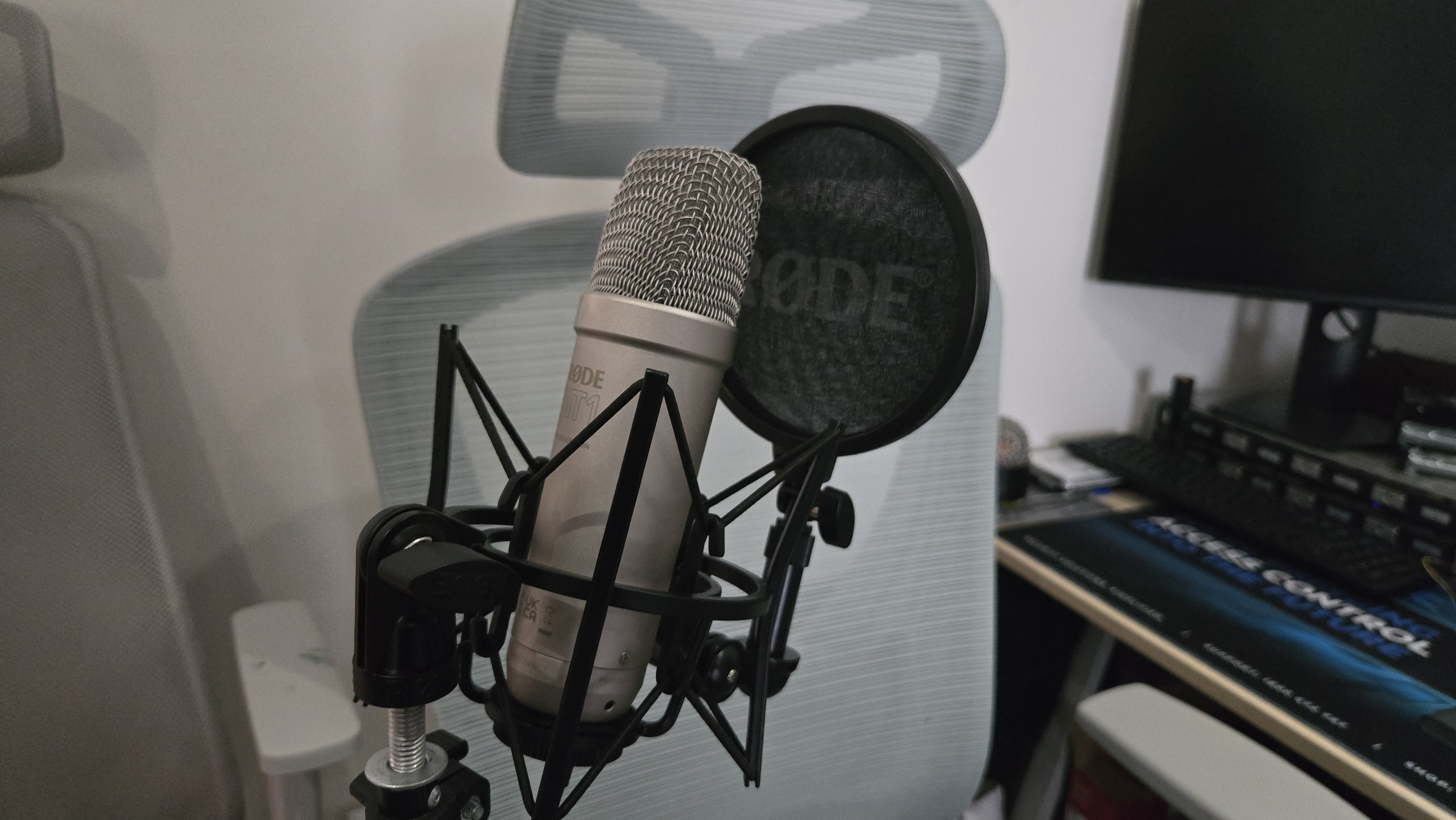
While there are no controls on the microphone itself, when plugged in via USB you get access to extra functionality through the free Rode Central app. This lets you set a gain input to raise the volume so your voice is crystal clear as well as manage the high pass filter to get rid of those background noises and it works a treat. Using it I managed to get my stream sounding like this in only a few tweaks.
Rode offers a few other apps to do even more, but for most this is probably all you’ll need to play with. Though, after all this tampering I was worried about clipping, but that’s another thing this mic handles wonderfully.
As low as the sound floor is, the ceiling appears to be just as high with a frequency range from 20Hz to 20kHz which outdoes our current fav mic the Shure MV6. Rode boasts that the NT1 5th Gen is an unclippable mic, and under the right circumstances they might be right. It’s pretty hard to make this thing clip without the gain turned up a fair bit. If you’re using Rode’s suite of apps you can even recover sounds when this happens or alter them. The pop filter and mount also do a great job of keeping harsh sounds away, and the microphone itself is dead quiet which makes for very clean recordings.
This is partially because of high quality the recordings are, but also just thanks to the classic sound this mic offers. It really does have a lovely warm tone to it, which has been loved by singers since Rode started offering the NT1 mic. This same timbre applies to spoken voice, so if you’re a streamer who values the tone of your talk, this will likely bring out the best in it. Though it’s worth noting there’s no native mute button on the physical mic, so you may need to setup a digital option.
✅ You ever go analogue: Being able to go from USB Type-C to XLR is seriously a massive boon that makes this mic feel like two. If you ever need an XLR mic or wanna really tune in your setup with a mixing board this mic gives you the flexibility to move between the analogue and digital worlds.
✅ You care A LOT about audio: This mic gives a lot of options with that massive range and lovely tone. There’s not a lot you could point this at and not have it sounding lovely out the other end.
❌ It’ll live at your PC: There’s not much point forking out the extra cash on this microphone if you’re not going to take advantage of its flexibility. You might do better to get something more specific to your purpose for less money.
❌ You’re on a budget: Seriously, for streaming, videocalls, and most content creation you can spend a fraction of this and be set. Don’t blow your whole budget on a fancy mic you’re not really using.
The lack of on-mic controls seems odd, but it’s because this isn’t a mic designed for PC gaming, it just happens to be one that works excellently with it.
Instead, this mic is designed to be plugged into other things that control it which can take some setting up, but it also allows you to take this mic to different projects with different settings held to the computer, rather than accidentally layering things onto the microphone. It keeps it clean, so when you take this mic to a gig and plug it in via XLR you don’t have to worry about your gamer settings getting in the way.
It does mean this isn’t the right choice for many gamers. Most would be fine with something a fraction of the price like the budget friendly Amazon Basics USB Condenser Microphone or even a midrange option like NZXT’s Capsule Elite.
But if you’re a gamer who in any way dabbles in other content creation this could be the answer for you. It’s a steep price difference, but the NT1 5th Gen almost feels like getting multiple mics in one package. By no means does it seem unfair for a studio quality mic with massive range, a fair bit of customisation, and the ability to use it wherever you want.