
I always thought history was boring as a kid. Nuts to the past, I want cool tech, body mods, and lightspeed travel! But maybe I would have felt differently if I had a game like The Adventures of Elliot: The Millennium Tales back then. What better way is there to appreciate the past than violently cutting down a million monsters in a ye olde fantasy Philadelphia?
What is it? Time-traveling adventure full of optimism and high-octane hack-n-slashing
Release date: June 18, 2026
Expect to pay: $60 / £50
Developer: Square Enix, Claytechworks
Publisher: Square Enix
Reviewed on: Intel Core i7-13700F, NVIDIA GeForce RTX 3060 Ti, 16 Gig RAM
Steam Deck: Verified
Link: Official site
Centered around the—you’ll never guess—adventures of a guy named Elliot, this is a classic top-down action adventure through and through. I can taste a healthy smattering of Zelda in its recipe, a smidge of Ys, a dash of Quintet’s informal Gaia series. Traveling through time to explore the history of the magic city Philabieldia (no relation to the real magic city of cheesesteaks stateside), all the elements you’d expect of the genre are here: a condensed map, various tools to help uncover secrets, and plenty of puzzle-filled dungeons, all spruced up with Square Enix’s now-iconic HD-2D style looking the best it ever has. You’ve even got a little blue fairy friend yapping your ear off.
And boy does she talk.
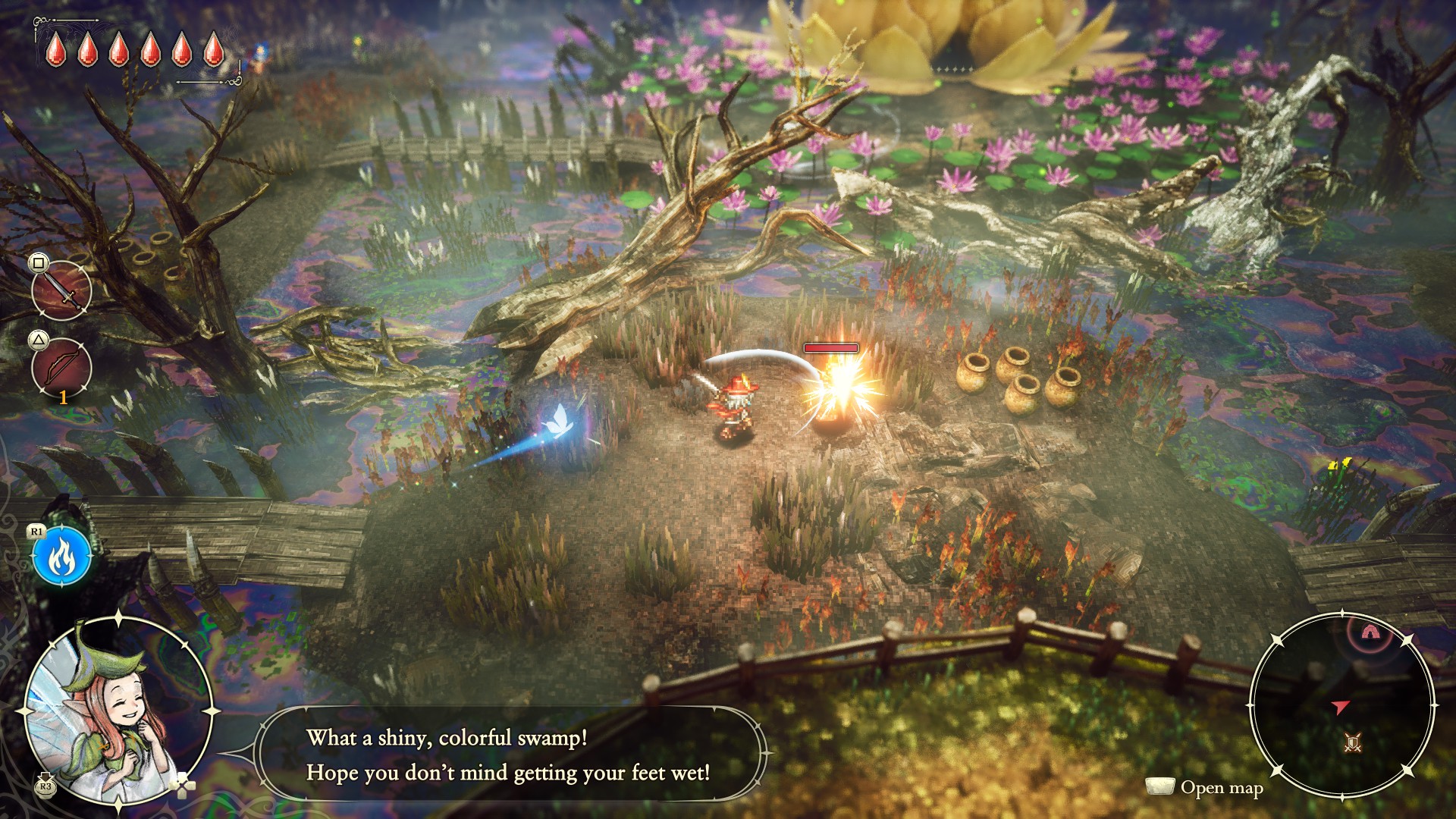
With her portrait sitting in the corner of the screen so she can mug gameplay and cutscenes alike like a hungry react YouTuber, Faie the fairy truly loves to yap. All I’m trying to do is fight my way through a tiny cave, and yet there she is complimenting me after every fight, pointing out every item that drops or chest sitting out in the open or immediately explaining how to solve the world’s simplest block pushing puzzle the second I see it. Luckily for my sanity, there’s an option buried in the menus to cut her rambling down significantly, turning her from borderline unbearable to a charmingly optimistic companion. It’s frankly baffling that’s not the default.
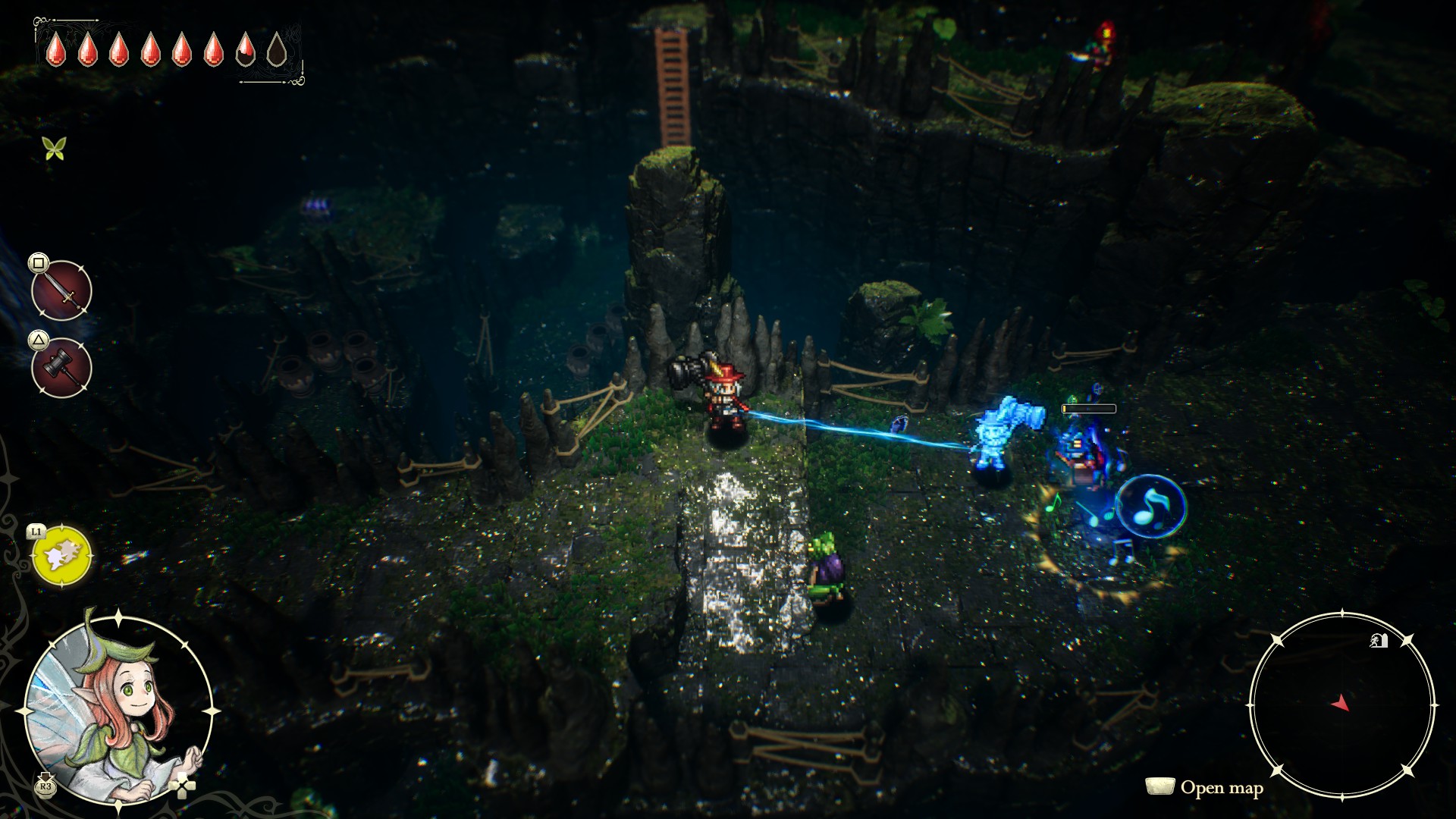
Besides making sure you’ve always got someone to listen to, Faie provides The Adventures of Elliot’s biggest addition to a style of turn-based RPG Square Enix has gotten comfortable with in recent years., She has an entire host of abilities of her own to experiment with. I can urn her into a body double to clear out a host of monsters while sitting safely in another room, or have her warp me past entire sections of dungeons. Faie specializes in producing moments that make me feel like a genius cheating the system.
Controlled with either the right stick or by a friend, taking full advantage of her freeform powers can be brain-breakingly busy (and sometimes left me gripping my controller in a monstrous double claw), but the satisfaction of whacking an evil elephant with a hammer into Faie right as she’s turned into a mini tornado to hurl them into a pit is incredibly satisfying.
Timed events
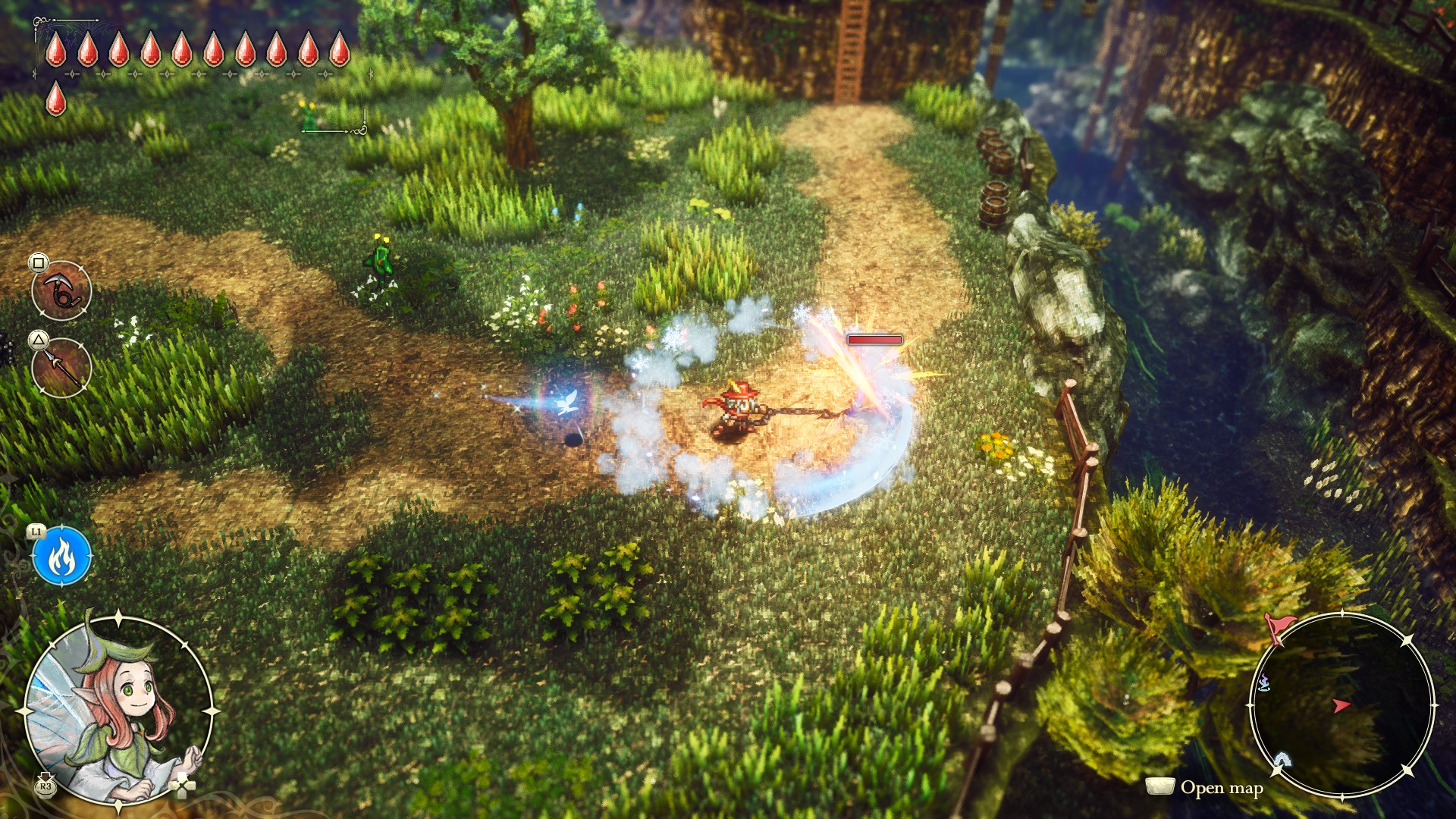
Not that I wasn’t swinging a sword plenty myself. The Adventures of Elliot is a lightning fast game. Classic JRPG electric guitar wails while I hop over boulders that are sinking into lava. As soon as I land in a locked room, half a dozen murderous monsters are beelining right for me. At its best it’s positively exhilarating, a total high-octane thrill ride. Many of the bosses especially, these gorgeous behemoths of detailed pixel work, call to mind the furious action of Ys, dashing and jumping and blocking and parrying in an endless back and forth ballet of violence.
And while there’s not many graphic options—mostly the prerequisite smattering of resolution sliders and depth of field toggles—the HD-2D style ensures a strong visual look while keeping the requirements humble, and on my rig it all ran at a perfectly constant 120 fps; ideal for a game that has a tendency to get chaotic.
It’s too bad, then, that the game is so obsessed with making sure I’m never without a rogue rodent to explode that the puzzles suffer. Most about as complex as pushing a single block left a couple inches. Worse, without any memorable puzzles or interesting layouts, the dungeons all lack a strong identity, slipping right out of the mind the moment they’re done.
Acting your age
The Adventures of Elliot will have you hoping through a handful of time periods. Here’s what to expect.
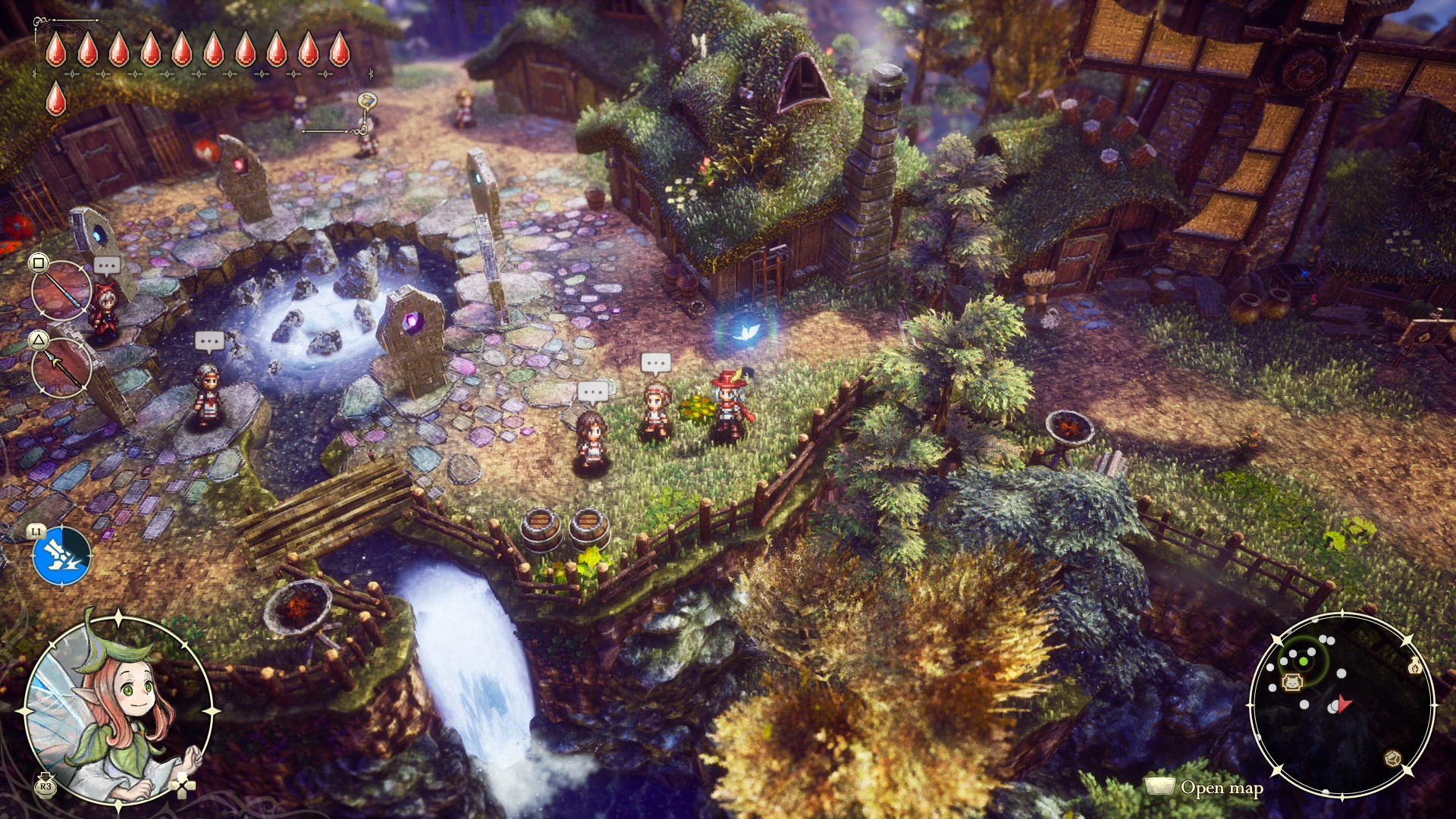
Age of Budding
The earliest time you’ll be visiting, when man and nature were close and magic still a mystery.
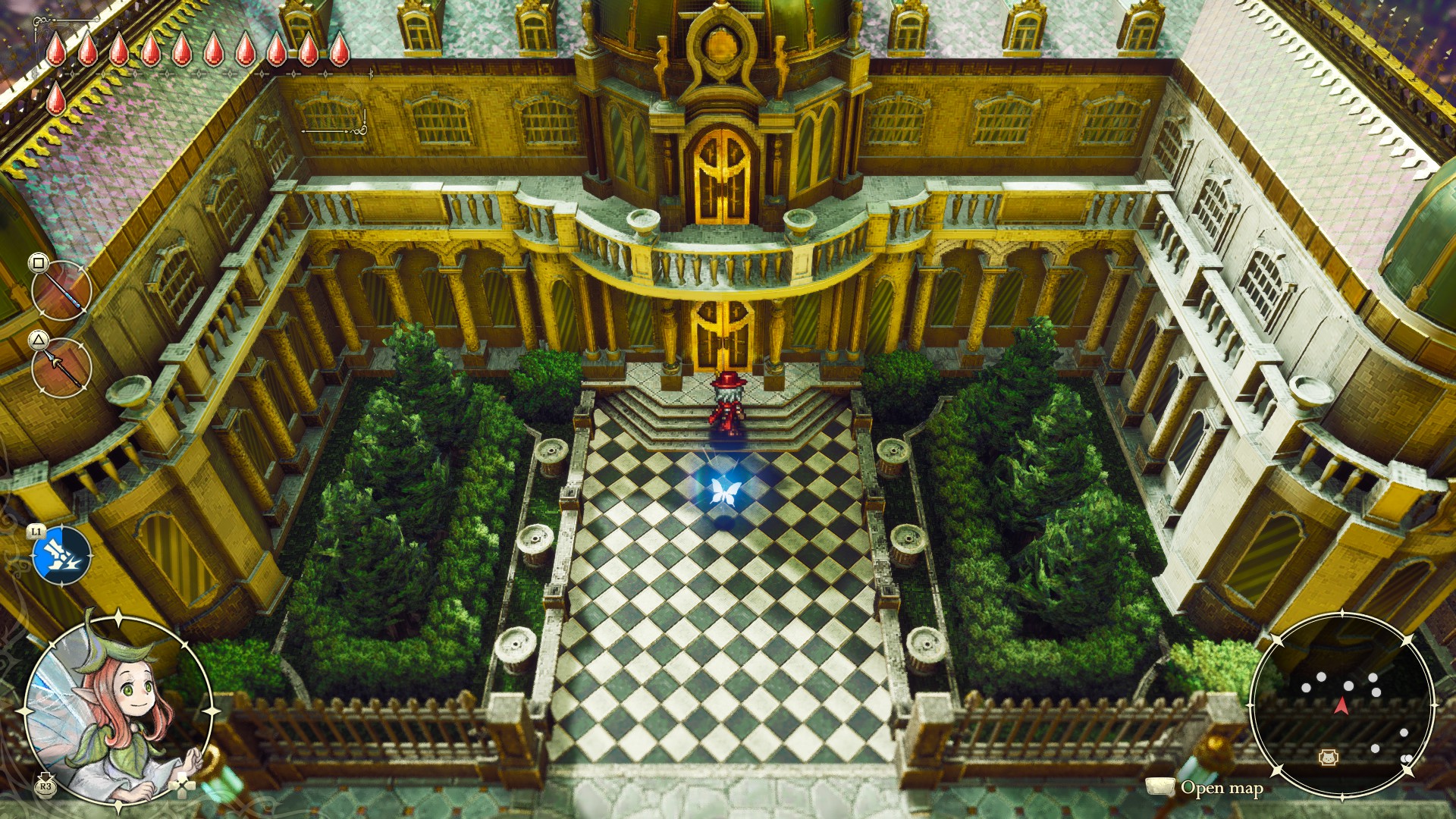
Age of Magic
You might be convinced you’re playing some steampunk sci-fi jumping here, where magic rules alongside rapidly evolving tech.
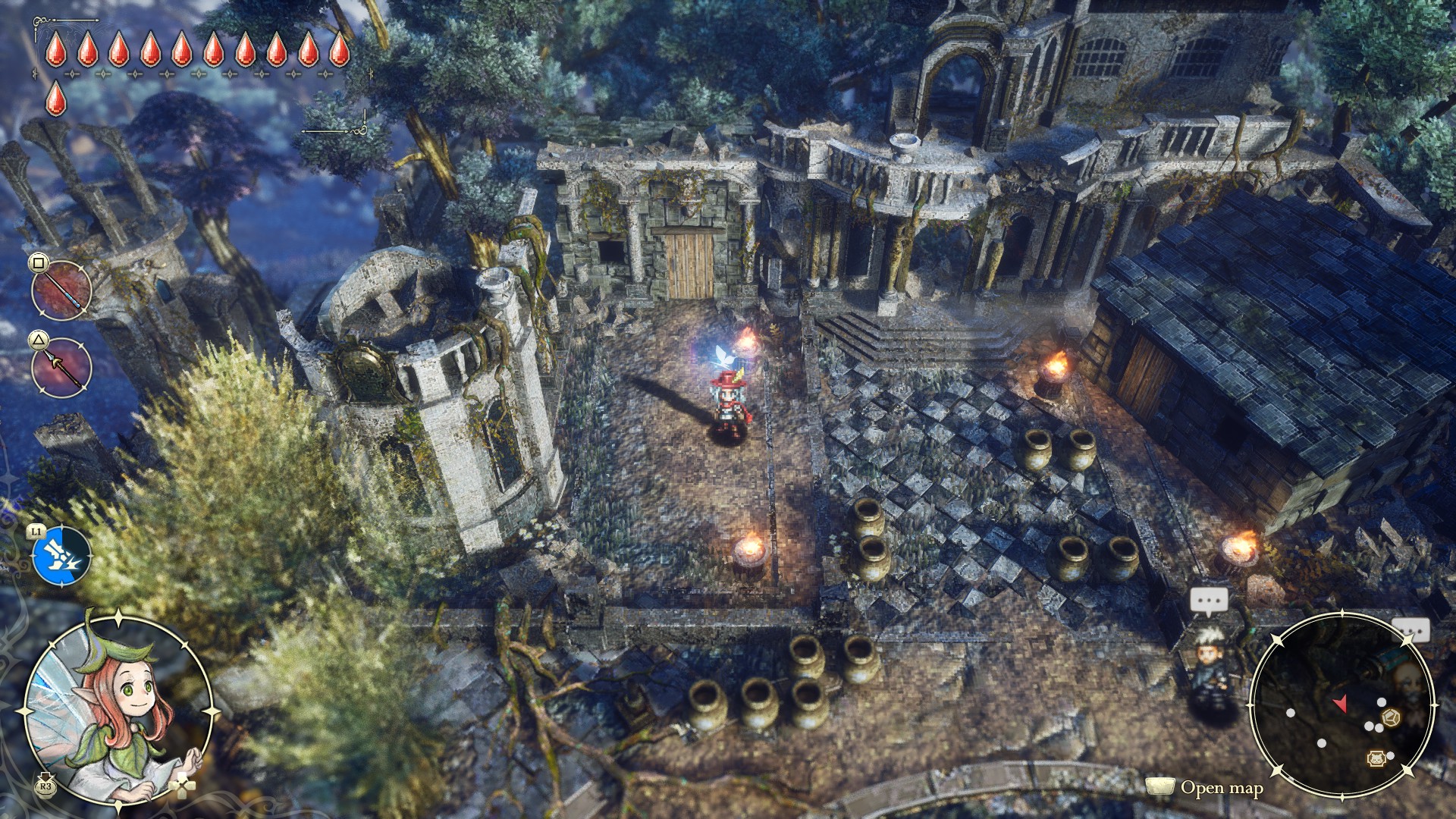
Age of Reconstruction
We all have our bad days, and this is Philabieldia’s: a dark, ruinous era where the sun hardly shines and everyone lives a moment away from death.
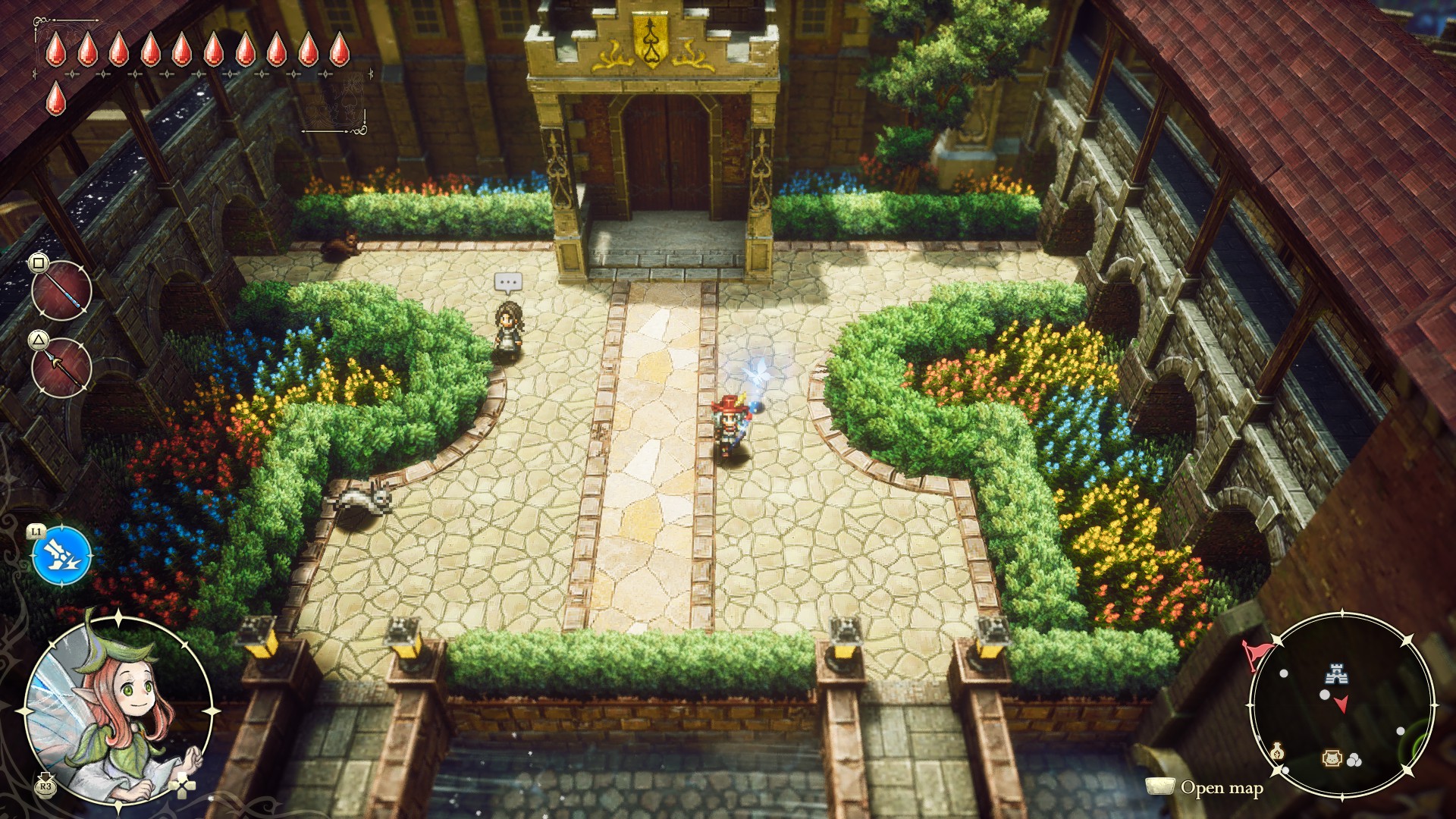
Age of Safekeeping
With Philabieldia’s protective magic weakening, the present’s JRPG fantasy land seems happy enough, but it could very well be on its last legs.
Link to the past
Still, it’s nice that the game treats its story with a similar sense of speed. You can easily hit the end of the of this adventure in under 20 hours, and while the narrative itself is mostly fine—every single beat is extremely familiar and wrapped up in a well-meaning if clumsy fantasy racism metaphor—it shows a real knack for connecting its mechanics to the story and endearing me to the cast with only a few lines of dialogue.
That cast gets plenty of love in sidequests. From helping a grieving widow find a way to remember her late husband to helping a researcher preserve the dreams of those who came before, they’re all about the past, memories, and dreams, building out a sense of thematic unity and interconnectedness as Philabieldia’s NPCs big and small see their stories cross in surprising ways.
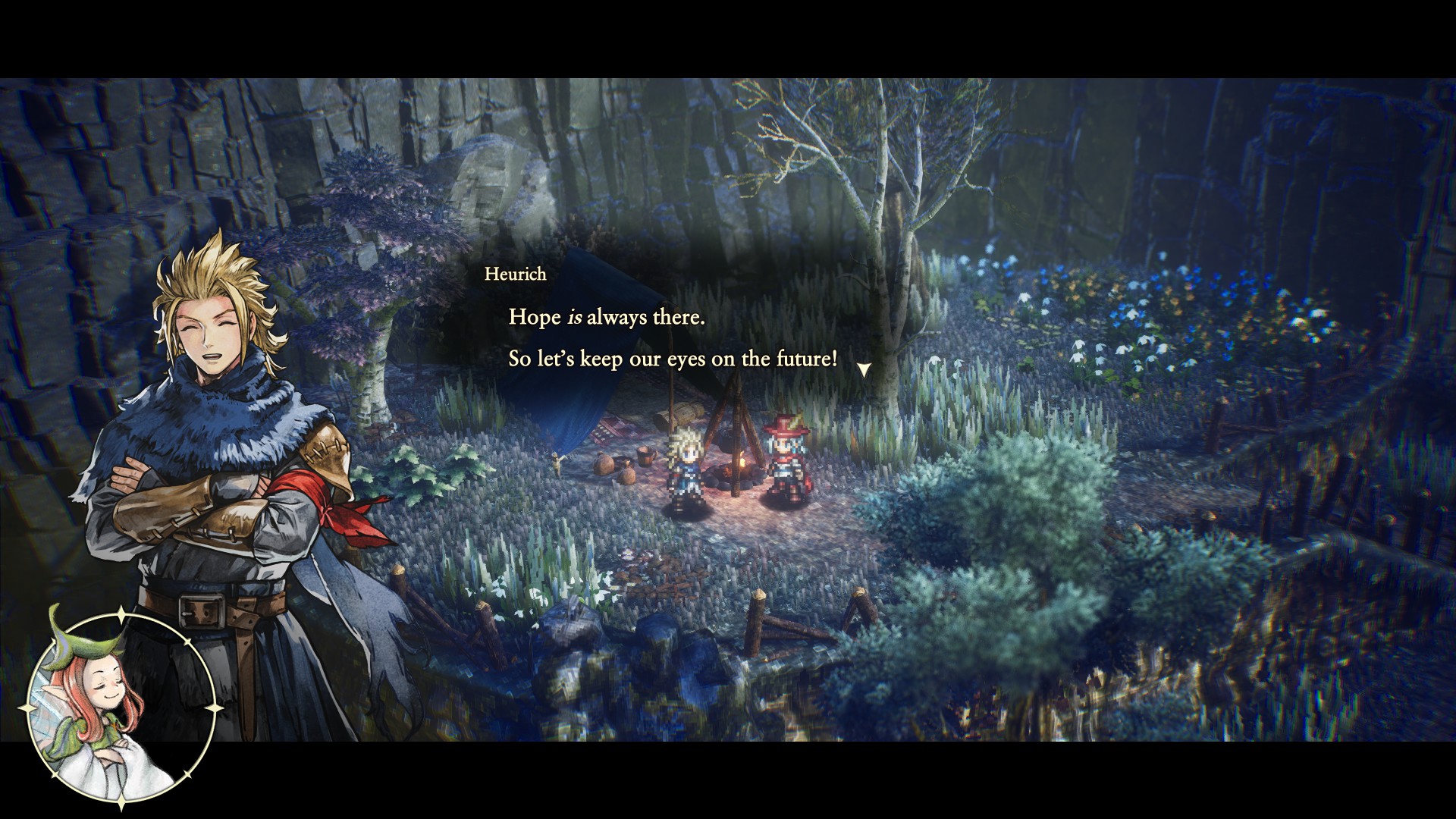
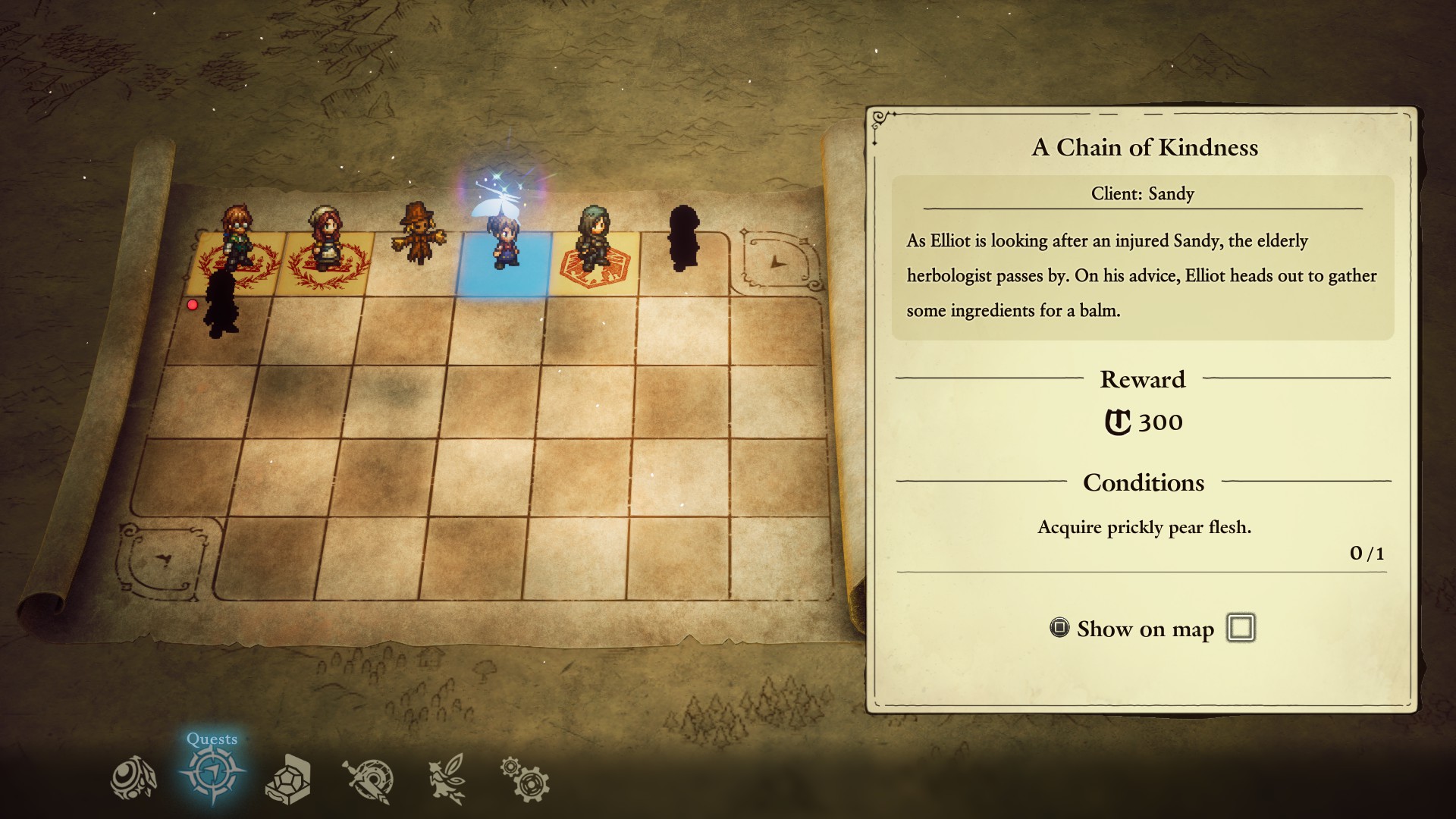
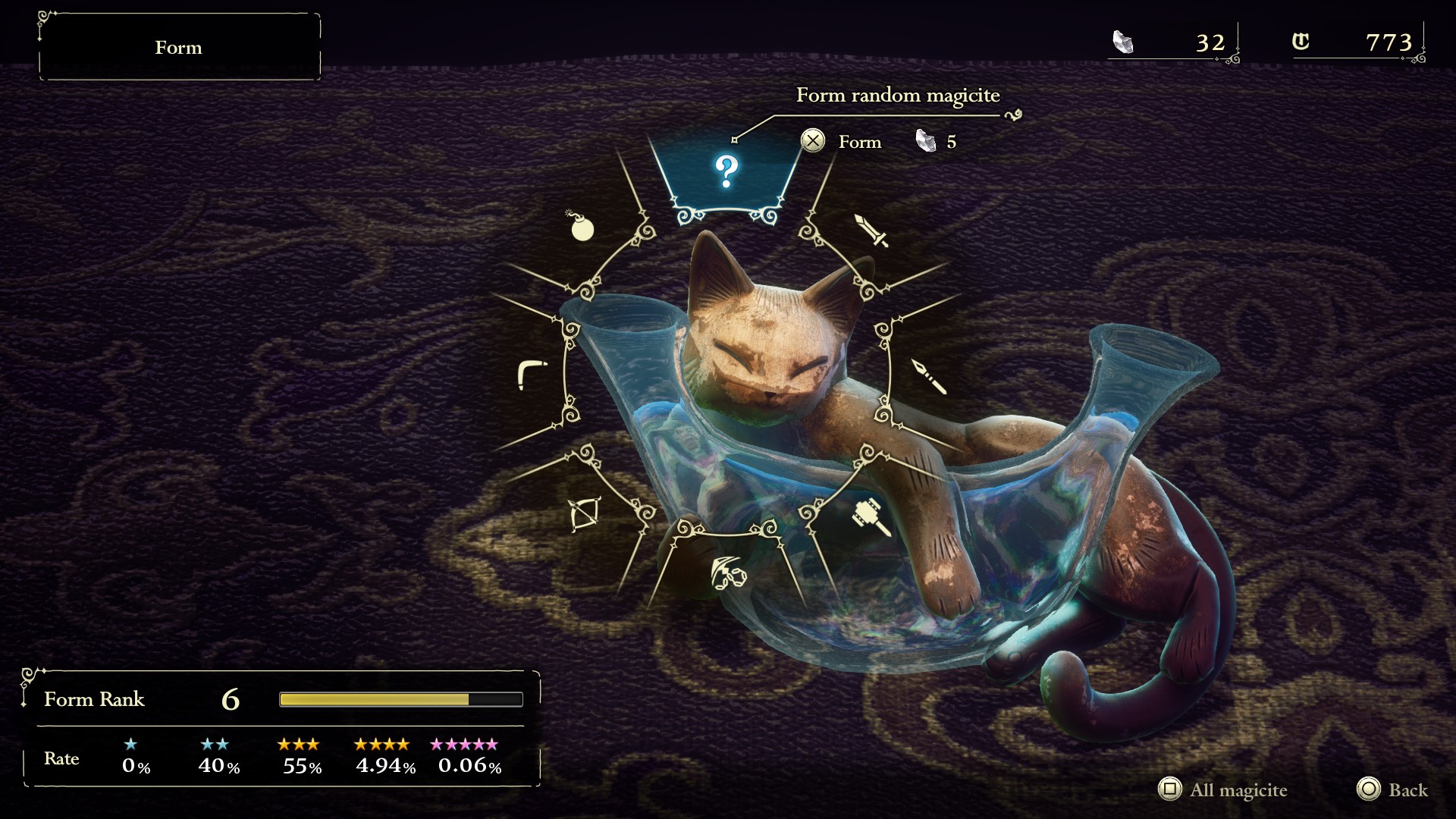
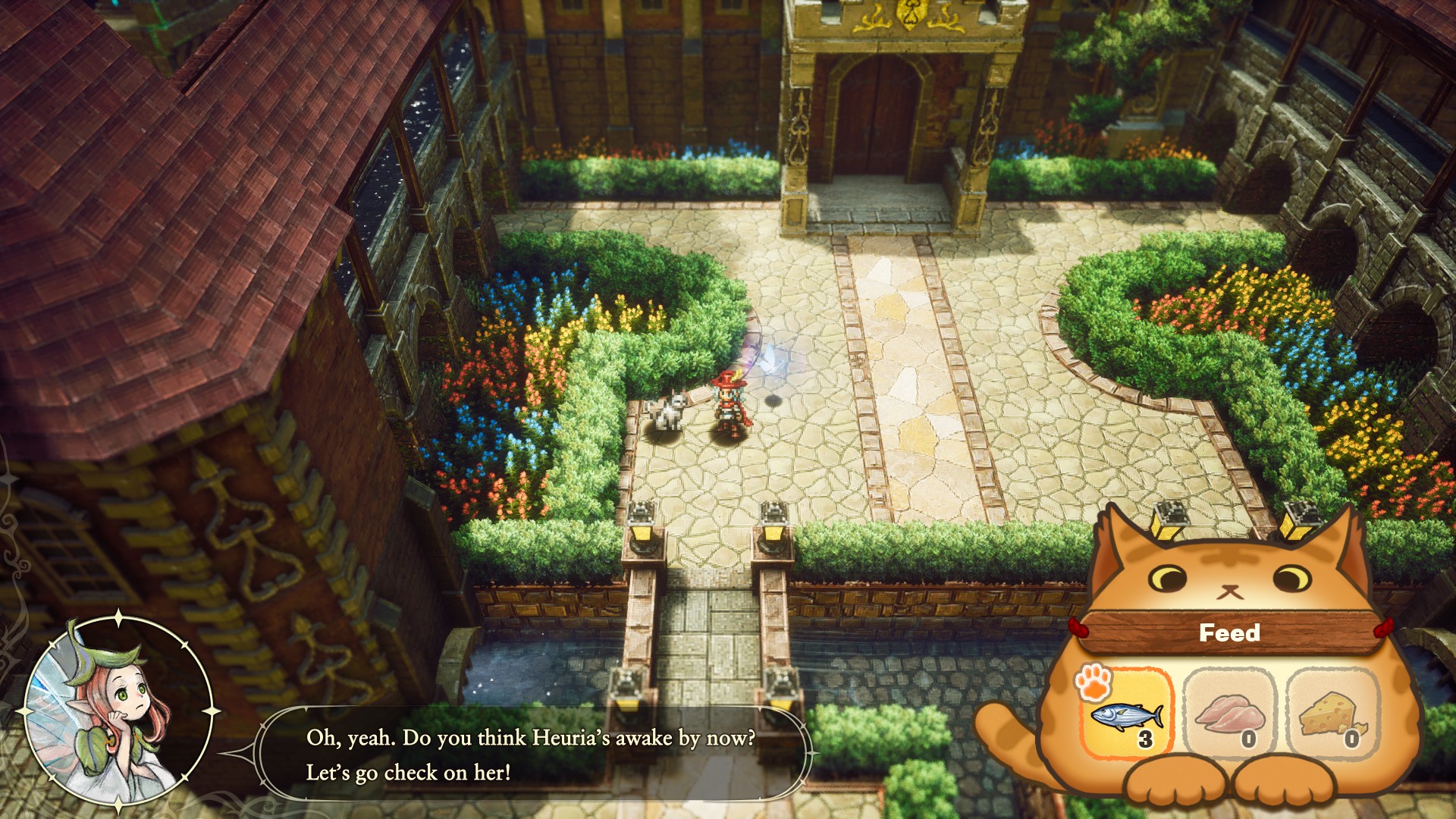
It’s in that interconnectedness where the warm spirit of The Adventures of Elliot really lies. Setting the entire game in the same fairly small area across four time periods is a bold move, and one that pays off wonderfully. The game is deeply enamored with the very idea of history, with the joy and sense of adventure that comes with seeing how a single home or batch of trees might change with the years, with the way the past reflects the present and stories continue over generations. Just look at the world map to see the proof, each new age stacked up on top of one another exactly the same as the floors of its cavernous dungeons, layers of history peeled back as you dive deeper into the past.
Like that map, The Adventures of Elliot is built on a long and ever-evolving history of a genre. And while it might not stand quite as tall as its towering influences, its dedication to brevity, thrills, and a genuine passion for the past gives its own adventure a solid place to stand in time.