

Courtesy of the RAMpocalypse, companies are raising prices for their memory-loaded products left, right, and centre. Apple products, however, had previously remained mostly (though not completely) untouched. No longer, though, as the company CEO Tim Cook tells the Wall Street Journal.
“Unfortunately, price increases are unavoidable. We’re doing our best to mitigate the huge increases that are being passed to us, and we’ve been trying to shield our customers from the increases, but the situation has become unsustainable.”
This is not your usual shortage, he explains: “This is a hundred-year flood. I’ve never seen anything like it in any area in over 40 years.”
Cook told the WSJ that both storage and memory are problems, but regarding DRAM specifically, he said:
“There’s less supply at a time when consumers want devices and the memory guys are passing along huge price increases. We definitely need memory pricing and supply to return to reasonable levels for consumer products. That’s the bottom line.”
He also explained that the company is open to taking a hit to keep prices low:
“We’re willing to use our balance sheet to help be a part of the solution. Obviously, more capacity is needed.”
That’s one of the benefits of being a big company like Apple and having a sizeable profit margin: you can take supply cost increases on the chin and keep your products priced as they were. To an extent, anyway—it seems Apple is now finally admitting it cannot keep things as cheap as they were.
To be clear, the company hadn’t managed to keep everything completely normal until now. Not too long ago, Apple discontinued its entry-level Mac Mini model, effectively raising the minimum price you could spend to get a cheap Mac desktop.
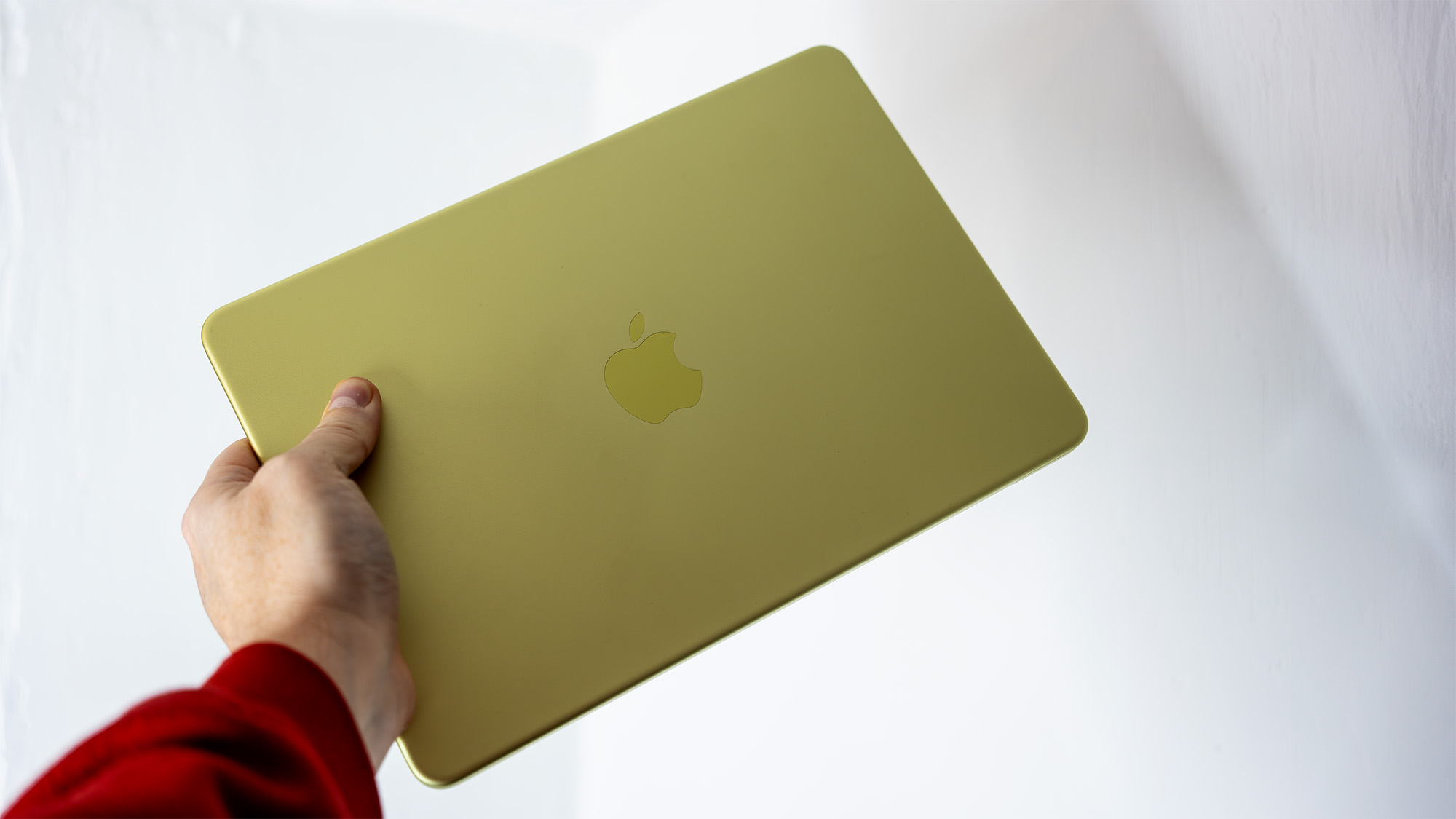
That being said, the actual prices for the models that were being sold stayed the same. And there was the launch of the MacBook Neo, of course, which is a cheap laptop compared to Apple’s usual pricing, and seemed like a small bastion inside the wider PC market, which kept (and keeps) raising prices. One thing that’s probably helped is the fact that Apple software makes very good use of memory, meaning not as much actual capacity is usually needed.
But the good times are no longer, and there’s no silver bullet to fix it all, unfortunately. Cook also told the WSJ that it won’t be trying to make its own memory and storage facilities: “We can’t do everything. We know what we’re good at.”
At any rate, new fabs take a long time to spin up, even for players already in the chip fabrication game. And on that front, we’ve got a while to go until the big players finish their new ones. Until then, it’ll likely be a game of ‘grin and bear it.’