
New research from Counterpoint corroborates that the PC market has finally been impacted by the memory crisis to the extent that global shipments have gone down for the first time since the first quarter of 2025. In the second quarter this year there were 4% fewer global PC shipments than the same time last year. This backs up what the IDC reported earlier this month.
Counterpoint explains: “While commercial refresh cycles tied to Windows migration and AI PC adoption continue to support demand, surging memory prices and higher component costs are increasingly constraining OEM production plans and suppressing consumer demand. The sharp increase in DRAM prices has significantly raised PC bill-of-material (BoM) costs, forcing OEMs to implement price increases, reduce entry-level configurations, or prioritize higher-margin premium systems.”
This year-on-year figure cashes out in part as a 2% decrease from Lenovo, an 8% decrease from HP, and a 6% decrease from Dell. Asus and Apple, however, both actually had growth—the former by 4% and the latter by a whopping 13%, likely thanks to the cheap and cheerful MacBook Neo. Given the overall number of shipments for the brands, however, these two companies’ increase in shipments don’t offset the overall picture, and there was still a decline overall.
In other words, despite the push to get yourself an AI PC for this LLM era and despite the need for a modern PC to run Windows 11, things are just too damn expensive right now. Of course we’ve known about increasing component costs (especially RAM) for a long while now, but it hasn’t been completely clear when that would force PC makers into raising costs to the extent that people stop buying them.
On the point of PC costs, I’ve got a good frame of reference as I’ve been checking for some of the best gaming PC deals regularly for the past couple of years. Even for a few months after the RAMpocalypse really started ramping up, gaming PC prices weren’t too bad. That’s probably because system builders already had component stocks that were bought before things got too ridiculous.
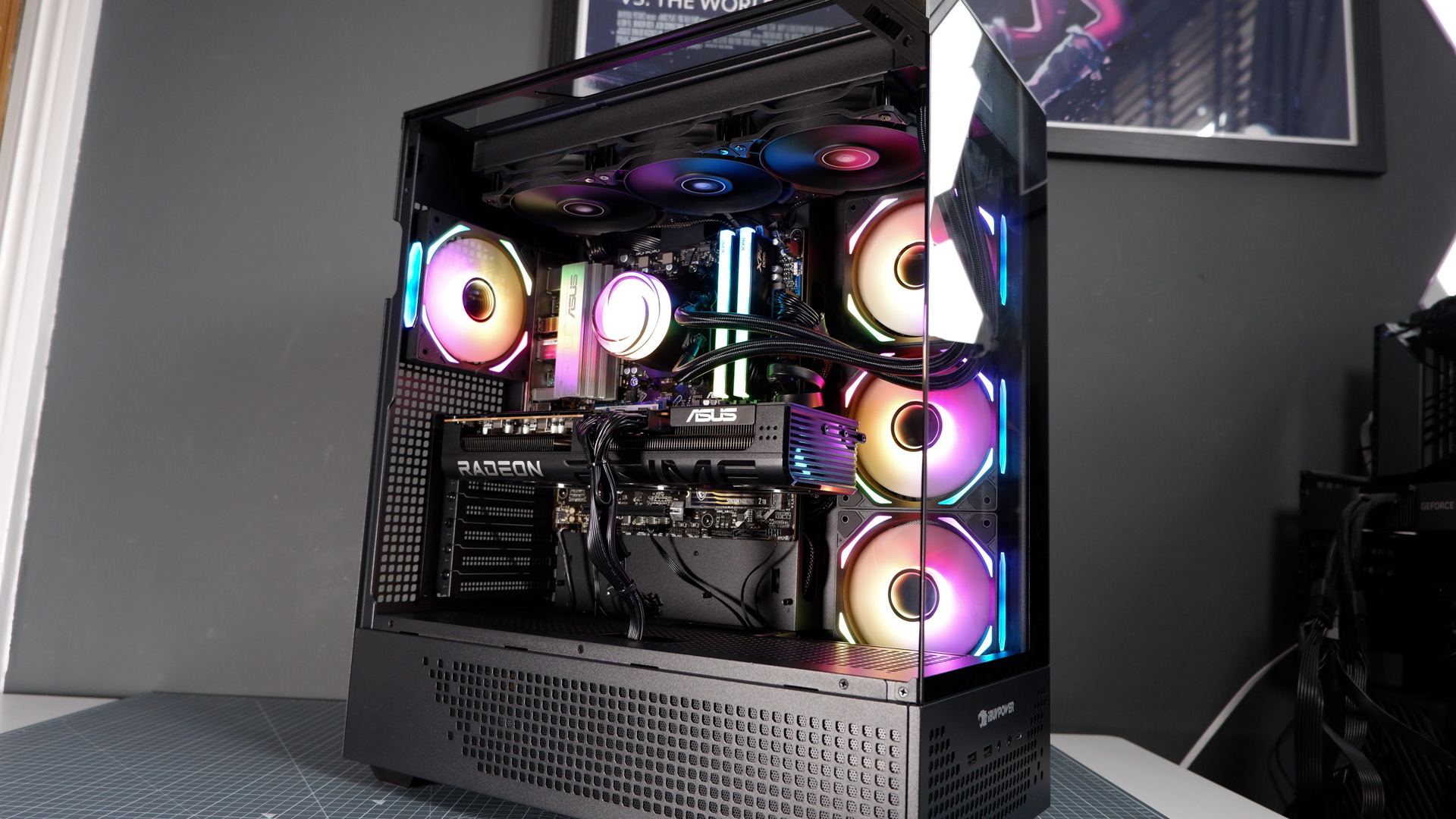
Even over the most recent Prime Day last month things weren’t too bad, though prices had definitely shown an increase. But over the last few weeks I’ve noticed things are starting to look very far from pretty. Some of the best deals on midrange rigs now cost around $1,500 and decent budget options below $1,000 are a definite rarity. And when you do find something at a reasonable price, it’s getting more common to see DDR4 memory in there instead of DDR5, or just one stick of DDR5 running over a single channel.
It’s therefore not surprising that data for the second quarter this year shows a global decline in shipments despite previous AI PC adoption and Windows migration.
One company that adds a level of concreteness to all this is Framework, as it gives regular updates about its pricing based on supplier costs. Only yesterday the company explained that its supplier had raised some memory costs by “more than double” its previous shipment.
And while bigger companies like Dell can absorb such component price increases for longer than smaller ones like Framework, they can’t do so forever, especially if as predicted prices just keep going up.