
Summary
- How Chuhai Labs brought the feel of classic on-rails shooters to modern players.
- The team behind the game breaks it all down.
- All-star voice cast including Jonah Scott, Suzie Yeung, Edward Bosco, and Daman Mills.
When we set out to make Wild Blue Skies, we knew exactly what we were taking on.
The on-rails shooter is one of those genres that lives in people’s memories in a very specific way. It’s not just a game type; it’s a Saturday morning, it’s a borrowed controller, it’s a high score that means something. We didn’t want to just make another one. We wanted to make the one that reminded you why you loved them in the first place.
For our studio director Giles Goddard, that connection to the genre runs deep. His passion for on-rails shooters is woven into the DNA of Chuhai Labs and when the team came together to make Wild Blue Skies, it felt almost inevitable. A lot of us grew up playing these games. We’re fans first. That matters when you’re trying to get something right.
Here’s how we did it.
Embracing Limitations, Not Fighting Them.
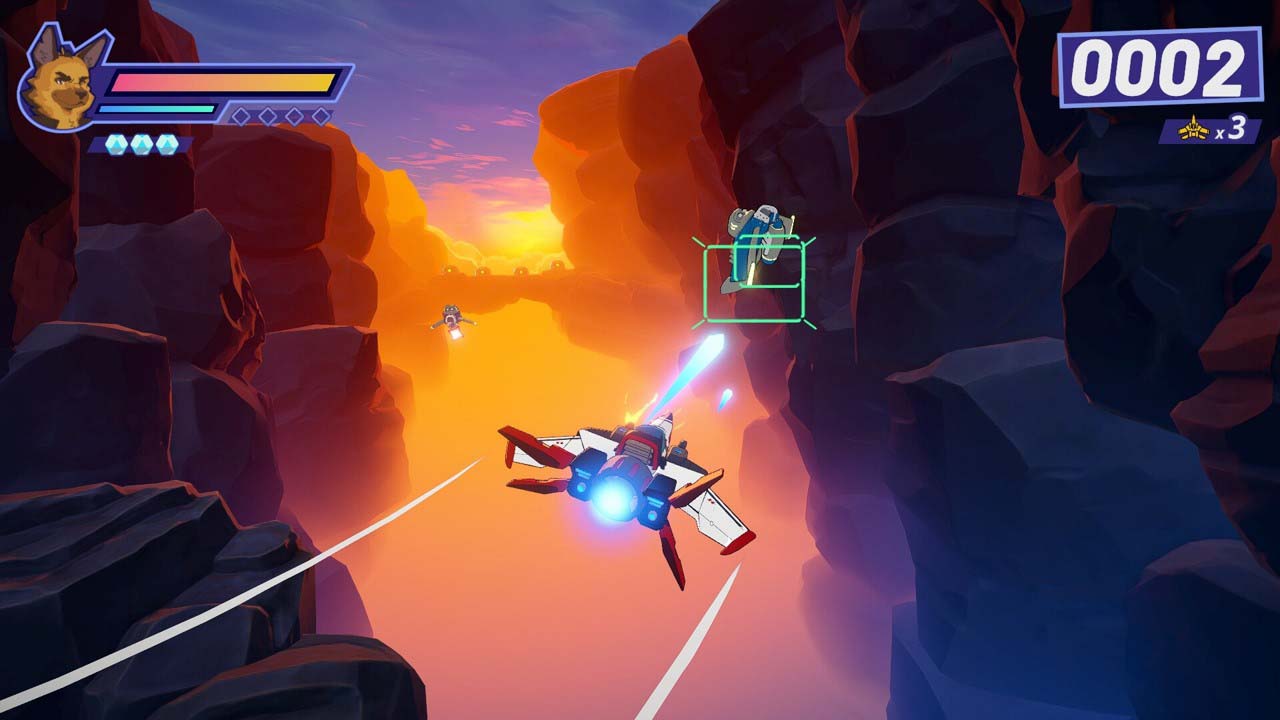
One of the first things we realized when making Wild Blue Skies was just how much of the feel of classic on-rails shooters was driven by the limitations of their time and that we shouldn’t be afraid to embrace them.
The biggest example? View distance. We spent a long time in development being able to see far off into the distance, which made enemies feel like they were spawning out of thin air and made you want to shoot farther than they could. One day, we reduced the view distance significantly and everything clicked. You would be focusing on what was happening now. Enemies felt more natural. Missions were immediately more exciting.
Camera and controls were a huge focus early in development. We wanted the aircraft to immediately feel good. To give you the means to fly and fight through our world without feeling overwhelmed.
It was a controversial change at the time. But everyone felt it the moment they picked up the controller.
That lesson shaped how we approached the entire project. In an era where the sky is the limit, we found it important to set clear pillars and embrace working with constraints. Does not matter if they’re driven by hardware, resources, or the type of game you’re making. Limitations can be your biggest ally.
Making the Plane Feel Right.
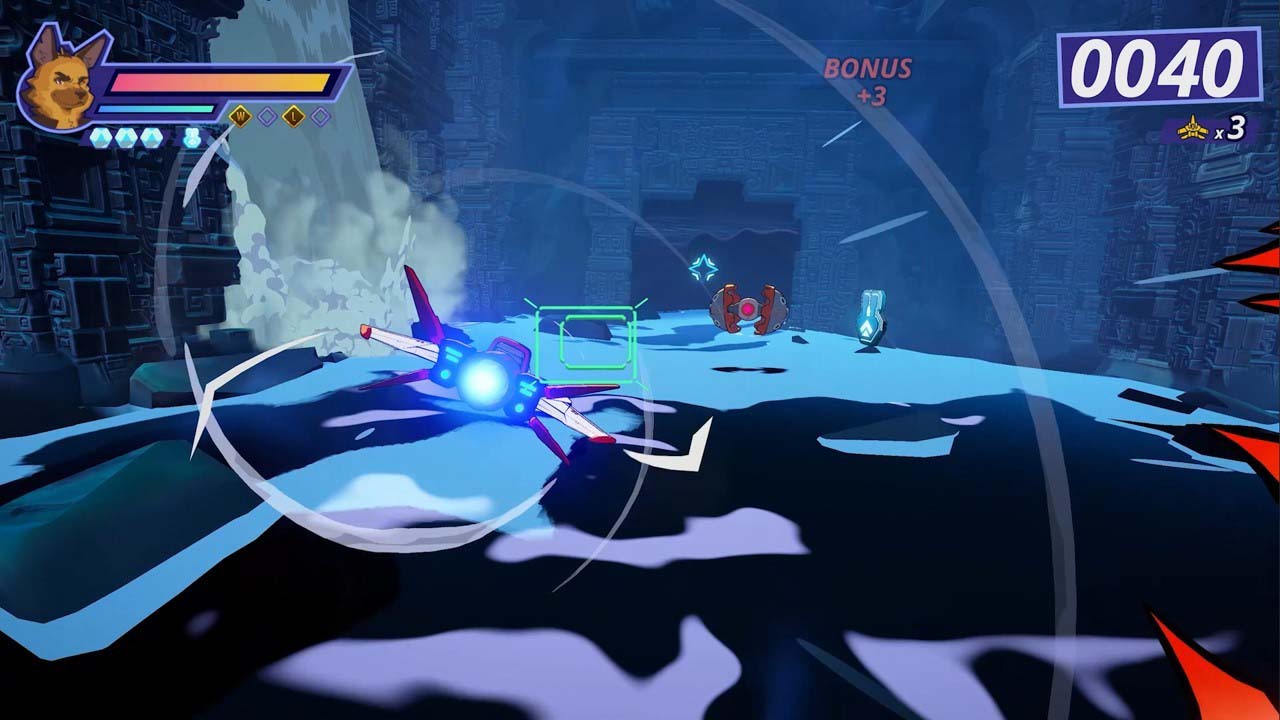
Camera and controls were a huge focus early in development. We wanted the aircraft to immediately feel good. To give you the means to fly and fight through our world without feeling overwhelmed.
The framing of the plane in on-rails missions was an especially key topic. We wanted you to feel like you were flying around the frame, keeping a strong focus on the world while being careful not to obstruct their view. We used a dithering technique on the plane in conjunction with careful tuning to help achieve this. It’s a small detail that makes a big difference in how connected you feel to the cockpit.
The result is a control scheme that feels immediately familiar but rewards mastery. Dodge rolls deflect enemy fire when timed right. Not just a defensive tool, but an aggressive one. In free flight missions, the brake can be used to pull a 180 and get behind enemies chasing you. Every mechanic has a skill ceiling. Something you can learn in five minutes and spend hours getting good at.
A World Built from the Ground up.
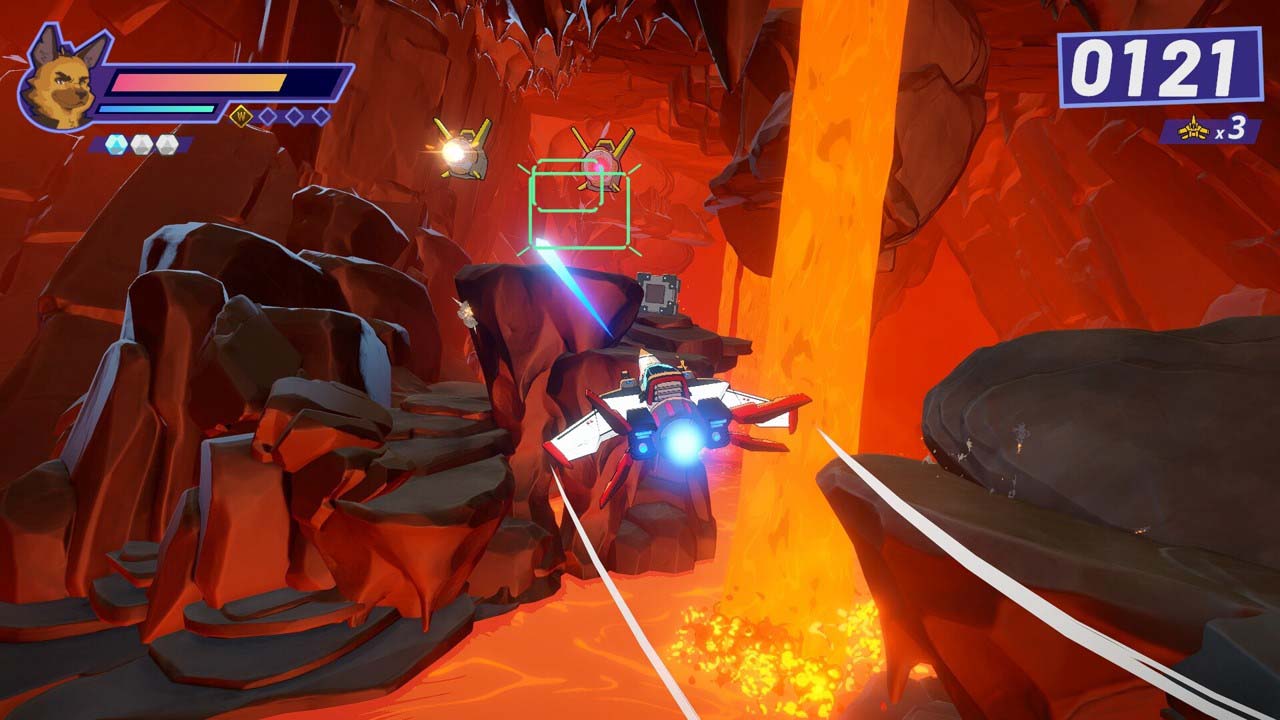
We wanted our missions to feel like bite-sized episodes in a grander story and that meant building a world first. We started by concepting environments and built out a high-level world map before we made a single mission.
Each mission started with an environment and a high-level narrative pitch. From there, we blocked out the geometry, breaking each mission into sections and creating set pieces for you to fly through. We’d stub in placeholders for encounters and dialogue (flying through grayboxed environments with floating text describing what you’d eventually see) and playtest relentlessly. When the pacing felt right, we’d move on to implementing encounters, art, dialogue, and sound. Continuously playtesting. Continuously tuning.
Pacing is everything in an on-rails shooter. You are always being pushed forward, so the rhythm of quiet moments, enemy waves, hazards, and climactic encounters has to be exactly right. We got there through iteration. A lot of it.
The Visual Language of a Saturday Morning Cartoon.
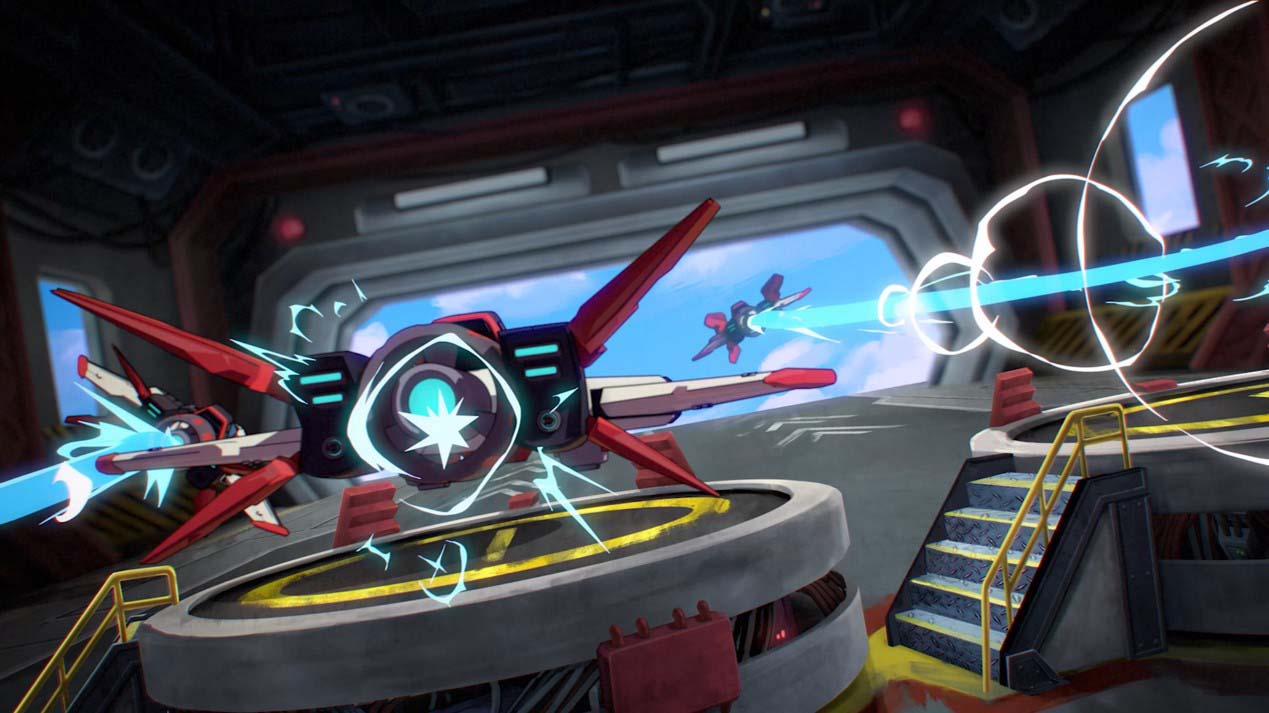
Our main source of visual inspiration came from classic Japanese animated films, particularly the work coming out of Studio Ghibli. We loved how you could see yourself in the characters and get lost in the painted backgrounds.
The team crafted an outlined cel-shaded look to make our characters, enemies, and planes really pop off the screen. Environments were treated from a painterly angle. Softer details with light, shadow, and fog to make the world feel vibrant and full of life. And since we were modernizing the gameplay, the UI was brought up to speed too: clean, simple shapes that let you gather the information you need at a glance.
The goal was always to make Wild Blue Skies feel like you’d just been thrown into a 90s action movie and Saturday morning cartoon at the same time.
The Blue Bombers and the Voices Behind Them.
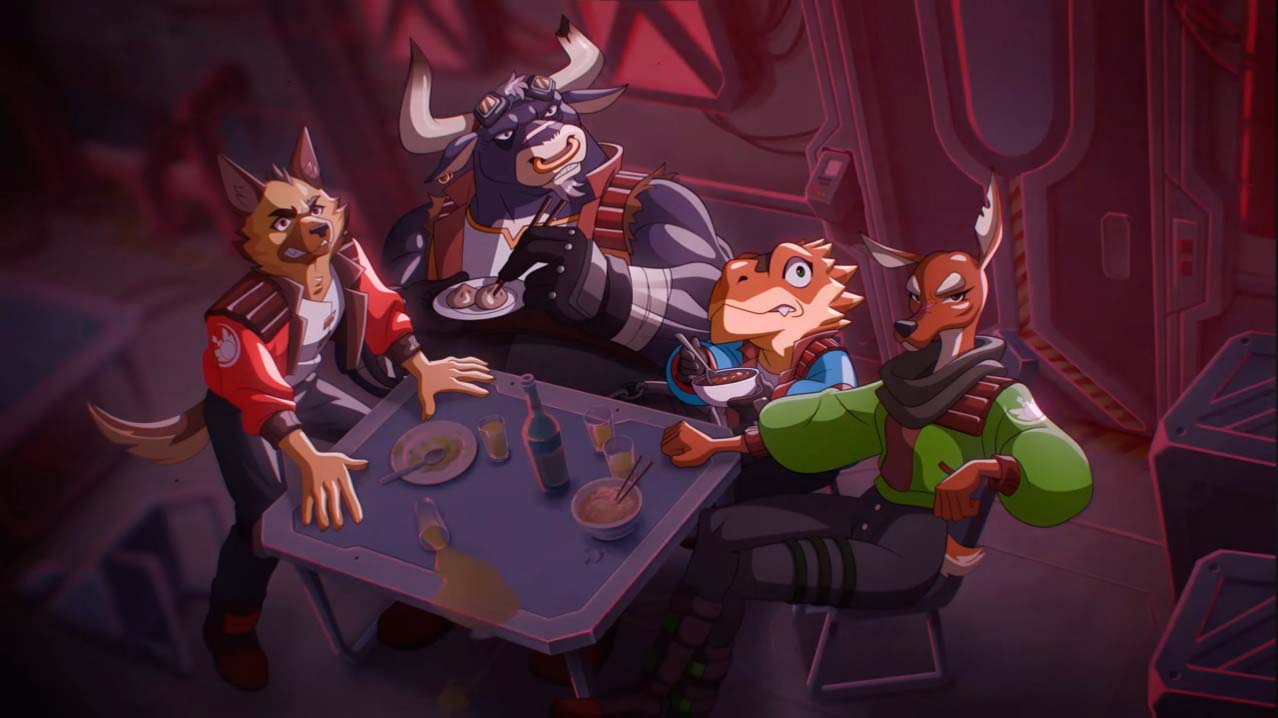
We had a lot of fun concepting characters that would fit that era of cheesy one-liners and strong personalities. Bowie, Thorne, Chuck, and Roe were designed to feel instantly familiar. The kind of squad you’d remember from the cartoons you grew up watching, while being entirely their own thing.
Bringing them to life required voices that could match that energy. We were incredibly lucky to land a cast that did exactly that! Jonah Scott as Bowie Stray, known for Legoshi in Beastars and Sniper Mask in High-Rise Invasion; Suzie Yeung as Roe Whitetail, known for Yuffie in Final Fantasy VII Remake and Makima in Chainsaw Man; Edward Bosco as Chuck Barbacoa, known for Albedo in Overlord and Il Dottore in Genshin Impact; and Daman Mills as Thorne, known for Frieza in Dragon Ball Super and Blade in Honkai: Star Rail.
We can’t wait to see which characters become your’ favorites.
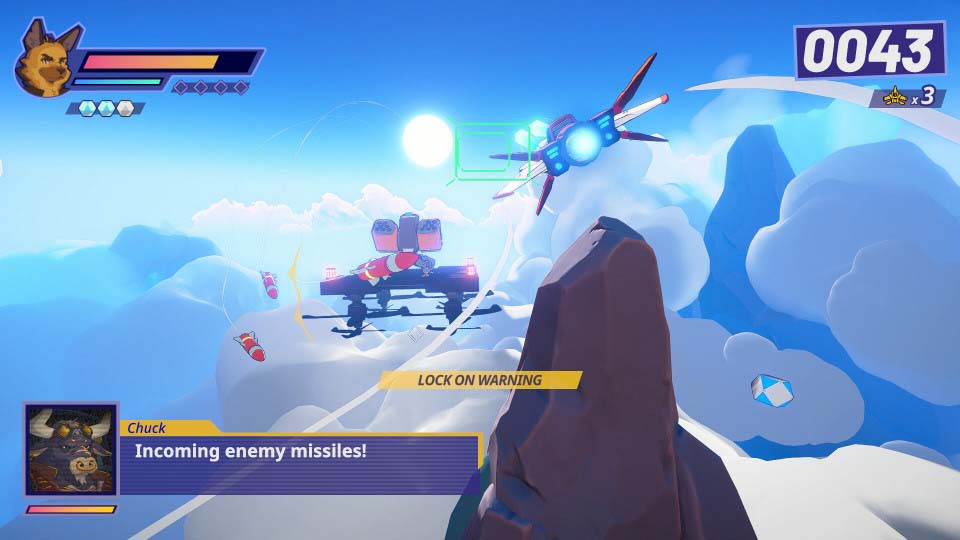
This is just a glimpse of how we brought the feel of a 90s arcade cockpit to Wild Blue Skies.
Jump in and experience it for yourself when it launches August 13 on XBOX Series X|S and XBOX on PC. And thanks to XBOX Play Anywhere support, your mission progress and achievements will fly with you no matter where you choose to play. To keep up with our latest breakthroughs, find Chuhahi Labs over on X (Twitter) and Instagram.
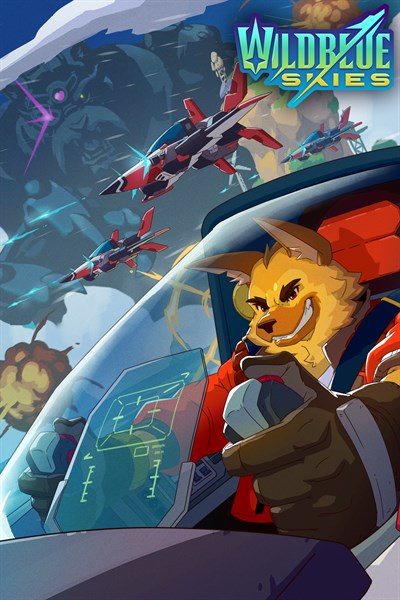
Wild Blue Skies
Balor Games
Soar over oceans, desert ridges, and perilous caves, battling waves of enemies and pushing back Grimclaw’s forces. With the help of your squad, you’ll fight to restore peace while experiencing the thrill of classic arcade flight-combat!
Easy-to-learn controls make Wild Blue Skies accessible for newcomers and genre veterans alike, while stunning anime-inspired visuals immerse you in a hand-crafted universe. With branching paths, thrilling missions, and a score system that rewards mastery, every flight is an adventure worth repeating.
A Squad Worth Saving
Meet Bowie, Thorne, Chuck, and Roe: the Blue Bombers. Four pilots, one unbreakable squad. Each one brings their own personality and voice to every sortie. With rival squad encounters and character banter woven throughout the campaign, getting to know them is half the adventure.
Fly Your Way
No two playthroughs are the same. Branching mission paths keep every flight fresh, with secrets and hidden paths rewarding players who want to master everything the game has to offer.
Master the Skies
Easy to pick up. Deeply rewarding to master. Push yourself to earn every medal, uncover every secret path, and find the difference between finishing a mission and truly owning it.
The post Wild Blue Skies: How We Brought the Feel of a 90s Arcade Cockpit to XBOX appeared first on XBOX Wire.