

I’ve spent the past couple of days tinkering with Remedy’s latest supernatural action-a-thon, Control Resonant. I’ve been testing it on my home PC, a fairly powerful (but not outrageous) rig, and I’ve got some good news: when it comes to balancing image quality with performance, I reckon there’s very little reason to stress your own machine out with the top whack settings.
My PC is an RTX 5070 Ti-equipped, AMD Ryzen 7 7700X-toting rig with 32 GB of DDR5. It’s no slouch, that’s for sure—but neither is it a $3,000+ firebreather. And at 1440p, Control Resonant runs smoothly on this machine at nearly every setting, with zero stutters and decent frame rates even with frame generation turned off.
You should still prepare your graphics card for a workout if you use the Ultra presets, as Control Resonant features full path tracing at the very tippy top. I’ve got some image comparisons below, but for now I’ll say this: I’m really not going to bother with maximum settings for the rest of my playthrough.
This game still looks grand with the graphics options pared back, and when it comes to the ray tracing, you can gain a decent amount of performance by dropping things down.
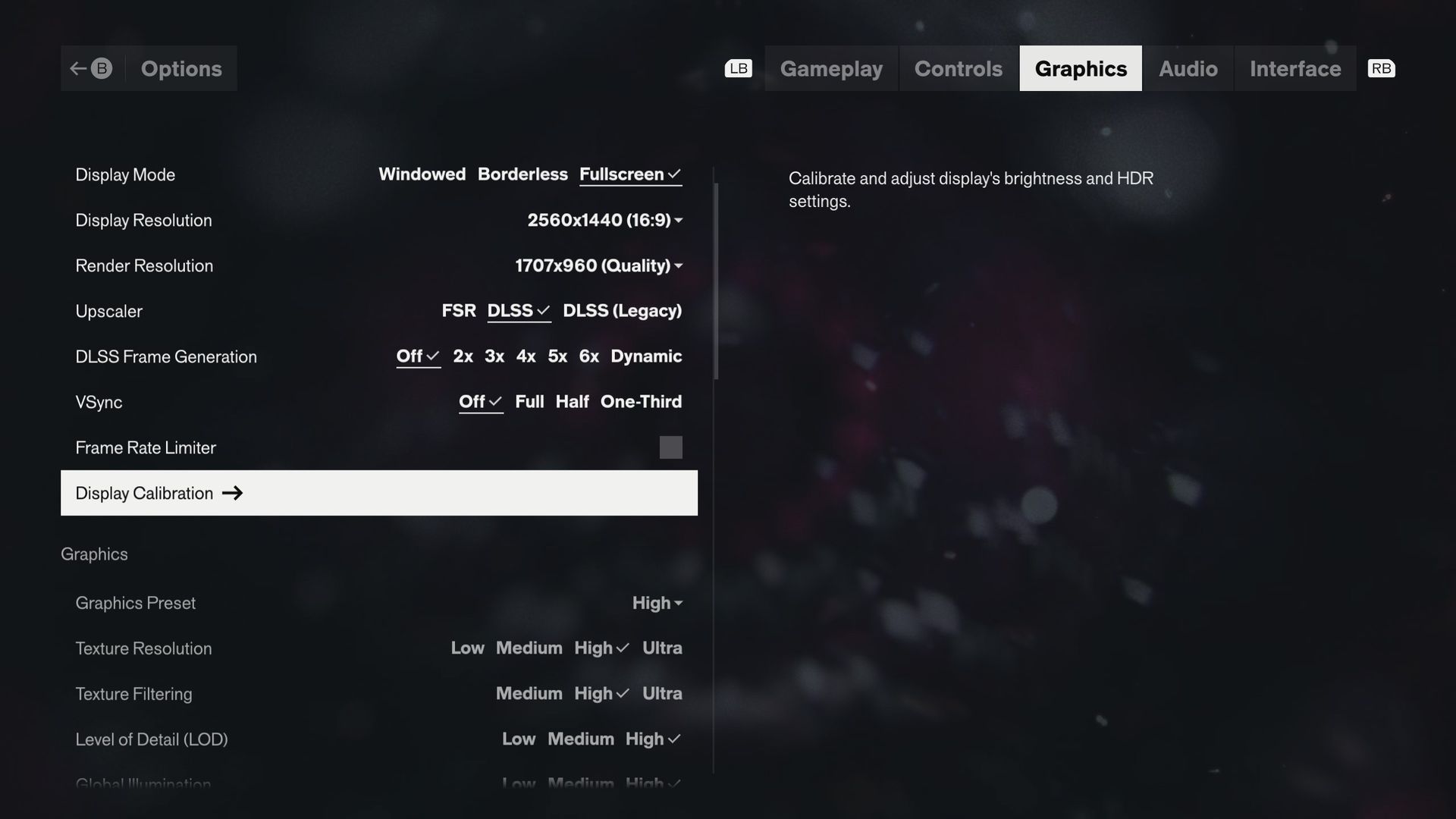
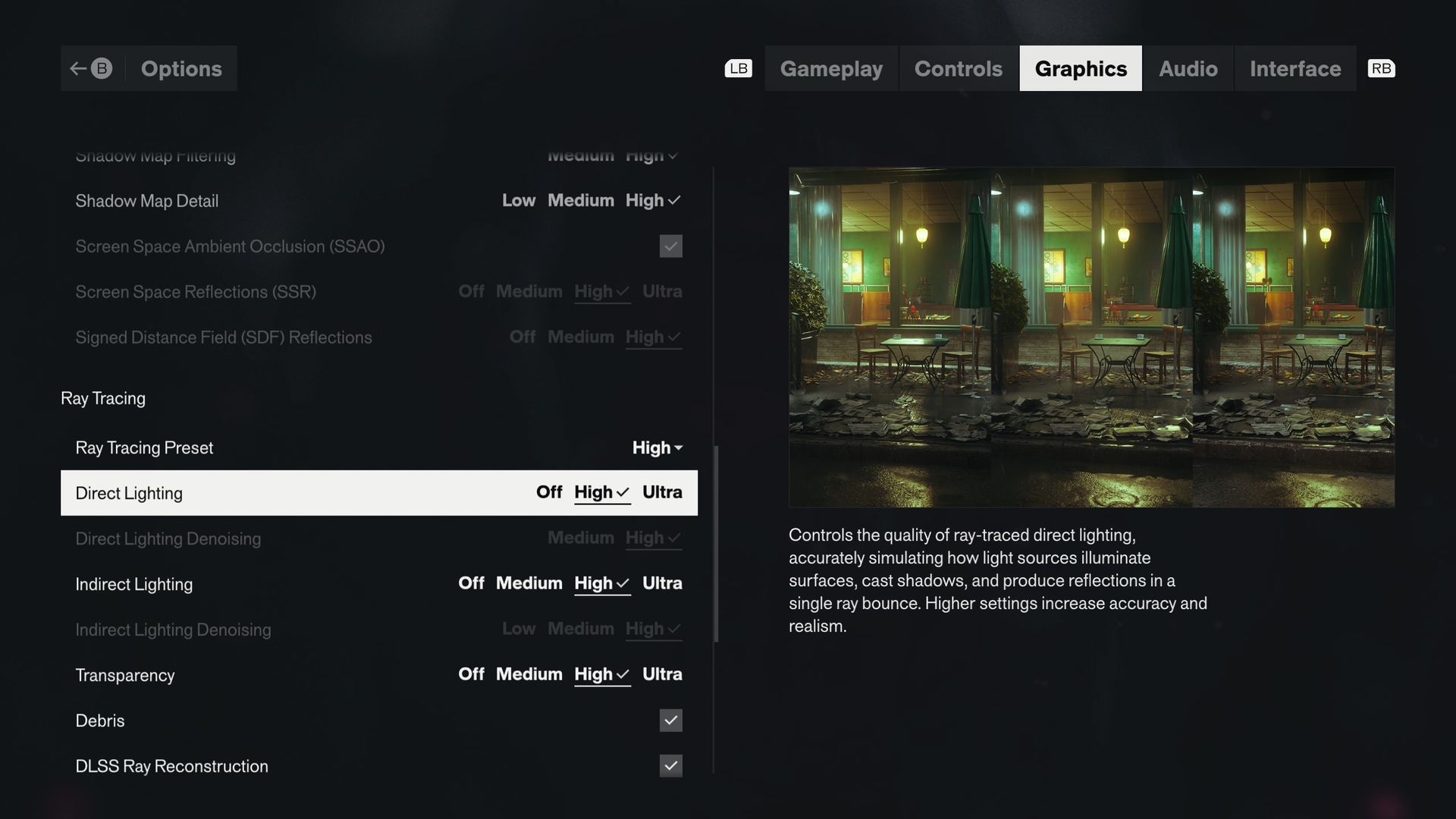
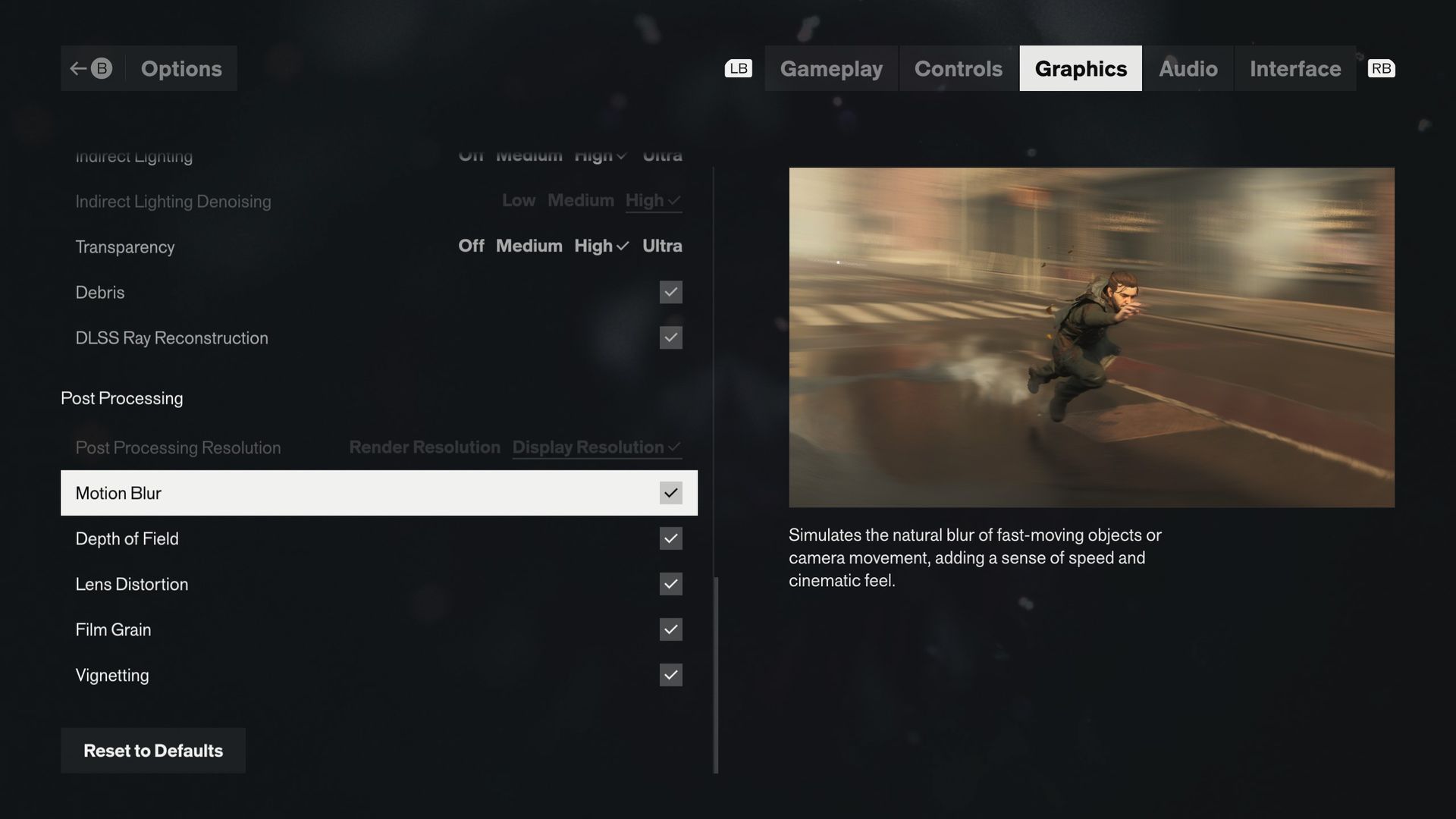
In terms of those graphics options, my goodness do you get a lot of them. The ray tracing can be adjusted independently of the regular graphics presets, which in turn have a full-featured whack of settings to tweak to your hearts content. There’s also a choice between DLSS 4.5 and an older, CNN-based model for upscaling duties, or FSR (including FSR 4) for AMD users.
Despite all these potential setting tweaks, it’ll be no surprise to learn that ray tracing provides the biggest performance hit, so I grabbed some figures with Ultra graphics settings enabled at the various different RT presets.
Control Resonant – RTX 5070 Ti – 1440p Ray Tracing Performance
Results recorded during gameplay at 1440p resolution, Ultra settings, DLSS set to Quality, Frame Generation off.
Control Resonant – 1440p, Ultra settings, DLSS Quality, FG off
Avg FPS
1% Low FPS
| Product | Value |
|---|---|
| RT Ultra | 62 Avg FPS, 44 1% Low FPS |
| RT High | 71 Avg FPS, 50 1% Low FPS |
| RT Medium | 76 Avg FPS, 54 1% Low FPS |
| RT Low | 84 Avg FPS, 60 1% Low FPS |
| RT off | 105 Avg FPS, 73 1% Low FPS |

As you can see, the difference between ray tracing at Low and off entirely is fairly significant, amounting to an extra 21 frames in the averages. However, Control Resonant is full of stark shadows, reflective puddles in streets, and shiny office block windows.
Personally, I like to enable some ray tracing goodness if my graphics card can handle it, and there’s a mere five fps average difference between the Medium and High presets on my machine. The RT Ultra preset, however, provides a significant plummet in average frames—and looking at my image comparisons, I really don’t think it’s worth it.
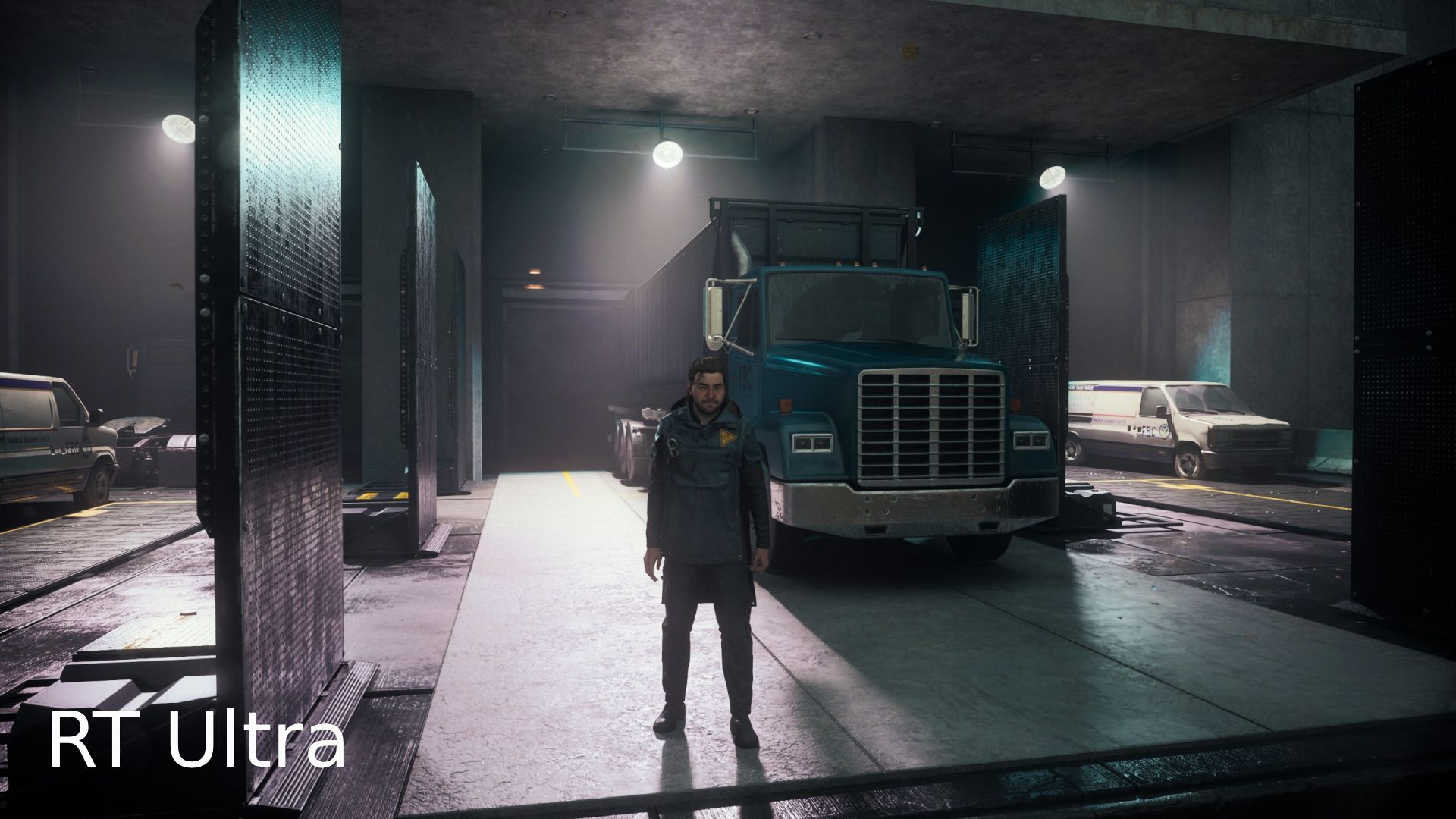
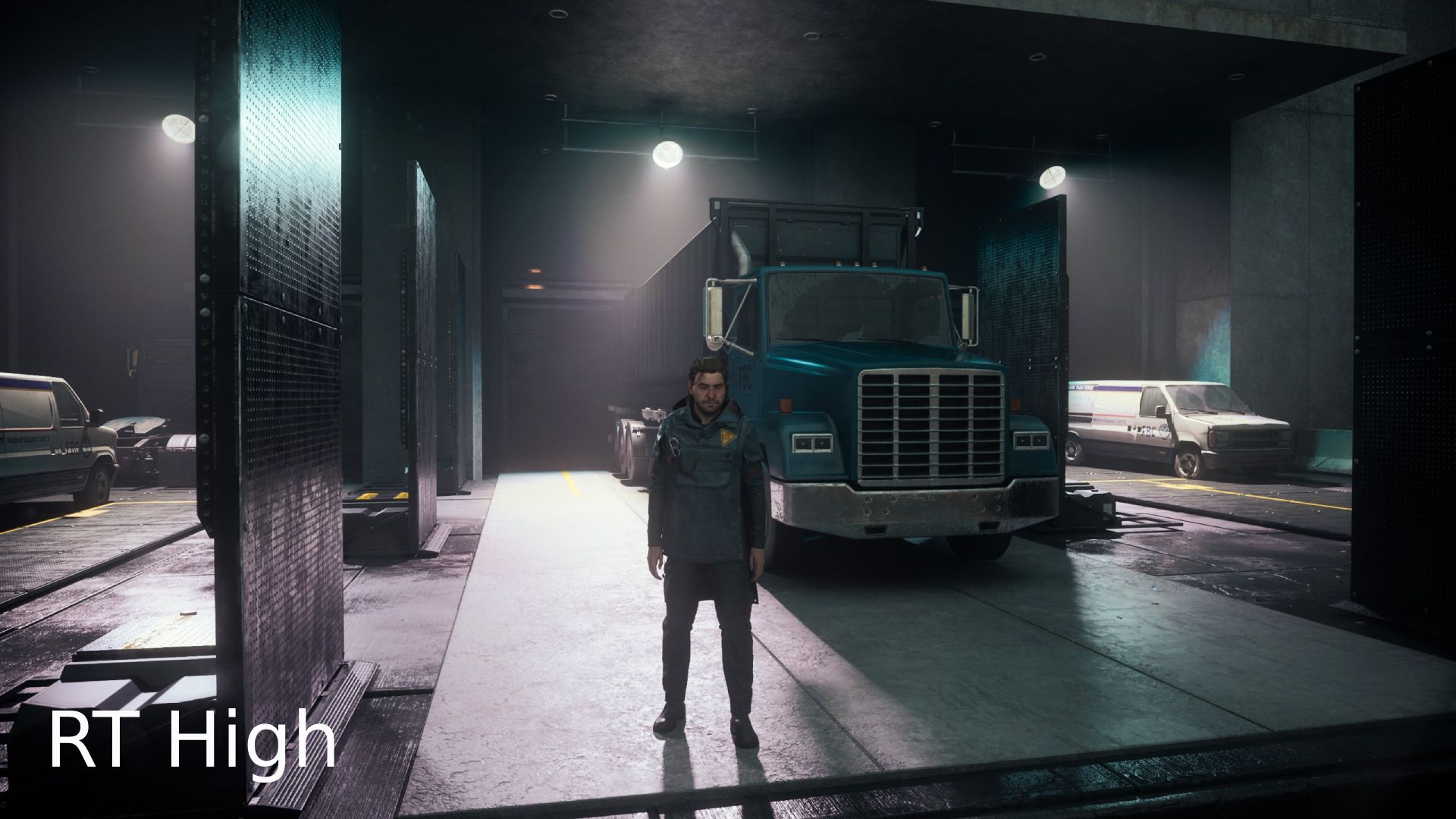
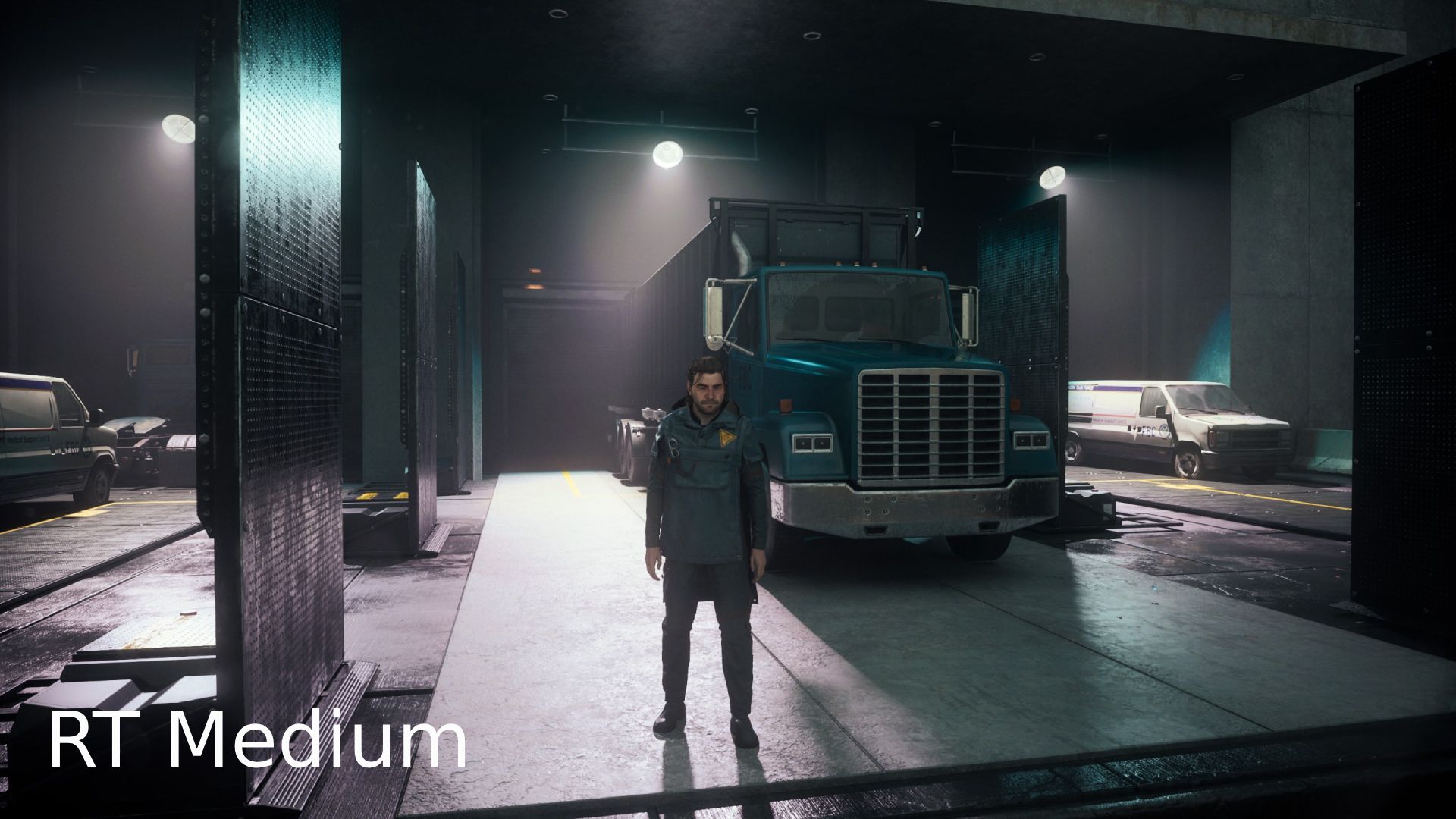
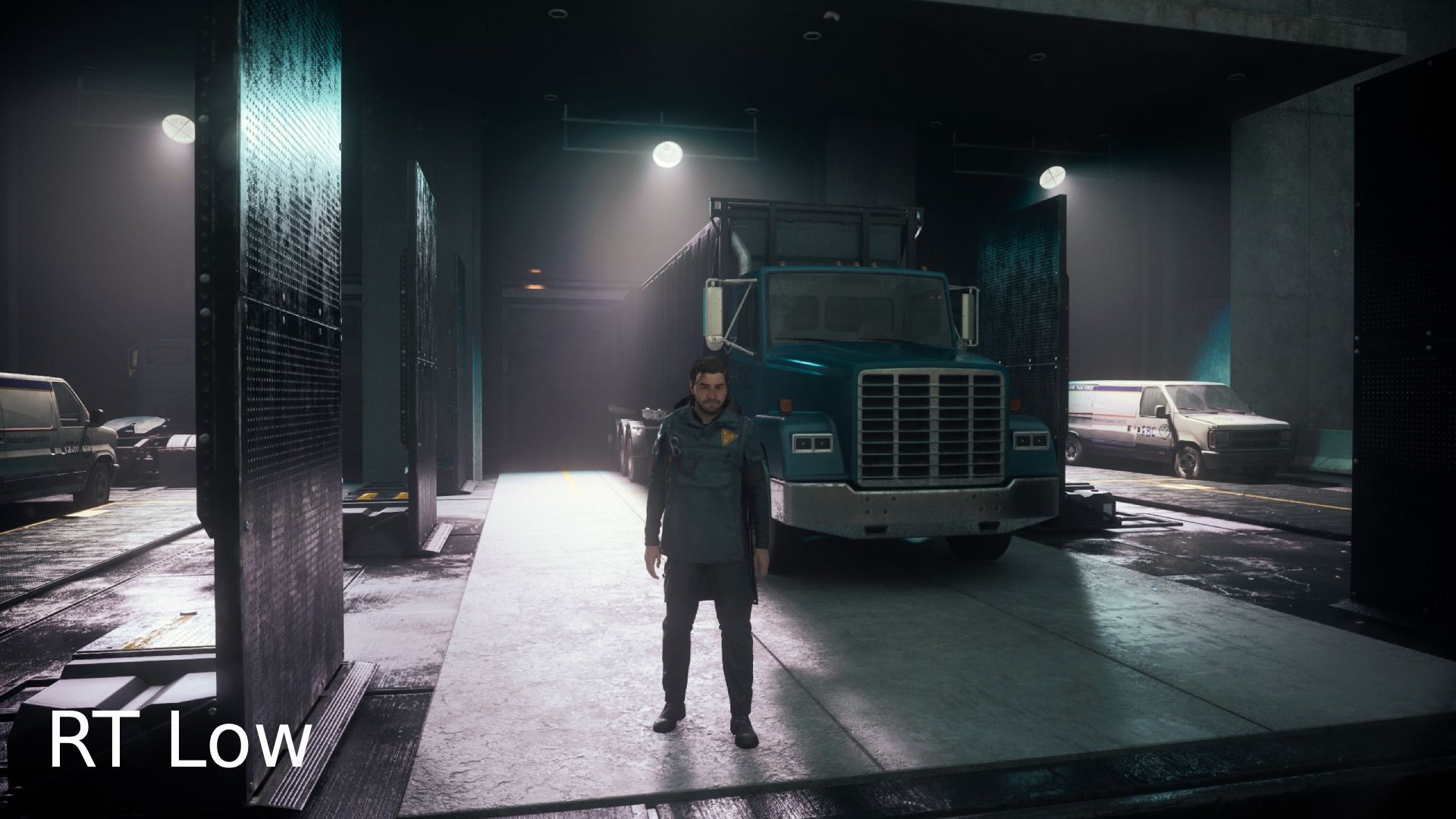
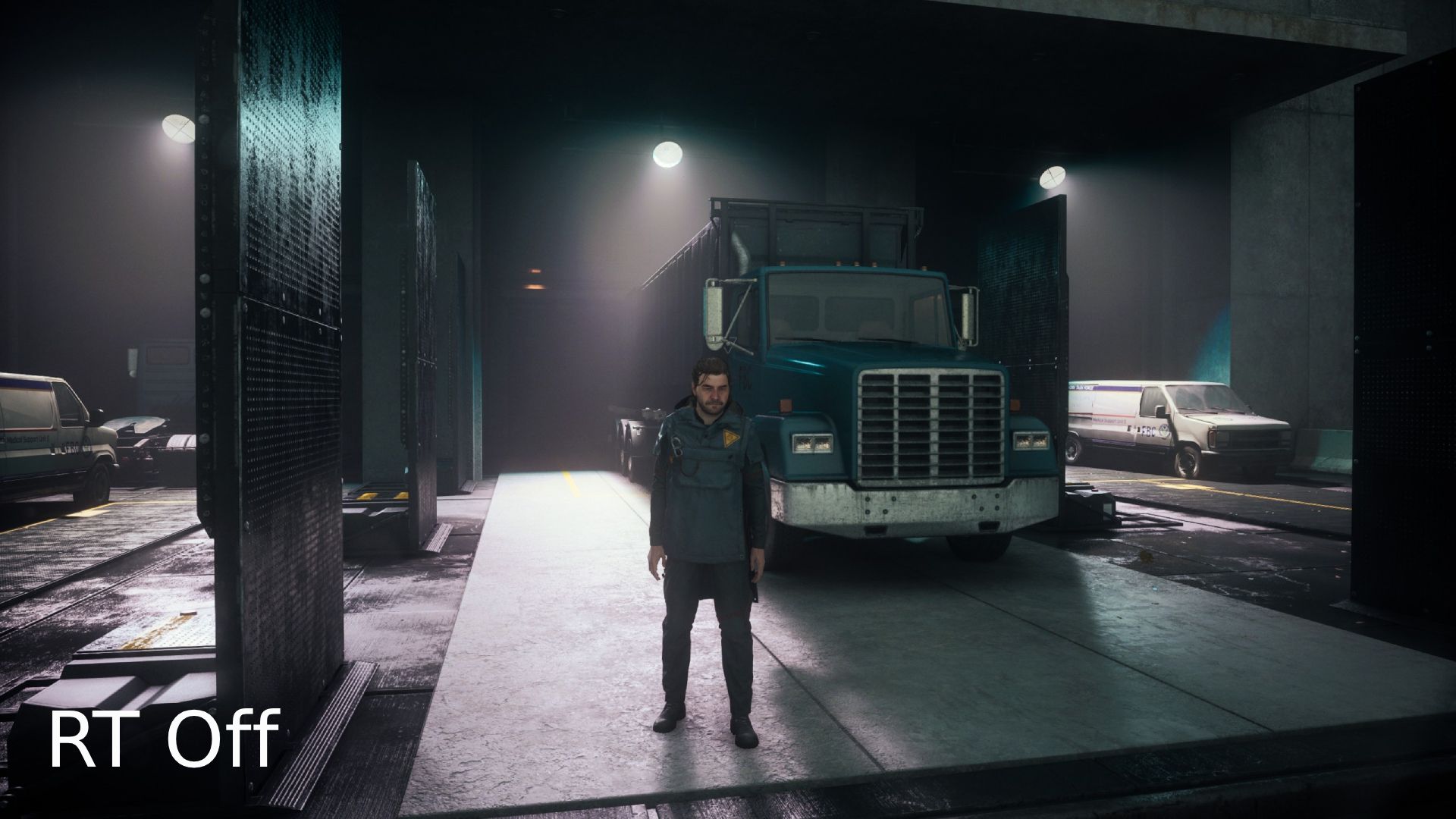
Sure, you can spot some differences between Ultra RT and High if you really hunt for them. The lighting on the parking lot ceiling above the central lamp, for example, looks a lot more realistic with the ray tracing maxed out. But switching back between this and the High setting during actual gameplay, you’ll really struggle to tell.
In fact, the Medium RT preset looks pretty darn good as well, although the ceiling darkens up considerably. If you switch to Low, shadows lose their definition fairly quickly, as evidenced by the truck in the background and Dylan’s legs.
Given that Control Resonant likes to play with light and shade in its environments, I think that RT High is probably the best compromise between image quality and performance. Still, all these screenshots look grand to my eyes.
Control Resonant – Ray Tracing Image Quality
A comparison between RT High settings, and RT Low. Notice the sharper shadow Dylan casts on the left, and the more realistic reflections on the wet road.
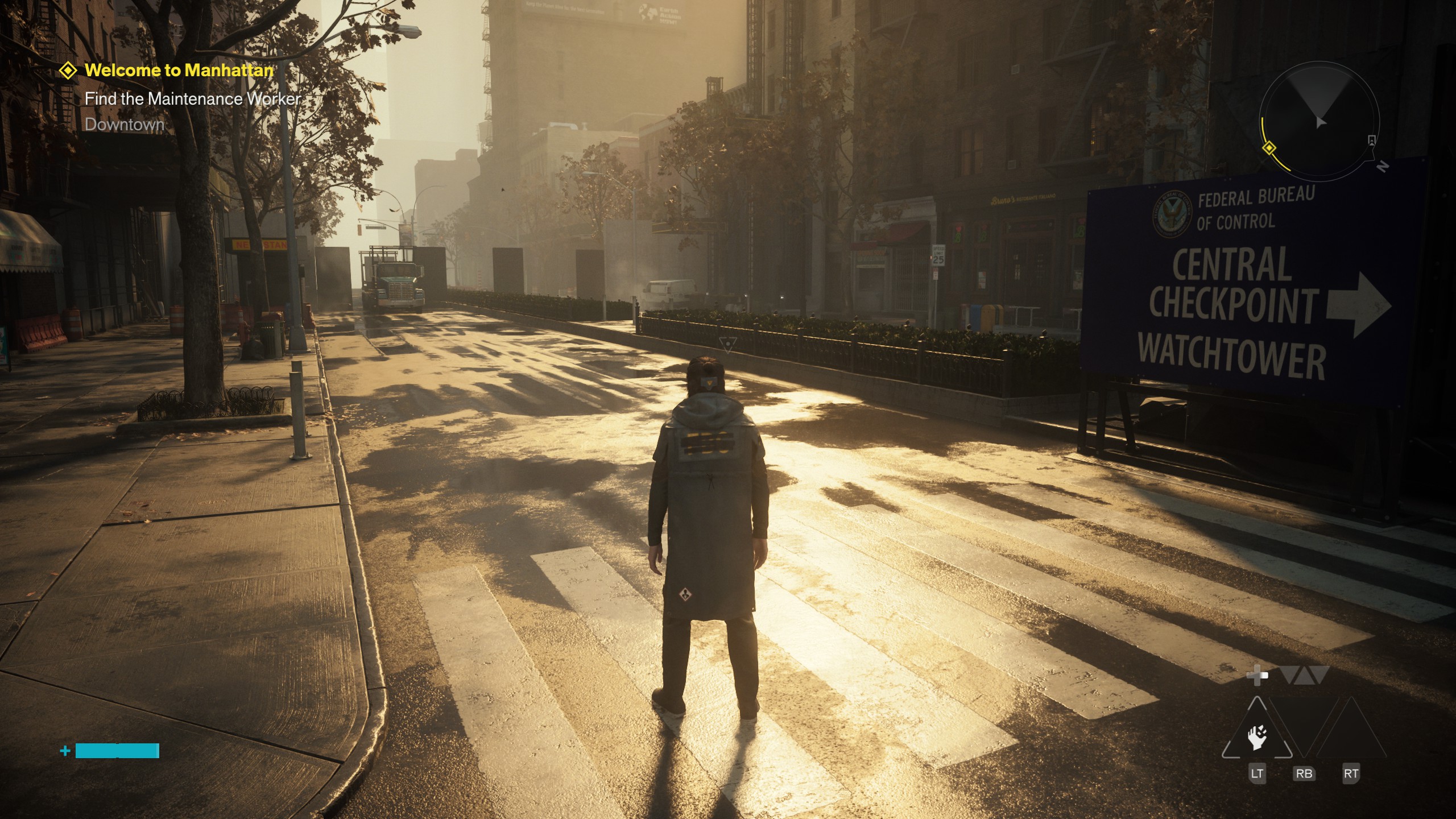
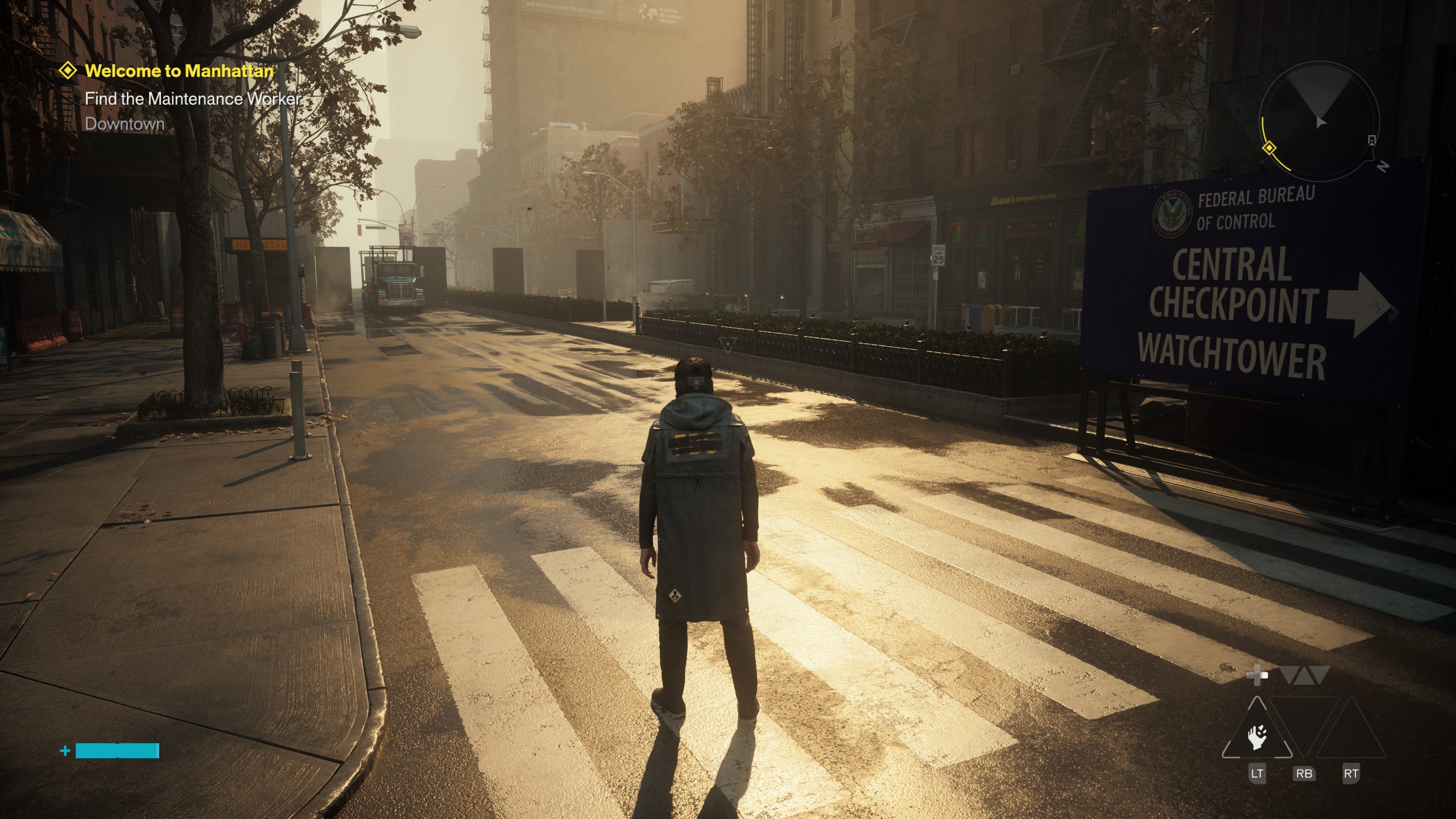

There are some appreciable differences with High ray tracing enabled. In the brightly lit Manhattan street above, the Low ray tracing reflections in the road become a little blocky, while High gives them a hazy quality that feels more appropriate for the scene.
And again, check out Dylan’s shadow. It’s crisp and well-defined with ray tracing set to High, and quite fuzzy at Low. As is the lighting on Dylan himself, now I come to notice it. Still, I think both of these presets make the game look great, especially once you stop pixel hunting and start stalking the streets.
Keeping ray tracing set to High for consistencies sake, I thought I’d see if I could gain some extra performance by adjusting the regular graphics presets. It’s a similar story, though: Ultra settings provide the most significant performance drop, while High and Medium are so close as to be within margins of error.
Control Resonant – RTX 5070 Ti – 1440p performance
Results recorded during gameplay at 1440p, RT High, DLSS set to Quality, Frame Generation off.
Control Resonant – 1440p, RT High, DLSS Quality, FG off
Avg FPS
1% Low FPS
| Product | Value |
|---|---|
| Ultra | 71 Avg FPS, 50 1% Low FPS |
| High | 80 Avg FPS, 57 1% Low FPS |
| Medium | 81 Avg FPS, 60 1% Low FPS |
| Low | 86 Avg FPS, 62 1% Low FPS |
There’s a sweet spot here if you’re trying to min/max image quality with performance, and it’s setting both the regular graphics preset and the ray tracing settings to High, with the upscaler of your choice set to Quality. The game looks downright excellent at these settings, and on this machine results in some very smooth, great-looking gameplay.
Observe, as I button mash my way through some combat in clip below with both set to High. Also notice how the environment is extremely reactive to my ham-fisted attempts to hit something, anything, with my supernaturally enhanced weapons, all without a hint of hitching or stuttering.
This game is very impressive in motion, and given that I haven’t even touched the frame generation to get a smooth frame rate with ray tracing turned up, it seems reasonably well optimised as well.
However, I appreciate that not everyone can afford a PC with this sort of grunt, even if it’s not the latest and greatest. The good news, though, is that Control Resonant actually looks pretty good with everything set to its lowest. The screenshot below was taken at the Low preset, with ray tracing disabled entirely.
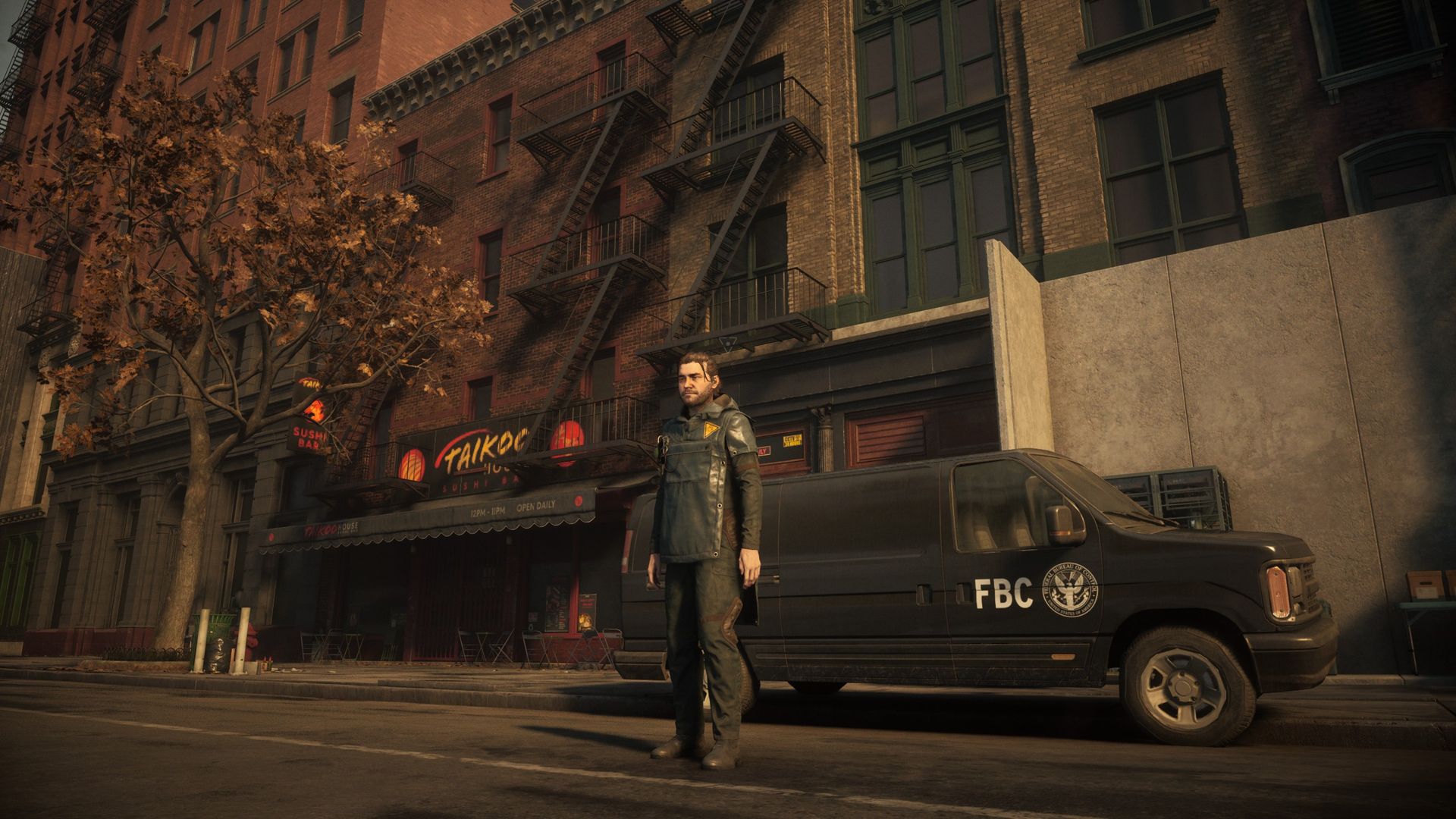
Not exactly ugly, is it? The restaurant signage is a little blurry, but check out how much detail is still kept within the scene even with everything turned down to the very, very bottom.
Remedy says the minimum required GPU is a GTX 1070 (for 1080p/30 fps at Low), and while I don’t have one of those on hand to test with, I’d still happily play Control Resonant at the lowest settings if I needed to. It preserves a remarkable amount of detail with everything turned down, with a decent boost in performance.
The clip above was recorded at 1080p Low with DLSS set to Quality, and with ray tracing and frame generation turned off. It’s Control Resonant’s art style that really makes the difference here.
The world itself is clearly defined and beautifully put together, and while I’d still enable ray tracing in some fashion if you can afford the frame rate hit, it’s simply a good-looking game no matter the settings.
The reactivity of the environment (and a fair few spooky-dooky, yet lightweight effects) are really what you’re paying the price of entry for, so don’t feel too obliged to turn up the pretties for the sake of it. There’s performance to be found in them thar hills, and I certainly wouldn’t spoil a good time by cranking things up to the max.