
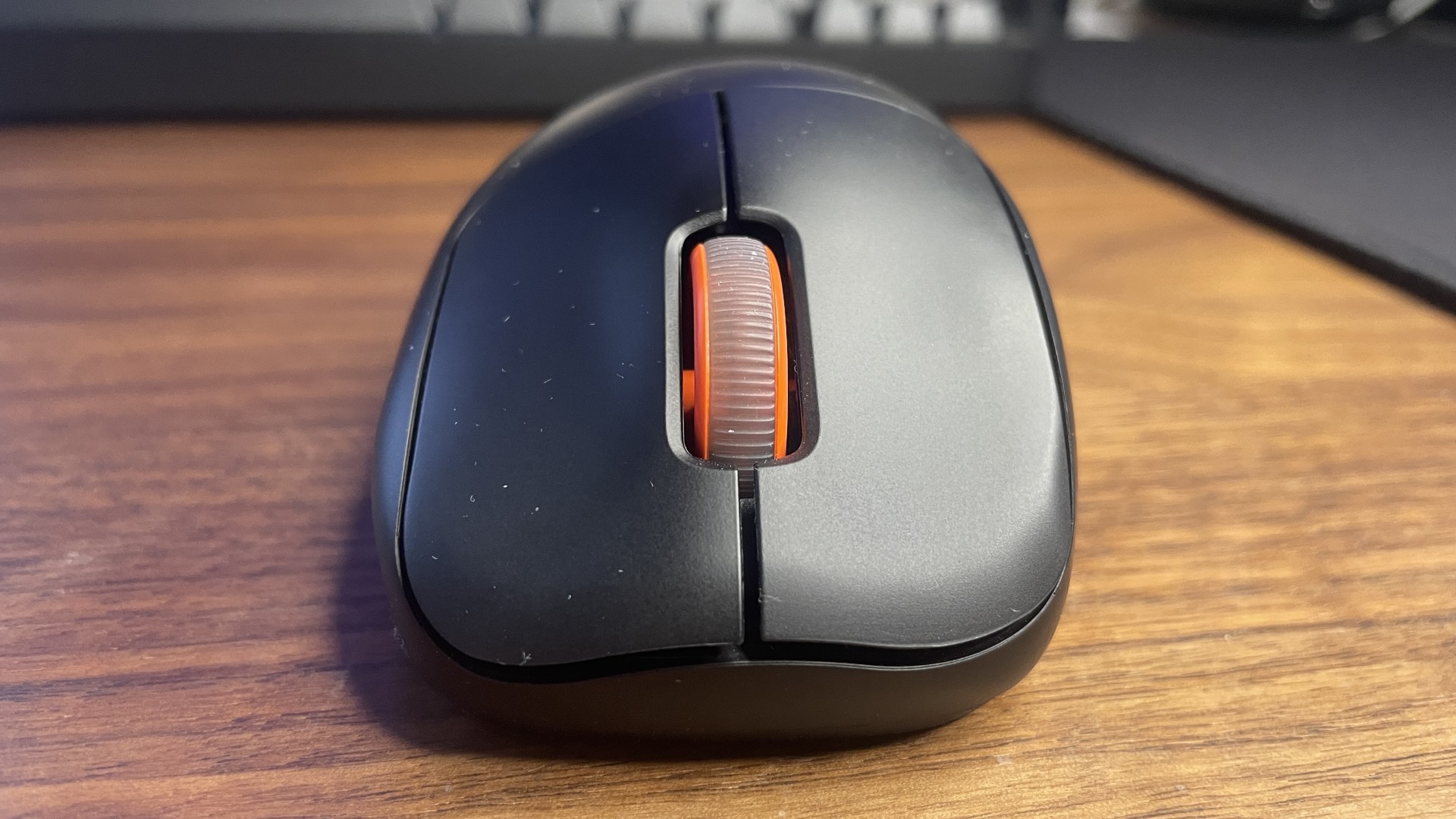
SteelSeries Rival Pro
- Ergo palm grip shape
- UWB wireless only (no USB!)
- 53 g
- 42K DPI TrueMove 42K Pro sensor
- SteelSeries Optical switches
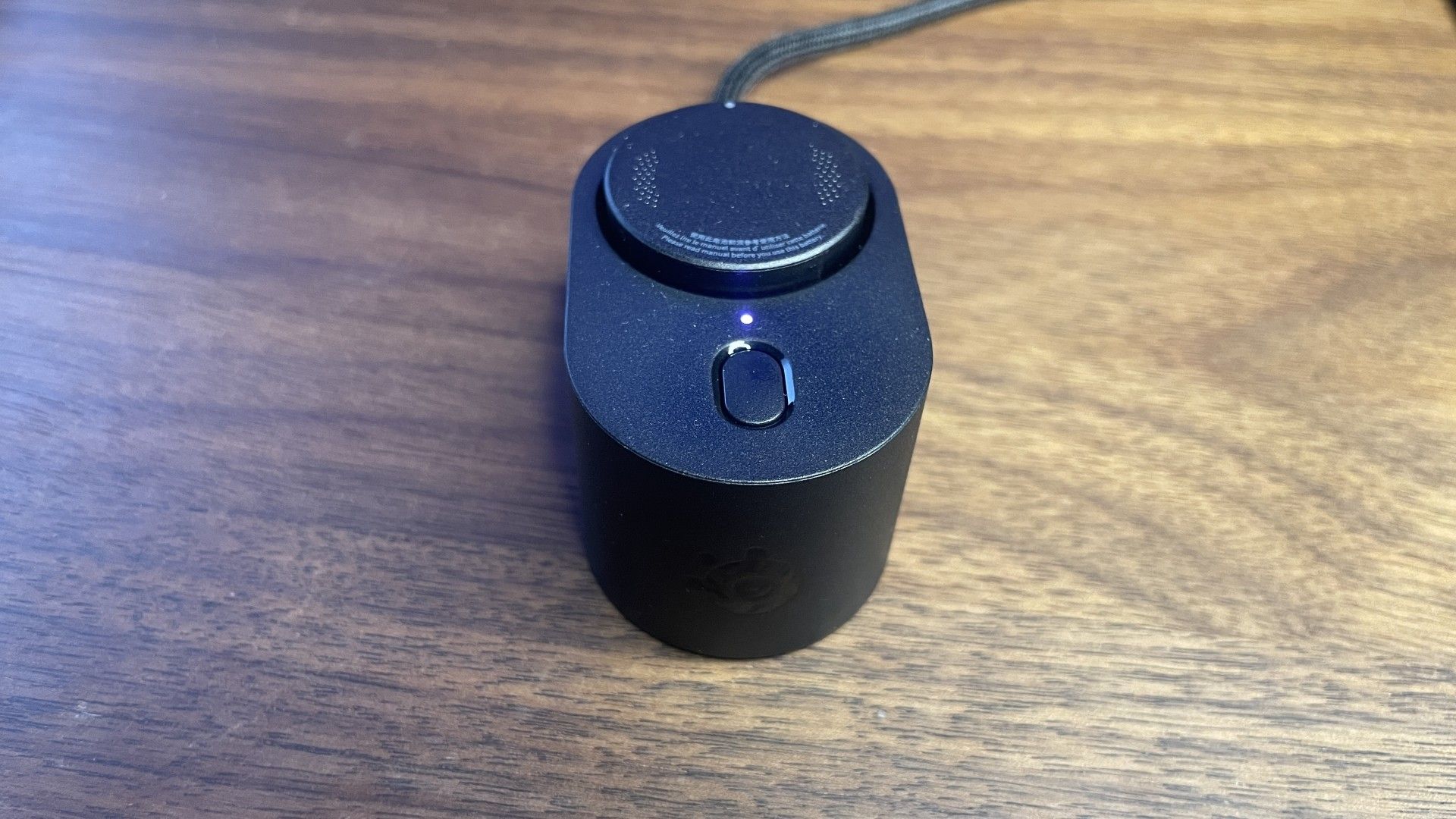
- Hot-swappable battery
- $179.99 / £169.99 / €199.99
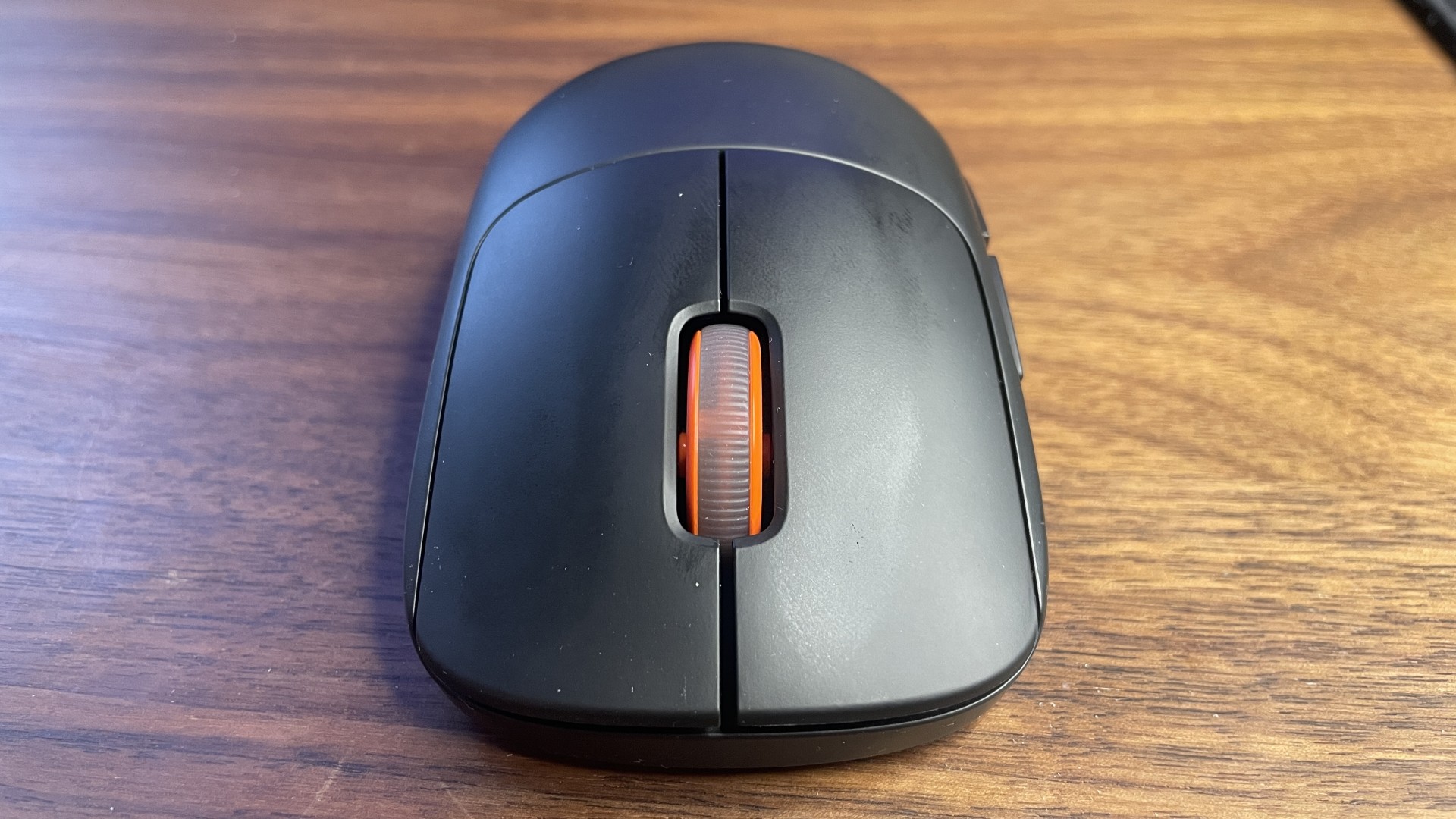
SteelSeries Sensei Pro
- Symmetrical claw grip shape
- UWB wireless only (no USB!)
- 53 g
- 42K DPI TrueMove 42K Pro sensor
- SteelSeries Optical switches
- Hot-swappable battery
- $179.99 / £169.99 / €199.99
Last month, I visited SteelSeries HQ in Copenhagen to get a first look at some new gear, but the most surprising thing was not what was there but what was conspicuously lacking: USB ports. The two new mice I was shown, the Rival Pro and Sensei Pro, cannot be plugged in at all. A bold decision, but over the past few weeks of using both mice, I’ve been surprised to find that sacrifice is worth the benefits. So much so that I couldn’t help but conclude in my Rival Pro review that SteelSeries is absolutely and unequivocally back, baby, firing on all competitive cylinders.
All this is said, however, with a big asterisk, this being the assumption that connectivity and functionality will hold up over time. These mice cannot afford to struggle with connectivity for firmware updates, for instance.
SteelSeries is using ultra-wideband (UWB) wireless, which is a new and niche tech that promises to be more reliable, however given it’s new there’s an element of ‘are we sure‘ here. I’ve had no problems yet, but time will tell.
The main benefit of ditching USB connectivity entirely is that presumably this is what has contributed to keeping the weight of both mice so low, despite having hot swappable batteries. We’ve seen hot-swappable batteries before, but it’s still very niche for gaming mice, and at any rate, I’ve not seen it done in such premium feeling mice as the Rival Pro and Sensei Pro.
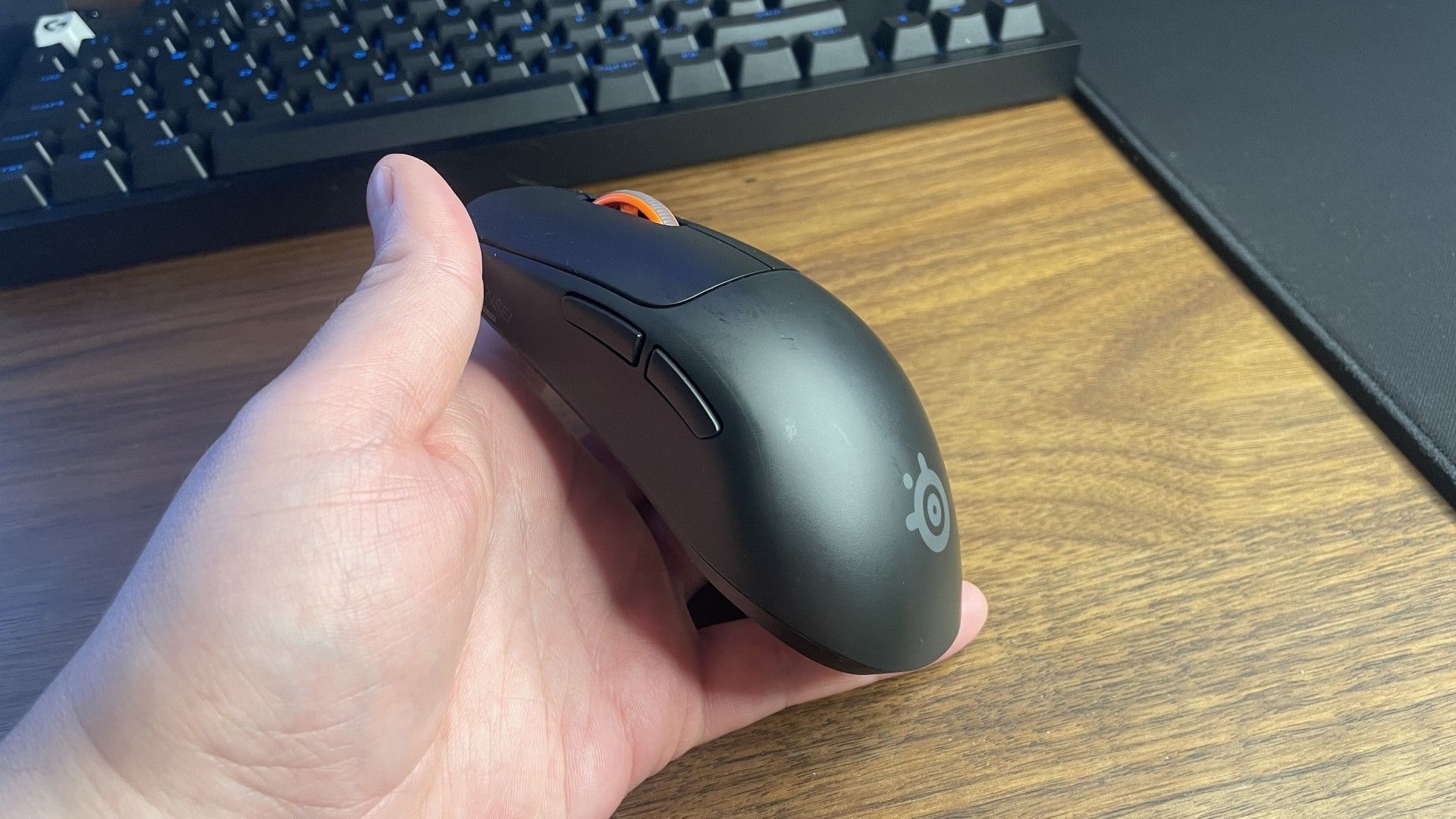
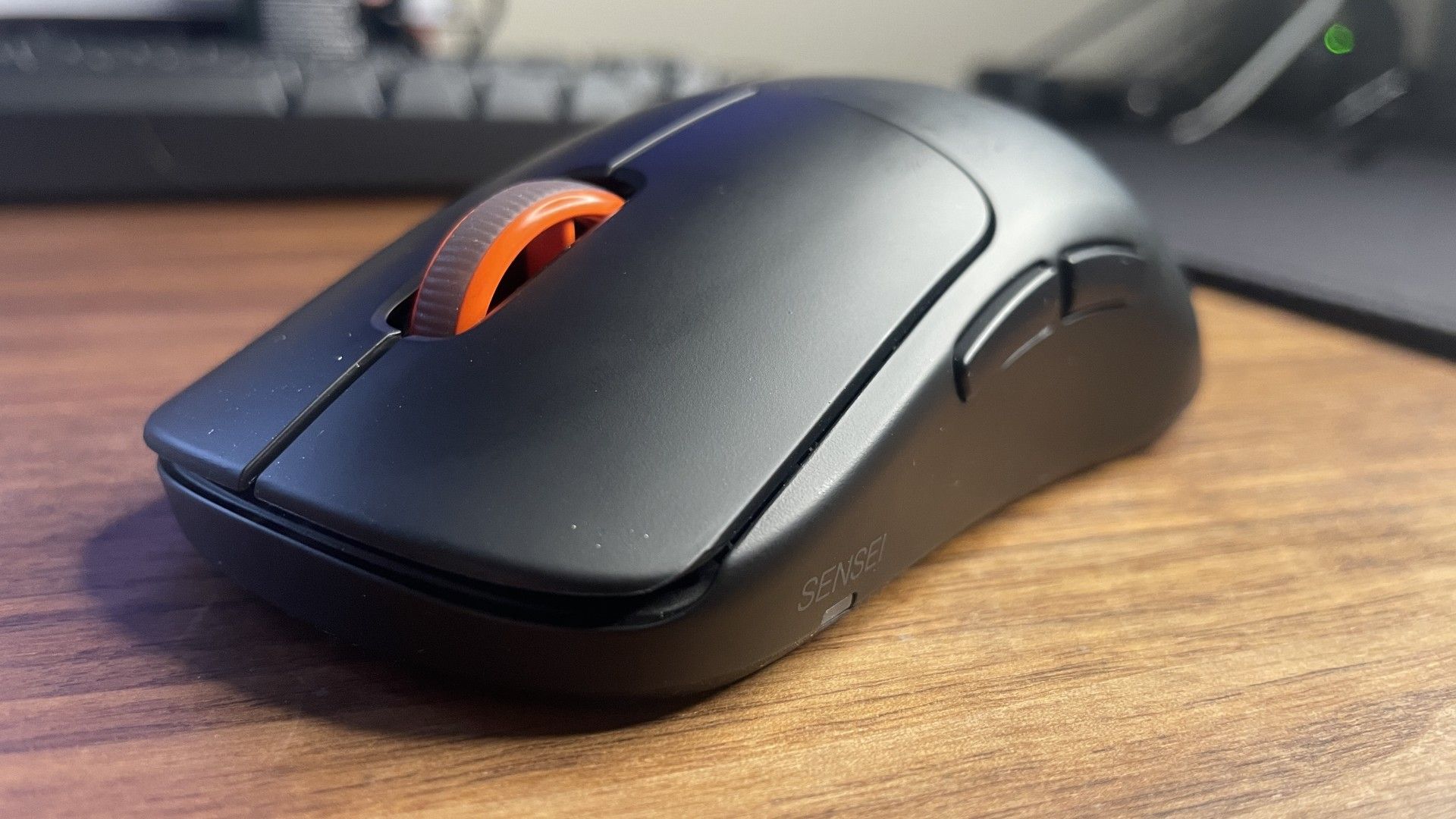
The Rival Pro has an ergonomic slope to it, while the Sensei Pro is symmetrical with a slight hump towards the back. Apart from the difference in shape, though, both share the same specs and the same quality feel. I feel nary a wiggle or a flex under my fingers, and apart from the more mushy-feeling (but not bad) scroll wheel, both mice feel as well-built as the most well-built mouse I’ve ever had my hands on: the Razer Viper V4 Pro.
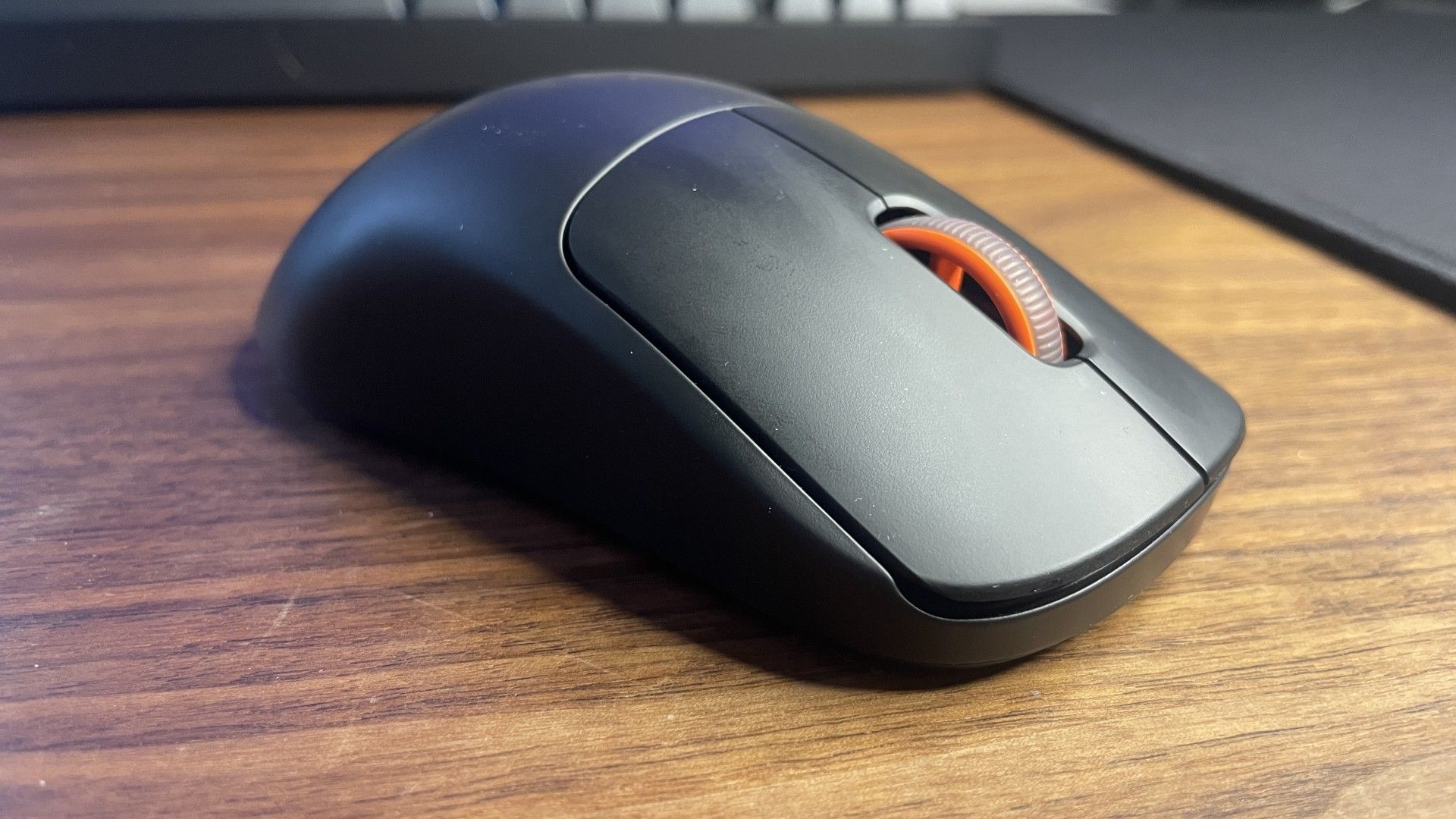
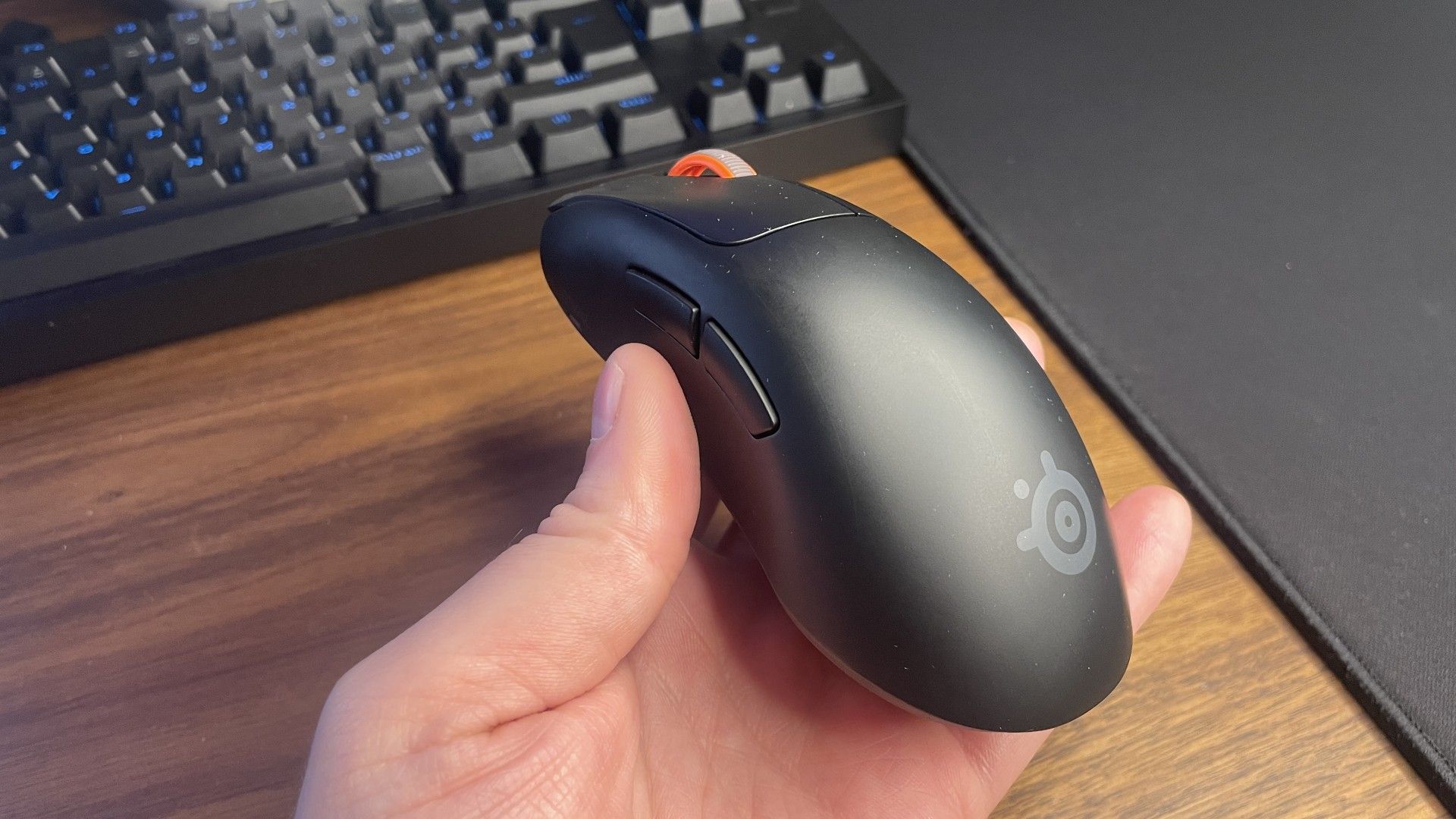
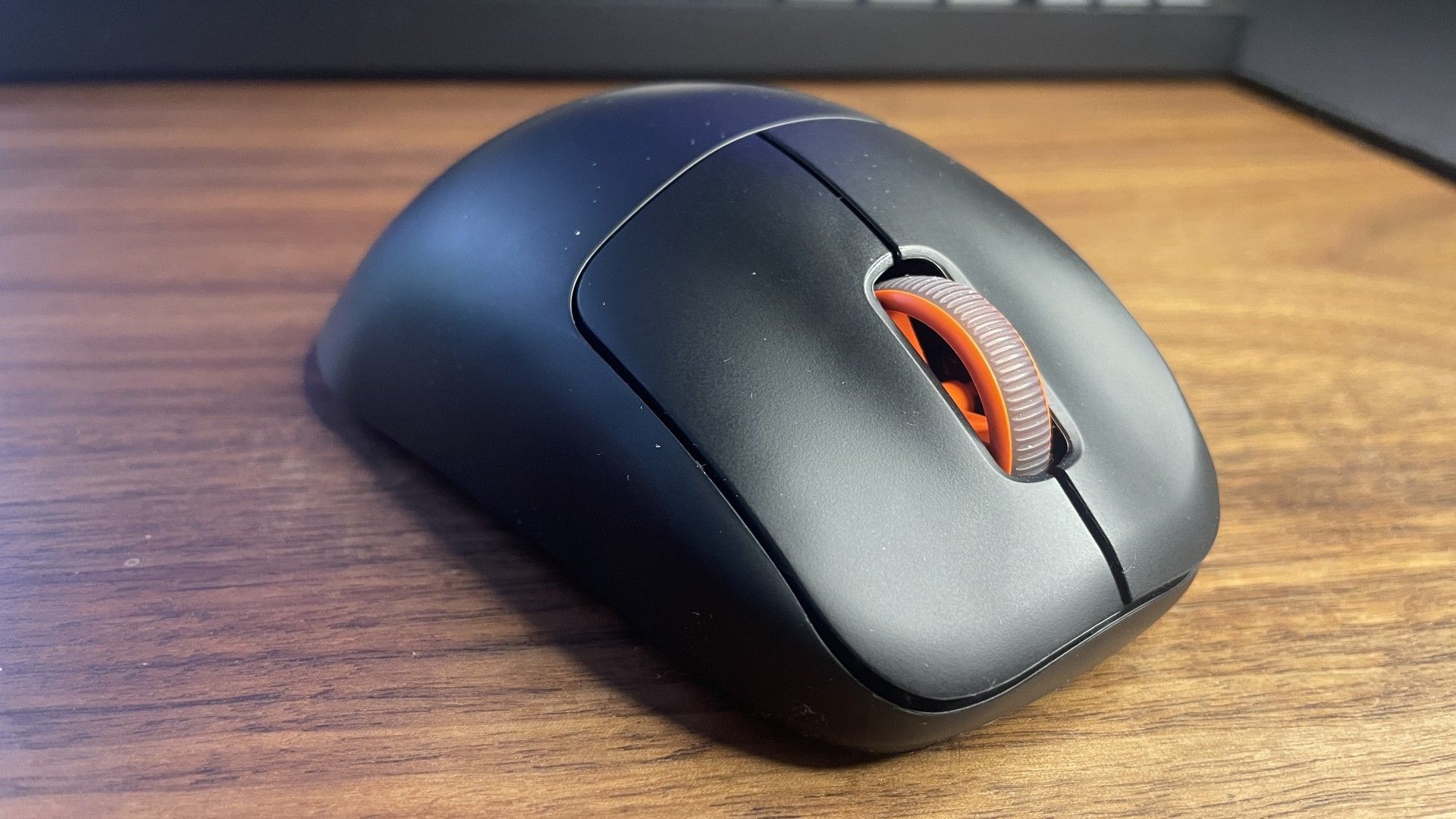
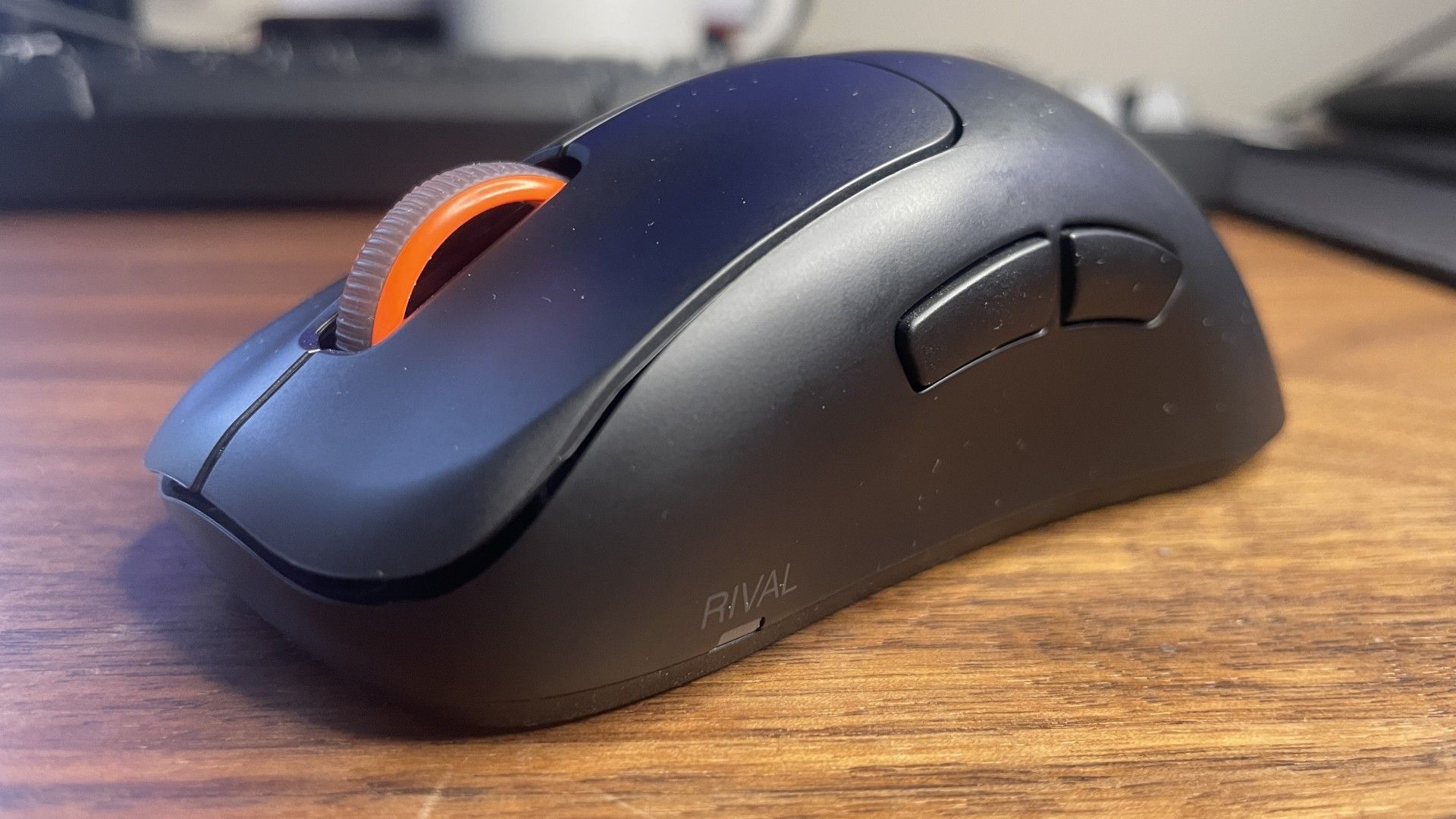
SteelSeries was keen on highlighting the “true” 8K of both mice, because apparently they send one packet and receive one receipt at 8K whereas most mice do things in batches. You can also set it to have a higher click polling rate than sensor polling rate to save on battery life. But I’m not too fussed about either of these things: sensor polling rate is what I care about, and I’m not too fussed about 8K anyway.
It says something, then, that assuming the connectivity doesn’t putter out at any point in future—and I’ve had zero problems on this front so far—I’m still using the Rival Pro as my go-to mouse for Counter-Strike despite its lack of backup USB connectivity. The combination of light weight, hot swappable battery system, fantastic shapes, and top-tier build quality are what really make the proposition worth it.
Of particular note is the fact that you’re getting optical clicks, but they somehow have a gorgeous mechanical sound and feel, which is practically unheard of.
I did receive these as a review unit, though, which means I’ve not had to fork out $180 for the pleasure. These are expensive mice, make no mistake. More expensive than the Viper V4 Pro, even, though the same price as the X2 Superstrike and just a little less than the X3 Superstrike.
But they truly do feel that pleasant under the palm that I think both the Sensei Pro and Rival Pro are worth it, if you’re lucky enough to have that kind of a budget. And assuming that UWB connection does indeed hold out in the long run.