
With price gouging and some buyers exporting graphics cards to China, Micro Center is reportedly making customers swear they won’t do the same. And with a signed declaration, it’s maybe a bit more airtight than a pinky promise.
This is according to Reddit user Krothic, who recently picked up a Powerspec Ai90 prebuilt PC with an RTX 5090 in it and was hit with the form. The Redditor bought the PC from a Micro Center in Tustin, California, and according to the manager, the new anti-export declaration only came into effect a few days ago.
High-end GPUs have been banned from being exported to China as America is looking to win the AI race, and more beefy cards in the country equals more power. But it’s also become harder to actually buy an RTX 5090 GPU on its own, with the likes of Newegg and Amazon’s only listings being shops with questionable provenance and names such as ‘sdflkjahsdgasdggbsd’. Full PCs, then, might be your only recourse for grabbing a card for export if that is your aim.
Apparently, the user had to hand over their driver’s license to verify their identity, too, linking their purchase to their name. Should that GPU be found being shipped elsewhere, Micro Center could technically tie the GPU back to the buyer by checking its serial number. But this doesn’t account for someone buying a prebuilt, then deciding to one day sell that on or eventually giving it to someone else.
In fairness, the paper does get the buyer to state, “I am purchasing this product for my own legitimate personal or business use in the United States, or I have accurately identified the actual end user above.” But that still feels like a lot of paperwork just to buy a new PC, and that’s before we get into how enforceable any of this is.
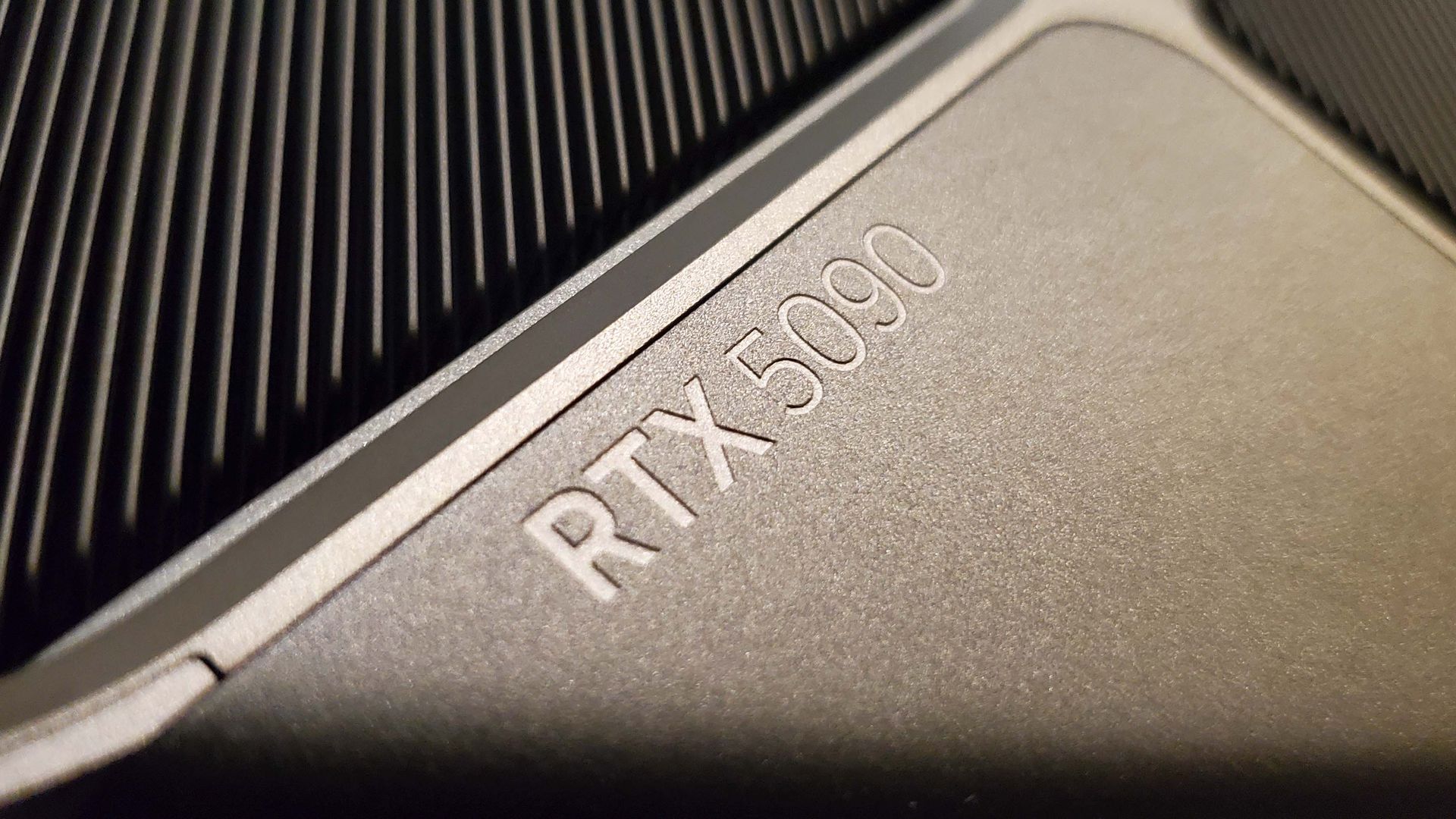
If an exported GPU is tied back to someone who purchased one at Micro Center, there are reasons one could claim for how the GPU ended up there, ie, it being stolen.
It seems likely the biggest deterrent to exporting is not the declaration but, in fact, the ID check. If you are looking to export cards en masse, you likely won’t want to give your full legal name to an entity that can tie those purchases back to you.
Still, it’s getting harder and harder to buy gaming hardware, and not just because of the price. The barriers to entry are being raised, and many brands are opting to have users prove brand loyalty to get the tech instead. Neither option seems that appealing to me.