

For my column this week I was going to write about climbing all over monsters in Dragon Dogma 2’s chilly Dark Arisen expansion, but then EA decided to finally murder BioWare after years of slowly poisoning it. So sadly I am pivoting to this eulogy.
It’s hard to discuss BioWare’s demise without detailing the corporate meddling that led to one of gaming’s most celebrated and enduring studios getting the axe. BioWare made mistakes, undeniably, but the buck stops at the executives who gutted its teams and never understood, for instance, the popularity of Dragon Age.
But things are bleak enough and you know all this already. So instead, I want to celebrate BioWare’s impressive impact, which will continue for as long as studios are designing RPGs.
Even if BioWare ceased to exist after its incredible run of Infinity Engine games, it would still be considered an icon. Baldur’s Gate was, for so many people, the CRPG, defining an era of roleplaying games and echoing across the decades. We’re still talking about it, and studios are still designing games built on that old foundation.
Owlcat, Obsidian, Larian—three of the biggest RPG studios of the current era have all dipped into that well. Without BioWare we’d not have the Pathfinder CRPGs, Pillars of Eternity or Tyranny, and Baldur’s Gate 3 certainly wouldn’t exist.

Obsidian as we know it would likely be a very different studio without BioWare, if it existed at all. It formed after the closure of Black Isle Studios, which published Baldur’s Gate, and it relied on BioWare’s Infinity Engine for Icewind Dale and Planescape: Torment. That relationship continued under Obsidian, with the team following up BioWare’s Neverwinter Nights and KotOR with celebrated sequels, before making Pillars of Eternity, BG’s spiritual successor.
Obsidian as we know it would likely be a very different studio without BioWare.
The modern resurgence of CRPGs, born out of a love of BioWare and Black Isle’s library, probably would not have happened if the two studios had not made such a huge impression. Disco Elysium, for instance, owes a great deal to Planescape: Torment, and if ZA/UM had never created Disco, we wouldn’t have games like Esoteric Ebb or Zero Parades either.
Following Baldur’s Gate, BioWare gave us Neverwinter Nights in 2002, a game that was still undeniably a CRPG, but one that catered to the demand for 3D graphics. Neverwinter Nights was solid, but its real legacy was the Aurora Engine and the Aurora Toolset.
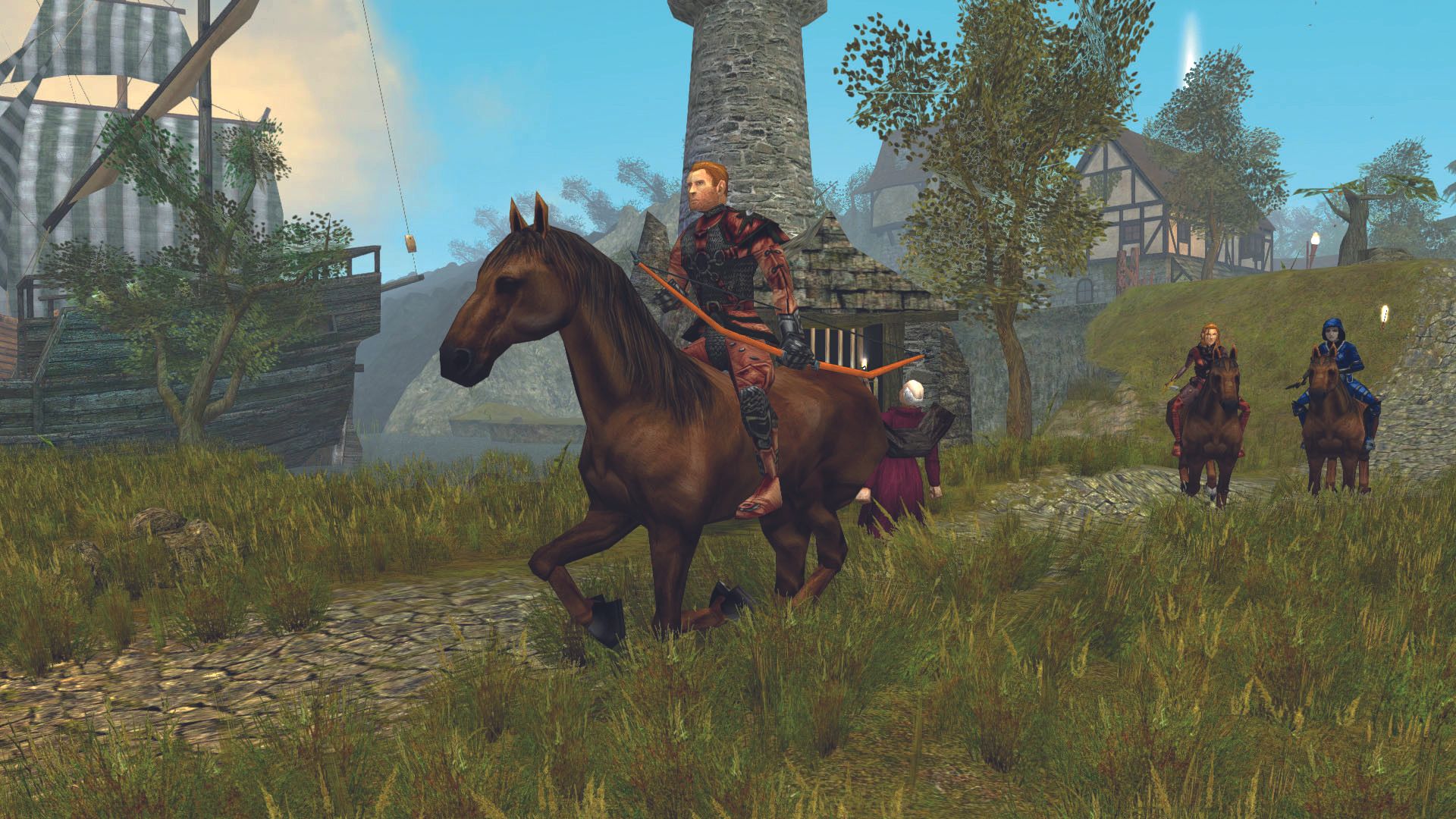
BioWare gave players the power of game creation with the toolset, with which they spawned countless worlds, modules, mods and persistent servers—effectively community-run MMOs. It was my first foray into modding, when I created a D&D adventure for my flatmate’s birthday. I was a broke student, so I couldn’t afford a gift, but I could absolutely skive class and make a cool game.
Folks are still playing with the toolset today, in a community that has persevered for over two decades.
Also in 2002, a small Polish developer was founded. CD Projekt started life as a localisation studio, and it worked with BioWare and Interplay to create the Polish version of Baldur’s Gate. From that relationship, it was given the job of porting Baldur’s Gate: Dark Alliance to PC. Unfortunately, that port was a victim of Interplay’s demise, but bigger and better things were on the horizon.
The company formed a new studio to develop its own games, known as CD Projekt Red, and started work on the original Witcher. The studio then licensed the Aurora Engine from BioWare, which it heavily modified to create Geralt’s first big videogame romp.
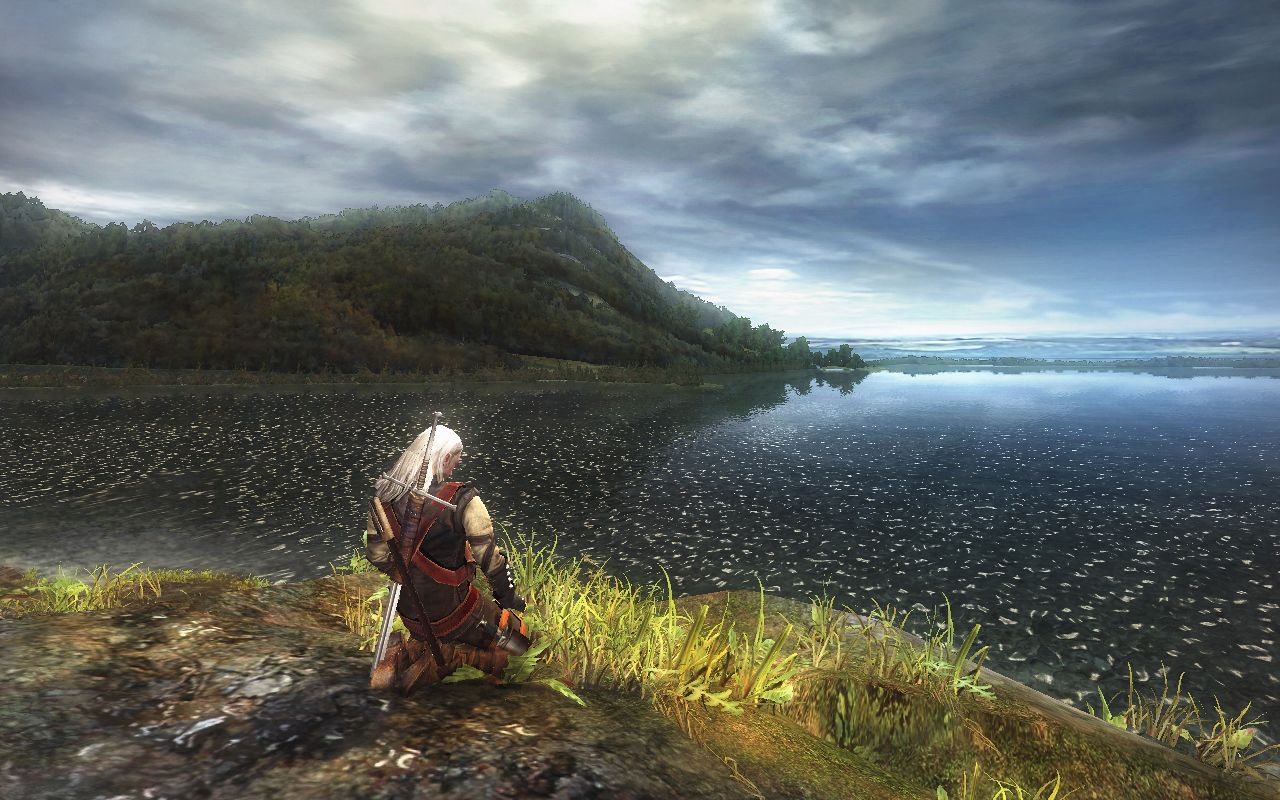
CDPR’s joint CEO Michał Nowakowski paid tribute to BioWare after the closure announcement, saying, “Bioware has been a massive part of CDPR history. We befriended them when localizing and selling Baldur’s Gate games in Poland, Czech, and Slovakia. And later they were [a] great help when lending us their engine for Witcher 1, sharing their wisdom and even giving us a spot at their booth at E3.”
As the popularity of CRPGs started to wane and consoles began to dominate, BioWare adapted and pivoted.
As the popularity of CRPGs started to wane and consoles began to dominate, BioWare adapted and pivoted. Star Wars: Knights of the Old Republic was still secretly a CRPG, but one that you could play on console with your controller, with so much of the classic CRPG complexity hidden from view.
KotOR kicked off a series that continued with KotOR 2, from Obsidian, and BioWare returned to the series for SWTOR, a MMO that continues today under developer Broadsword. At the time of its launch, it was the most expensive MMO ever made, and it continues to be an astonishing achievement in terms of the absurd amount of dialogue and voice acting.

With KotOR, BioWare really started to refine the features that would go on to influence so many RPGs (and games in other genres). BioWare RPGs have always featured big, game-changing decisions, letting you determine through your choices who lives, who dies, and who gets to become the protagonist’s love interest. But in KotOR, we started to see this really become codified.
The romances, the alignment system, the ability to influence companions and even turn them to the Dark Side, these systems are part of the DNA of modern RPGs. Even now, we describe games that feature big, signposted story branches as having BioWare-style choices.
Jade Empire didn’t make nearly as big a splash in 2005, but it’s here we see BioWare experimenting with action-RPG mechanics. I love Jade Empire, and it further developed the BioWare-style choices, but it also felt a bit like it was following a trend rather than setting one. Story-driven action-RPGs weren’t new.
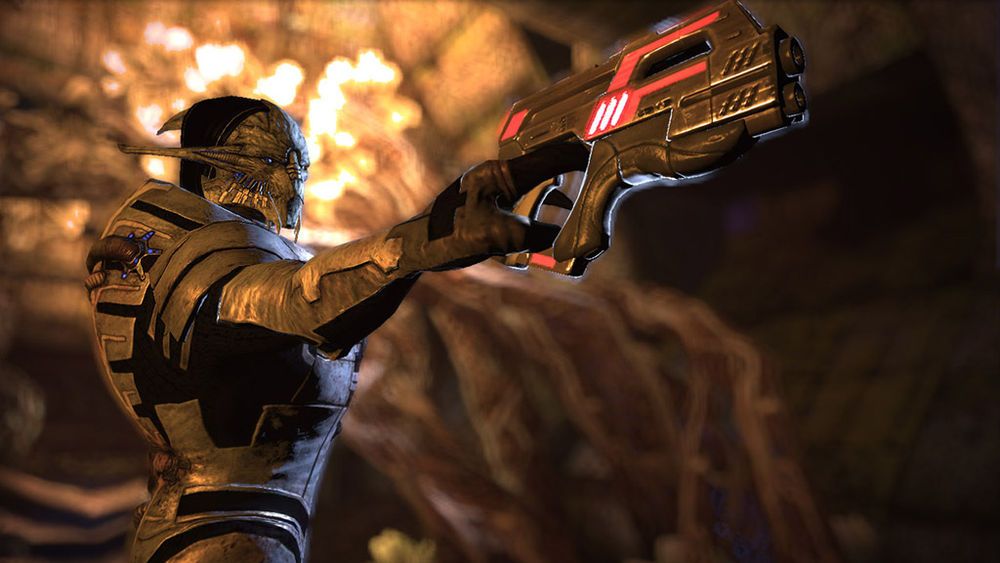
With Mass Effect, though, it attempted something different, and it was duly rewarded. KotOR and Jade Empire saw the studio try to adapt to changing tastes, but with Mass Effect BioWare had finally figured out how to move on from CRPGs.
BioWare had finally figured out how to move on from CRPGs.
The studio that gave us Baldur’s Gate developing a third-person shooter sounded like a disaster waiting to happen, but instead BioWare made something incredible. Never before in a BioWare game had we been able to play such a well-defined protagonist, but the studio maintained the player agency it was so loved for, letting us create all these different versions of Shepard. There’s so much more to the character than the binary Paragon/Renegade system.
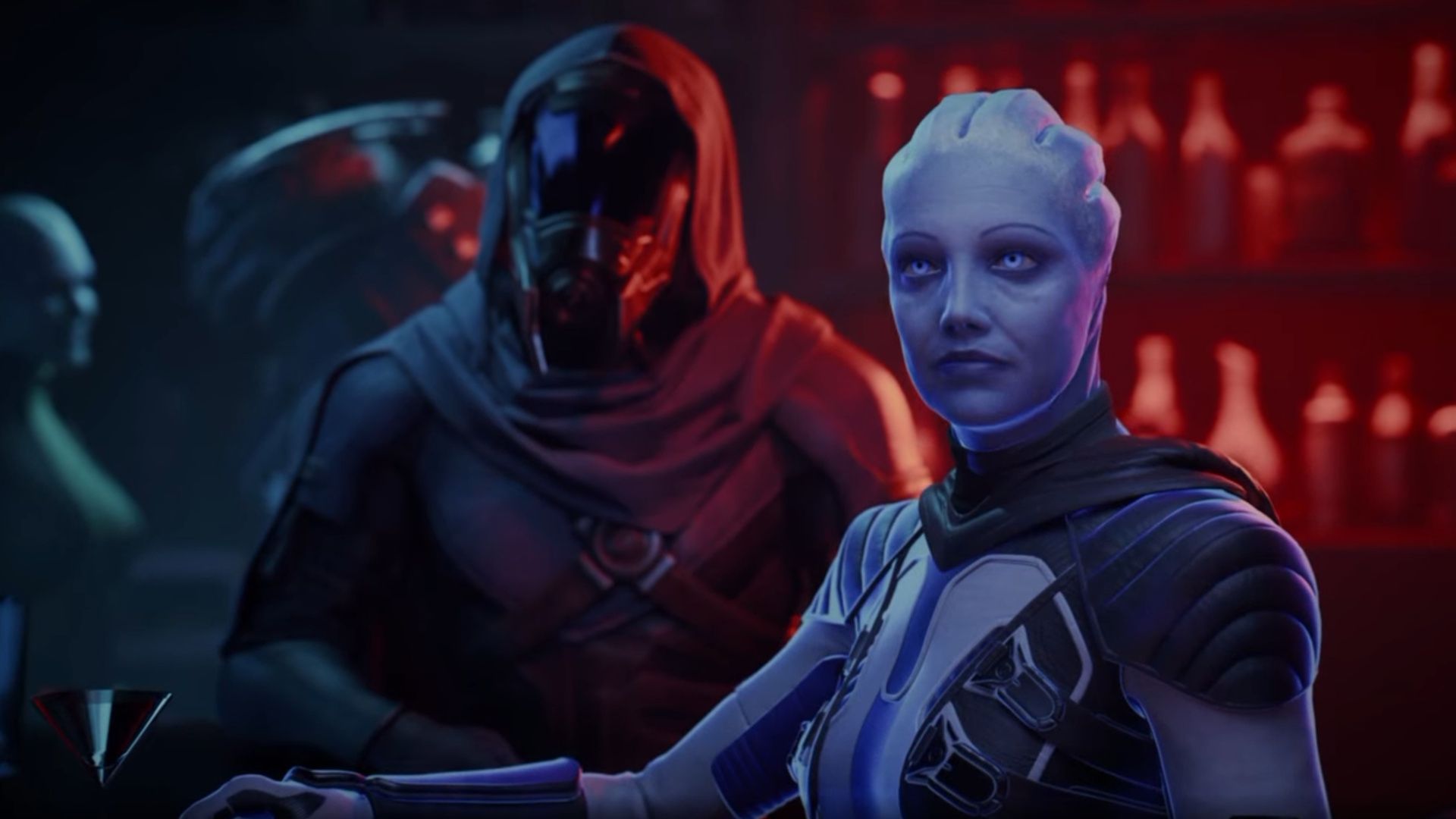
Mass Effect is also where BioWare’s experiments with choice and consequence really paid off. Do we wipe out an alien species or allow one of the galaxy’s biggest threats to survive? Do we betray the Council or risk the deaths of countless humans? Do we date Liara or the space racist? And then we got to see these choices reverberate across the sequels. Years of decisions culminating in a fight for the galaxy’s survival.
With BioWare’s closure, we’ll never get to see what it was planning for the fifth outing, though after Andromeda I’m not sure we would have been happy with it—even though the leaked trailer looks rad. But Mass Effect lives on. The Amazon series is reportedly still going forward, and not one but two new games are on the horizon that are carrying the torch: Owlcat’s The Expanse: Osiris Reborn and Archetype’s Exodus. Both are coming next year.
In 2009, BioWare finally released Dragon Age: Origins, which had been in development for seven years, underwent some significant changes, and was framed as a spiritual successor to Baldur’s Gate. And boy did it live up to those high expectations. A few months after launch, it had already hit 3.2 million sales. BioWare moved on from CRPGs, only to go and release this all-timer a couple of years later.
While the stuido would go on to chip away at series’ the CRPG elements, culminating in 2024’s not-so-great action-RPG The Veilguard, Origins at least showed the world that CRPGs were still viable, and that console gamers were perfectly capable of enjoying a more methodical, complex RPG.

Origins went on to influence a new generation of videogame developers, not just as an RPG, but as a successful blockbuster game that stopped pretending queer people didn’t exist. Sure, Femshep could date Liara in Mass Effect, but BioWare obfuscated the queer romance by making the Asari genderless, even though Liara is absolutely female coded. It could also be argued that the Liara romance played into the fetishisation of lesbians, titillating straight men without actually depicting a queer romance.
Sorry, bigots, you lost!
BioWare continued to represent queer relationships in its other RPGs, sometimes with specific characters, and sometimes by making every character playersexual. And it got a lot of shit for this from the conservative nutjobs. Thankfully, those idiots were fighting a losing battle.
Just look at how many RPGs have followed suit. Not just in allowing the player to embark on a queer romance, but their depiction of queer characters in general. Even the fairly conservative Kingdom Come: Deliverance 2, where the game director constantly complains about “wokeness”, features a genuinely fantastic queer romance. Sorry, bigots, you lost!
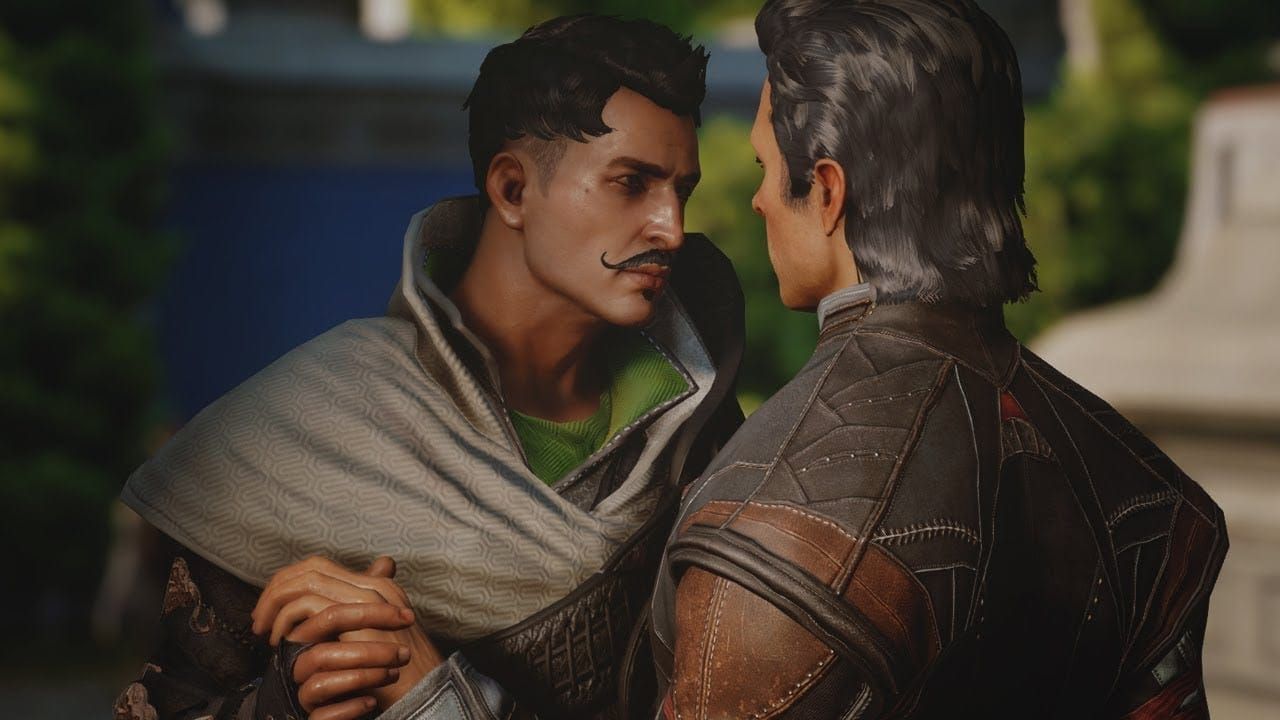
That it was able to do so much of this while trapped inside EA’s dev-killing prison is even more impressive. Mass Effect and Dragon Age came out of the previous era, despite EA being the publisher at the time of their respective launches, but BioWare continued to take big swings despite the less than ideal situation the devs found themselves in.
Yes, I write for PCG and I am about to defend Dragon Age 2. What a shock! But DA2 is a great example of what BioWare was capable of, even when EA was going out of its way to set it up for failure. Despite an absurd deadline that led to extreme crunch and so many cut corners, BioWare was able to put out some of its greatest writing, while introducing beloved and enduring characters like Varric, Cassandra and Hawke. The game was compromised from the get-go, but there’s still so much brilliance in there.
BioWare just kept beating the odds. It was the same with Dragon Age: Inquisition. EA wanted all of its games to use a single engine, Frostbite, leaving BioWare working with new tools that simply weren’t designed for RPG development. It was apparently a bit of a nightmare for the team, which once again had to crunch to get the game out the door. But again, it was fantastic—finding a middle ground between Origins and DA2, while also going mostly open world.
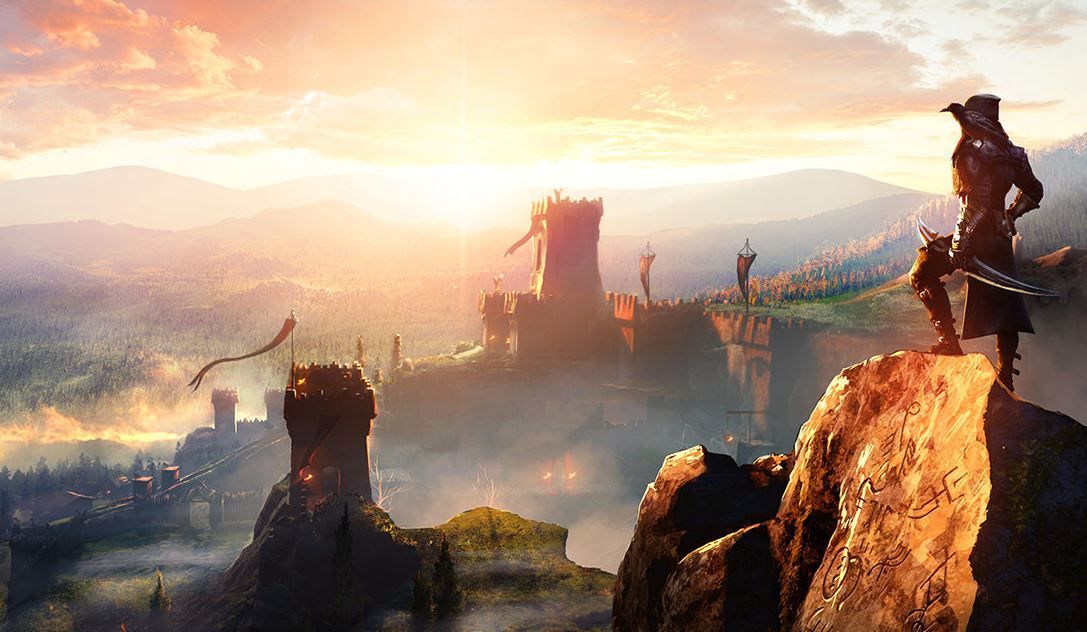
Inquisition was BioWare’s last great game, but what an exceptional run! It sucks that its reward for all these achievements was death by a thousand cuts, and that it became a punching bag for the anti-woke mob. But I refuse to accept that this mars its legacy, or that its demise is anything other than incredibly sad.
And yes, I’ve been a pretty vocal BioWare detractor over the last few years. I could barely get through Andromeda, bounced off Anthem immediately, and I thought that The Veilguard was unmitigated rubbish, full of annoying characters, repetitive combat and a poorly constructed narrative. At the end of 2024, I said that I’d finally given up on BioWare. And earlier this year, I wrote about how BioWare could feasibly make a comeback, but that it never would.
What I wanted was to see that old boldness return.
None of this meant that I wanted to see BioWare’s demise. What I wanted was to see that old boldness return. A new game, some big swings, the philosophy of the BioWare of old, even if so many of the people who made those games happen had left or been made redundant. It’s a shame we never got to see what that would look like.
I don’t want to dismiss the incredible work so many other developers have done elevating the RPG genre—they own their achievements. But at the same time, it’s impossible to imagine RPGs without BioWare. Its importance cannot be overstated. You did well, BioWare, and even this grumpy old man will miss you.
2026 games: All the upcoming games
Best PC games: Our all-time favorites
Free PC games: Freebie fest
Best FPS games: Finest gunplay
Best RPGs: Grand adventures
Best co-op games: Better together