
Summary
- Out now on Xbox Series X|S and PC with XPA.
- Try to rebuild your life facing serious family problems and deteriorating mental health.
- How working with psychologists informed our approach to mental health without resorting to simple horror tropes
When people think about psychological horror, they usually think about abandoned buildings, monsters, strange rituals, or someone being chased through a dark corridor.
With Corner Shop: NightShift, I wanted to begin somewhere much more ordinary.
A job.
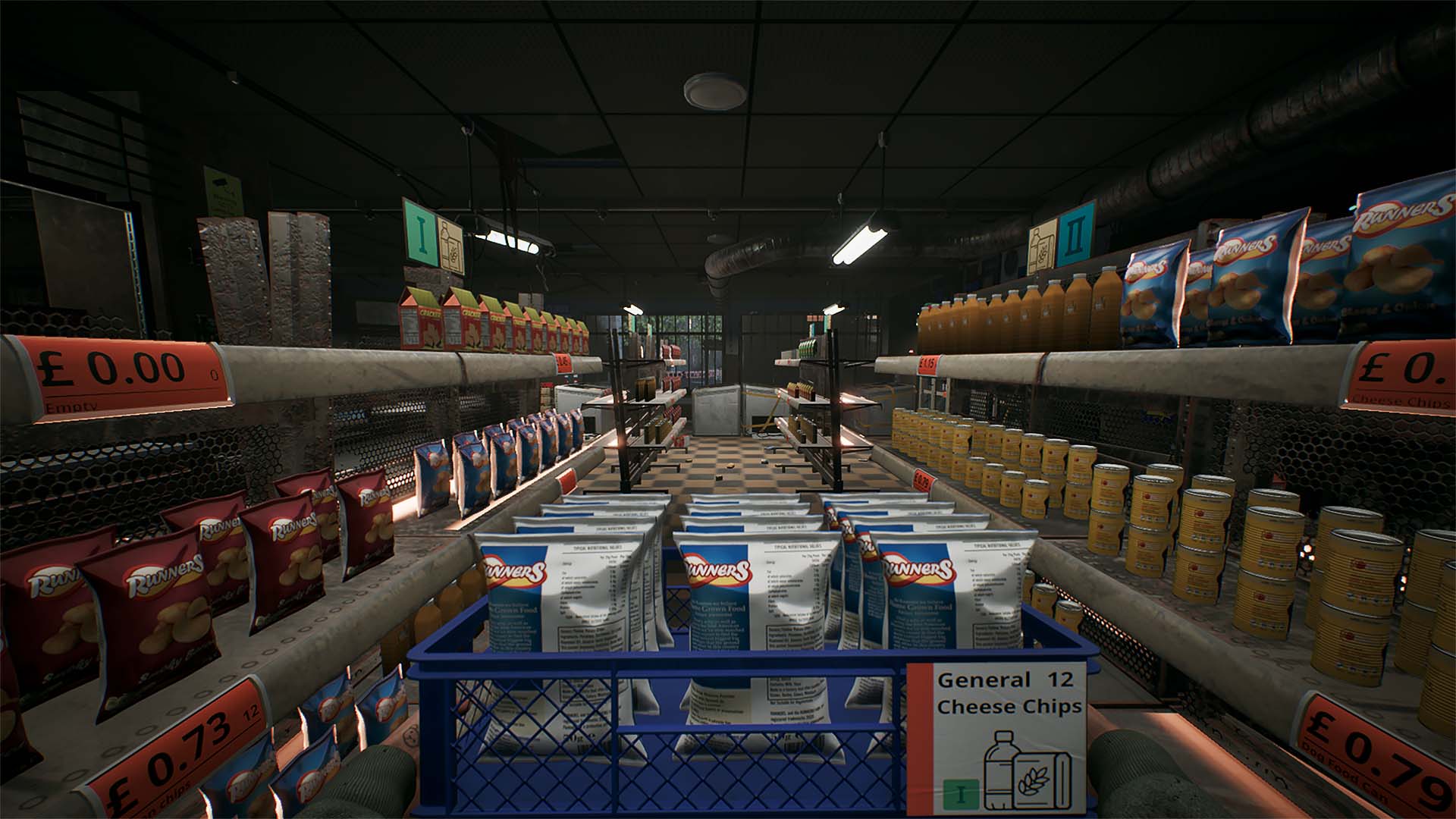
Adam Callahan works the night shift in a small convenience store. He receives deliveries, puts products on shelves, cleans the floor, scans groceries, checks the cameras and deals with customers. Most of these things are not frightening by themselves. They are things thousands of people do every night.
And that was exactly the point.
Adam is trying to do a normal job while the rest of his life is anything but normal. His relationship with his wife has fallen apart. He has lost contact with his daughter. His financial situation is bad, his mental health is deteriorating, and at the same time he still has to get up, go to work and somehow make it through another shift.
This contrast became one of the most important parts of the game.
Horror Between Completely Normal Things
We did not want Adam’s problems to exist only in cutscenes and then disappear when gameplay starts.
You can have a difficult conversation and, a few moments later, a customer is waiting at the counter. You still have shelves to refill. Something needs cleaning. A delivery arrives. The store does not stop because Adam is having a bad night.
That happens in Real Life Too.
People dealing with serious mental health problems, family conflict, separation or financial pressure very often still go to work. They still talk to customers and coworkers. They still pay bills. From the outside, their day can look completely ordinary.
That idea became more interesting to me than simply creating another horror game where everything around the player is obviously dangerous.
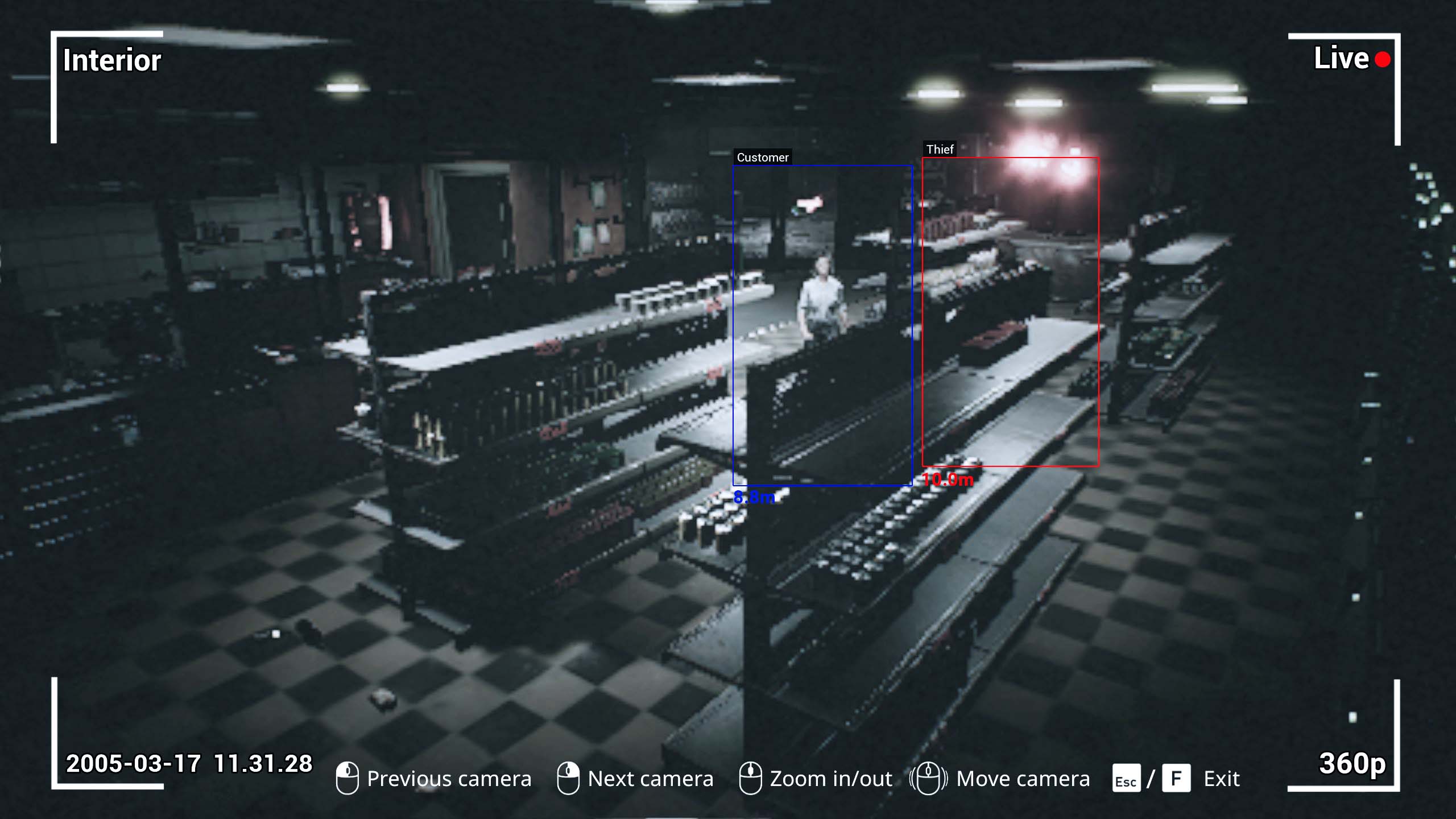
In Corner Shop: NightShift, sometimes something really is wrong. There are blackouts, alarms, disturbing customers and events that should not be happening. But other times, Adam himself is no longer certain what happened.
Did something move on the security camera?
Was somebody actually standing there?
Did Adam remember that conversation correctly?
Or is stress changing the way he understands what is happening around him?
That uncertainty is where much of the horror comes from.
Getting the Conversations Right
Once we decided that Adam’s mental health and family situation would be important parts of the story, we also knew that we had to be careful with them.
It is very easy to write a dramatic conversation about mental illness. It is much harder to write one that sounds like two actual people talking.
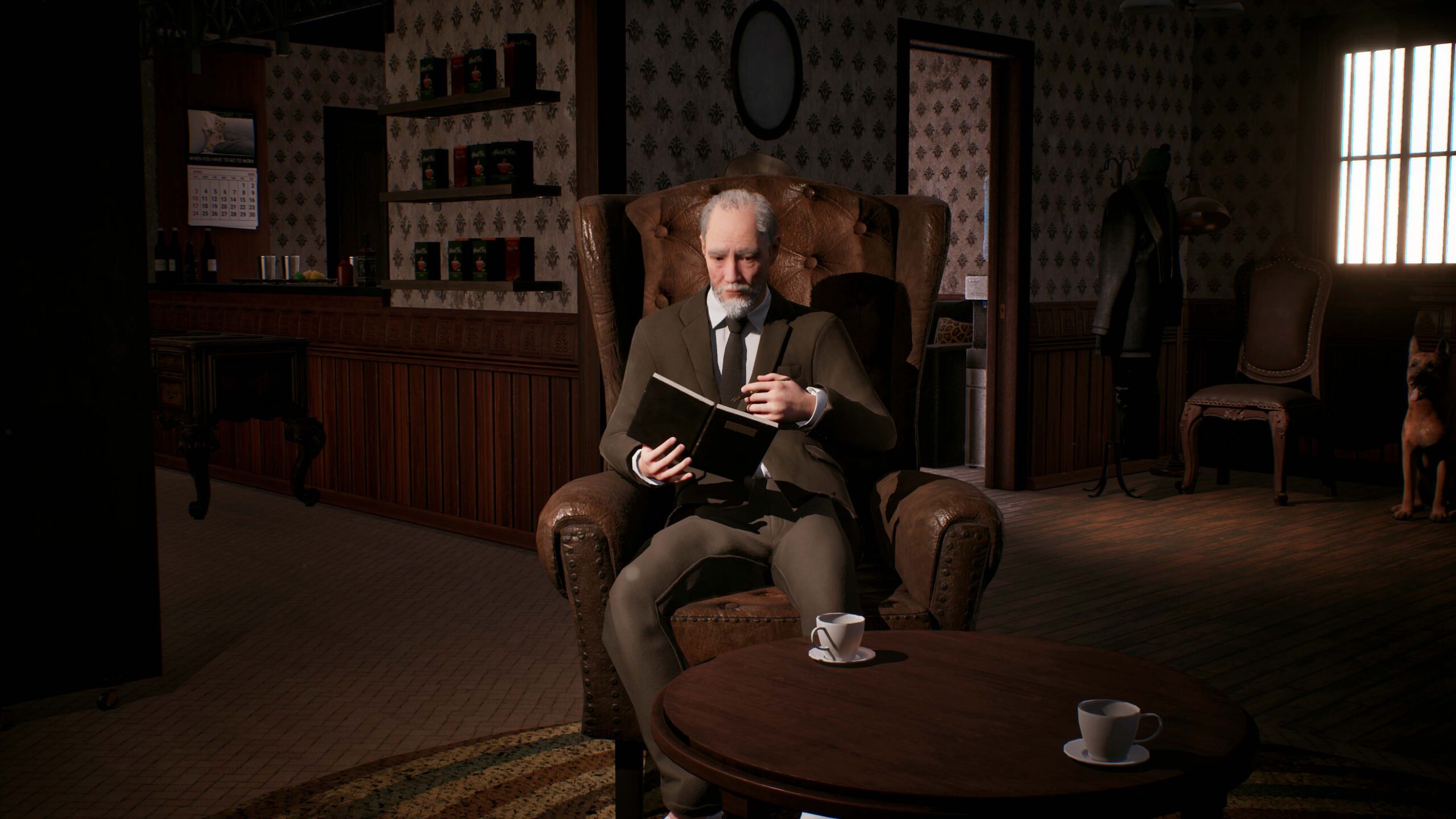
During development, we discussed the subject with psychologists experienced in serious mental health conditions as well as specialists familiar with difficult family situations. This was especially important for scenes involving Adam’s psychologist and conversations with his wife. Dialogues and cutscenes touching these subjects were developed and reviewed with specialist input. We did not do this because we wanted the game to feel like a medical textbook. It is still a fictional psychological horror game, and at times we deliberately exaggerate situations to create tension.
What we wanted to avoid were the easiest shortcuts.
A psychologist should not simply appear to explain the plot to the player. A wife dealing with a collapsing family should not exist only to make the protagonist feel guilty. And Adam should not become nothing more than a collection of symptoms. He is a person before he is a horror protagonist.
He can be tired. Angry. Funny. Defensive. He can make good decisions and terrible ones. He can misunderstand somebody, or somebody can misunderstand him.
Mental illness itself was never supposed to be the monster.
The frightening part is losing confidence in your own situation while still being expected to function normally.
You’re Still Doing the Night Shift
We also wanted the simulation side of the game to remain important. You still need to run the store. Customers need serving. Deliveries need handling. Security can be improved with cameras, alarms and stronger locks. Money matters, and Adam’s decisions matter.
As the story develops, these ordinary systems start mixing with what is happening to Adam. A security camera is useful because you need to protect the store, but it can also make you question what you saw.
Working longer gives you money you need, but exhaustion has consequences. Something as simple as finishing another shift can start feeling like an achievement. The story does not stop the simulation. The simulation becomes part of the story.
Adam’s Story is Not Only About Falling Apart
There are dark parts of Corner Shop: NightShift, but Adam’s story is not simply about watching someone collapse. You make choices throughout the game, and those choices influence what you discover and which of the game’s four endings you reach. For me, that was important.
You cannot magically solve every problem Adam has, because people do not work that way. But you can decide how to react to them. This was part of the real human experience we were looking for. Sometimes psychological horror works best when the strange part is surrounded by something completely familiar.
A fluorescent light above a checkout. The sound of a refrigerator at 3:00 AM. An empty CCTV screen. A phone call you do not want to answer.
And then another customer walks through the door, and you still have a job to do.
Corner Shop: NightShift is available now on XBOX Series X|S and PC, with XBOX Play Anywhere support.

Corner Shop: NightShift
PlayWay S.A.
$19.99
$17.99
Corner Shop: Nightshift is a first-person narrative horror sim set in a failing convenience store.
Play as Adam Callahan and try to put your life back together.
Story Mode: ~15 hours at an average pace, with 4 endings based on player choices.
Endless Mode: Infinite gameplay focused on growing and managing the store, with ongoing horror elements.
A night shift and a broken life. Blackouts, alarms, and unsettling customers pull you into a puzzle you can’t escape. Find the truth, manage your stress, and don’t let paranoia win. Take your meds. Keep going.
Stock shelves, clean up, take deliveries, scan items, and serve customers with snacks, sandwiches, and kebabs. Upgrade the store with cameras, alarms, and stronger locks. Manage your time, your money, and your sanity. Meds don’t pay for themselves.
You play as Adam Callahan. His wife is gone, his daughter was taken, and his life is falling apart. He works the night shift to prove he can start over, but the store keeps dragging his past back to the surface, out of order and out of his control. Your choices shape what you uncover and which ending you reach.
The post Corner Shop: NightShift How we Built Horror Around an Ordinary Life appeared first on XBOX Wire.