
What is it A martial arts action epic
Release date October 28, 2026
Expect to pay £49.99/$59.99
Publisher S-Game
Developer S-Game
Reviewed on Intel Core i5 12400F, Radeon RX 6800 XT, 32GB RAM,
Multiplayer No
Steam Deck Unsupported
Link Steam
Ever since I started Phantom Blade Zero, I’ve had a scene from Crouching Tiger, Hidden Dragon playing on repeat in my head. It’s the sequence when Jen and Shu Lien face-off against each other in the martial arts hall. Jen is wielding the Green Destiny, a sword which can seemingly slice through all other weapons, but as it does, Shu Lien adapts.
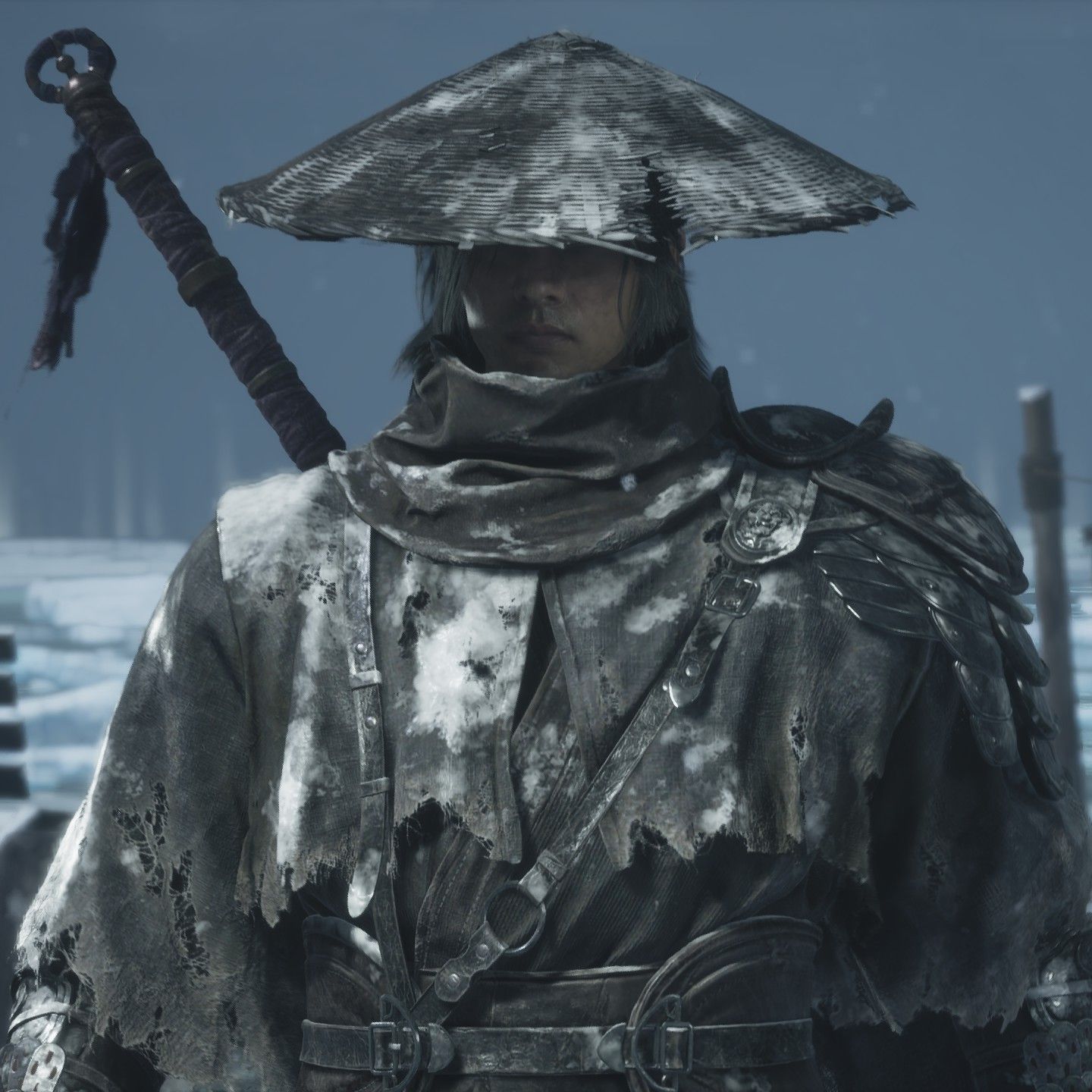
She uses blades, spears, hook swords, a metal club, but every weapon she picks up, she immediately wields with martial prowess—it might be a bit of a wuxia trope, but it can’t help but encapsulate the experience of playing Phantom Blade Zero. The protagonist, Soul’s old comrade, Lei Dang, echoes this sentiment when you meet him: “You truly are a martial prodigy – you can master anything you learn.”
In a crowded market of action games often borrowing more from Souls and Sekiro than they rightly should, Phantom Blade Zero sheds these strictures in favour of a martial arts adventure that’s more about feeling good than getting good. It’s not just the endless array of weapons and Phantom Edges (essentially Sekiro’s Shinobi Tools) that Soul wields with effortless martial grace, it’s about how the game makes you feel like a master.
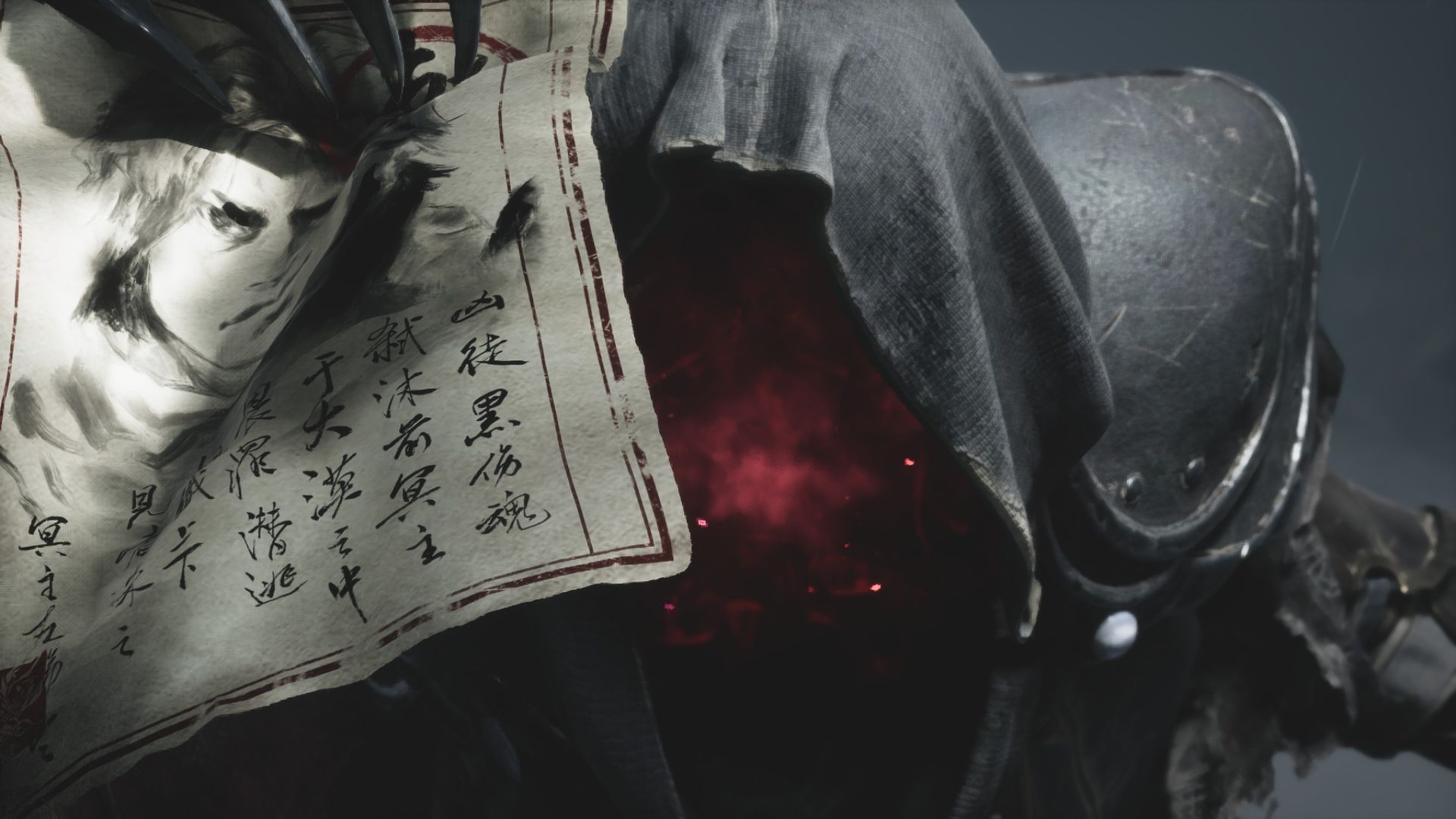
Phantom Blade Zero managed to convince me—a Dark Souls veteran with 860 hours in Elden Ring—that perhaps you don’t have to struggle against bosses to make them meaningful. Maybe a fight or two is enough when a game is packed full of incredible boss battles, each encounter feels great, and the experience is epic enough to satisfy you that you’ve seen everything it had to show.
Feel gud
Phantom Blade Zero is really a game for those who revel in action combat and its spectacle, but that’s not to say it’s super easy—it just has a way of making you feel like you’re better than you probably are. During one fight with a drunken swordmaster and his flying blade, I parried and Soul dropped onto his back, grabbed the blade between his feet, then forward flipped, hurling the sword back at the boss. I literally pressed one button to do this.
Not to say it’s super easy—it just has a way of making you feel like you’re better than you probably are.
There are so many jaw-dropping moments—elaborate parries and executions, or dynamic attacks where Soul automatically engages an entire group of enemies—that basically had me yelling at the screen because I couldn’t believe what I’d just pulled off. Like any good kung-fu movie, it’s effortlessly stylish, but rather than the all-too-familiar drudgery that can stem from Soulslikes crushing you into the dirt and making you feel your skill level, Phantom Blade Zero more often tries to uplift you, reveling in the roleplay fantasy of a martial master.
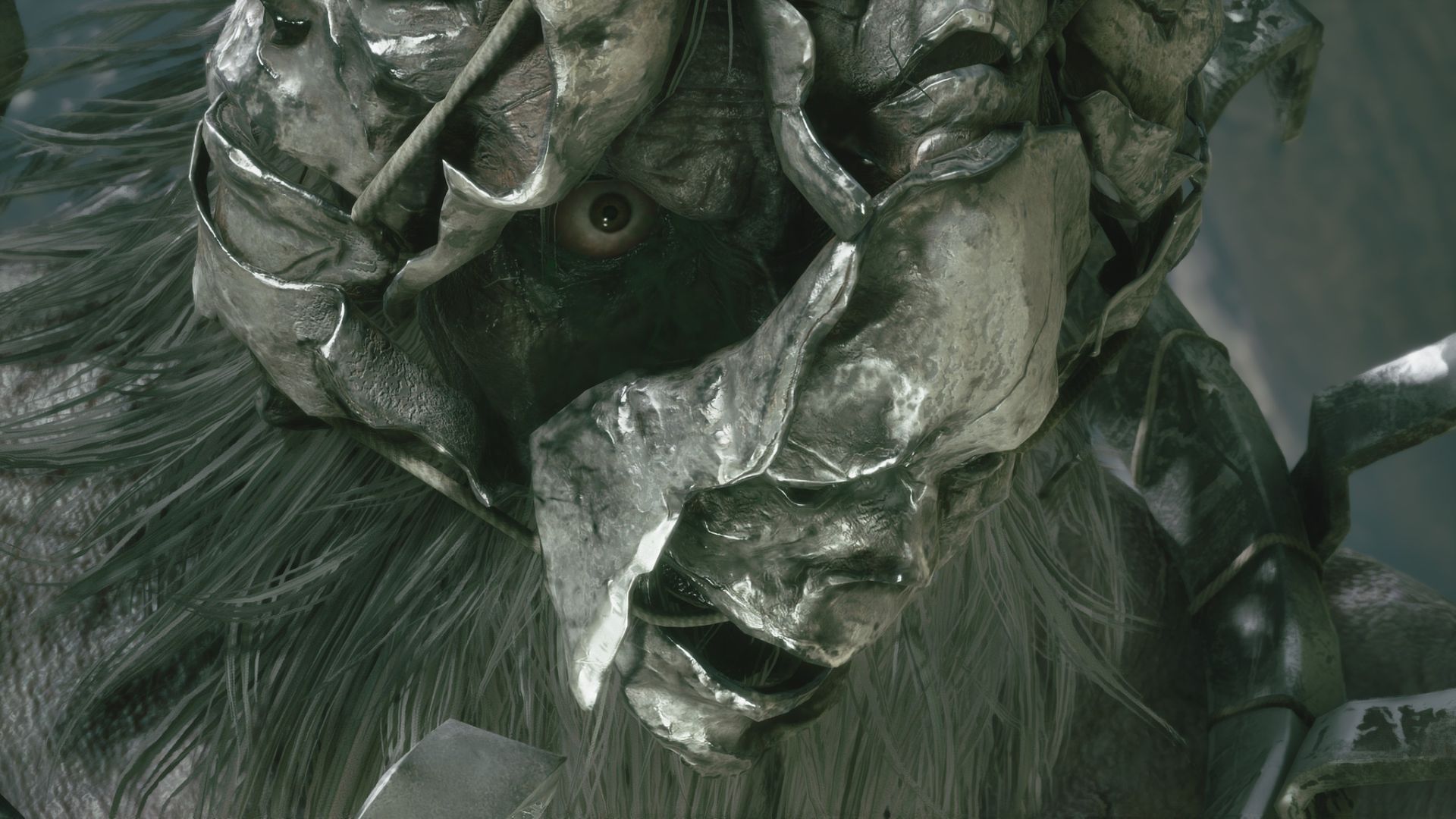
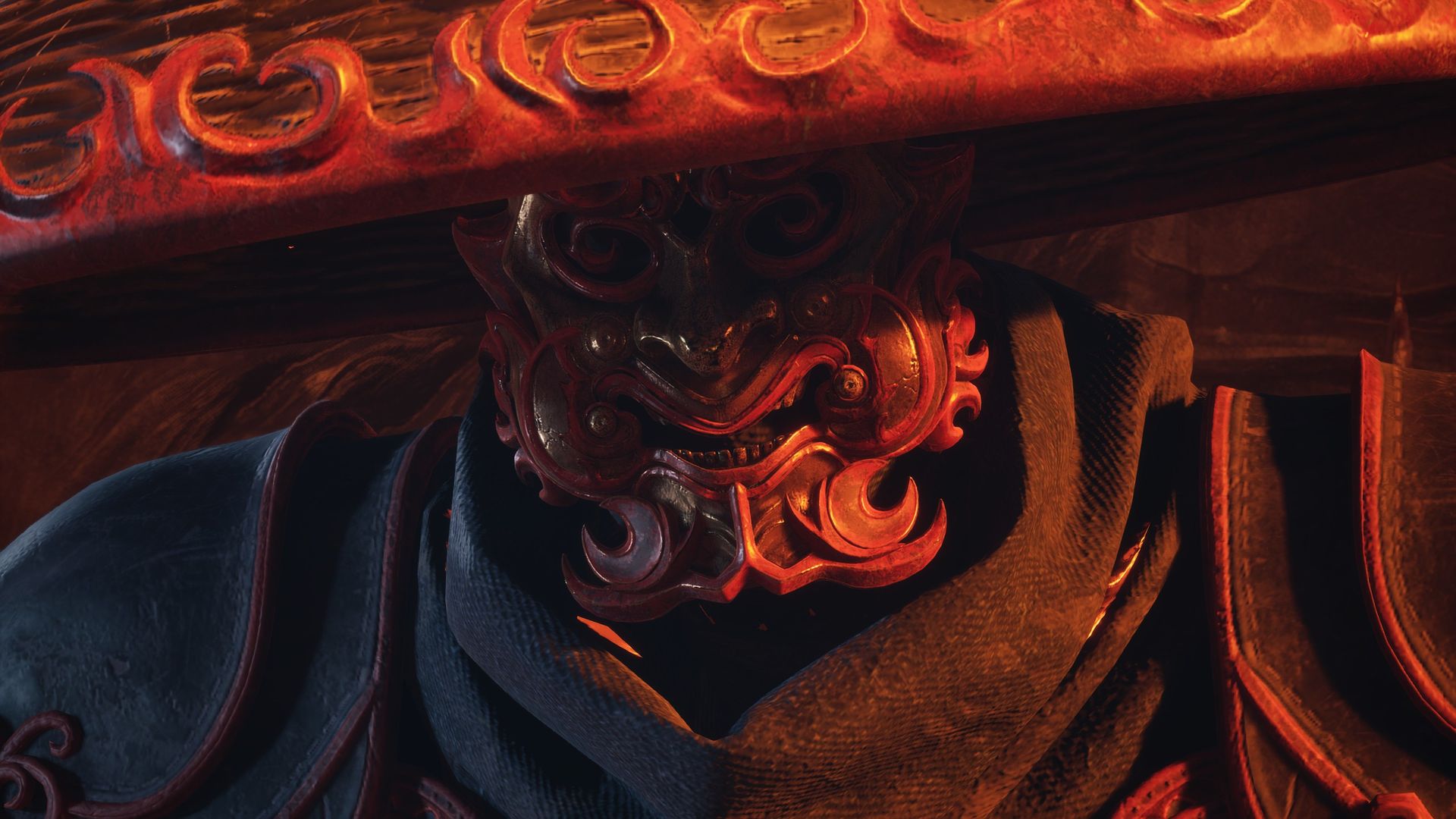
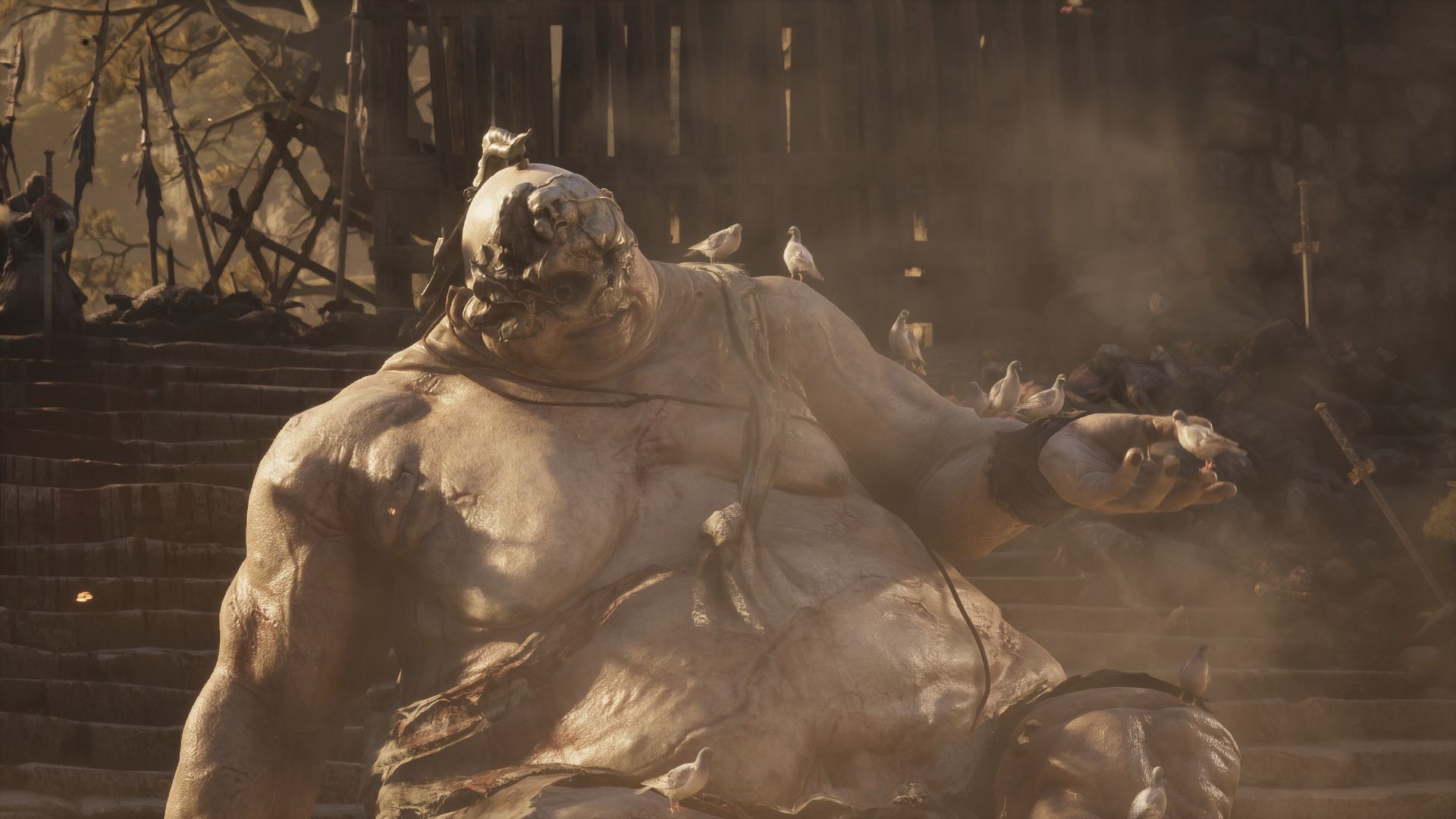
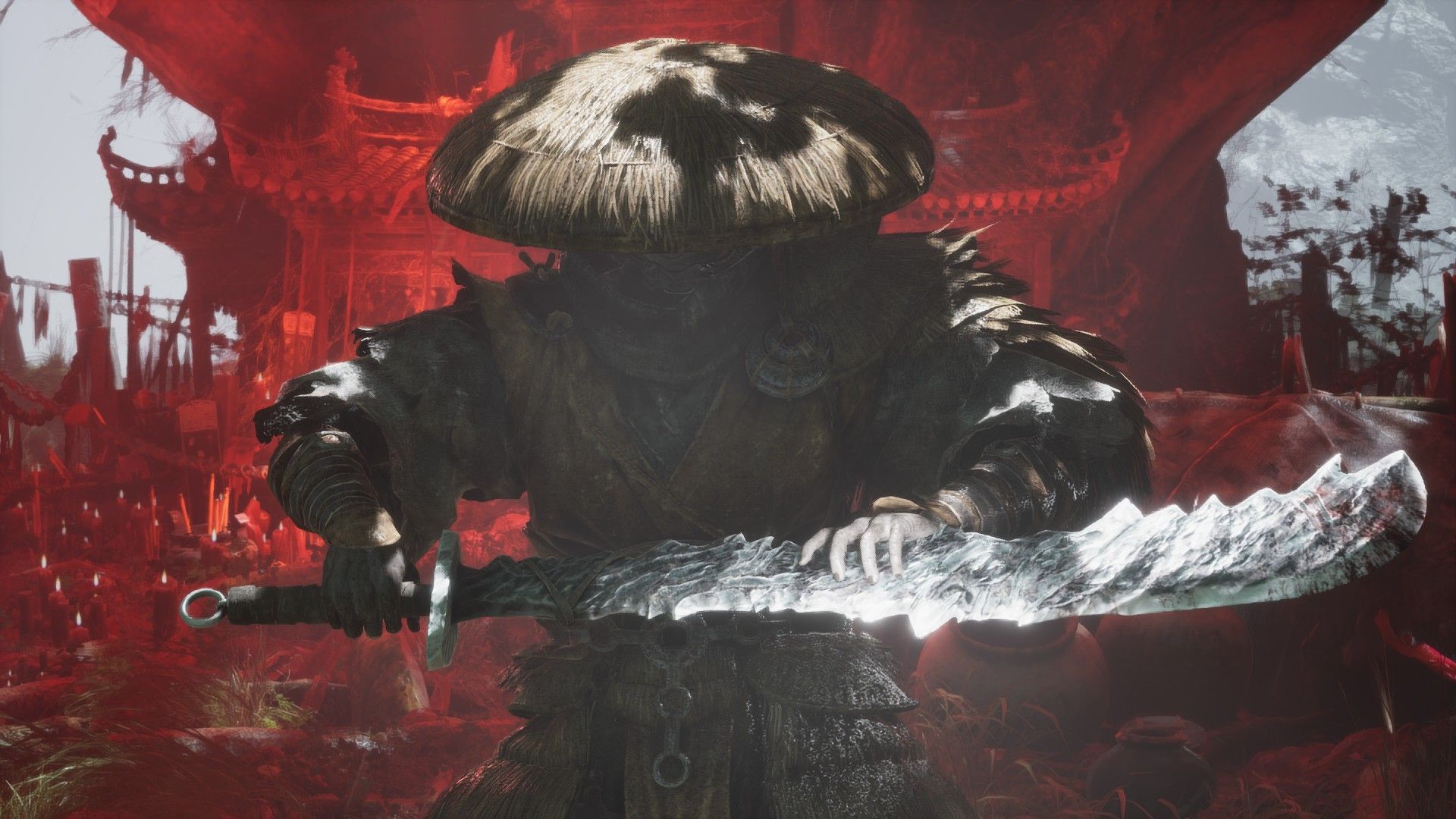
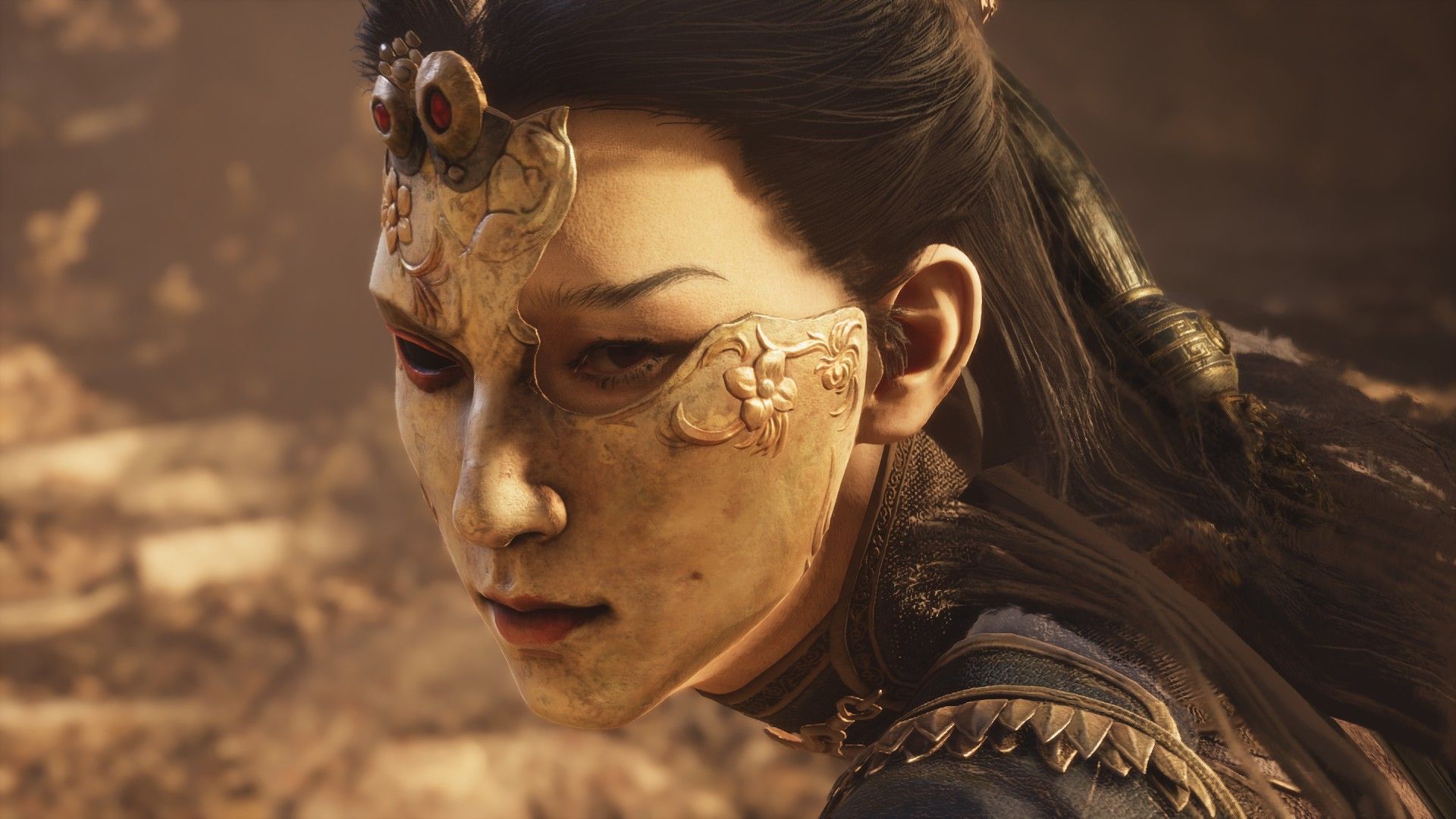
It also makes the wuxia genre feel far more approachable. I’d be the first to admit, even as a westerner relatively familiar with Chinese mythology, I struggled to understand what was happening in Black Myth Wukong. By comparison, Phantom Blade is a classic revenge plot. Soul, a martially-gifted orphan of mysterious providence, now outlaw, travels to the town of Pangzhen to confront his sworn brother and betrayer, Zuo Shang, after they stabbed each other through the heart. His replacement, The Tainted Heart, only lasts 66 days, so he has to beat Zuo Shang to the prize, a rumoured artificial heart, hence the top difficulty’s fun and loreful limitation of 66 lives.
Though its dialogue is a bit on the nose at times, Phantom Blade does a great job of gradually exposing its ill-fated characters, dark setting, and sorrowful story of martial sects grasping to harness unearthly powers. It also carries forward Black Myth Wukong’s tendency to surprise you with cutscenes of different styles, including Chinese shadow puppetry.
Coupled with its dark story, it makes for a far dirtier version of wuxia.
It’s most adept at teasing its bosses, though, by telling their stories through found notes and Memory Flower collectibles in each region, or via Dark Souls 3 opening-style cinematics. Coupled with its dark story, it makes for a far dirtier version of wuxia, channeling aspects of kung-fu and wild west cinema as we see roundtables of fated standoffs with tragic foes we’re yet to face.
Soul-like
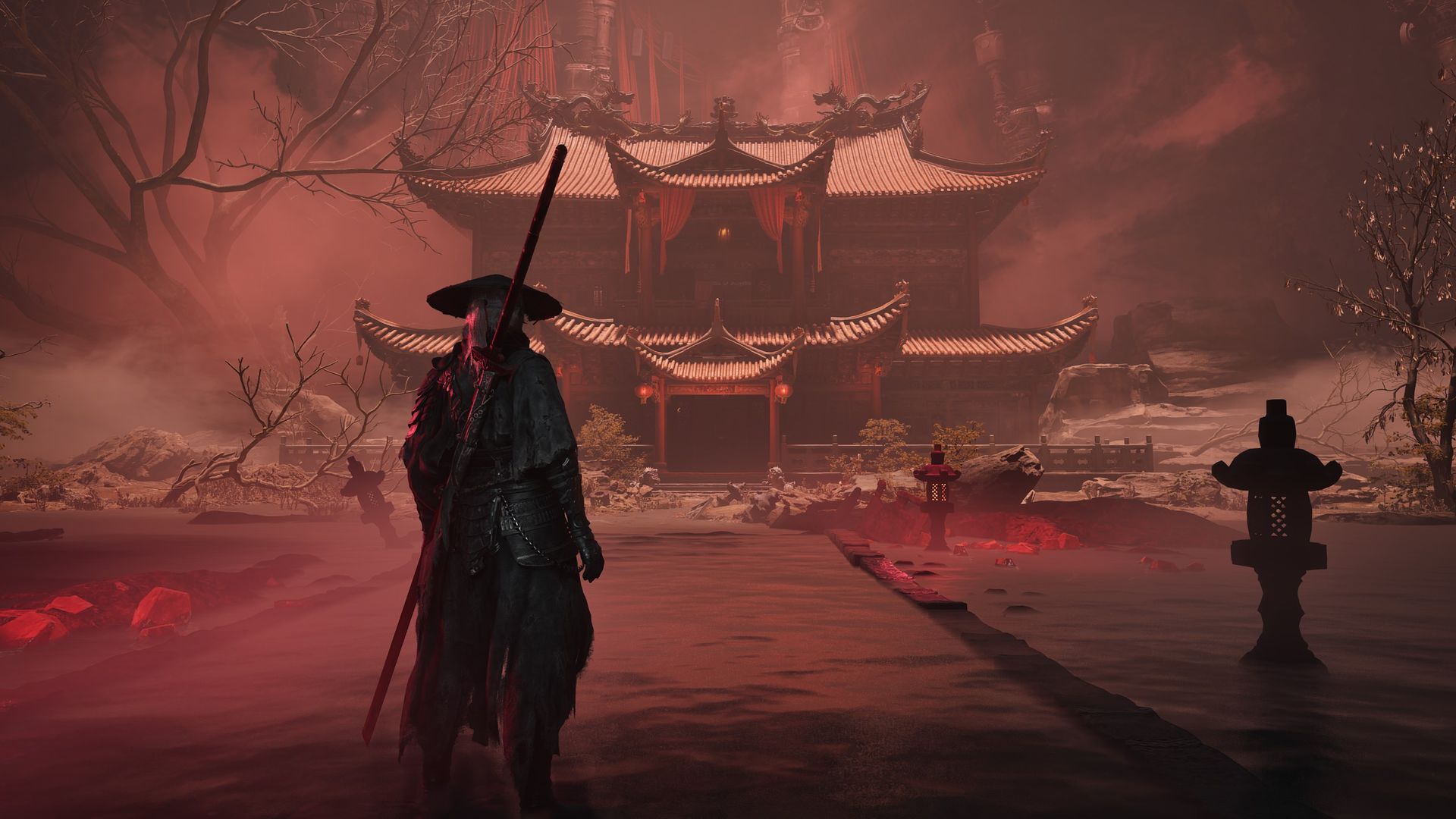
Phantom Blade Zero is demonstrably not a Soulslike—hell, it’s even less of one than Black Myth Wukong was. Though it has the recognisable structure of bells (bonfires) and remnant echoes (souls), it does away with almost everything else, much to its benefit.
- Enemies don’t respawn when you rest at a bell.
- You don’t lose remnant echoes when you die.
- If you battle a boss into its second phase and die, it stays in its second phase when you reattempt.
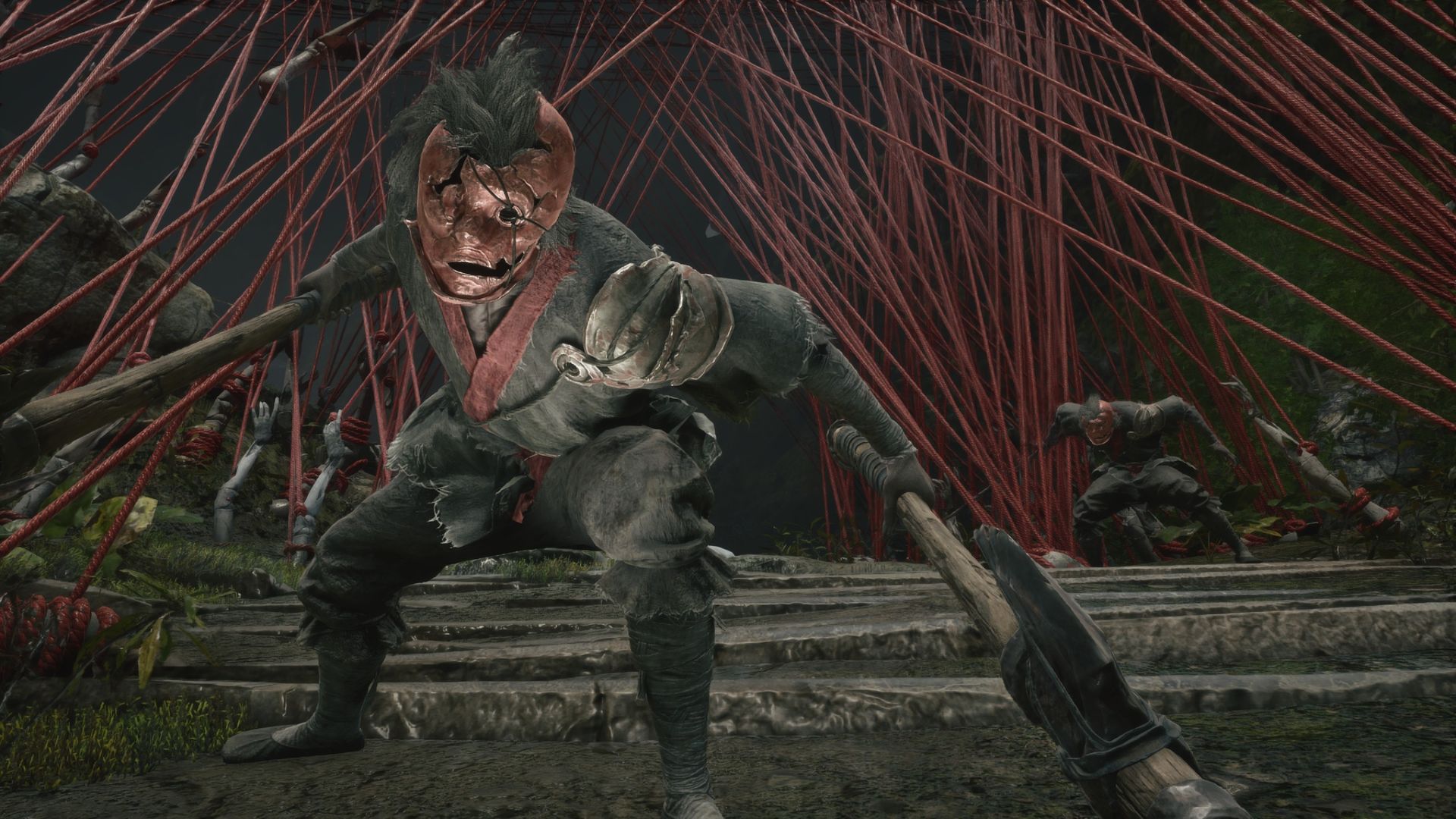
This makes for an action game with a lot more momentum. Rather than banging your head against the same boss ten times, you might fight three or more bosses in the same period—Phantom Blade clearly understands that the spectacle of boss battles is one of the core pillars of a great action game, so there are a lot of them with varied gimmicks.
The game also takes notes from Sekiro, but mechanically responds to two of its, arguably, most debated issues. Namely:
- That Sekiro’s wound-based bosses can encourage a less-aggressive deflection-centric approach.
- That Shinobi Tool use is hamstrung by the Spirit Emblem resource required to use them.
Attacking, deflecting, and parrying to break a boss’s stamina in Phantom Blade doesn’t give you a critical attack, but instead grants a period in which they can’t block your assault. This encourages experimentation, and ultimately, allows you to style on a boss however you wish for the duration. Being aggressive, versus baiting out parries, is encouraged, since regular attacks don’t consume stamina and without crits, you have to progressively deal damage to win the fight.
Familiarising yourself with Phantom Blade’s massive array of Phantom Edges (the Shinobi Tool equivalent) is also incentivised, since they use a spark resource you get a set number of anytime you rest, but can also recoup through accessories and skills. I personally used the gigantic Dread Axe to smash opponents, and the Fire Meteor, a brazier of green flame on a chain that you kick around to ignite enemies. There are also shields, bows, throwing knives, cannons, guns, spike balls and chains, bashpoles, and even summon options, to name a few.
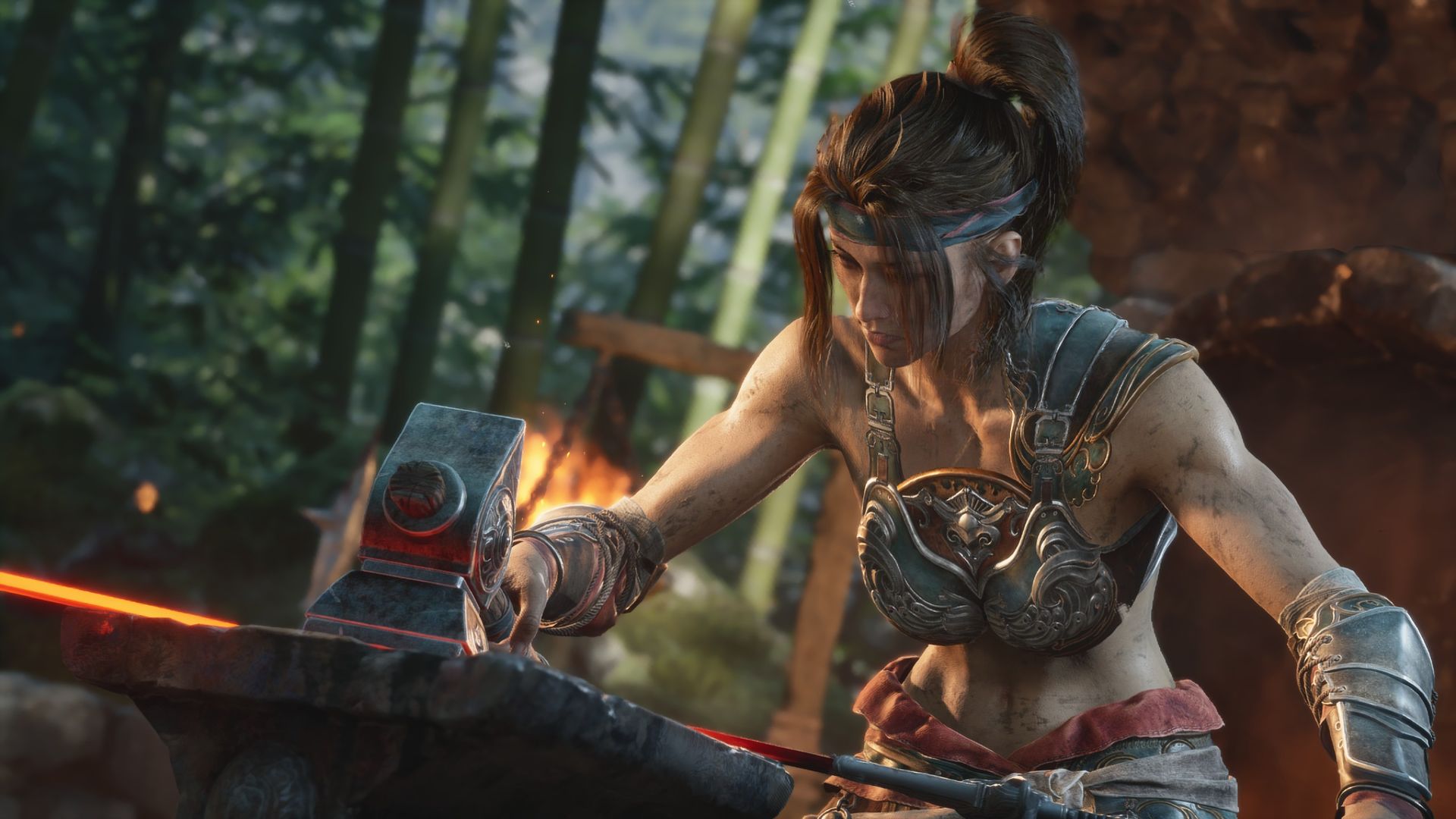
What’s more, since weapons and Phantom Edges gain new abilities every five levels, (up to 30), and Phantom Blade is extremely generous with upgrade materials, letting you easily refund everything you put into them, you’re always experimenting. I feel like it says something that I upgraded four weapons and two Phantom Edges fully in my playthrough, yet still had 3 million remnant echoes and the means to level far more.
Good thing, too, considering I have another 20 weapons and 22 Phantom Edges to use in my New Game+ run.
Quest easy
I only have one chief complaint with Phantom Blade Zero. Though the game is quite large—it took me 50ish hours to do everything and unlock the “true” ending—it’s unfortunately rather hand-holdy when it comes to its secrets, meticulously guiding you through the game with an almost exhausting quantity of quests and map markers.
It’s unfortunately rather hand-holdy when it comes to its secrets.
Since Phantom Edges can be used to unlock areas in previous regions, it has some Metroidvania qualities, but none of these secrets feel especially significant, or equivalent to, say, what other examples of the genre have accomplished, like finding a secret region or boss in Silksong.
Despite appearances, the game is rather linear due to its quests, map markers, and where it places important progression items. Even its more secret, optional regions, are basically impossible to miss, which is such a shame when the game has multiple endings based upon where you go and what you do. It’s a level of handholding that made me fervently wish Phantom Blade had taken more influence from Souls in this department at least, especially as playing regular difficulty sets up New Game+ and its escalating challenge in a really attractive way.
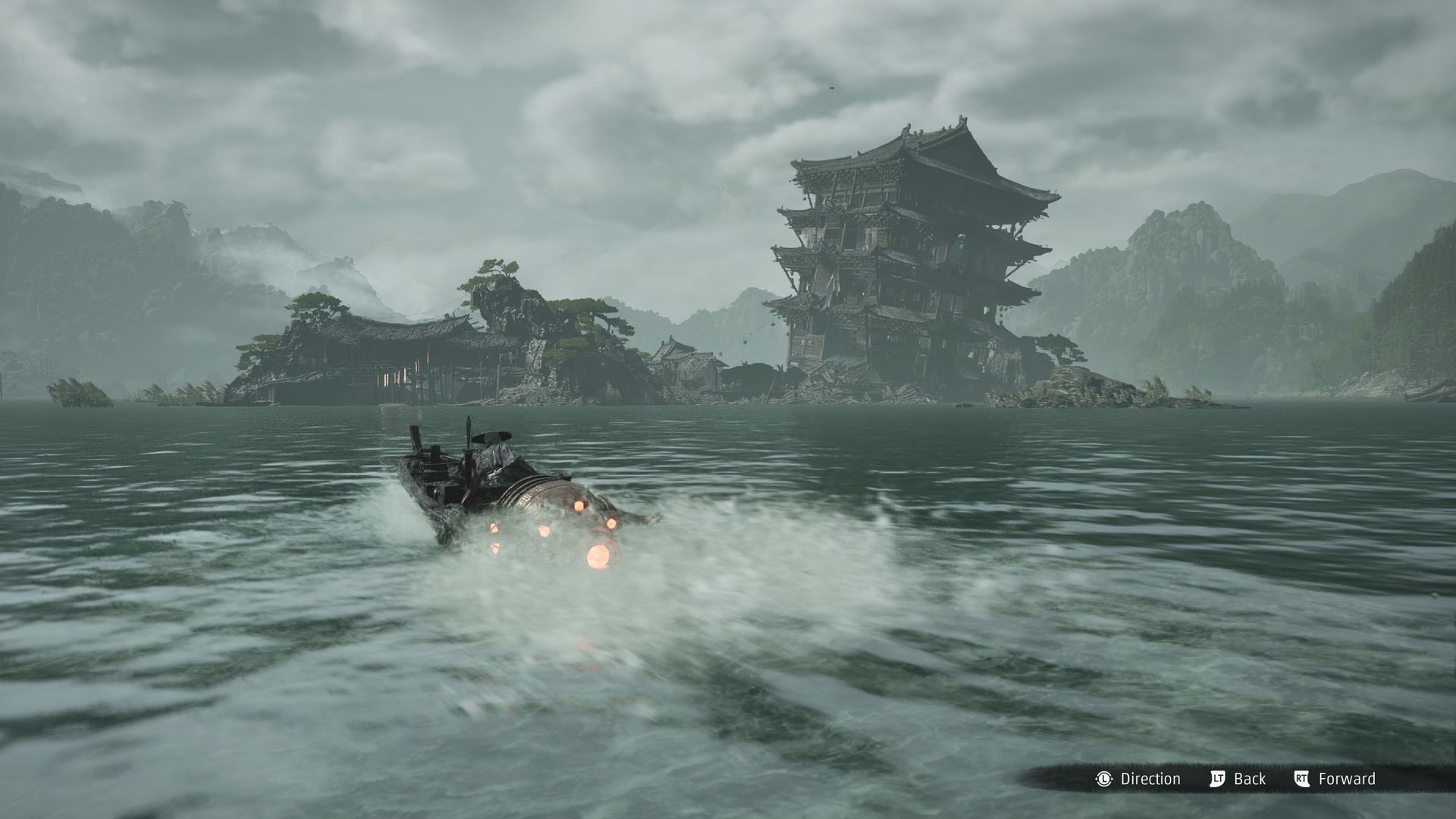
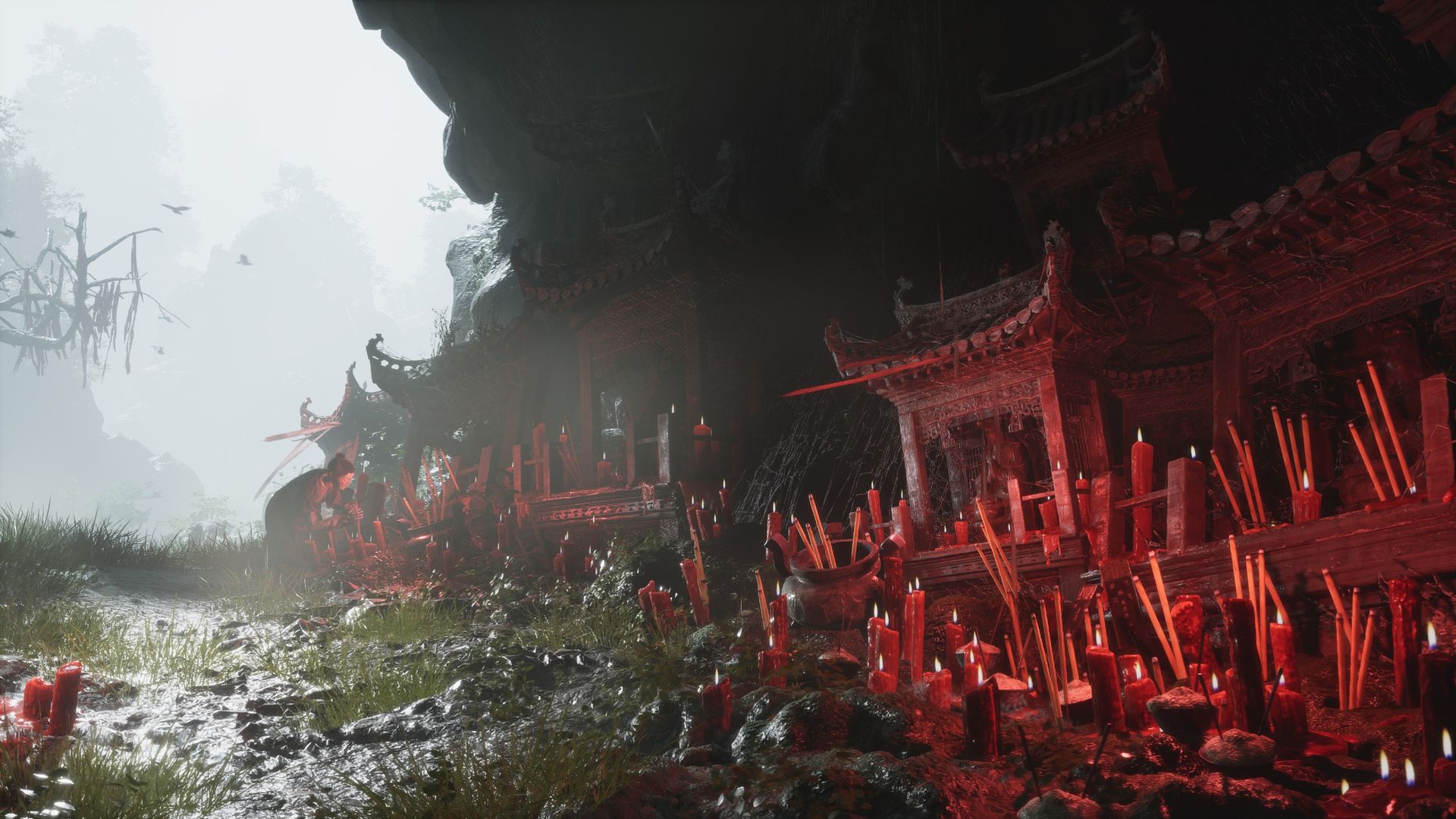
I’m rarely a New Game+ person, but upon finishing Phantom Blade, I immediately started again. The game lets you keep your weapons, Phantom Edges, and accessories, so you have more methods to deal with the now-tougher bosses you encounter earlier in the game.
Still, that alone is not enough to ultimately dampen my sincere enjoyment of Phantom Blade. It’s a veritable feast for any lover of action combat and fun boss battles. Its soundtrack, too, is noteworthy, blurring the line between traditional Chinese folk music and modern genres in a way that really compliments the spectacle of every fight. I especially enjoyed the Banyan Tree theme, Asura of Wrath—who doesn’t love a bit of throat singing?
The game also runs very well. My relatively humble RX 6800 XT produced decent results. Though I did get some more notable frame dips in certain fights with lots of particle effects going on, such as during heavier rain. But on the whole I am incredibly impressed with Phantom Blade Zero. I enjoyed it significantly more than Black Myth Wukong. Alongside Onimusha, it’s definitely one of this year’s must-plays for fans of action combat.
Phantom Blade Zero tips: Conquer the Wulin
Phantom Blade Zero Flesh Lily: Find Yu’er’s flower
Phantom Blade Zero Zhang’s treasures: Every relic
Phantom Blade Zero Mandate Camp Key: Get inside
Phantom Blade Zero Illusory Pipa: Repair the lute