
1999 was an exceptional year for PC gaming. One of the all-time greatest, really. Age of Empires 2, Alpha Centauri, Freespace 2, Homeworld, System Shock 2, Planescape: Torment, Unreal Tournament, Dungeon Keeper 2, Command & Conquer: Tiberian Sun—we were eating well.
This was also the year of Heroes of Might and Magic 3, which has long been considered the pinnacle of the strategy series—hence the questionable HD remaster in 2015—as well as a genre all-timer. Nearly 30 years later, it’s still the gold standard. But Heroes of Might and Magic: Olden Era is coming for it.
New age
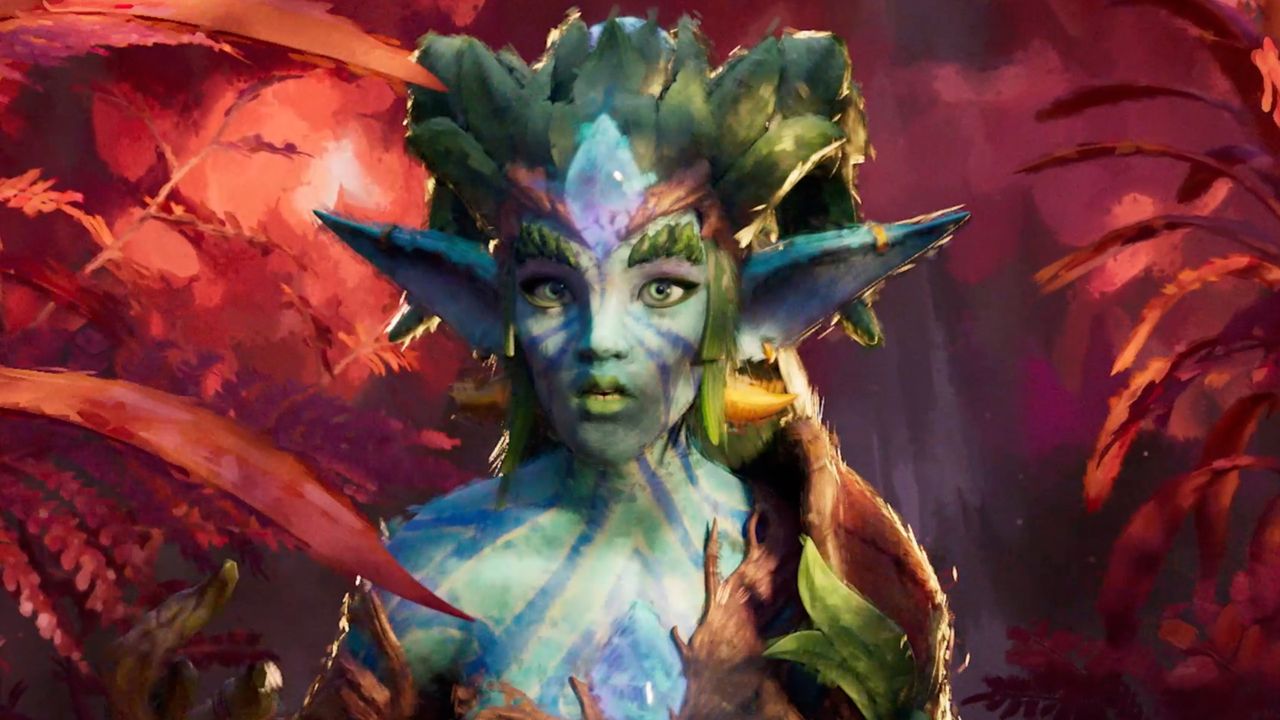
Olden Era out in early access today, featuring the first act of the campaign, but plenty more besides, and it feels like it was plucked out of the timestream by a benevolent cosmic deity, giving strategy freaks of a certain vintage everything they could ask for.
This is not a remake—it features new factions amid the familiar ones, a brand-new campaign, systems both updated and completely new, and an art style that serves as a nod to HoMM3 without being beholden to it. This is a new game, but it’s undeniably been made for those of us who played and loved HoMM3—as well as those who would have, had they been born.
Playing it over these last few days has been as comfortable as sinking into the sofa with a lovely, cosy blanket draped over me. Comfort and contentment. I might dabble in some Stardew Valley or Pokopia, but this is really my kind of cosy game. Yes, the vibes-based not-quite-genre of cosy gaming usually doesn’t include things built on conflict and war, but Olden Era evokes many of the same feelings that cosy games tend to engender in their adherents.
The colourful, inviting maps; the overwhelming sense of nostalgia; the sincerity of the writing and light world building; even the clarity of its structure—they all contribute to this reassuring feeling of cosiness. Even with an apocalyptic threat bearing down on the world, this is whimsical fantasy at its core, but whimsy tempered by clear rules and achievable objectives. You get to experience the joy of knowing what to do every day. The real fantasy.
Even with an apocalyptic threat bearing down on the world, this is whimsical fantasy at its core.
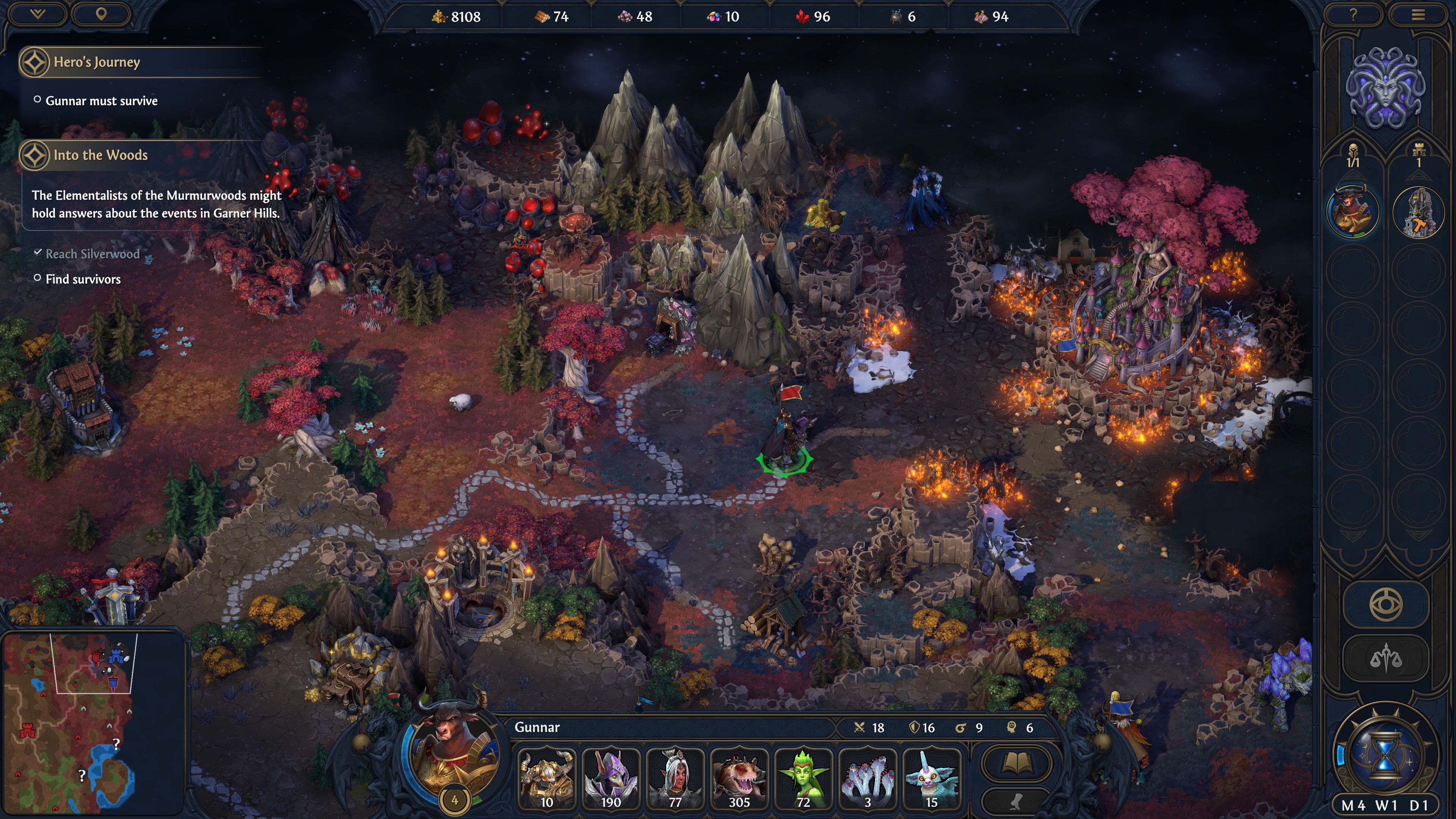
OK, a quick primer if you skipped the series and never dipped into adjacent games like Age of Wonders and King’s Bounty. Olden Era is a turn-based strategy game divided into two phases: exploration and combat. Your hero traipses around a variety of vibrant fantasy realms with their army in tow, grabbing gold and resources, taking over buildings and bumping into foes—both the static kind, usually guarding some kind of treasure or useful building, as well as other roaming heroes.
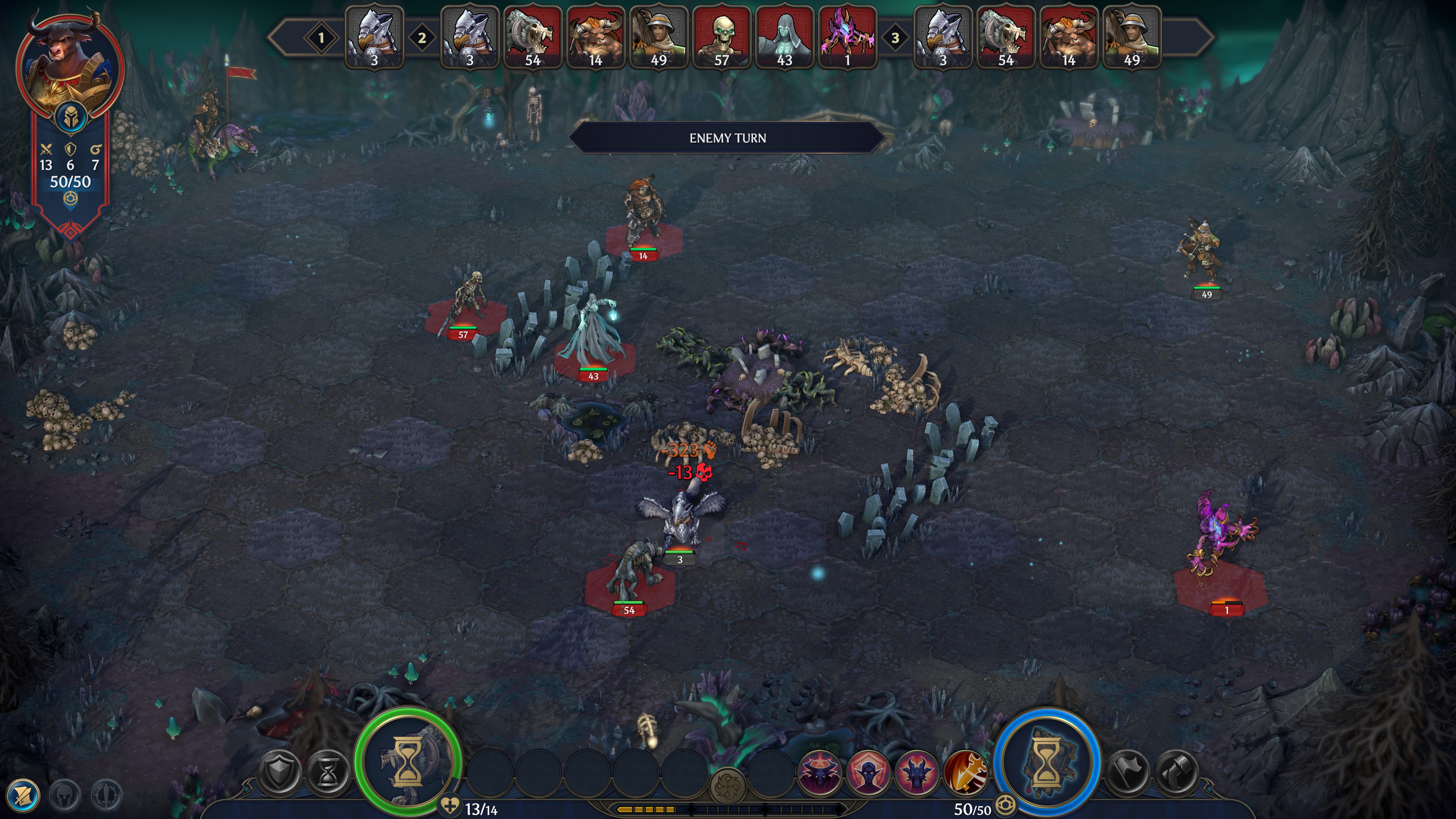
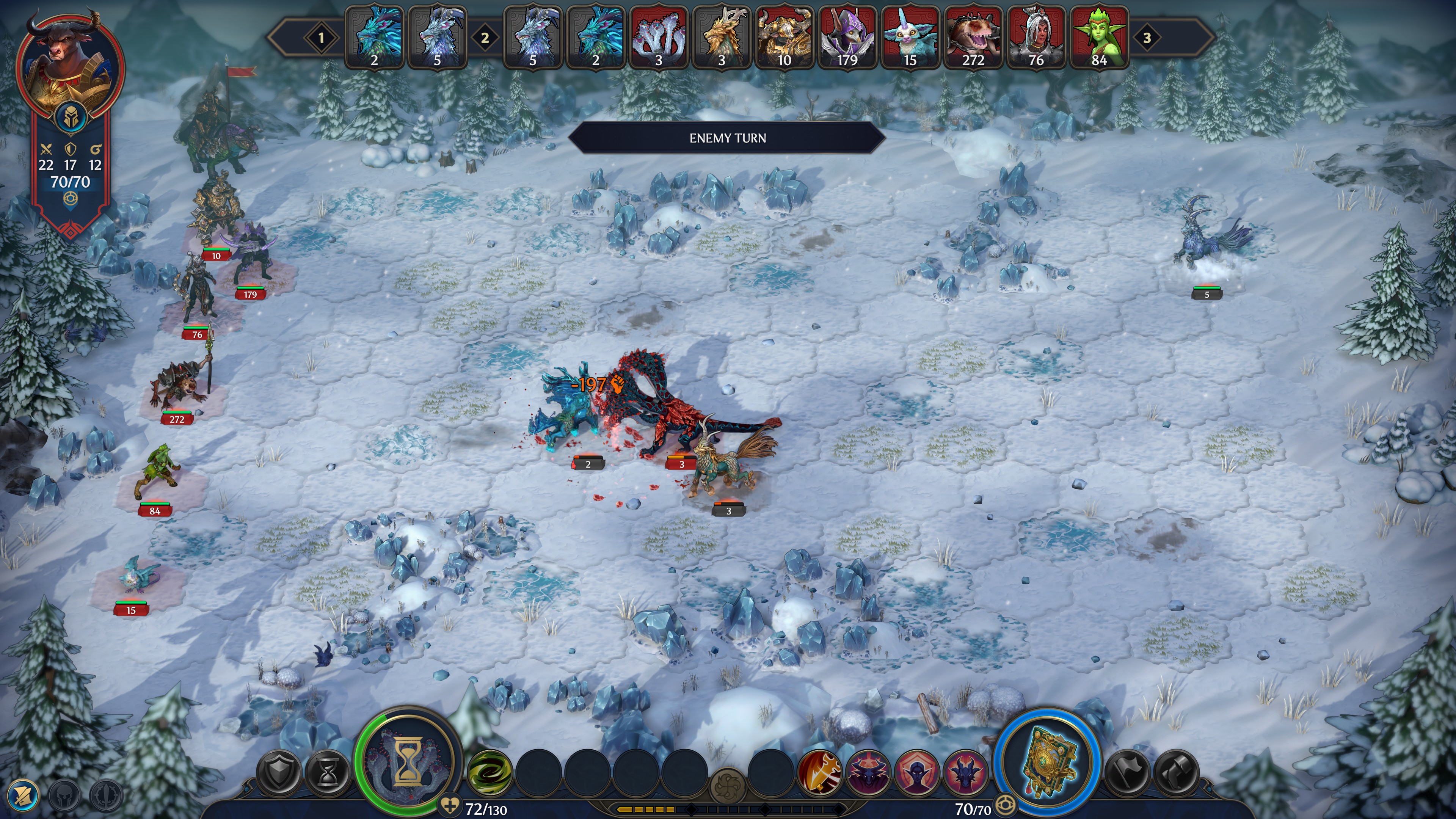
Brawls take place on a hex grid, letting you command your units when it’s their turn, which depends on their initiative and speed characteristics. Fairies, knights, dragons, banshees, horrible little frog-men—all the fantasy stalwarts are here. Your hero doesn’t actually fight in the scrum, though, instead hanging back at the edge of the hexy board, where they can occasionally fire off an attack or cast a spell from their burgeoning magical tome.
So you ride around looting and fighting. Simple! But that’s always been HoMM’s greatest trick: making you think it’s straightforward, until you dig a bit deeper, and then realise you’re still digging hours later, uncovering all this obsession-forming depth.
The not-entirely-linear campaign is a great place to start as you ease yourself into your new obsession. Olden Era is usually a race, sometimes a marathon, often a sprint, but the game initially makes you the only hero on the map. This allows you to get to grips with things before its more intense, competitive nature is revealed. Eventually you’ll be managing multiple heroes, and thus multiple armies, as you try to beat your opponents to unit-spawning buildings and bountiful treasure.
Being early access, though, means there are still wrinkles needing to be ironed out. In one mission, for instance, time simply stopped working.
Each mission is divided into days, weeks and months, you see. Every day lets you travel a specific distance (the number can be increased by skills, spells and shrine buffs), and at the end of the day you’ll get gold and resources based on the buildings in your property portfolio. Certain points of interest that give you buffs or rewards will also reset after a week, and you’ll be able to revisit recruitment buildings to get new units. So when time breaks, none of this happens. Reloading an autosave fixed this bug for me, so the mission was salvageable.
Mission accomplished
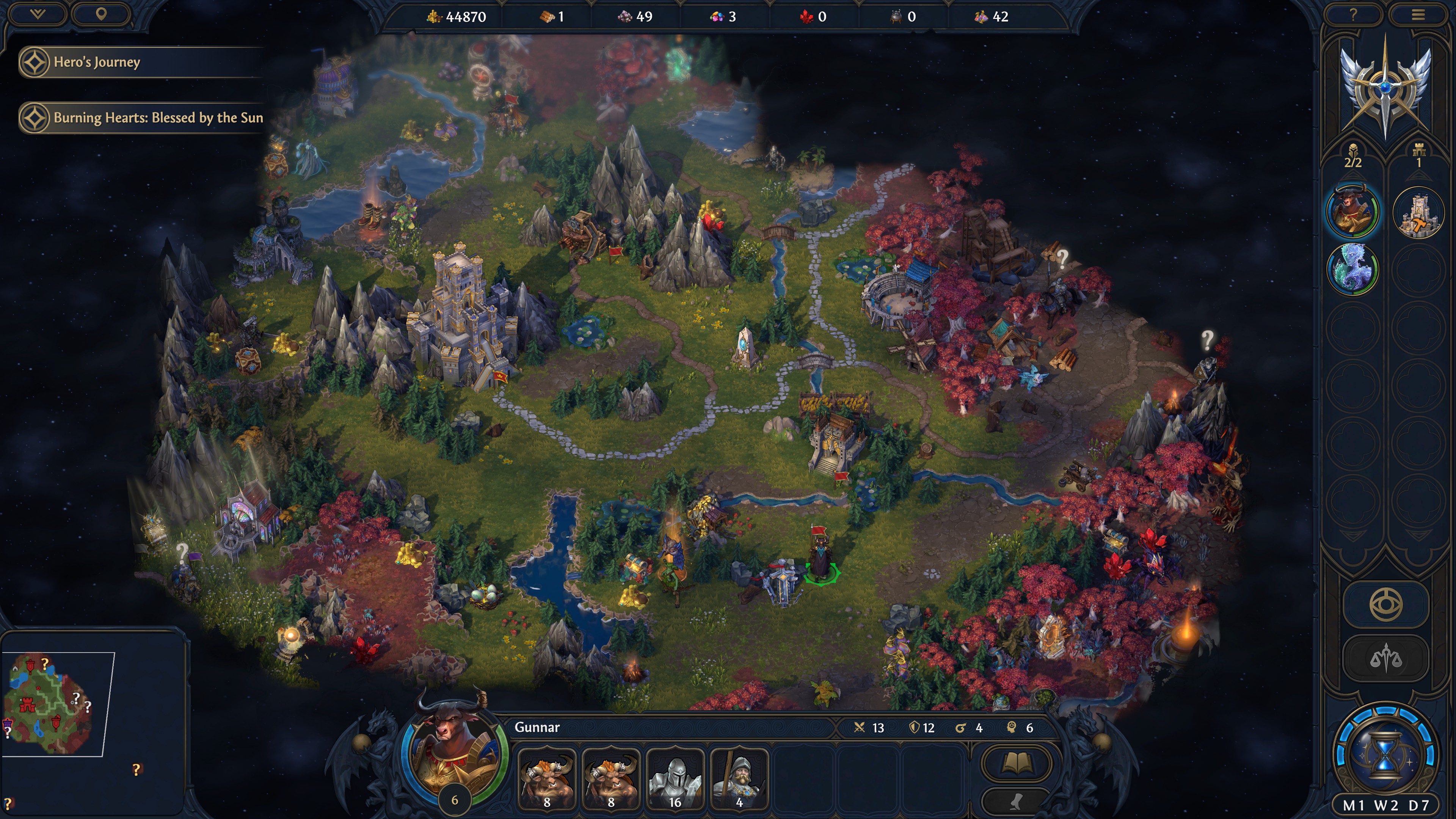
The odd bug or design quirk aside, I’m pleased to report that I encountered few speed bumps in my many races, leaving me free to focus on the important stuff: winning wars. That’s easier said than done, though. Even in some of the more forgiving early campaign missions, you can find yourself in a seemingly unwinnable situation if you make a few missteps.
Enemy hero AI is extremely competent, quick and just the right amount of aggressive—it will gleefully give chase to try and murder you, but it can also get distracted by other priorities, giving you a bit of breathing room. It does mean you need to put thought into your plans for each day, though, even when you’re not playing against a human opponent.
At first, you’ll probably just be rushing towards the fantasy of commanding a big army. And they can get very big. While you’re limited to only seven units, how many troops you’ve got in each stack is up to you. You can also split stacks into multiple units, sacrificing might for battlefield control. But big armies need big economies, and that’s what might trip you up.
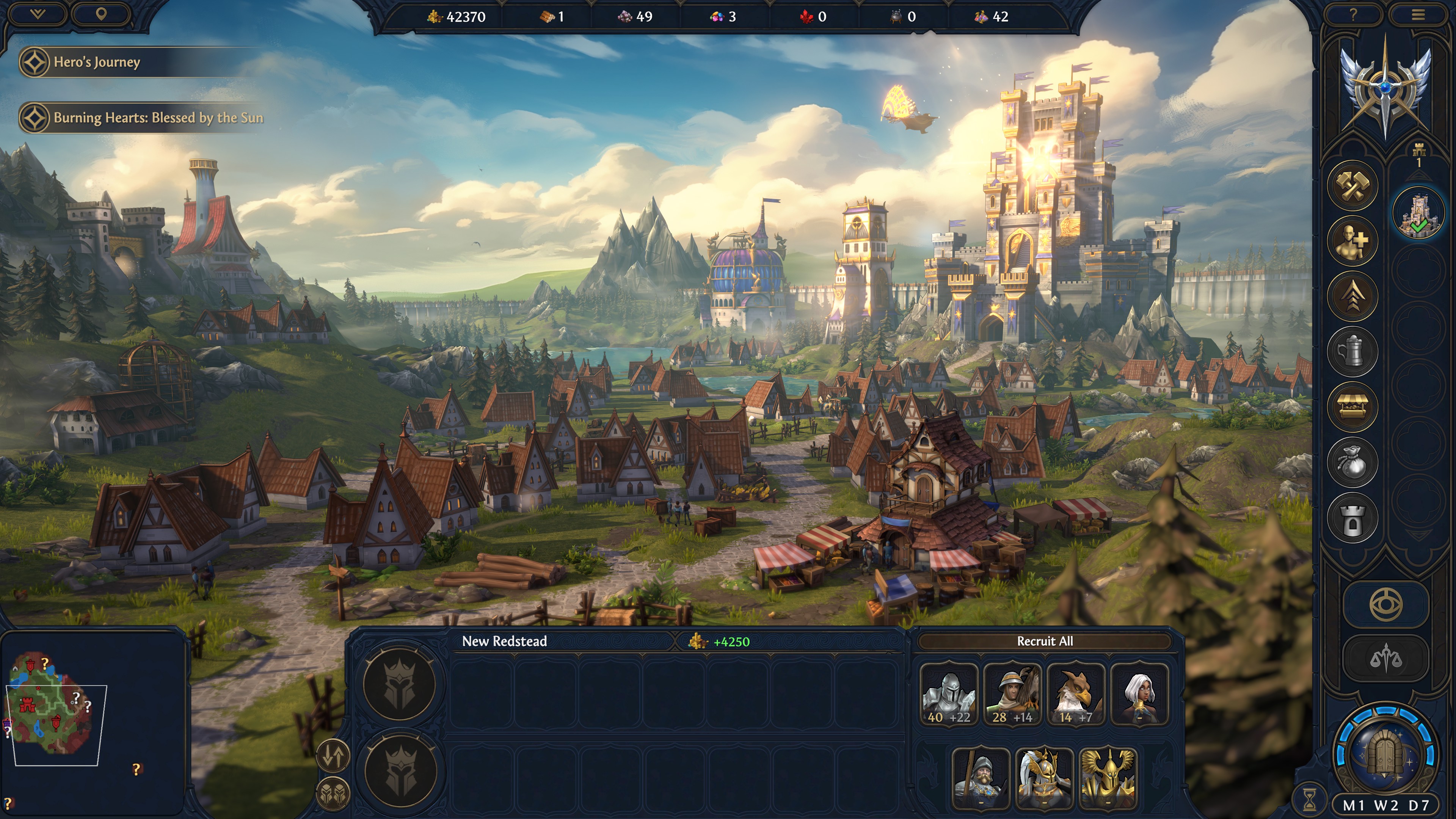
Don’t worry, you don’t need to pay for your army’s upkeep, but to get the high-tier units, and to reinforce units that have taken a beating, you need plenty of cash. You also need specific resources to construct the buildings that generate them. And eventually you’ll want to upgrade these units, which as always requires yet more cash.
Some financial planning is required.
See, while you can find buildings on your adventures that generate units for you to purchase every week, to get more control over your roster you’ll need to invest in your cities—which are also where you can construct marketplaces, mage guilds, fortifications and economy buildings.
Some financial planning is required, then. Say you want to field some griffins. First of all, you’ll need to either be a member of the Temple faction, or in control of one of their cities. Then you’ll need to build a rookery, which costs 3,250 gold, five wood and five iron. This will immediately let you recruit a small number of griffins—seven, to be exact—for 1,785 gold.
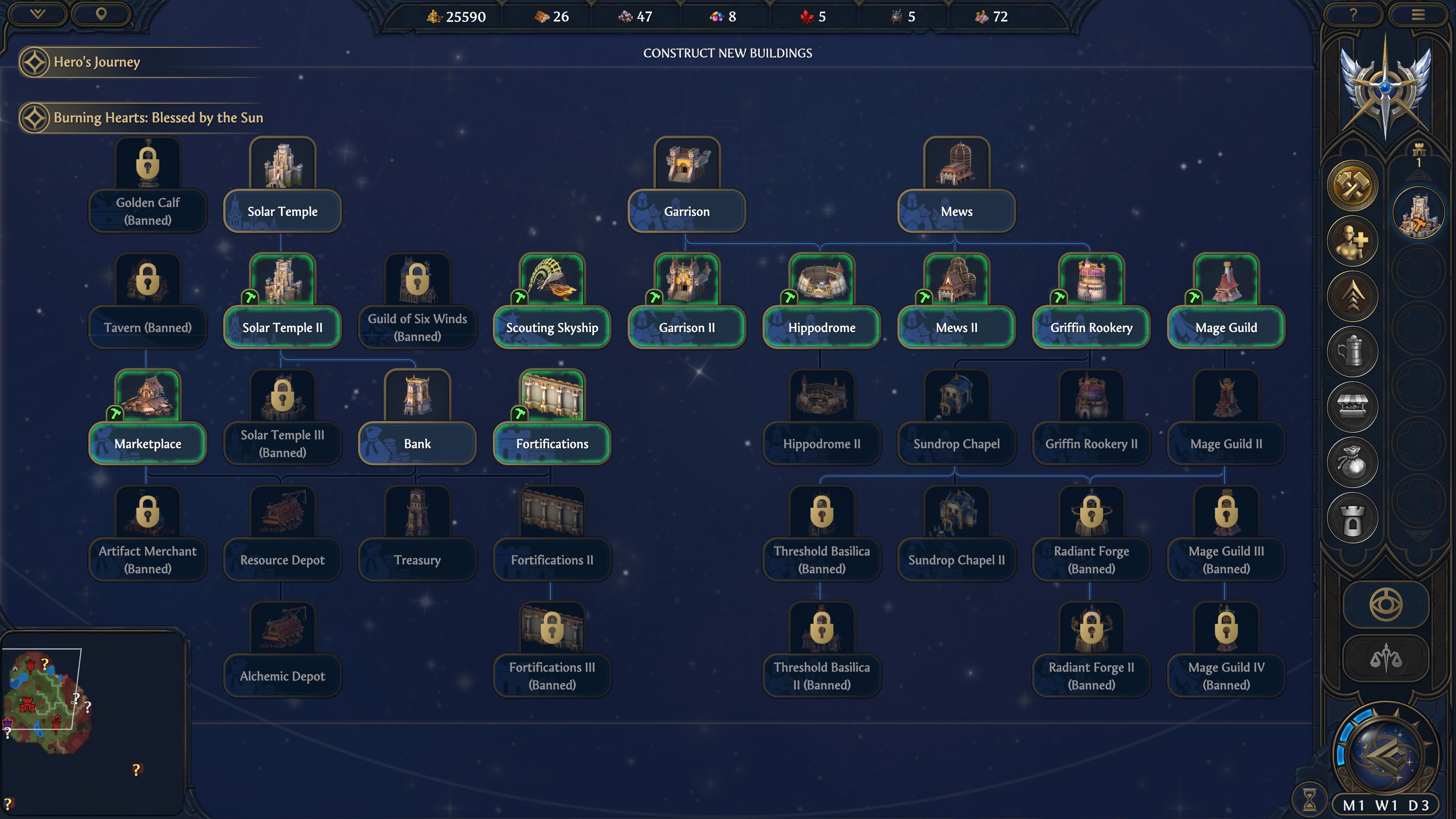
A week later, you’ll be able to recruit another seven griffins. If you want a larger pool to recruit from, you’ll need some upgrades. The second fortification building project will bump the number up to 10 a week. To get that, you’ll need to spend 2,500 gold and five iron on the first fortification project, and then 2,500 gold and 10 iron on the second.
There are plenty of ways to get passive and active income, but you’ve also got enemy heroes with all the same demands on their economies, and they’ll be eager to take your cities and captured buildings away from you. So you’ll need defenses to protect your stuff, and extra heroes so you can quickly reclaim anything that was stolen from you, which will also allow you to more quickly hoover up resources and treasure scattered across the map.
A bad week, heck, even a bad day, can be a real setback, giving your opponent everything they need to put you in the ground for good. But being smart about your priorities and not overextending will help you avoid these gloomy times.
X marks the spot
Olden Era is not a 4X game, technically, but it’s pretty close. It’s no surprise that Age of Wonders, which was originally inspired by HoMM, proved to be such a comfortable fit for the genre when it fully embraced the 4X pillars in Age of Wonders 3. If you’re expecting something similar with Olden Era, though, you might be disappointed. There’s no population management, diplomacy is simply a secondary skill that allows you to recruit neutral units, and there are no opportunities to develop a bespoke society.
Despite my love of Age of Wonders 4 in particular, and 4X games more broadly, I’m not missing these features here. Olden Era is a more focused experience, but one secretly hides an abyss where you can lose yourself in the nitty gritty, as you try to turn your realm into the most efficient, warmongering machine possible.
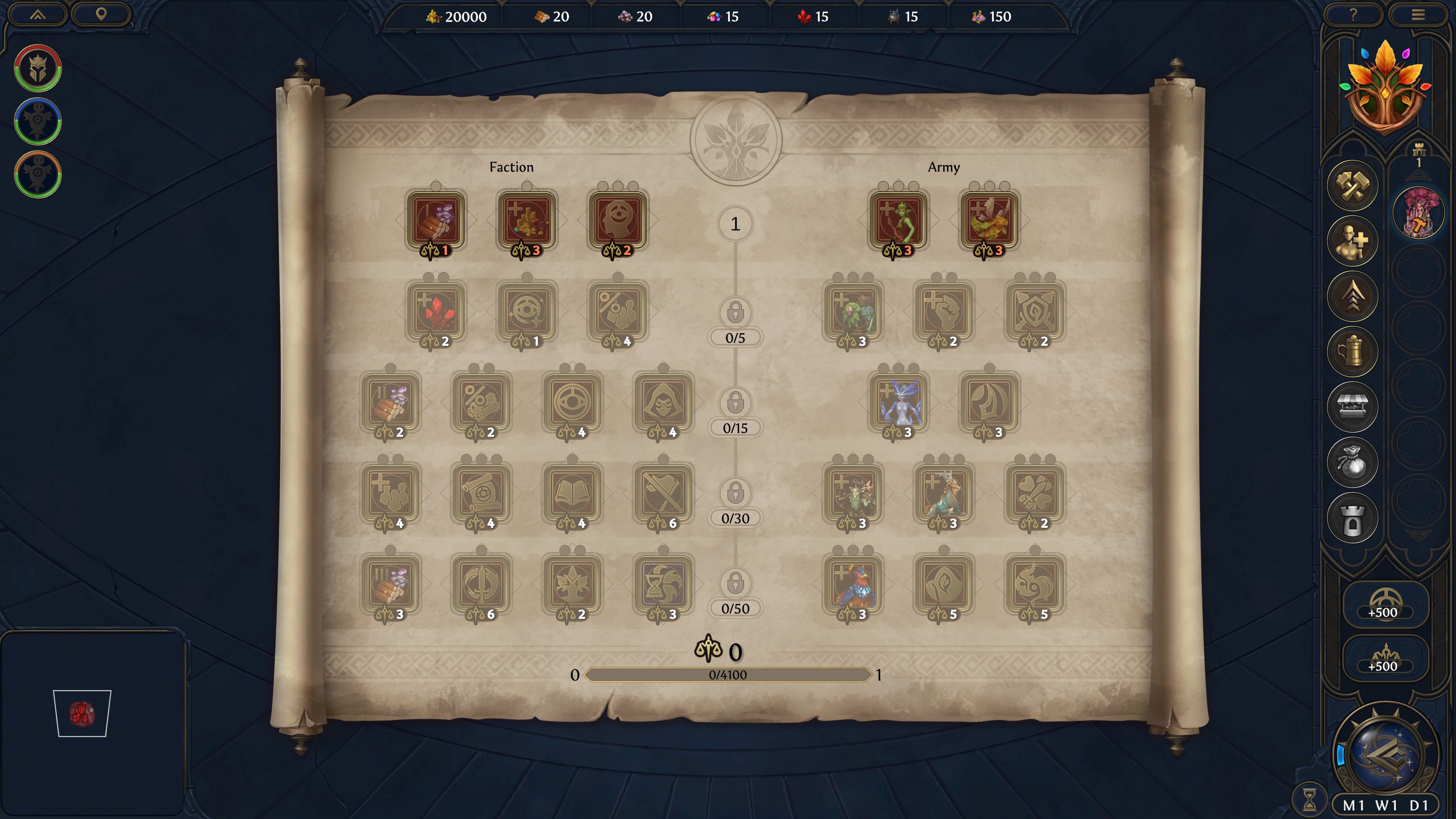
This can be done by fine-tuning your economy, making sensible picks when you level up and equip your hero, figuring out the best unit synergies and getting stuck into the law system. Each faction has two law trees full of boons, split into faction and army buffs. These can reduce recruitment costs, net you regular shipments of resources or increase the strength of specific units. It’s through these laws that you can also increase the recruitment pool, so you’ll get additional griffins to recruit every week.
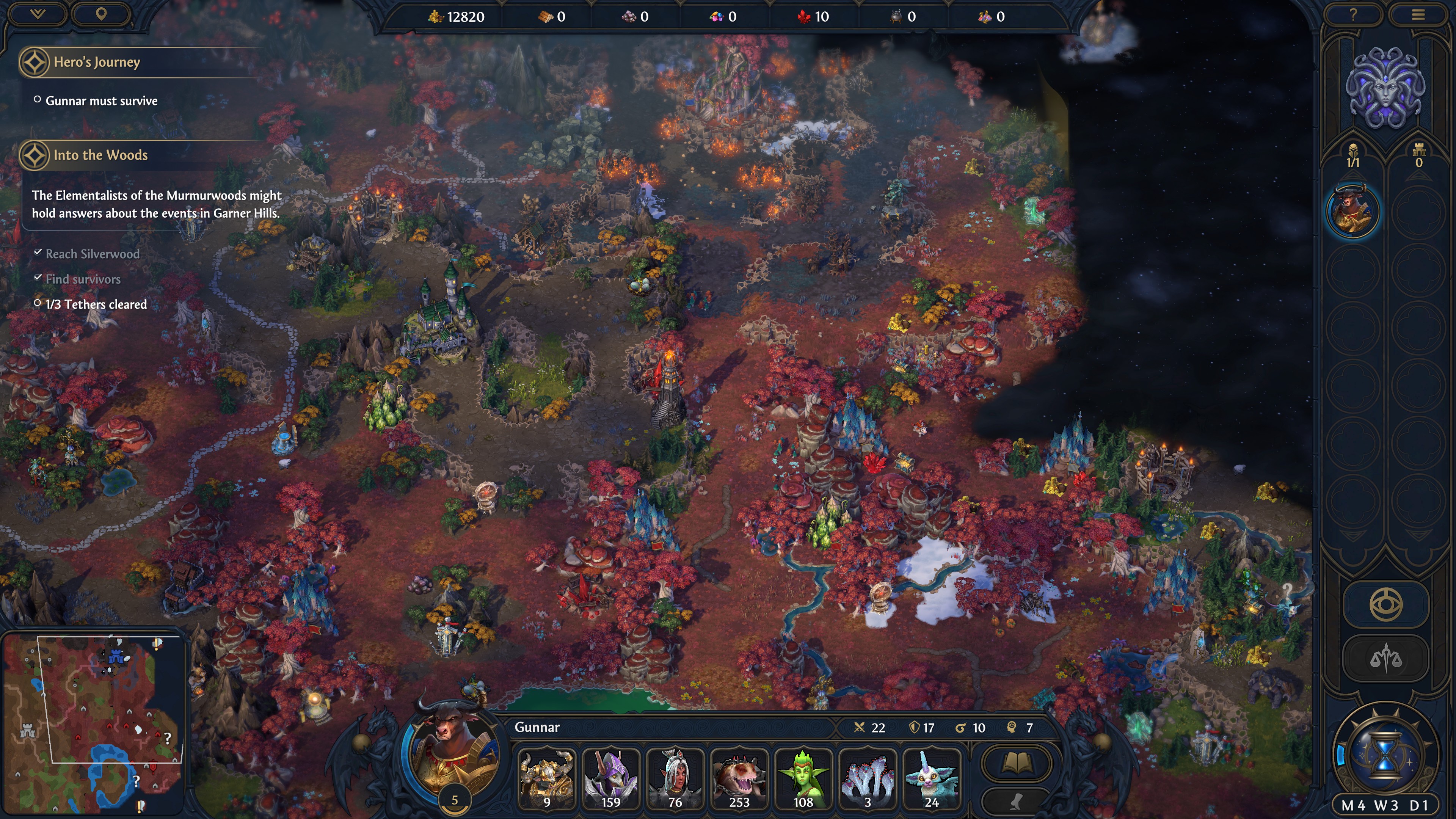
There are so many ways to build and develop your armies, heroes and realms, even within the same faction, and while Olden Era rarely tries to limit you, the fact that it’s a race encourages you to specialise more, to pick a specific strategy and focus on that. This even goes for your unit roster, as there are morale costs to fielding units from different factions, and high morale means units are more likely to act twice in a turn. But there are strategies that get around this, or negate its impact. You’ve always got options. This flexibility doesn’t mean you should try to do everything; it just means you have the option to pivot when things fall apart.
There are so many ways to build and develop your armies, heroes and realms, even within the same faction.
When it’s all laid out, Olden Era could seem daunting to the uninitiated, but the way it encourages this focus, and the way it’s broken up into days where you might only be able to do a couple of things, actually makes the difficulty gradient pretty gentle. The magic system, though, could benefit from a bit more clarity.
Olden Era’s magic system is great in practical terms, but not especially intuitive, and it works a bit differently from previous games in the series. You can construct mage guilds in your cities, and each unlocks a bunch of random spells—seven for the first tier, with each higher tier of building unlocking fewer but more powerful spells. Heroes then need to visit the city where the guild is located to receive the random spells that specific guild unlocked. Every hero can learn any of the lower tier spells, but they need proficiency in specific magic schools to cast the more powerful ones.
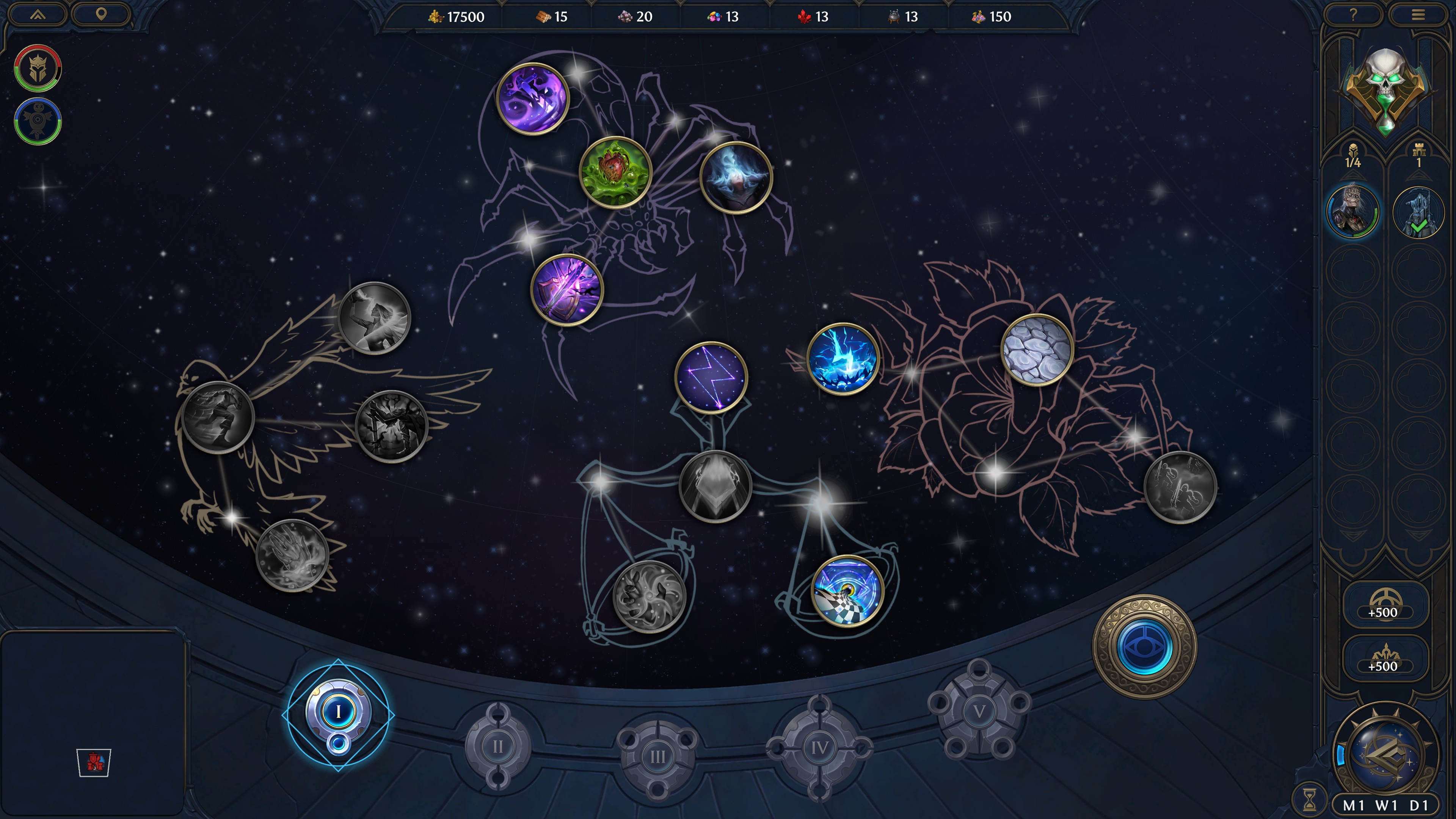
Every spell that’s been unlocked, in every city, is collected in the Magic Observatory. Here you can upgrade spells using the resources you’ve collected, but you can also unlock new spells, as long as you have the appropriate guild constructed, at a limit of one per day.
Then you’ve got neutral magic, and each neutral spell has to be unlocked manually by spending a special resource, insight, which you can only get by generating enough astrology points, which you’ll get from your cities. Even after you’ve unlocked them, your heroes will need to be at the appropriate level to actually learn them.
You’ll have to go through a lot of steps and a lot of menus, then, but it’s worth it. Magic in Olden Era is game-changing. At the higher tiers, you’ll get access to apocalyptically powerful spells like Armageddon, which has a meagre base attack of 100, but adds 10 times the hero’s spell power, and then hits every unit on the battlefield, including your own. Might be best to save that one for when you’ve got a lot of magic resistance.
Practical magic
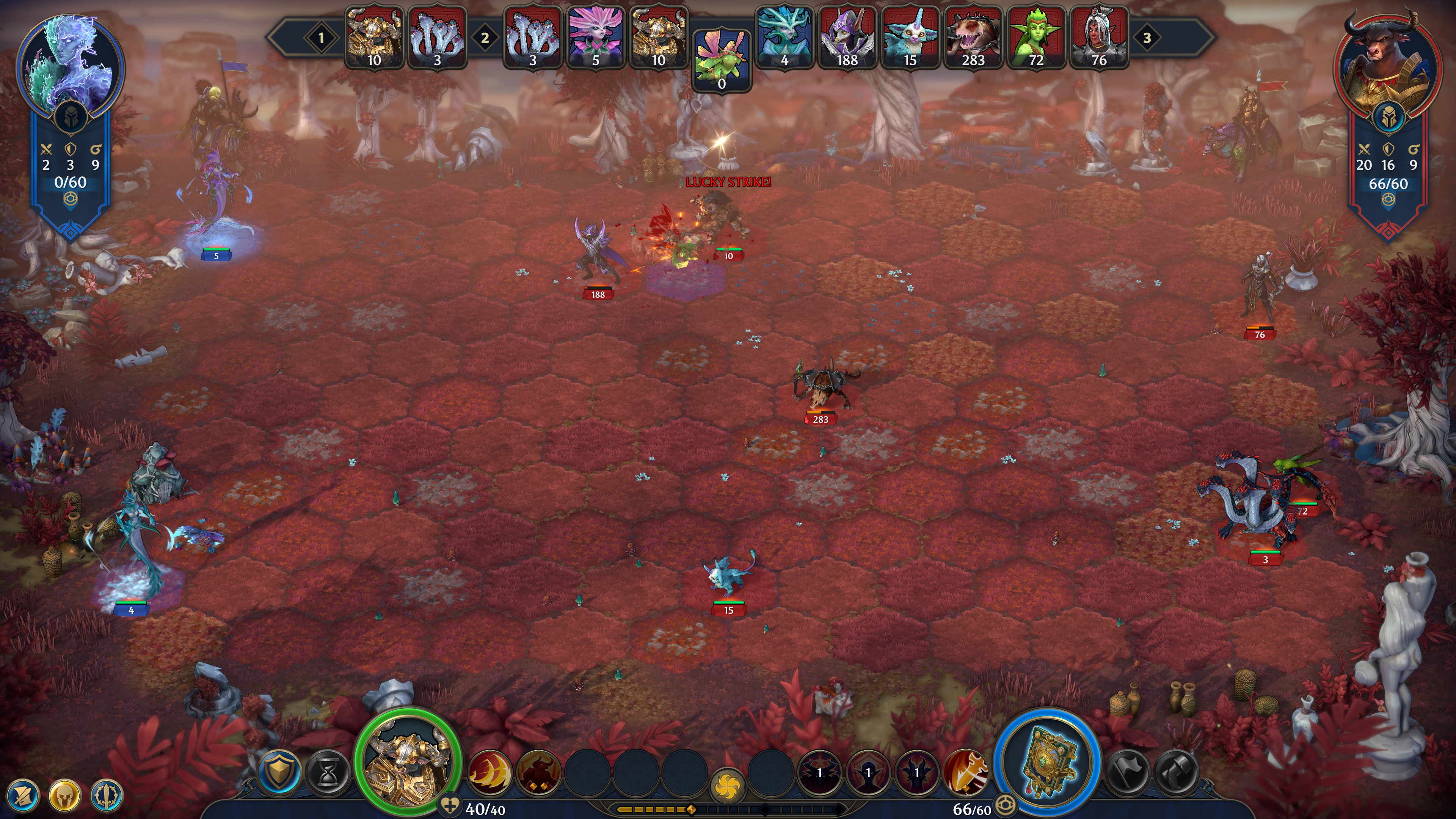
Neutral spells aren’t as flashy as the stuff you’ll cast in combat, but they give you a lot of utility—flight, extra movement points, town portals. They’re incredibly powerful, even if you won’t be using them in a fight.
Dimension Door, for instance, allows you to teleport your hero to a location within eight squares. It’s less powerful and cheesy than it was in previous games, though. In HoMM3 you could teleport to areas you wouldn’t normally be able to access quickly because of geographical obstacles or monsters. This is still possible, but with more restrictions, as Olden Era’s maps have borders protected by guardians that must be defeated before you can cross over, even if you have mobility spells. I miss the cheese, but I suspect it’ll go down well with the PvPers.
Developer Unfrozen clearly knows its audience, because while Olden Era is still in development, it has all the features HoMM veterans could ask for. There are already five game modes, including the campaign, so you can dive right into a classic match, or shake things up with the single hero mode, and if you’re more interested in simply trouncing an opponent in a duel, then you can pick the arena mode.
Olden Era utilises proc-gen maps, but lovers of hand-crafted adventures will be well taken care of as well. The campaign maps are hand-made, and once you’re done with the first available act, you can dip into scenarios, featuring bespoke stories and objectives in more hand-crafted missions.
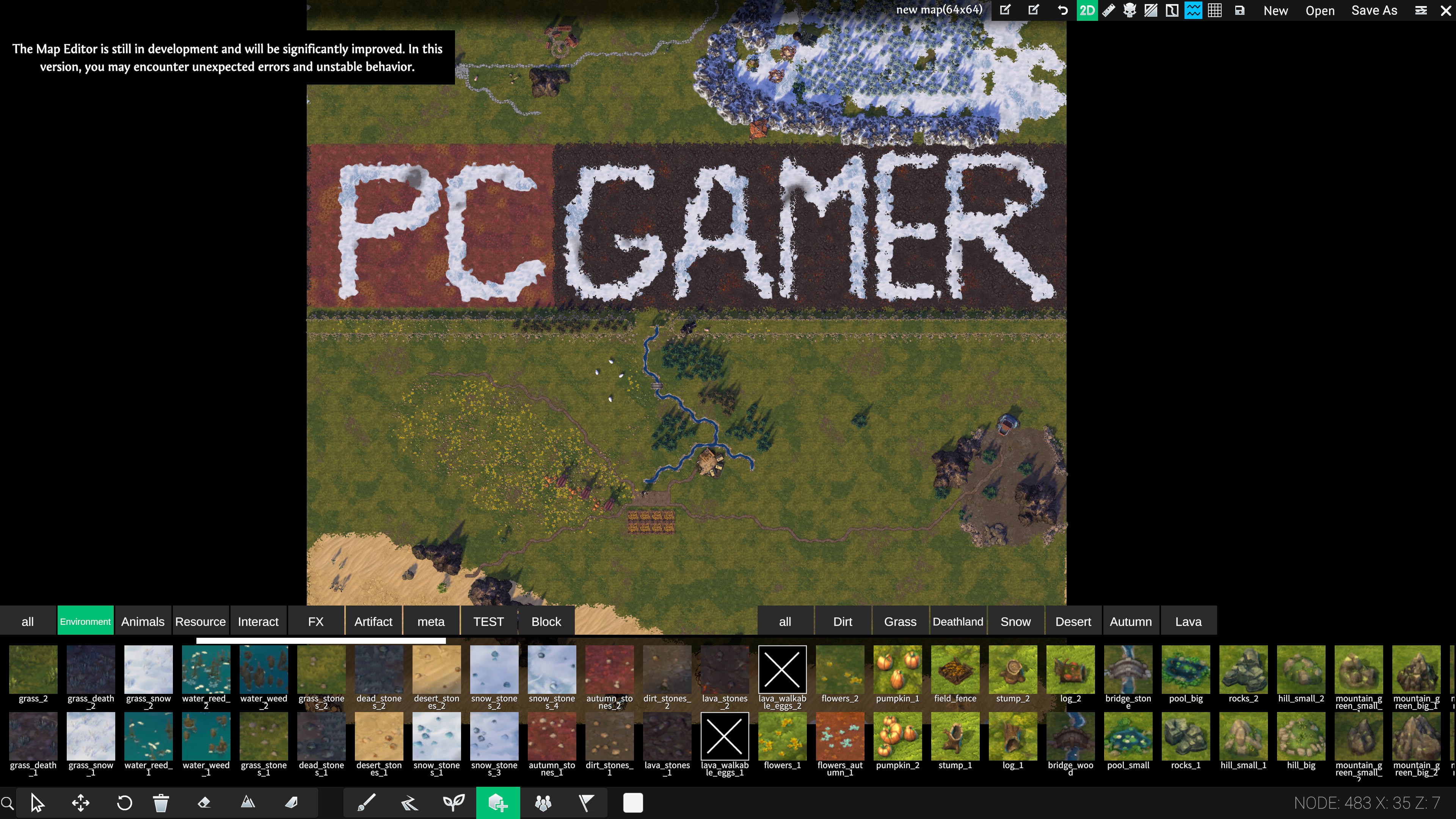
Olden Era has launched with a beefy map editor containing pretty much everything one would need to start tinkering away.
Even better, Olden Era has launched with a beefy map editor containing pretty much everything one would need to start tinkering away—despite the caveat from Unfrozen that it’s “still in development and will be significantly improved”. I’ve not created anything usable yet, but I am tinkering away on the monstrosity above. It’s very on-brand.
When it comes to early access, I often find it hard to recommend anyone shell out for an unfinished game, especially when we have no idea what the future holds. It could get better. But it could get worse. You lose nothing by waiting. This will be true if you wait for Olden Era to hit 1.0. That said, it’s already great. It’s not a reinvention or a divisive reinterpretation: this is just classic HoMM, a bit modernised, a few tweaks here and there, but otherwise what you’d expect, and more importantly, what you’d actually want.
2026 games: All the upcoming games
Best PC games: Our all-time favorites
Free PC games: Freebie fest
Best FPS games: Finest gunplay
Best RPGs: Grand adventures
Best co-op games: Better together