
The plague of games industry layoffs and studio closures that seemed to explode in 2023 has yet to subside. Just about every week there’s news of some new restructuring, closure, or cancellation as the videogame industry, particularly in North America, is battered by global economic forces, corporate maneuvering, and private capital.
Here’s the latest news related to the crisis that continues to unfold:
SUPERMASSIVE GAMES
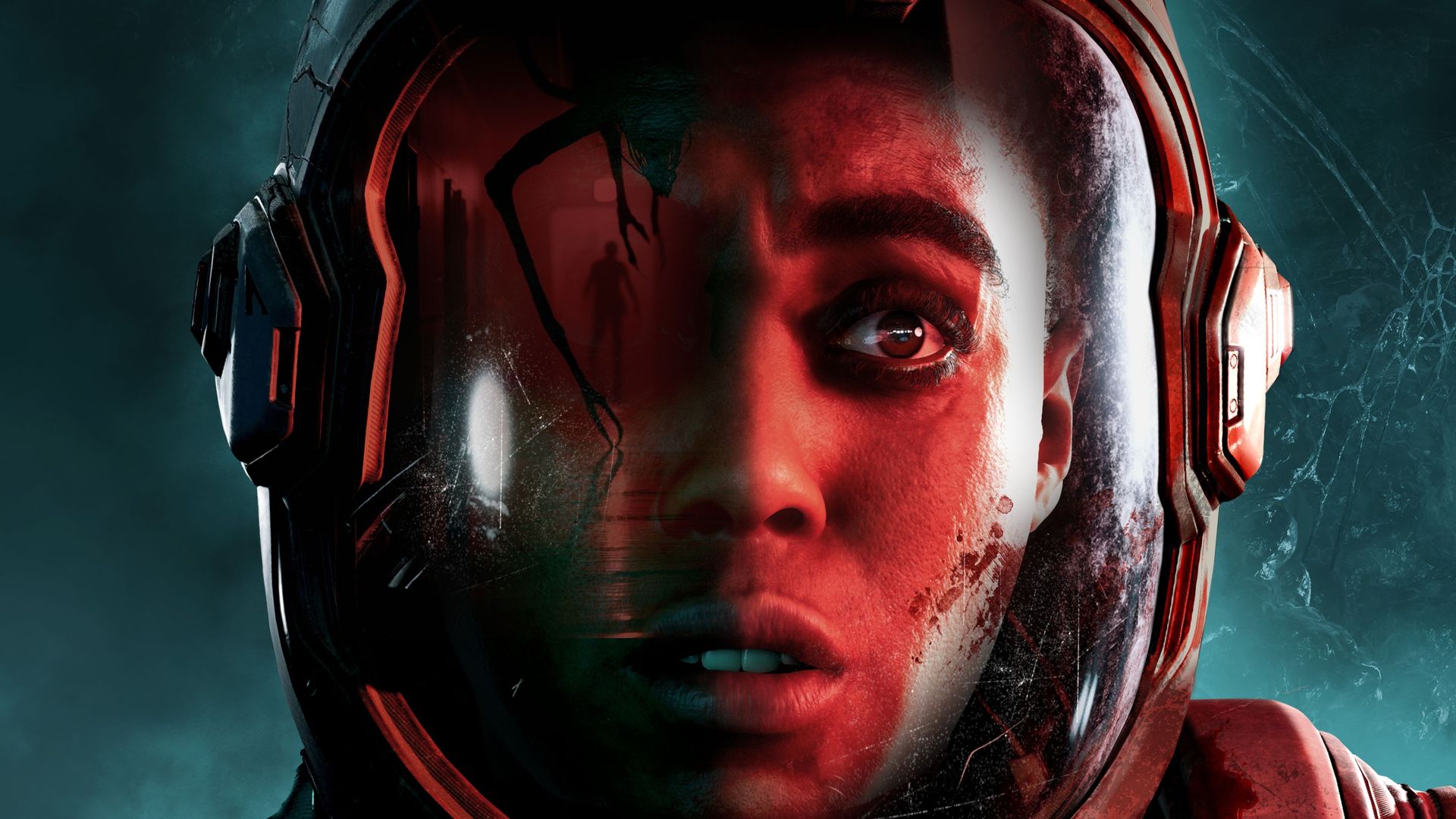
In August, three months after the release of Directive 8020, Supermassive issued a statement saying that up to 75 of its employees were at risk of layoff. LinkedIn posts from multiple former Supermassive employees (via Insider Gaming) indicate that those layoffs have now been completed, and that effectively everyone who was at risk of redundancy was let go.
“More than 70 brilliant people are leaving Supermassive: developers, artists, producers, QA, operations and more,” Frank Tindle, IT and facilities director at Supermassive who’d been with the studio for 16 years, wrote on LinkedIn. “Any studio would be lucky to have them.”
NINJA THEORY

It came to light in June that Microsoft was planning to either close or sell off Senua studio Ninja Theory, even as the studio unveiled a new game at Summer Game Fest. In July, amidst the big “Xbox Reset,” it announced Ninja Theory had been sold, but then in September it said two attempts to divest the studio had fallen through, and so it was moving toward a closure instead.
That now appears to be happening, as multiple employees on LinkedIn have reported over the past week that they have either been let go, or are at risk of losing their jobs. (Ninja Theory, like Supermassive, is based in the UK, where a legally-mandated consultation period is required ahead of actual layoffs. Technically, employees in the consultancy process are not certain of layoff, but practically speaking—as seen with Supermassive—it’s about as close as you can come without actually being shown the door.)
“It’s incredibly sad knowing that we won’t get to finish what we were working on,” gameplay programmer Katrin Mair wrote about the cuts. “So much care, talent and effort went into it, and I really wish we’d had the chance to see what it could have become.”
THE COALITION
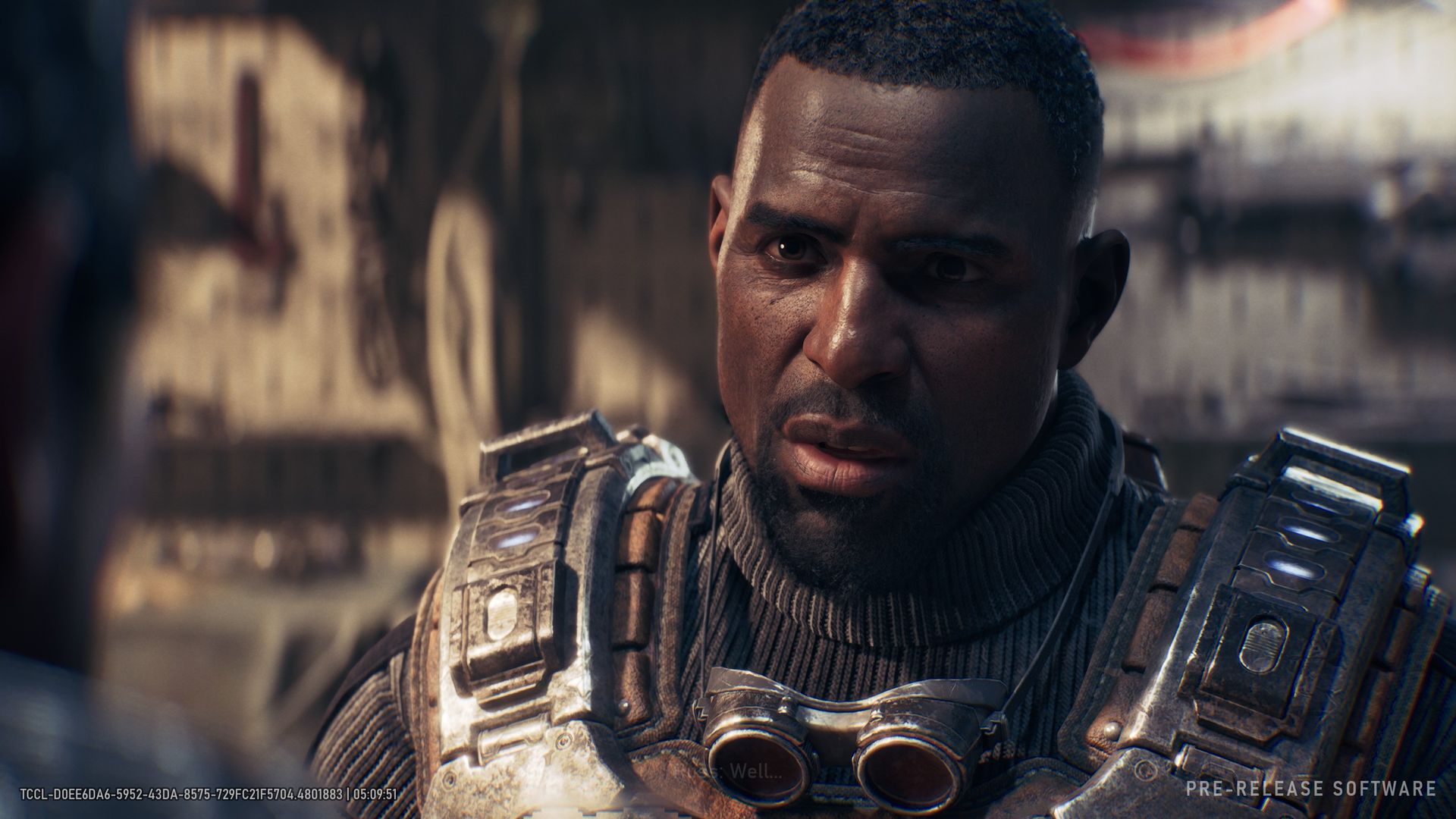
It speaks to the current state of the game industry that some developers on Gears of War: E-Day are not looking forward to basking in the successful launch of their game, or even the ongoing responsibilities of post-launch support, but are instead worrying about the possibility of being laid off. Multiple sources at the studio told Eurogamer that confidence in The Coalition’s stability as the home of Gears of War has given way to trepidation as Microsoft has repeatedly demonstrated that no one is safe.
That feeling crystallized in September when Gears of War: E-Day story director Juan Vaca was laid off as part of Microsoft’s latest round of cuts, just weeks before E-Day’s release. Others were reportedly cut shortly prior to that. “We honestly expected the layoffs to hit us post-release, but that seems to not matter now,” one source told the site. “Now we’re just expecting the next wave, or being reorganised under Activision or something later this year.”
Those worries are heightened by the potential loss of performance bonuses tied to Metacritic scores, which are reportedly contingent on being employed at the studio when the bonuses are paid, which one source said “should be near the end of October.” Some current employees are worried Microsoft could impose cuts to avoid paying those bonuses: While employees who are let go shortly after the game’s launch should still be eligible for the payout, one employee said, “It’s hard to believe anything [Microsoft leadership] say anymore after discarding staff in this manner.”
WARHORSE: A WARNING

This one isn’t about layoffs or closures, but is rather a prediction of continued heartbreak for developers in North America and Western Europe. In an interview with PC Gamer in September, Warhorse Studios co-founder Martin Klima predicted that efforts to reduce the cost of game development (or at least rein them in a bit) could lead studios to move their operations to “countries that are cheaper … it’s maybe Central and Eastern Europe, maybe China, maybe India, maybe East Asia in general.”
That’s not an entirely new or original sentiment, and as PC Gamer’s Joshua Wolens noted at the time, it’s potentially good news for devs in those parts of the world, at least until the vagaries of capitalism catches up. But it’s far less upbeat for industry workers in North America already facing pressure from rising costs, generative AI, and bottom-line-obsessed shareholders.
2026 games: All the upcoming games
Best PC games: Our all-time favorites
Free PC games: Freebie fest
Best FPS games: Finest gunplay
Best RPGs: Grand adventures
Best co-op games: Better together